Des Moines Electrical Outlets & GFCI Installation: Safety & Selection
Your outlets are where your home’s wiring meets the devices you use every day — and choosing the right one matters for safety, performance, and meeting Des Moines code. This guide walks through the most common receptacles — from standard 15A outlets to GFCI, AFCI, tamper‑resistant, 240V, USB and smart options — explains how each protects people and equipment, and shows which circuits they belong on. You’ll find where the 2023 NEC and the Iowa Administrative Code require protection, how to test and maintain GFCIs and AFCIs, typical replacement costs in Des Moines, and when to call a licensed electrician. We also cover simple retrofit steps for older two‑prong homes and tips for smart‑home integration so your outlets work reliably. Use the checklists and comparisons below to pick the right outlet and plan safe, code‑compliant next steps. blog
What Are the Most Common Types of Electrical Outlets Used in Des Moines Homes?
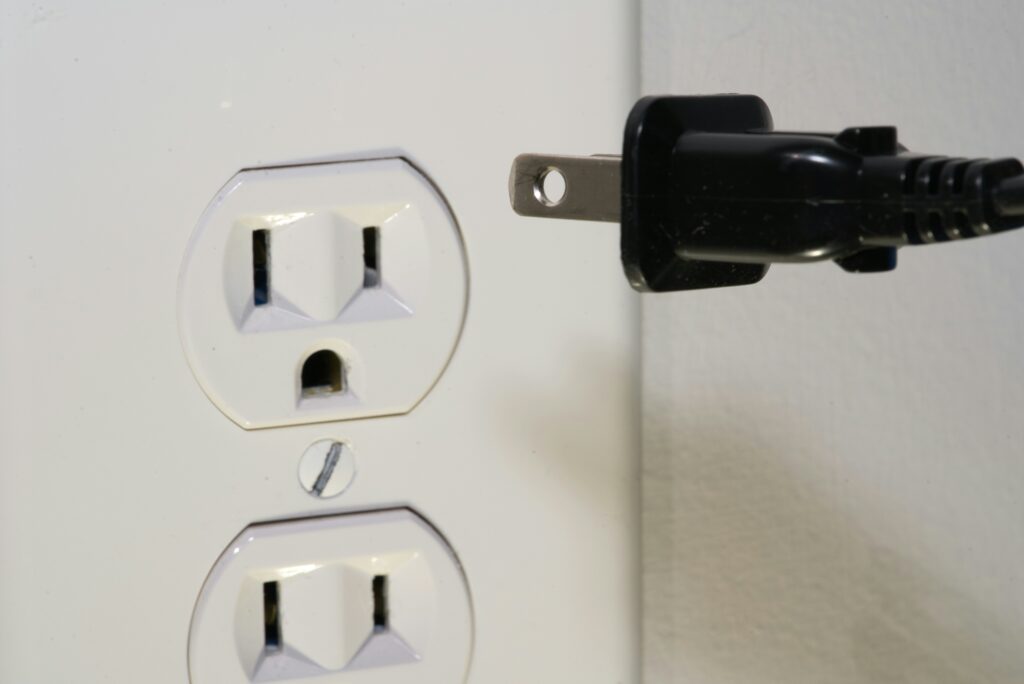
An outlet (or receptacle) connects a branch circuit to your devices. In Des Moines homes you’ll commonly see 15A and 20A 120V receptacles, 240V appliance outlets, GFCI and AFCI devices, tamper‑resistant receptacles, USB combo outlets, and in‑wall smart receptacles. They differ by amperage, prong shape, built‑in protection, or added features — and those differences determine where each should be used and what it can safely power. Knowing the distinctions helps you choose the right receptacle for kitchens, bedrooms, garages, patios and more while staying aligned with code and good practice.
Below is a quick reference table that pairs outlet types with typical locations and common uses so you can see at a glance what fits your wiring and needs.
| Outlet Type | Typical Location & Voltage/Amperage | Common Uses / Notes |
|---|---|---|
| 15A Receptacle | 120V, general‑purpose circuits (14 AWG) | Standard for most rooms and low‑draw devices |
| 20A Receptacle | 120V, 12 AWG circuits | Used where higher draw is expected — some kitchen circuits and small appliances |
| 240V Appliance Outlet | 240V, usually 30A or higher depending on the appliance | Ranges, dryers, larger HVAC units or heavy shop tools |
| GFCI Receptacle | 120V with test/reset buttons; required near water | Protects people from ground faults in wet or damp locations |
| AFCI Receptacle | 120V with arc‑fault protection | Helps prevent fires from dangerous arcing conditions |
| Tamper‑Resistant Outlet | 120V with internal shutter | Child‑safety feature commonly required in living spaces |
| USB/Combination Outlet | 120V with integrated USB ports | Convenient charging — watch combined load limits |
Use this quick map as a starting point; the sections that follow unpack amperage, protective devices and recommended placement in more detail.
How Do 15 Amp and 20 Amp Electrical Outlets Differ in Residential Use?
15A receptacles pair with 14 AWG wiring and are the standard general‑purpose outlets in most rooms. 20A receptacles require 12 AWG conductors and support higher‑draw devices up to 20 amps. A common visual clue is the T‑shaped neutral slot on many 20A duplex outlets, but safe use depends on matching outlet, wiring and breaker ratings. In everyday practice, lighting and general outlets are usually 15A; kitchens, laundry areas and some dedicated appliance circuits use 20A or higher depending on load. Planning an upgrade or adding heavy appliances? Have a licensed electrician confirm breaker size, conductor gauge and outlet rating before any work begins.
What Are GFCI Outlets and Why Are They Essential for Home Safety?
Ground‑Fault Circuit Interrupters (GFCIs) monitor the current between hot and neutral and trip in milliseconds if even a small imbalance occurs — stopping potentially deadly shocks near water. GFCI outlets have test and reset buttons and are required where moisture increases shock risk. Typical locations include kitchen counters, bathrooms, garages and outdoor outlets; monthly testing (press Test, then Reset) keeps them reliable. A single correctly wired GFCI can protect downstream receptacles, so wiring and clear labeling matter. If you’re unsure how a circuit is wired, call a licensed electrician to inspect and explain which outlets are covered.
Need Professional Electrical Assistance?
Rewired Iowa Electrician Des Moines offers expert switch and outlet repairs and installations by licensed technicians. Ensure your home meets code and stays safe.
Where Are GFCI Outlets Required by Iowa Residential Electrical Code?
GFCI protection is required where electrical equipment is near water or otherwise poses a higher shock risk. Iowa follows NEC rules through the Iowa Administrative Code, and the 2023 NEC expanded several GFCI locations. GFCI protection can come from a GFCI outlet or a GFCI breaker in the panel. Typical required areas include bathrooms, kitchen countertops, garages, unfinished basements, laundry/utility rooms, outdoor locations, crawl spaces, and receptacles within specified distances of sinks. These requirements reduce shock risk and are checked during permit inspections on remodels or new builds — so if you’re updating an older home, verify GFCI coverage in these areas.
Required GFCI locations under Iowa/NEC guidance:
- Bathrooms — all receptacles
- Kitchen countertops — all countertop receptacles
- Garages and accessory buildings with floor receptacles
- Outdoors — all receptacles
- Unfinished basements and crawl spaces
- Laundry and utility areas with receptacles near sinks
These changes reflect the 2023 NEC’s wider focus on person‑protective devices. If you find gaps in your home, schedule an inspection to prioritize upgrades and stay compliant.
Which Rooms and Areas in Des Moines Homes Must Have GFCI Protection?
Bathrooms need GFCI receptacles because of frequent water exposure. Kitchens require GFCI protection for all countertop outlets to protect people using small appliances near sinks. Garages, unfinished basements, laundry areas and outdoor receptacles are also required since they mix electricity with moisture or expose cords to weather. Crawl spaces and other unfinished areas are listed for the same reason. Older homes may lack these protections and often need retrofits during renovations. Regular testing and clear labeling of GFCI circuits help confirm coverage — when in doubt, a professional inspection will clarify downstream protection and placement.
How Does the 2023 NEC Update Affect GFCI Outlet Requirements in Iowa?
The 2023 NEC broadened GFCI requirements to cover more indoor locations and some receptacles that were previously exempt, increasing occupant protection. Iowa adopts NEC updates through the Iowa Administrative Code process, so enforcement of the 2023 provisions is phased in via state rulemaking. Practically, this means some older homes no longer meet current expectations and could benefit from targeted retrofits. If you’re remodeling or selling, an electrical inspection referencing the 2023 NEC and Iowa code will show required upgrades and help you prioritize improvements.
What Are Smart Outlets and How Can They Enhance Your Des Moines Home?
Smart outlets add connectivity and control to standard receptacles, letting you switch devices remotely, schedule loads, or track energy use. Options range from simple Wi‑Fi smart plugs for a single device to in‑wall smart receptacles with load sensing and USB ports, including USB‑C wall outlets, or hub‑based Z‑Wave/Zigbee modules for whole‑house automation. Brands like Leviton, Enerlites, and Legrand offer many options. Smart outlets add convenience and can cut wasted energy, but they need attention to load limits and proper installation to avoid reliability problems. A professional installer can optimize placement, confirm wiring and neutral availability, and reduce interference in homes with many smart devices.
Common smart outlet categories:
- Wi‑Fi smart plugs — simple, plug‑and‑play for lamps and small appliances
- In‑wall smart receptacles — permanent installs with more features and better load handling
- Hub‑based modules (Z‑Wave/Zigbee) — ideal for larger mesh smart‑home systems
Each choice varies in installation complexity and capability. Match features to your automation goals, network reliability and circuit capacity — and for in‑wall changes, use professional wiring to keep reliability and safety high.
What Types of Smart Outlets Are Available for Residential Use?
Residential smart outlets include plug‑in adapters, in‑wall smart receptacles, USB combo outlets, and hub modules that integrate with broader automation systems. Plug‑in adapters are the easiest and work well with lamps or single devices. In‑wall smart receptacles give a cleaner finish, higher load capacity and permanent control. USB‑combination outlets, including USB‑C options, free up the main plug while offering dedicated charging. Hub‑based devices provide stronger mesh reliability across many devices. When choosing, check load ratings, network compatibility and whether voice or hub integration matters for your setup.
How Does Professional Installation Improve Smart Outlet Performance and Safety?
- Proper wiring: Professionals install smart outlets correctly, ensuring the box is secure and grounded, preserving neutrals, and handling shared neutral or multi‑wire branch circuit complications that can trip up DIY installs.
- Load planning: Electricians advise on load balancing when many smart devices share a circuit to avoid overheating and nuisance breaker trips.
- Placement and testing: Installers account for Wi‑Fi or hub signal paths for reliable connectivity and test devices under expected loads to verify stable operation.
How Do Tamper-Resistant and AFCI Outlets Improve Electrical Safety in Homes?
Tamper‑resistant (TR) receptacles and Arc‑Fault Circuit Interrupters (AFCIs) address different but complementary hazards. TR outlets use internal shutters to block foreign objects — a simple, effective child‑safety measure required in many living areas. AFCIs detect dangerous arcing patterns from damaged insulation, loose connections or frayed cords and shut the circuit down before heat can start a fire. AFCI protection can come from a breaker (AFCI breaker) or a combination‑type receptacle for local coverage. Many modern codes require AFCI protection in bedrooms and living areas. Together with GFCIs, TR and AFCI devices form layers of protection that significantly reduce shock and fire risks across a home’s circuits.
| Protective Device | Protection Provided | Homeowner Benefit |
|---|---|---|
| Tamper‑Resistant (TR) | Blocks insertion of foreign objects | Reduces child‑related electrical incidents |
| AFCI (receptacle or breaker) | Detects and interrupts arc‑faults | Reduces the risk of fires caused by arcing |
| GFCI | Detects ground faults and trips quickly | Protects people near water from electric shock |
The devices work together: TR prevents accidental insertion, AFCI stops dangerous arcing, and GFCI guards against ground faults. Using the right mix of protections across circuits improves safety and helps keep your home code‑compliant.
What Are Tamper-Resistant Outlets and Where Are They Required in Iowa Homes?
Tamper‑resistant outlets use spring‑loaded shutters that only open when a proper plug is inserted, making them a smart child‑safety upgrade for family homes. Most residential codes require TR receptacles in bedrooms, living areas and other general‑purpose locations; replacing old devices is usually a straightforward swap. If your home still has two‑prong outlets, upgrading to tamper‑resistant three‑prong receptacles — while ensuring proper grounding or using GFCI protection for ungrounded locations — improves safety. Not sure which outlets need replacing? A licensed electrician can quickly identify priorities and compliance requirements.
How Do AFCI Outlets Protect Against Electrical Fires?
AFCIs detect hazardous arcing signatures from damaged cables, loose terminations or worn cords and interrupt power before heat builds enough to ignite nearby materials. AFCI protection can be provided at the breaker or via combination‑type receptacles for local coverage. They’re especially useful in bedrooms and living spaces where cords are concealed and faults may go unnoticed. AFCIs don’t prevent every electrical problem, but they reduce many arcing scenarios that traditional breakers miss. Upgrading older homes often requires panel work or circuit changes, so consult a licensed electrician to evaluate feasibility and benefits.
When Should You Replace or Upgrade Electrical Outlets in Des Moines Homes?
Replace outlets when you see wear, damage or unsafe behavior. Upgrades also make sense when adding new appliances, converting two‑prong to grounded three‑prong outlets, or meeting GFCI/AFCI requirements during renovations. Red flags include discoloration, a burning smell, heat, visible sparks, loose receptacles that don’t hold plugs, or breakers that trip often — any of these calls for prompt inspection. Electrical code corrections are important during upgrades.
| Service Type | Typical Cost Drivers | Des Moines Price Range & Notes |
|---|---|---|
| Basic receptacle replacement | Device price, box access, electrician labor | $40–$120 per outlet for a standard swap (device dependent) |
| Upgrade to GFCI/AFCI | Device type, circuit complexity, downstream testing/labeling | $80–$250 per outlet depending on wiring and testing requirements |
| Add 20A circuit or 240V outlet | New wiring, breaker space, permits, labor | $250–$800+ depending on run length and panel capacity |
What Are the Signs That Your Electrical Outlets Need Repair or Replacement?
If you notice loose plugs, outlets that feel warm or smell like something’s burning, visible scorching, sparks when plugging in, or breakers that trip repeatedly under normal use — any of these point to potential danger. Short‑term homeowner actions: stop using the outlet, turn off the circuit breaker, and clearly label the outlet so others avoid it. Do not open the outlet or attempt internal repairs without proper training. For burning, smoking, or sustained heat, contact a licensed electrician immediately — these conditions can escalate quickly. Regular checks, especially in older homes with two‑prong outlets or aluminum wiring, catch problems early and help prioritize safe upgrades.
Immediate safety checklist if you suspect outlet damage:
- Unplug devices and stop using the outlet.
- Turn off the circuit breaker that supplies the outlet.
- Do not open the outlet or attempt wiring repairs yourself.
- Call a licensed electrician for diagnosis and repair.
How Much Does Electrical Outlet Replacement Cost in Des Moines?
Basic replacement of a standard 120V receptacle varies with device choice and access — typically about $40–$120 per outlet for a licensed electrician on a straightforward swap. Specialty devices or code‑required upgrades increase labor and testing time; expect $80–$250 per outlet for GFCI or AFCI upgrades if wiring or downstream protection is involved. Adding a new 20A circuit or a 240V outlet requires new wiring, a breaker and possibly a permit and panel work — these projects commonly start in the mid‑hundreds and can exceed $800 depending on run length and panel capacity.
Get a Precise Quote for Your Outlet Project
Contact Rewired Iowa Electrician Des Moines for a local inspection and a written estimate on outlet inspection and replacement services.
Why Hire a Licensed Electrician for Electrical Outlet Installation and Repairs in Des Moines?
Hiring a licensed electrician reduces risk, ensures code compliance, and gives you accountability through warranties and documented work. Professionals pick the correct devices, match breakers and conductors, install required AFCI/GFCI protection, and troubleshoot panel limitations that cause recurring problems. Permitted, inspected work preserves insurance coverage and resale value by providing proof of compliance. For homeowners who want dependable, locally focused service, these are the main reasons to choose a licensed pro for any outlet work.
- Safety and risk reduction: Professionals prevent shock and fire hazards through proper wiring and testing.
- Code compliance: Electricians know NEC and Iowa Administrative Code rules and handle permits.
- Longevity and reliability: Correct installation cuts down on nuisance trips and prolongs device life.
Those advantages make professional installation the most cost‑effective route for long‑term safety and peace of mind. Regular inspections and timely upgrades stop small issues from becoming expensive emergencies.
What Are the Benefits of Professional Installation for Outlet Safety and Code Compliance?
Licensed installers run thorough tests (AFCI/GFCI function, polarity and grounding checks) and make sure devices are properly rated for the circuit to avoid miswired protection or false trips.
They also recommend outlet placement, balance loads across circuits, and flag when a panel upgrade is needed before adding new circuits — preventing overloaded panels and repeated problems.
Professionals handle permits and inspections so work is documented and compliant with the Iowa Administrative Code, which helps with resale and insurance claims.
Scheduling periodic professional inspections — every few years or when renovating — helps keep protective devices working as intended and maintains overall electrical health.
How Does Rewired Iowa Ensure Quality and Customer Satisfaction in Outlet Services?
Rewired Iowa Electrician Des Moines provides local electrical services with clear homeowner benefits and verifiable credentials. Our commitments include a five‑year workmanship guarantee on performed work, 24/7 availability for emergencies, and licensed electricians carrying EL011713EC, EL011713RM, and EL011713JA licenses to complete code‑compliant installations. Family‑owned and focused on friendly, fast service with transparent pricing, the company is BBB accredited and has a Google 5‑star rating from over 400 customers — all signs of dependable local workmanship.
Ready for Reliable Electrical Services?
Contact Rewired Iowa Electrician Des Moines today for an inspection or quote. We’re committed to your safety and satisfaction.
2612 E 48th St, Des Moines, IA 50317
That local connection makes it easier to prioritize safety and schedule the right upgrades for your Des Moines home.
Frequently Asked Questions
What should I consider when choosing electrical outlets for my home?
Think about the amperage your devices need, where the outlet will be installed, and required safety features like GFCI or AFCI protection. Match outlet type to intended use — for example, countertop outlets in kitchens should be GFCI protected. Plan for future needs (USB charging, smart controls) and consult a licensed electrician to confirm the best, code‑compliant choice for each location. Popular brands include Leviton, Enerlites, and Legrand.
How often should I test my GFCI outlets?
Test GFCI outlets monthly. Press the “Test” button — the outlet should trip and lose power — then press “Reset” to restore power. Monthly checks help ensure the device will work correctly if a ground fault occurs, especially in wet areas.
Can I install electrical outlets myself, or should I hire a professional?
Some homeowners may handle basic swaps, but hiring a licensed electrician is generally the safer choice. Professionals ensure code compliance, reduce hazard risk, and back their work with warranties. They can also handle complex wiring, shared neutrals, and proper installation of protective devices like GFCIs and AFCIs. For peace of mind and safety, choose a professional.
What are the benefits of upgrading to smart outlets?
Smart outlets give you remote control, scheduling and sometimes energy monitoring. They can integrate with voice assistants and home automation systems, reduce energy waste by letting you control devices remotely, and improve home security by allowing you to turn lights on and off while away. Many also include USB or USB‑C charging ports. Choose smart devices that match your network and load needs for the best results.
What are the risks of using damaged or outdated electrical outlets?
Damaged or outdated outlets increase the risk of shock, fire and equipment damage. Signs like discoloration, warmth, loose connections or two‑prong ungrounded outlets indicate unsafe conditions. Regular inspections and timely replacements are essential to keep your electrical system safe.
How can I ensure my home’s electrical system is up to code?
Schedule a professional inspection with a licensed electrician to compare your wiring and devices to local code. Stay informed about NEC updates and local amendments, and prioritize the upgrades the inspection recommends. Regular maintenance and following code requirements keep your system safe and compliant, especially during home improvement projects.
Conclusion
Choosing the right electrical outlets protects your family, your devices and your home while keeping you aligned with local code. Knowing the differences between GFCI, AFCI, tamper‑resistant, standard and smart outlets lets you make practical decisions that balance safety and convenience. Regular testing, professional installation and timely upgrades help keep your electrical system safe and reliable. Reach out to a licensed electrician to review your outlet needs and plan the upgrades that make sense for your Des Moines home.

John Senn is a licensed Master Electrician based in Des Moines, Iowa with over 20 years of hands‑on experience serving homes and businesses across the state. He specializes in electrical panel upgrades, whole‑home generator installations, EV charger setups, and 24‑hour emergency service. As the owner of a growing team of certified electricians, John has built a reputation for safe, code‑compliant work and practical solutions that keep Iowa families and businesses powered up. His deep knowledge of Iowa’s electrical codes and his commitment to ongoing training make him a trusted voice in the trade and a go‑to expert for reliable electrical work in Des Moines and beyond.