
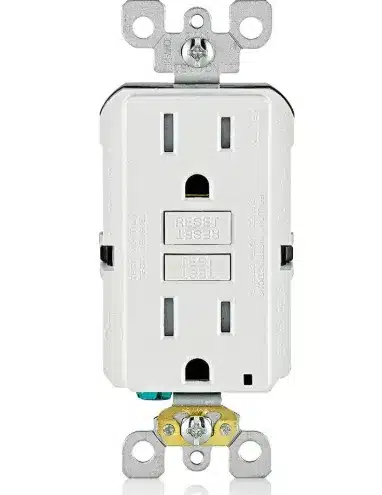
GFCI (Ground Fault Circuit Interrupter) outlets shut off power the moment they detect dangerous current imbalances. For owners of older Des Moines houses—where outdated wiring and ungrounded two‑prong outlets are common—GFCIs are a practical, often lifesaving upgrade. This article walks through the typical shock and fire hazards found in older homes, explains how GFCI devices stop electrocution and electrical fires, and summarizes what NEC 2023 changes mean for Iowa residents. You’ll also see how Rewired Iowa handles GFCI installation, testing, and documentation so local homeowners can get a safer system with clear proof of work.
What Are the Common Electrical Shock Risks in Older Homes?
Older houses often show predictable electrical problems that raise the chance of shock or fire. Spotting these issues helps you prioritize inspections and the right upgrades. The hazards we see most are legacy wiring, ungrounded two‑prong outlets, worn insulation, overloaded circuits, and DIY electrical work gone wrong.
Other common issues that typically trigger electrical code corrections include:
- Knob‑and‑tube wiring, which lacks a grounding conductor and has minimal insulation protection.
- Aluminum branch circuits that can corrode at terminations and run hot.
- Ungrounded two‑prong outlets, which leave appliances without a safe fault path.
- Cloth or rubber insulation that has cracked or deteriorated, exposing conductors.
- Overloaded circuits and amateur splices that create loose connections or high resistance points.
Which Outdated Wiring Systems Increase Shock Hazards?
Knob‑and‑tube, aluminum, and cloth‑insulated wiring are common in older homes and tend to fail in predictable ways. They usually lack modern grounding and can degrade with time, which increases long‑term shock and fire risk.
Why Are Ungrounded Outlets Dangerous in Vintage Homes?
An ungrounded outlet doesn’t have a third conductor that gives fault current a low‑resistance path to earth. That means a person can become the path to ground during a fault. A GFCI receptacle or GFCI‑protected circuit senses tiny differences between hot and neutral and trips in milliseconds—providing protection even when a ground conductor is missing.
How Does a GFCI Outlet Prevent Electrical Shocks and Fires?
A GFCI constantly compares the current going out on the hot conductor with the current returning on neutral. If those two values don’t match—usually by only a few milliamps—the device cuts power in about 25–30 milliseconds. That quick action stops dangerous leakage currents before they can cause a fatal shock or a sustained arc that could start a fire.
| Device Type | Protection Scope | Best Use Case |
|---|---|---|
| GFCI Receptacle | Protects one outlet and any downstream outlets when wired on the load terminals | Local protection for wet‑area outlets without changing the panel |
| GFCI Circuit Breaker | Protects an entire branch circuit from the main panel | Whole‑circuit protection when multiple outlets or hardwired equipment need coverage |
| AFCI (Arc‑Fault Circuit Interrupter) | Detects arcing conditions that can start fires | Required in living areas; used alongside GFCIs where arcing is a concern |
What Is Ground Fault Protection and How Does It Work?
Ground fault protection looks for unintended current paths from hot to ground by sensing an imbalance between outgoing and returning current. When the hot conductor carries more current than the neutral, the GFCI trips—stopping shocks and lowering fire risk from leakage or arcing.
What Are the Differences Between GFCI Outlets and GFCI Breakers?
GFCI receptacles are installed at the point of use and can protect a single outlet or downstream outlets on the same circuit. GFCI circuit breakers are mounted in the electrical panel and protect everything on that branch circuit—making them the best choice when you need full circuit coverage. Learn more about whole‑circuit solutions.
What Are the Iowa Electrical Code Requirements for GFCI in Older Homes?
Iowa adopts the National Electrical Code (NEC) with state guidance. NEC 2023 expanded where GFCI protection is required—bathrooms, kitchens, basements, garages, outdoors, and laundry areas are all affected. In most cases, retroactive enforcement happens only when you do major renovations or additions, but upgrading during remodels is strongly recommended for safety.
| Area | NEC 2023 Expectation | Iowa Interpretation / Notes |
|---|---|---|
| Bathrooms | GFCI required for all bathroom receptacles | Applies to new installs and replacements; we recommend upgrading during remodels |
| Kitchens (countertops) | GFCI for countertop receptacles within specified distances | Retrofit is recommended for existing two‑prong or ungrounded outlets near sinks |
| Basements | GFCI required for unfinished basements and their receptacles | Protects wet or damp below‑grade spaces; recommended in finished basements as well |
| Garages & Outdoors | GFCI required for garage receptacles and outdoor outlets | Essential for power tools and exterior use; prioritize outdoor receptacles during upgrades |
How Has the NEC 2023 Updated GFCI Protection Standards?
NEC 2023 broadened GFCI coverage by clarifying areas like accessory dwelling units, expanding kitchen and outdoor protection, and tightening requirements for basements and laundry spaces. The changes reflect a clearer focus on preventing electrocution and fire where people and moisture often intersect.
Which Areas in Iowa Homes Must Have GFCI Protection?
GFCI protection is required—or strongly recommended—in locations exposed to moisture, outdoor conditions, or frequent portable equipment use. Prioritizing these spots lowers immediate shock risk and helps align any retrofit work with current code expectations.
- Bathrooms and vanity receptacles
- Kitchen countertop receptacles and any outlets near sinks
- Basements, especially unfinished areas and sump pump circuits
- Garages and attached carport receptacles
- Outdoor receptacles for lighting, tools, and yard equipment
- Laundry areas and receptacles close to sinks
How Does Rewired Iowa Provide Expert GFCI Installation Services?
We’re a family‑owned electrical company serving Des Moines and Central Iowa. Our GFCI installation is part of a full residential service lineup backed by licensed electricians, clear pricing, and documented testing. We focus on fast, friendly service and stand behind our work with a 5‑year workmanship guarantee so homeowners get safe, code‑aligned upgrades and plain‑spoken documentation of what we did.
What Is the Step-by-Step GFCI Installation Process?
Our process is straightforward and focused on accuracy and communication.
- Inspection and diagnosis: We evaluate wiring, grounding, and panel condition.
- Recommendation and estimate: We propose either a receptacle or breaker solution and note any panel work required.
- Installation and testing: We install the device(s), run trip/reset tests, and verify downstream protection.
- Documentation and customer review: You receive the work order, test results, and simple maintenance advice.
What Are the Benefits of Choosing Rewired Iowa for Electrical Safety Upgrades?
Picking Rewired Iowa for your upgrades gives homeowners practical advantages:
- Licensed electricians who use documented procedures to deliver code‑compliant work
- A 5‑year workmanship guarantee for added peace of mind
- Fast, friendly service with transparent pricing and written estimates to reduce surprises
- Local 24/7 emergency electrical support and quick response across Central Iowa
What Are the Costs and Maintenance Tips for GFCI Outlets in Des Moines?

Costs depend on whether the job is a simple receptacle swap or requires panel work, rewiring, or junction‑box fixes. Maintenance is easy: press the TEST button monthly to confirm operation, and schedule inspections if you see wear or repeated nuisance trips.
| Item | Typical Cost Range | Expected Lifespan | When to Replace |
|---|---|---|---|
| GFCI receptacle install/replace | $80–$200 per outlet (varies by labor) | 10–15 years | Fails monthly test, physical damage, or persistent nuisance trips |
| GFCI circuit breaker install | $150–$400 (depends on panel compatibility) | 10–20 years | When breaker fails self‑test or during panel upgrades |
| Inspection & testing service | $80–$200 per visit | N/A (service) | Annual inspection or after major renovations |
How Much Does GFCI Outlet Replacement Cost in Older Homes?
Replacement costs are driven by the device price, electrician labor, the condition of existing wiring, and whether panel upgrades or grounding work are needed. Simple outlet swaps are the most affordable; complex circuits and repairs raise the price.
- Press the TEST button monthly to make sure the device trips, then press RESET to restore power.
- Keep a record of test dates and any odd behavior (nuisance trips, slow resets) on a sticker or maintenance log.
- If a GFCI won’t reset, trips repeatedly under light load, or shows physical damage—disconnect loads and call a licensed electrician.
How Do You Test and Maintain GFCI Outlets for Optimal Safety?
Homeowners can run a quick monthly check: press TEST to confirm the outlet cuts power, then press RESET to restore it. If the outlet fails the test, stop using it and arrange a professional inspection.
- Monthly test: Press TEST, confirm power is cut, then press RESET to restore.
- Recordkeeping: Mark the date tested and any observations on a sticker or log.
- When to call a pro: Outlet won’t reset, trips with no load, or shows physical damage.
Frequently Asked Questions
What are the signs that a GFCI outlet needs to be replaced?
Look for a few clear signs: the outlet fails the monthly test, shows visible damage, or trips often for no clear reason. Age is another clue—many GFCIs are 10–15 years old before replacement is considered. Regular testing and attention will keep you ahead of failures.
Can I install a GFCI outlet myself, or should I hire a professional?
If you’re comfortable with household wiring and know local code, a homeowner can replace a receptacle. That said, we recommend a licensed electrician for many homes—especially older ones—so the job meets code, any underlying wiring issues are uncovered, and you avoid improper connections.
How often should GFCI outlets be tested for safety?
Test GFCI outlets at least once a month by pressing the TEST button. The outlet should cut power immediately; pressing RESET restores power. Monthly checks help catch failures early and keep protection reliable.
What should I do if my GFCI outlet keeps tripping?
If a GFCI keeps tripping, unplug devices and reset it. If it trips again, the cause could be a ground fault, moisture, or a faulty appliance. When repeated trips occur, call a licensed electrician to diagnose and fix the root cause.
Are there specific locations in my home that require GFCI protection?
Yes—areas exposed to moisture are typically required to have GFCI protection. These include bathrooms, kitchens, basements, garages, outdoor receptacles, and laundry areas. Installing GFCIs in these spots greatly reduces shock risk and aligns your home with current safety standards.
What is the lifespan of a GFCI outlet, and when should it be replaced?
GFCI outlets usually last 10–15 years, depending on use and conditions. Replace them if they fail monthly tests, show physical damage, or trip frequently for no reason. Regular inspections help you replace devices before they stop protecting your home.
What are the benefits of upgrading to GFCI outlets in older homes?
Upgrading to GFCI outlets reduces the risk of electrical shock and fire by interrupting dangerous leakage currents fast. It brings older homes closer to modern code, can increase resale value, and—most importantly—protects people and property.
Conclusion
Adding GFCI protection is one of the most effective steps you can take to make an older home safer. By understanding common hazards and installing GFCI devices where they matter most, homeowners protect their families and align their homes with today’s safety expectations. Reach out to Rewired Iowa for professional GFCI installation and clear documentation—so you know the job was done right.
Cost of GFCI Installation Services in Des Moines
The table below shows typical costs for GFCI work so you can plan for upgrades. Actual prices depend on site conditions and the scope of work.
| Service Type | Typical Cost Range | Expected Lifespan | Replacement Indicators |
|---|---|---|---|
| GFCI Receptacle Installation/Replacement | $80–$200+ | 10–15 years | Fails monthly test, physical damage, or persistent nuisance trips |
| GFCI Circuit Breaker Installation | $150–$400+ | 10–20 years | When breaker fails self‑test or panel upgrades occur |
| Inspection & Testing Service | $80–$200+ | N/A (service) | Annual inspection or after major renovations |
Knowing typical costs helps you budget for safety upgrades. Regular testing and timely replacements are simple, effective ways to keep your home protected and code‑compliant.
Conclusion
Protecting an older home starts with smart, targeted electrical upgrades—GFCI protection is a practical, high‑impact step. By addressing common hazards and installing GFCI devices where they matter, you reduce shock and fire risk and meet modern safety expectations. Trust Rewired Iowa for experienced installation, testing, and documentation to keep your home and family safe. Contact us to get started.
