

Rewired Iowa’s Top Whole House Generator Maintenance Tips
Did you know that industry studies suggest nearly half of all whole house generators can fail during crucial power outages simply because routine upkeep is overlooked? Proper generator maintenance—like scheduled oil and filter changes, battery checks, and professional tune-ups—is essential for ensuring you have uninterrupted backup power, helping your generator run more efficiently, and extending its lifespan. This guide offers practical advice for homeowners and small business owners across Central Iowa, covering essential maintenance tasks, recommended service schedules, easy DIY checks, troubleshooting common issues, understanding costs, and introducing Rewired Iowa’s Never Dark™ Generator Maintenance Plan.
Here’s what we’ll cover:
- Why regular maintenance is key to reliability, longevity, and efficiency
- What to do for each component: oil, filters, spark plugs, battery, fuel, coolant, and general inspections
- When to perform maintenance based on schedules and manufacturer recommendations
- How to troubleshoot common generator problems and understand error codes
- What you can safely do yourself versus when to call a professional
- What to expect for annual maintenance costs in Central Iowa and the value of maintenance plans
- What makes Rewired Iowa’s Never Dark™ Generator Maintenance Plan a comprehensive choice
Why Is Regular Whole House Generator Maintenance So Important?
Regular whole house generator maintenance is a systematic approach to inspections and servicing designed to keep your backup power system ready, prevent costly breakdowns, and protect your investment. By proactively checking your engine oil, filters, battery, fuel, and cooling systems, you ensure your generator performs reliably, operates efficiently, and lasts longer.
Generator Maintenance and Reliability
Consistent maintenance, including oil and filter changes, is vital for ensuring your generator is reliable and lasts for years. As noted in many manufacturer manuals, these practices help prevent unexpected failures and extend the equipment’s operational life, which is critical for any backup power system.
How Does Maintenance Ensure Your Generator is Ready When the Power Goes Out?
By testing transfer switches, confirming fuel delivery, and ensuring automatic start sequences work correctly, maintenance guarantees your generator will kick in immediately when the utility power fails. Load testing confirms that your generator can handle the power needs of your essential appliances and business operations, preventing costly downtime. Proper maintenance is the foundation for ensuring your generator is always ready and also protects your investment by extending its lifespan.
How Does Maintenance Extend Your Generator's Lifespan and Protect Your Investment?
Regular oil changes and component replacements reduce engine wear and prevent corrosion, allowing most standby generators to operate for 10–20 years or even longer with proper care, according to industry benchmarks. Addressing small issues early, like fuel line corrosion or coolant leaks, prevents major repairs, keeps your warranty valid, and ensures you get the most value from your generator purchase. Extending its lifespan directly translates to better long-term cost efficiency and dependable asset performance.
How Does Proper Maintenance Optimize Your Generator's Performance and Fuel Efficiency?
Clean air and fuel filters, correctly gapped spark plugs, and properly calibrated settings allow your generator’s engine to burn fuel completely and minimize unnecessary idling. Improved combustion, as often cited in utility advisories, can reduce fuel consumption by up to 10%, lowering operating costs while maintaining stable voltage and frequency for sensitive electronics. Optimizing performance through maintenance enhances energy output and reduces long-term fuel expenses.
What Are the Key Components of Whole House Generator Maintenance?
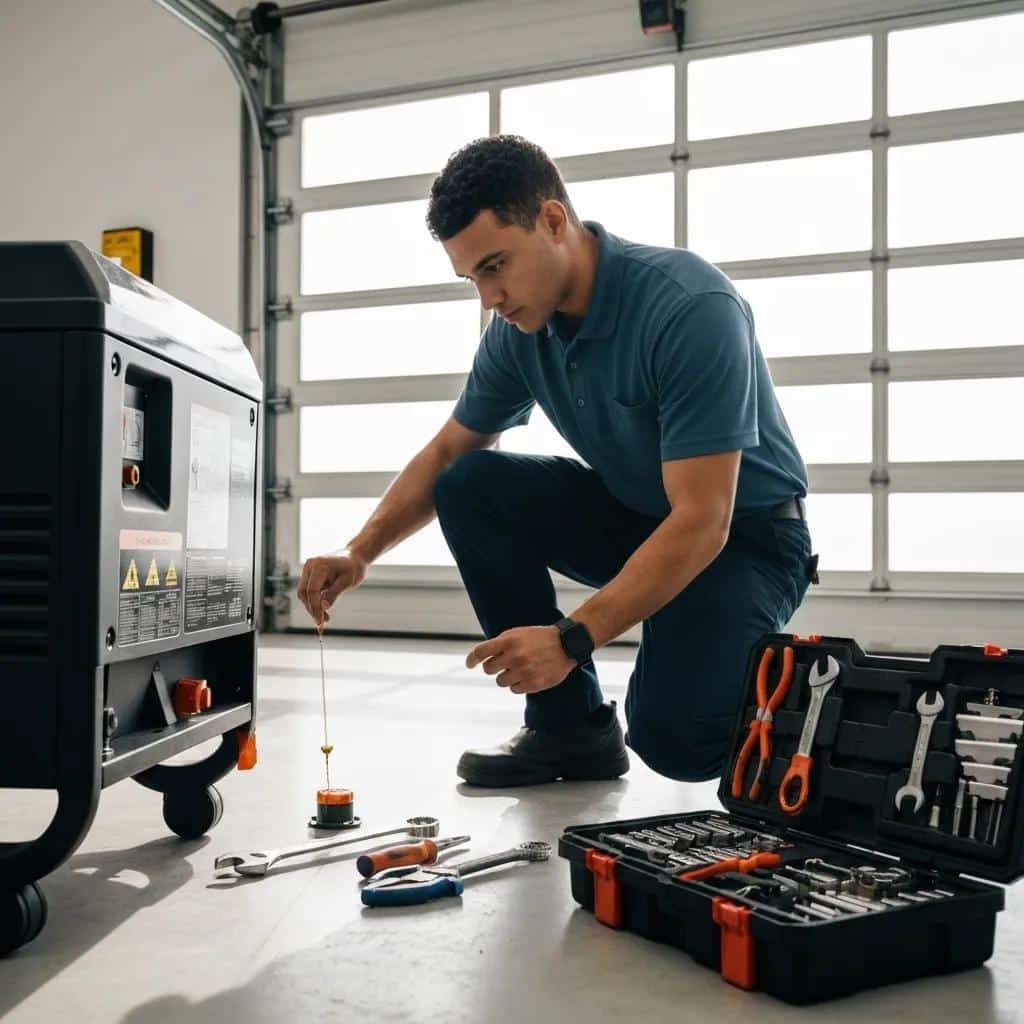
Effective generator servicing involves a series of component-specific tasks that work together to keep your system running in peak condition. Here’s a breakdown of each critical maintenance item and how often it should be addressed, aligning with general industry recommendations and manufacturer guidelines.
| Component | Maintenance Task | Recommended Interval |
|---|---|---|
| Engine Oil | Change oil and replace oil filter | Every 100–200 operating hours or annually |
| Air Filter | Inspect and replace if dirty | Every 200 hours or annually |
| Spark Plugs | Check gap and replace if worn | Every 300 hours or as needed |
| Battery & Terminals | Test voltage, clean any corrosion | Check visually monthly; perform load test annually |
| Fuel System | Inspect lines, drain water, add stabilizer | Every 6 months |
| Coolant System | Check level, pressure-test radiator (if applicable) | Annually for liquid-cooled units |
| Visual Inspection | Clear debris, check enclosure seals | Quarterly |
Properly servicing each component helps maintain engine health, prevents contaminants from affecting ignition or cooling, and preserves the generator’s overall reliability. Understanding these tasks will help you schedule timely services and catch potential issues before they become major problems.
How Often Should You Change Engine Oil and Replace Oil Filters?
Changing your engine oil and filters every 100–200 hours of operation, or at least once a year, removes impurities and metal particles that can damage engine components. Using the oil grade recommended by the manufacturer ensures optimal lubrication, reducing friction and heat for better engine longevity.
When and How Should You Inspect and Replace Air Filters?
Air filters are crucial for preventing dust, pollen, and debris from entering the engine’s combustion chamber. Inspect your air filter every 200 hours or annually, and replace it when airflow is significantly reduced, which can be indicated by pressure gauges or visible clogging. Clean air intake is essential for efficient combustion and reduces wear on engine parts.
Why Are Spark Plug Checks and Replacements Essential?
Spark plugs ignite the fuel-air mixture in the engine. Worn or fouled spark plugs can lead to misfires, poor fuel economy, and difficulty starting. Checking the spark plug gap and electrode condition every 300 hours—and replacing plugs showing corrosion or wear—ensures reliable ignition and stable power output when your generator is under load.
How Do You Maintain Battery Health and Clean Terminals?
A healthy battery is essential for your generator to start automatically. Test your battery voltage monthly, check for any swelling or fluid leaks, and clean the terminals with a wire brush and a baking soda solution to remove corrosion. Maintaining a voltage of 12.6 V or higher and ensuring tight connections will prevent starting failures during emergencies.
What Are Best Practices for Fuel System Inspection and Fuel Quality?
Inspect fuel lines, valves, and tanks every six months for any leaks, cracks, or signs of water contamination. Draining sediment bowls and adding fuel stabilizers helps keep fuel fresh, prevents microbial growth, and ensures consistent fuel delivery to the engine, even in varying temperatures.
How Should You Check Coolant Levels and Inspect the Cooling System?
For generators with liquid cooling, maintain the coolant at the manufacturer’s recommended mixture ratio and test the radiator pressure annually. Inspect hoses, the water pump, and the coolant reservoir for any cracks or signs of overheating. Proper coolant circulation is vital to prevent thermal stress and engine seizure.
What Does a General Visual Inspection and Debris Removal Include?
Clearing away debris, vegetation, and dust from around and inside the generator enclosure prevents restricted airflow and potential fire hazards. Look for any oil or fuel leaks, loose bolts, frayed wiring, or unusual noises during test runs. Regular visual checks help identify potential issues before they affect operation.
How Often Should Whole House Generators Be Serviced?
The ideal service frequency balances how often your generator runs, the environmental conditions it operates in, and the manufacturer’s recommendations to ensure peak reliability and maintain warranty coverage. Here’s a practical schedule that combines annual professional service with usage-based intervals.
- Schedule a professional inspection and full tune-up annually to replace fluids, filters, and other critical components.
- Perform hour-based servicing every 100–200 hours of operation, which typically includes oil and filter changes.
- Conduct quick checks monthly, focusing on battery voltage, fluid levels, and the overall condition of the enclosure.
- Perform a post-outage inspection within 72 hours after the generator has run under load to ensure all systems are functioning correctly.
This structured approach aligns with most generator warranties, helps make maintenance costs predictable, and ensures your generator is ready when you need it most.
What Is the Recommended Annual and Hour-Based Maintenance Schedule?
A comprehensive annual tune-up, combined with oil and filter changes every 100–200 hours of operation, helps prevent component wear and maintains performance to factory specifications. Manufacturers like Generac and Kohler provide both hour-based triggers and calendar intervals to account for generators that are used infrequently.
How Do Manufacturer Guidelines Influence Service Frequency?
Generator manufacturers provide specific maintenance schedules tailored to the engine’s size, fuel type, and cooling system. Following these guidelines is essential for keeping your warranty valid and ensuring parts are replaced according to design specifications.
When Should You Perform Monthly and Post-Outage Inspections?
Monthly checks are designed to monitor battery health, fluid levels, and any visible signs of wear. After your generator automatically transfers power or runs for an extended period, a post-outage inspection is crucial to confirm that the system has returned to standby mode correctly and to identify any potential issues that could cause future problems.
What Are Common Whole House Generator Problems and How Can You Troubleshoot Them?
Even generators that are well-maintained can sometimes experience issues, from failing to start to reduced power output. Following a systematic troubleshooting process can help identify the root cause and guide you toward the correct solution.
- Failure to start: This is often due to a discharged battery, a blocked fuel line, or a faulty starter motor.
- Unexpected shutdown: This can happen if the generator experiences low oil pressure, overheating, or if its automatic overload protection is triggered.
- No power output: Issues like a malfunctioning transfer switch, a tripped circuit breaker, or damage to the stator windings could cause this.
- Overheating warnings: These typically indicate low coolant levels, blocked radiator fins, or problems with the fan belt.
- Error codes: The electronic control module may display codes indicating issues like low oil pressure, overspeed conditions, or sensor faults.
Thorough diagnostics can help restore operation quickly. However, if you encounter persistent issues or are unsure about the cause, it is always recommended to contact a qualified professional like Rewired Iowa.
Why Won’t My Generator Start and How Can I Fix It?
Step 1: Check the Battery. A discharged or sulfated battery is the most common reason for a generator failing to start. Recharging or replacing the battery often resolves this issue. Ensure battery terminals are clean and connections are secure.
Step 2: Verify Fuel Supply. Check that the fuel shut-off valve is open and that there is adequate fuel in the tank. If applicable, ensure the fuel pump is operational.
Step 3: Inspect Electrical Connections. Look for any loose or corroded wiring, especially around the starter solenoid and ignition system.
If these steps do not resolve the issue, it may indicate a more complex problem requiring professional diagnosis.
What Causes Generators to Stop Running Unexpectedly?
Step 1: Check Engine Protection Systems. Low oil pressure or high engine temperature will trigger an automatic shutdown to protect the engine. Check the oil level and coolant status.
Step 2: Inspect Cooling System. Clear any obstructions from the radiator fins and ensure the fan belt is intact and properly tensioned.
Step 3: Reset Safety Switches. Some shutdowns may require resetting a specific safety switch or breaker.
If the generator continues to shut down unexpectedly, a professional inspection is recommended.
How Do You Diagnose No Power Output Issues?
Step 1: Confirm Transfer Switch Engagement. Ensure the automatic transfer switch has correctly engaged to the generator’s power source.
Step 2: Check Circuit Breakers. Verify that the generator’s output circuit breakers are in the closed position.
Step 3: Test Voltage Output. Use a voltmeter at the generator’s output terminals to check for voltage. If the generator is running but not producing power, inspect the stator windings and the connections to the control module.
No power output can stem from complex electrical issues; consult a professional if you are unable to identify the cause.
What Are Signs of Overheating and How Should You Respond?
Step 1: Identify Warning Signs. Warning lights for high coolant temperature, steam coming from the radiator, or hot surface indicators all signal overheating.
Step 2: Safely Shut Down. Immediately remove the load from the generator and stop the engine. Allow it to cool down completely.
Step 3: Inspect Cooling System Components. Before restarting, check the coolant level, hoses, radiator fins, and fan belt for any issues.
Persistent overheating issues warrant professional attention.
How Can You Interpret and Resolve Generator Error Codes?
Step 1: Consult the Manual. Control panels often display alphanumeric codes that correspond to specific sensor failures or safety trip conditions. Consult your generator’s manual for the meaning of each code.
Step 2: Address Indicated Issues. Based on the code, you may need to replace a faulty sensor (e.g., a coolant temperature sensor) or clear a warning indicator (e.g., a low-oil warning).
For complex error codes or if you are uncomfortable performing the necessary repairs, contact a certified technician.
Can Homeowners Perform DIY Whole House Generator Maintenance?
Yes, homeowners can safely handle basic visual inspections, cleaning, and battery checks to keep their generator in standby mode. However, critical tasks like oil changes, filter replacements, and load testing require professional tools and expertise to ensure safety and maintain warranty coverage.
What Basic Visual Inspections and Cleaning Can You Do Yourself?
Homeowners can easily remove debris from vents, check fluid levels (oil, coolant), inspect battery terminals for corrosion, and run manual exercise cycles. These simple tasks help prevent minor issues from becoming bigger problems and keep the generator’s operating environment clean.
When Should You Avoid DIY and Call a Professional?
Avoid attempting DIY repairs if you notice fuel leaks, complex electrical faults, unusual engine vibrations, or if the generator displays error codes that go beyond simple battery or fluid issues. Certified technicians, such as those at Rewired Iowa, have the specialized training, testing equipment, and access to OEM parts needed to handle intricate repairs safely and effectively.
What Tools and Safety Tips Are Needed for DIY Maintenance?
Essential tools for basic maintenance include a socket set, insulated gloves, a voltmeter, and a soft brush for cleaning battery terminals. Always remember to shut off the fuel valve, disconnect the negative battery terminal, wear safety glasses, and refer to your owner’s manual before starting any inspection or maintenance task.
How Much Does Whole House Generator Maintenance Cost in Central Iowa?

Understanding local pricing will help you budget effectively for annual upkeep and avoid unexpected expenses. In Central Iowa, the typical cost for annual generator maintenance ranges from $200 to $600, depending on the scope of service, the generator’s size, and any travel required.
Cost Analysis of Generator Maintenance
The cost of generator maintenance can vary based on factors like the generator’s size, fuel type, and the specific services included. Professional maintenance plans often provide predictable budgeting and can help you avoid unexpected repair costs, ensuring your generator always performs at its best.
| Maintenance Type | Cost Range | Notes |
|---|---|---|
| Basic annual tune-up | $200 – $350 | Includes oil and filter changes, plus a visual inspection |
| Full multi-point inspection | $350 – $500 | Includes coolant testing and a load bank exercise |
| Premium service plan (e.g., Rewired Iowa’s Never Dark™) | $450 – $600 | Includes 24/7 monitoring and priority response |
These annual prices cover labor, parts, and the use of diagnostic equipment. Investing in a comprehensive maintenance plan can reduce long-term repair costs and guarantee timely service when power outages occur.
What Is the Average Cost Range for Annual Generator Maintenance?
In Central Iowa, the average cost for annual generator maintenance is around $274, with most homeowners paying between $200 and $400 for a basic service, and potentially more for comprehensive packages or specialized plans.
Which Factors Affect Maintenance Pricing?
Several factors influence the final cost of generator maintenance, including the generator’s power capacity (kW), its fuel type (natural gas or propane), its cooling method (air-cooled or liquid-cooled), how accessible the unit is, and whether emergency service is included.
What Are the Benefits of Investing in Professional Maintenance Plans?
Professional maintenance plans offer predictable budgeting, the use of genuine OEM parts, detailed diagnostic reports, and ensure compliance with warranty requirements. Higher-tier plans, like Rewired Iowa’s Never Dark™ option, also include proactive monitoring and priority service dispatch, significantly minimizing downtime during critical power outages.
What Does Rewired Iowa’s Never Dark™ Generator Maintenance Plan Include?
Rewired Iowa’s Never Dark™ Plan combines proactive preventive care with real-time monitoring to provide comprehensive protection against power outages for your home or business. This service ensures your generator is always ready to perform, no matter the circumstances.
How Does 24/7 Monitoring Protect Your Generator?
Integrated remote sensors continuously monitor key parameters like battery voltage, oil pressure, coolant temperature, and system faults around the clock. If any of these readings fall outside safe operating ranges, immediate alerts are sent, allowing Rewired Iowa’s technicians to dispatch promptly and prevent minor issues from becoming major failures.
What Are the Annual Service and Priority Response Features?
The Never Dark™ plan includes a complete annual tune-up, covering oil and filter changes, spark plug replacement, coolant service, and load-bank testing. Additionally, it guarantees same-day response for any emergency repairs, ensuring your generator is back online with minimal downtime.
Why Choose Rewired Iowa’s Licensed Technicians for Your Generator Needs?
Rewired Iowa’s team consists of licensed electricians with an average of 17 years of local experience, ensuring all maintenance is performed safely and in compliance with codes. With an A+ rating from the BBB, over 270 five-star reviews, and a strong commitment to customer satisfaction, they offer unparalleled reliability and build trust within the Central Iowa community.
What Are Frequently Asked Questions About Whole House Generator Maintenance?
Here are straightforward answers to common questions to help you make informed decisions about your generator’s maintenance strategy.
How Often Should a Whole House Generator Be Serviced?
Whole house generators should receive professional servicing at least once a year or every 100–200 hours of operation, whichever comes first, to maintain reliability and ensure warranty coverage, as recommended by most manufacturers.
What Maintenance Tasks Are Included in a Typical Service?
A standard service typically includes changing the engine oil and filters, replacing the air filter, inspecting spark plugs, checking the battery’s health, testing the fuel system, verifying coolant levels, and performing a general visual inspection.
Can I Perform Maintenance Myself or Should I Hire a Professional?
Homeowners can safely handle basic inspections, cleaning, and battery checks. However, tasks such as oil changes, load testing, electrical troubleshooting, or resolving error codes should always be performed by certified professionals like those at Rewired Iowa.
How Much Does Maintenance Usually Cost?
Annual generator maintenance in Central Iowa typically costs around $274, with basic tune-ups ranging from $200 to $350 and more comprehensive inspections costing between $500 and $600. Specialized plans like Rewired Iowa’s Never Dark™ offer additional benefits for a potentially higher price point.
What Are the Signs That My Generator Needs Repair?
Watch out for difficulty starting, frequent shutdowns, unusual noises or vibrations, error codes displayed on the control panel, warnings for low oil or coolant levels, and a loss of power output when under load. If you notice any of these signs, it’s time to schedule a professional inspection.
Keeping your whole house generator in top condition through regular inspections, component-level servicing, and professional support helps prevent unexpected failures, reduces energy costs, and maximizes your equipment’s lifespan. By following these maintenance tips and considering Rewired Iowa’s Never Dark™ Plan, homeowners and businesses in Central Iowa can enjoy peace of mind, uninterrupted power, and expert backup support whenever it’s needed.

John Senn is a licensed Master Electrician based in Des Moines, Iowa with over 20 years of hands‑on experience serving homes and businesses across the state. He specializes in electrical panel upgrades, whole‑home generator installations, EV charger setups, and 24‑hour emergency service. As the owner of a growing team of certified electricians, John has built a reputation for safe, code‑compliant work and practical solutions that keep Iowa families and businesses powered up. His deep knowledge of Iowa’s electrical codes and his commitment to ongoing training make him a trusted voice in the trade and a go‑to expert for reliable electrical work in Des Moines and beyond.