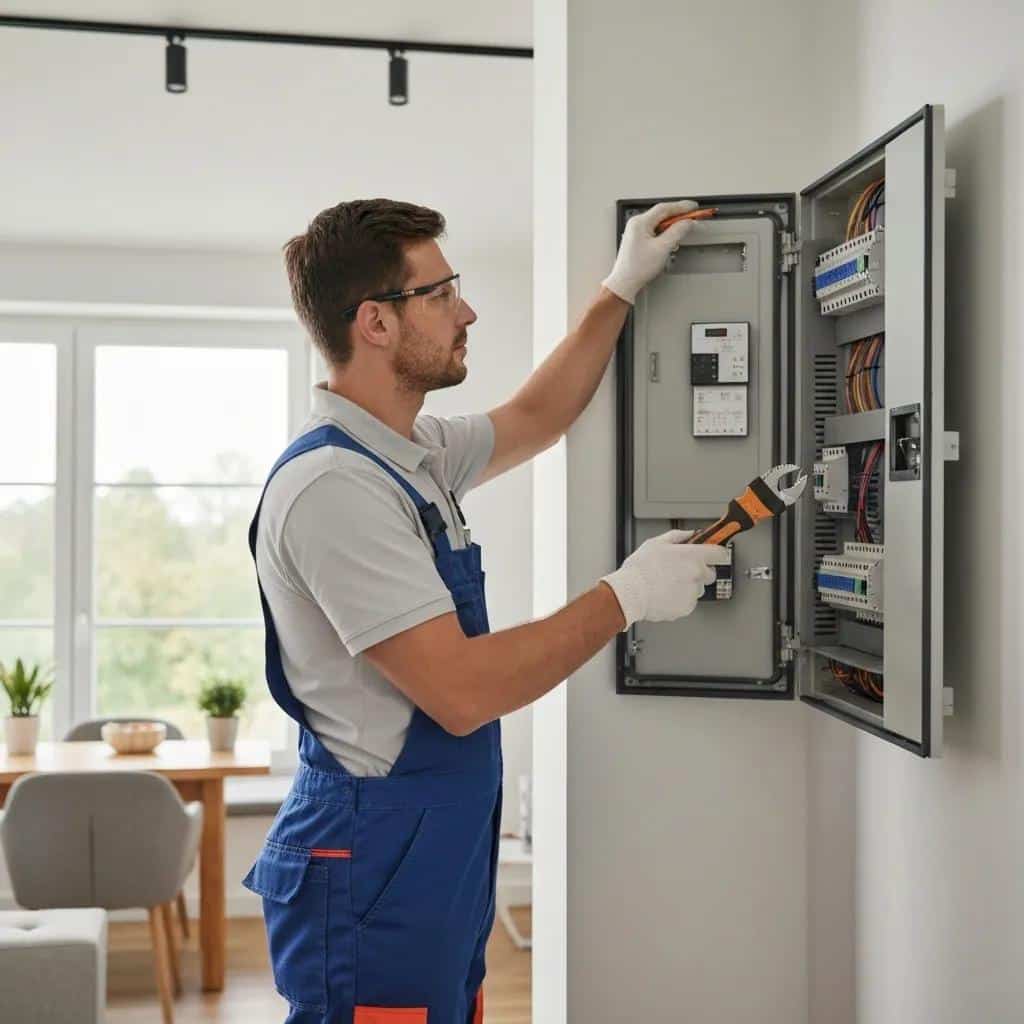
Key Benefits of Home Electrical Safety Inspections
Electrical safety inspections are vital for homeowners because they proactively identify hidden hazards that lead to an estimated 51,000 home electrical fires and hundreds of injuries each year. Understanding the importance of electrical safety inspections empowers you to prevent fires, avoid shocks, ensure code compliance, and enhance energy efficiency. In this guide, you will discover what an electrical safety inspection entails and why it matters, learn the top benefits for family safety and property value, explore common hazards and timing triggers, see exactly what to expect during a professional evaluation, review cost factors, find criteria for choosing a qualified electrician, and gain practical fire-prevention tips. Rewired Iowa is your trusted partner for ensuring your Ankeny home’s electrical system is safe, efficient, and up to code.
Home Electrical Fires and Injuries
Electrical safety inspections are crucial for identifying hazards that contribute to home electrical fires and injuries. These inspections help prevent an estimated 51,000 home electrical fires and hundreds of injuries annually, according to the National Fire Protection Association (NFPA).
What Is an Electrical Safety Inspection and Why Is It Important?
An electrical safety inspection is a comprehensive assessment of a home’s wiring, panels, outlets, and protective devices to identify hazards, enforce National Electrical Code (NEC) standards, and improve overall safety and efficiency. Rewired Iowa’s licensed electricians perform these detailed evaluations to ensure your home meets all safety requirements.
National Electrical Code and Safety
Electrical safety inspections are essential for ensuring compliance with the National Electrical Code (NEC) and local regulations, including specific amendments in Ankeny. These inspections involve a comprehensive assessment of a home’s wiring, panels, outlets, and protective devices to identify hazards and improve overall safety and efficiency.
By systematically testing circuits and verifying component integrity, Rewired Iowa’s inspections prevent fires, shocks, and unexpected outages. Adequate inspections also extend system lifespan and support insurance compliance, making them an essential component of responsible homeownership.
What Does a Home Electrical Safety Inspection Include?
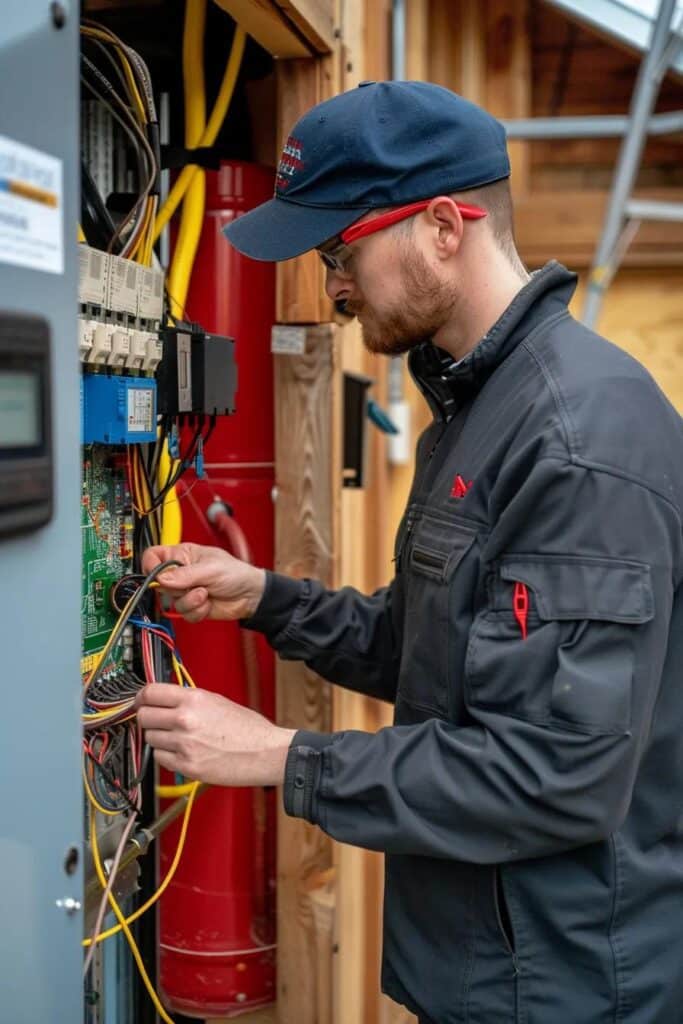
A typical residential electrical safety inspection performed by Rewired Iowa combines visual checks, functional tests, and thorough documentation to confirm system health:
- A thorough panel review to verify breaker labeling, bus bar condition, and proper clearances, including precise torque checks on connections.
- Circuit testing to detect open grounds, reverse polarity, and leakage currents, utilizing advanced diagnostic tools.
- Outlet and switch examination for tight connections, insulation integrity, and secure mounting.
- Protective-device verification, including Ground Fault Circuit Interrupters (GFCIs) and Arc-Fault Circuit Interrupters (AFCIs).
- Load analysis to ensure circuits are balanced and free from overload stress, often employing infrared scanning to detect hot spots.
These procedures collectively eliminate latent risks and prepare you for compliance upgrades where needed, all documented for your records.
Who Performs Electrical Safety Inspections and What Qualifications Should They Have?
A licensed electrician with specialized inspection credentials performs residential electrical safety inspections to evaluate code compliance and system safety. Rewired Iowa electricians are not only licensed but also OSHA-trained and possess decades of combined experience in electrical inspections. Key qualifications include:
- Iowa state-issued electrician licenses confirming legal authorization.
- Certification in residential electrical inspection and continuing education in current NEC editions and local Ankeny amendments.
- General liability and workers’ compensation insurance to cover on-site risks, ensuring homeowner protection.
- Demonstrated experience in troubleshooting wiring faults and implementing NEC requirements.
Choosing a professional with these credentials ensures a thorough, reliable inspection that meets regulatory standards.
How Often Should Homeowners Schedule Electrical Safety Inspections?
Homeowners should schedule electrical safety inspections every 3–5 years for homes under 25 years old and every 2–3 years for properties built more than 25 years ago. Rewired Iowa recommends annual inspections and maintenance plans for long-term safety and optimal performance. Regular intervals allow our electricians to detect wear, replace aging components, and integrate code updates. This proactive cadence maintains system reliability and supports long-term home value.
What Are the Top Benefits of Regular Electrical Inspections for Your Home?
Regular electrical inspections deliver a spectrum of advantages, including fire prevention, shock risk reduction, code compliance assurance, energy savings, property-value preservation, and homeowner confidence. Rewired Iowa inspections help Ankeny homeowners prevent fires, reduce utility waste, and preserve home value. By combining detailed analysis with corrective recommendations, inspections promote safer, more efficient electrical systems.
How Do Electrical Inspections Prevent Electrical Fires and Protect Your Family?
By detecting faulty wiring, overloaded circuits, and loose connections through targeted testing and infrared scanning, Rewired Iowa’s inspections eliminate ignition sources that cause most residential electrical fires. Early identification of hot spots and degraded insulation helps families avoid catastrophic losses and maintain a safe living environment.
In What Ways Do Inspections Reduce Electrical Shock and Injury Risks?
Inspections verify grounding paths, test GFCIs in wet areas, and confirm proper bonding to prevent dangerous current leaks. These measures ensure that protective devices respond instantly to imbalances, minimizing the potential for electric shock injuries and safeguarding all occupants.
How Do Inspections Ensure Compliance with the National Electrical Code and Local Regulations?
During an inspection, Rewired Iowa electricians cross-reference every panel, circuit, and device against the current National Electrical Code and local Ankeny building standards. Corrections to outdated wiring, missing protection, or unauthorized modifications avoid penalties, reduce liability, and keep your system legally sound.
Can Electrical Inspections Improve Energy Efficiency and Lower Utility Bills?
Inspections uncover energy-wasting faults—such as loose connections, unbalanced loads, and aging components—that increase resistive losses. Rewired Iowa’s inspections identify these issues, optimizing electricity flow, enhancing appliance performance, and helping to lower monthly utility expenses by reducing energy waste.
How Do Inspections Help Preserve Property Value and Meet Insurance Requirements?
Certified electrical safety inspections performed by Rewired Iowa produce documented proof of system integrity and code compliance. This documentation can be used for insurance purposes, resale transactions, and permitting. Meeting these standards can boost resale value and qualify homeowners for reduced insurance premiums.
Why Does an Electrical Safety Inspection Provide Peace of Mind for Homeowners?
Knowing that a qualified professional from Rewired Iowa has verified every circuit, outlet, and panel delivers confidence in your home’s electrical integrity. This assurance lets you focus on daily life rather than worrying about hidden hazards or unexpected failures.
What Are Common Home Electrical Safety Hazards Identified During Inspections?
Inspections routinely reveal a handful of recurring hazards—faulty wiring, overloaded circuits, outdated panels, improper grounding, and the absence of modern protective devices—that elevate fire and shock risks. Understanding these dangers helps homeowners prioritize corrective action.
What Are the Risks of Faulty Wiring, Overloaded Circuits, and Outdated Electrical Systems?
Faulty wiring, overloaded circuits, and outdated systems foster heat buildup, arcing faults, and insulation breakdown that can lead to fires, shocks, or equipment damage.
| Hazard | Risk | Consequence |
|---|---|---|
| Faulty Wiring | Arcing and heat buildup | Electrical fire and property loss |
| Overloaded Circuit | Excess current flow | Tripped breakers and outages |
| Outdated Electrical | Lack of proper grounding and fuses | Shock hazard and code violations |
Identifying these core hazards sets the stage for understanding how advanced safety devices like GFCIs and AFCIs further mitigate risks.
How Do Ground Fault Circuit Interrupters (GFCIs) and Arc-Fault Circuit Interrupters (AFCIs) Enhance Safety?
GFCIs and AFCIs continuously monitor current flow and internal arcs, instantly tripping to stop dangerous conditions:
- GFCIs cut power when they detect ground-fault currents in kitchens, bathrooms, and outdoor outlets.
- AFCIs interrupt circuits at the first sign of arcing faults in bedrooms and living spaces.
- Both devices improve overall system resilience by reducing shock and ignition scenarios.
Layering these protective components ensures comprehensive defense against electrical hazards.
What Signs Indicate Potential Electrical Problems in Your Home?
Early warning signs of electrical issues include flickering lights, buzzing outlets, warm faceplates, frequent breaker trips, and burning odors. Noticing these symptoms promptly and scheduling an inspection with Rewired Iowa can prevent escalation into major failures.
When Should You Schedule an Electrical Safety Inspection for Your Home?
Inspections should align with key life events, property conditions, and routine maintenance schedules to capture emerging hazards before they cause damage or endanger occupants.
Why Is an Inspection Crucial Before Buying or Selling a Home?
A pre-purchase or pre-sale inspection uncovers hidden defects, clarifies repair responsibilities, and supports accurate disclosures under real estate regulations. Buyers gain negotiation leverage and sellers demonstrate transparency, promoting smoother transactions. Rewired Iowa provides detailed reports that are invaluable for these processes.
How Do Home Age and Renovations Affect Inspection Frequency?
Homes older than 25 years or those with significant renovations often contain mismatched wiring standards and DIY modifications, making more frequent inspections essential. New additions and remodels can introduce unverified circuits that require professional validation by Rewired Iowa.
What Are the Warning Signs That Indicate Immediate Inspection Is Needed?
Signs demanding urgent inspection include burning smells, arcing sparks, visible wire damage, frequent breaker trips, and hot outlets. These red flags signal active hazards that must be addressed without delay by licensed electricians like Rewired Iowa.
What Is the Recommended Routine Maintenance Schedule for Electrical Inspections?
For most residences, a comprehensive inspection every three to five years maintains safety and efficiency. Properties over 25 years old benefit from checks every two to three years to address age-related wear and evolving code requirements. Rewired Iowa recommends annual inspections for optimal long-term safety.
What Can Homeowners Expect During a Professional Electrical Safety Inspection?
A professional inspection follows a clear sequence—panel evaluation, wiring assessment, device testing, and reporting—to ensure every aspect of the electrical system meets safety standards.
What Are the Key Steps in Inspecting Electrical Panels, Wiring, and Outlets?
A Rewired Iowa electrician will:
- Examine Panel Components for correct breaker labeling, bus bar condition, and secure connections, including torque checks.
- Assess Wiring Integrity by checking insulation, routing, and proper staple usage.
- Test Outlets and Switches for voltage accuracy, grounding, and tight contacts.
- Check Circuit Loads to verify balance and identify overloaded branches, using infrared scanning where appropriate.
These systematic steps reveal faults and guide remediation.
How Are Safety Devices Like GFCIs and AFCIs Tested?
GFCIs and AFCIs undergo simulated fault tests:
- Using built-in “Test/Reset” buttons to trigger trip mechanisms.
- Employing specialized meters to induce ground-fault or arc conditions.
- Confirming rapid response within code-mandated timeframes.
Successful trips validate device functionality and protective performance.
What Does the Final Inspection Report Include and How Should Homeowners Use It?
The inspection report, provided by Rewired Iowa, outlines detected hazards, code violations, recommended repairs, and preventive maintenance tips. Homeowners can use this document to prioritize upgrades, schedule professional repairs, and track system improvements over time. This documentation is also useful for insurance purposes, resale transactions, and permitting.
How Much Does a Residential Electrical Safety Inspection Cost and What Factors Influence Pricing?
Inspection pricing varies with home size, age, inspection depth, and regional labor rates, but Rewired Iowa provides transparent, itemized estimates with no hidden fees, ensuring you know exactly what to expect.
What Is the Typical Price Range for Home Electrical Inspections?
Most inspections cost between $75 and $500, reflecting variations in scope, property size, and equipment used. Rewired Iowa’s pricing is competitive and reflects the thoroughness of our service.
| Home Attribute | Typical Inspection Cost | Impact on Pricing |
|---|---|---|
| Up to 1,500 sq ft | $75–$150 | Basic circuit count and panel complexity |
| 1,500–3,000 sq ft | $150–$300 | Additional branch circuits and equipment checks |
| Over 3,000 sq ft | $300–$500 | Extensive systems and supplementary testing |
These ranges illustrate how home size influences inspection pricing, and phase into factors such as age and inspection type that further affect cost.
How Do Home Size, Age, and Inspection Type Affect the Cost?
Beyond square footage, the following factors adjust pricing:
- Home Age: Older systems often require more testing and troubleshooting.
- Inspection Type: Infrared scanning or thermal imaging adds equipment fees.
- Accessibility: Difficult-to-reach panels or concealed wiring may incur labor surcharges.
Understanding these influences helps homeowners budget accurately.
Are There Additional Costs for Repairs or Follow-Up Inspections?
Follow-up visits and corrective repairs—such as wiring replacement, device installation, or panel upgrades—are billed separately, typically at hourly electrician rates or flat service fees. Factoring these potential expenses ensures you plan for comprehensive safety improvements.
How Do You Choose a Qualified Electrician for Your Home Electrical Safety Inspection?
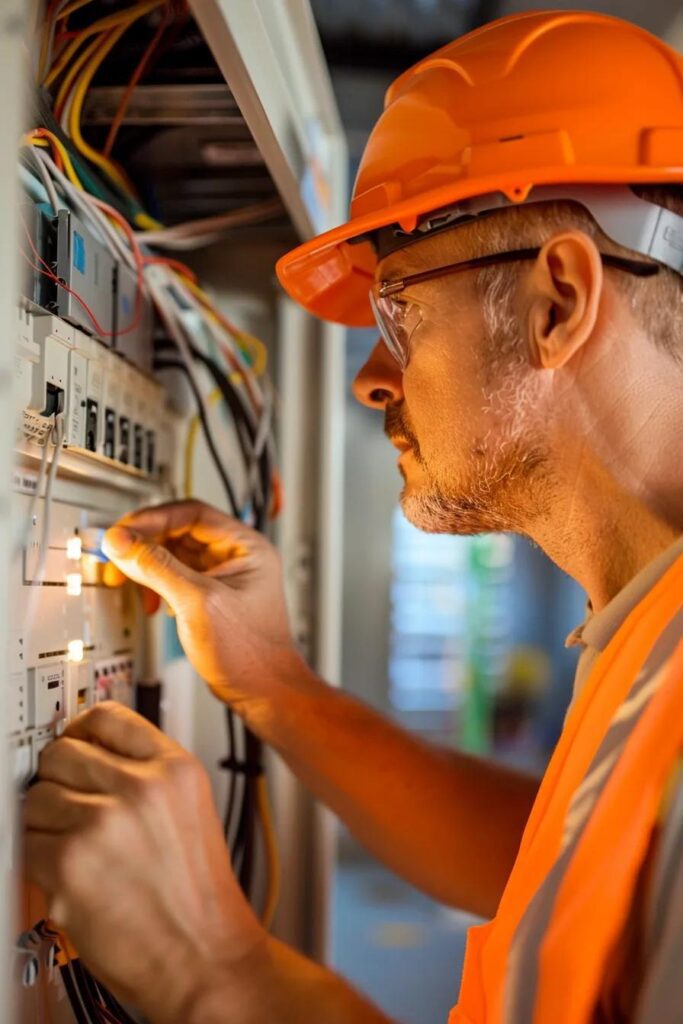
Selecting the right professional guarantees a thorough inspection and reliable recommendations. Rewired Iowa is your premier choice for expert electrical inspections.
What Credentials and Licensing Should a Professional Electrician Have?
A qualified electrician holds:
- Iowa state licenses authorizing residential inspections.
- Certification in current National Electrical Code editions and local Ankeny amendments.
- Continuing education credentials to maintain up-to-date knowledge.
These credentials confirm both legal compliance and technical expertise.
Why Is Experience and Insurance Important When Selecting an Electrician?
Rewired Iowa electricians bring refined troubleshooting skills honed over decades of combined experience. Our liability and workers’ compensation insurance protect homeowners from costs related to accidental damage or on-site injuries. Together, they provide risk mitigation and professional accountability.
How Can Homeowners Verify Electrician Reputation and References?
Homeowners confirm reputation by:
- Reviewing verified online ratings from past clients.
- Checking memberships in trade associations or professional networks.
- Requesting references that demonstrate consistent inspection quality.
These steps build trust and ensure a reliable service experience.
What Are Practical Electrical Fire Prevention Tips for Homeowners?
Combining regular inspections with proactive maintenance practices creates robust protection against electrical fires.
How Can Regular Inspections Help Identify and Fix Fire Hazards?
Inspections performed by Rewired Iowa detect loose connections, overloaded circuits, and damaged insulation early, enabling our electricians to tighten terminals, redistribute loads, and replace unsafe components before they ignite.
What Maintenance Practices Reduce Electrical Fire Risks?
Routine maintenance practices include:
- Tightening panel and outlet connections to prevent arcing.
- Replacing frayed or damaged cords on appliances and power strips.
- Clearing debris and ensuring proper ventilation around breaker panels.
Consistent attention to these tasks supports system integrity and lowers fire potential. Rewired Iowa also offers annual inspection and maintenance plans for long-term safety.
How Do Smoke Detectors and Electrical Safety Devices Work Together to Protect Your Home?
Smoke detectors provide rapid fire alerts, while GFCIs and AFCIs cut power at the first signs of ground faults or arcs. This layered defense ensures ignition sources are prevented and occupants receive early warning if a fire does occur.
Regular electrical safety inspections performed by Rewired Iowa identify and correct hidden hazards, ensuring your home remains safe, compliant, and efficient. By understanding what inspections include, when to schedule them, how much they cost, and how to choose the right electrician, you can protect your family and property. Combining inspections with proactive maintenance and modern safety devices like GFCIs, AFCIs, and smoke detectors creates a comprehensive fire-prevention strategy. Investing in professional electrical safety inspections from Rewired Iowa delivers peace of mind, preserves your home’s value, and reinforces the well-being of everyone under your roof.

John Senn is a licensed Master Electrician based in Des Moines, Iowa with over 20 years of hands‑on experience serving homes and businesses across the state. He specializes in electrical panel upgrades, whole‑home generator installations, EV charger setups, and 24‑hour emergency service. As the owner of a growing team of certified electricians, John has built a reputation for safe, code‑compliant work and practical solutions that keep Iowa families and businesses powered up. His deep knowledge of Iowa’s electrical codes and his commitment to ongoing training make him a trusted voice in the trade and a go‑to expert for reliable electrical work in Des Moines and beyond.