
Surge Protector Installation: Protect Your Home from Power Spikes
A surge protector diverts or clamps extra voltage during short power spikes to keep appliances, electronics, and wiring safe. This guide explains how surge protection works, why whole-home solutions matter, and how to match device type, joule rating, and clamping voltage to the risks you actually face. Whether you’re a homeowner or small-business owner in Des Moines or Central Iowa, you’ll learn how internal events (motor starts, HVAC cycling) and external events (utility switching, lightning) create surges, how different SPDs perform, and which installation locations make the biggest difference. We walk through practical choices—from Type 1/2/3 SPDs to warranty and inspection basics—so you can make informed decisions for our area. We’ll also cover expected costs, routine maintenance, and what to expect when a licensed electrician installs whole-house protection.
What a Surge Protector Does and Why It Matters for Your Home or Business
Simply put, a surge protector senses overvoltage and redirects or absorbs the excess energy so downstream equipment doesn’t absorb the hit. Most units use MOVs (metal oxide varistors) to clamp voltage and route surplus current to ground. That reduces the chance of immediate component failure and cuts long-term wear on electronics. For homes and small businesses, effective surge protection lowers repair bills, prevents data loss, and reduces the fire risk from transient spikes. Once you understand how SPDs work, it’s easier to decide between point-of-use devices and whole-house solutions for thorough protection.
What Causes Electrical Surges and How They Damage Your Gear
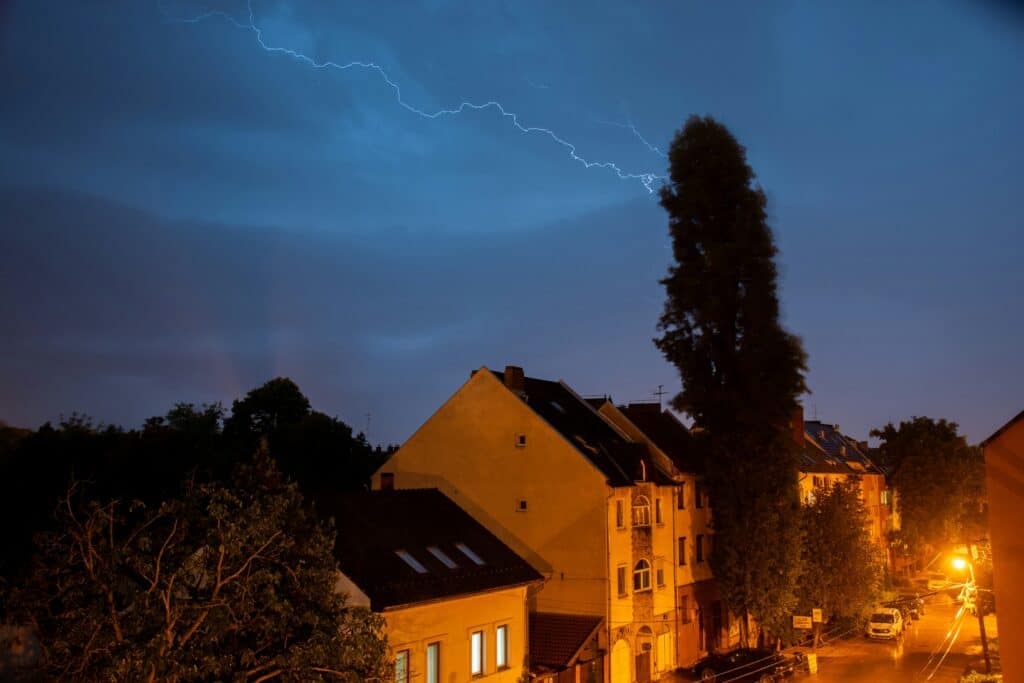
Surges originate from outside sources—lightning strikes and utility switching—or from inside your property, like HVAC compressors, well pumps, and other motor-driven equipment. External surges at the service entrance can carry a lot more energy; internal surges are usually smaller but occur more often and add up. Equipment can fail instantly, suffer shortened life from dielectric stress, or show intermittent faults and data corruption that are difficult to trace. Knowing these causes makes it clear why a coordinated approach—service-entrance protection combined with point-of-use devices—often provides the best long-term defense.
Whole-house surge arresters: the first line of defense
Installing a whole-house surge arrester at the service entrance helps prevent downstream protectors from being overwhelmed by high-energy events.
How a Surge Protector Protects Your Electronics and Appliances
Surge protectors clamp voltage to a safer level and absorb surge energy so sensitive components aren’t exposed to damaging peaks. MOVs change resistance under high voltage and shunt energy to ground. The two specs that most affect real-world performance are response/clamping voltage (how early the device acts) and joule rating (how much cumulative energy it can absorb before degrading). No single device blocks every surge, so layering—whole-house SPDs paired with point-of-use protection—handles large external events and the frequent internal transients that shorten equipment life.
Which Types of Surge Protectors Are Available and Which Is Right for Your Iowa Home?
SPDs are classified by where they’re installed and how much exposure they face: Type 1 units mount at the service entrance and handle direct lightning or utility paths; Type 2 units install at the electrical panel to protect branch circuits; and Type 3 devices protect at the outlet or on cords. Choose based on your panel layout, the sensitivity and value of gear you want to protect, and local factors like storm frequency. The table below summarizes typical locations, cost ranges, and protection scope so you can compare quickly.
The three primary SPD types and typical uses:
- Type 1 (Service Entrance): Mounted before the main breaker to intercept high-energy external events and direct lightning paths.
- Type 2 (Panel-mounted): Placed in the distribution panel to protect multiple branch circuits and coordinate with upstream devices.
- Type 3 (Point-of-Use): Located at receptacles or on cords for individual electronics and final-stage clamping, protecting a specific outlet.
This classification helps homeowners balance cost, coverage, and complexity; the quick-reference table that follows makes comparisons easier.
| SPD Type | Where it’s Installed | Typical Cost Range | What it Protects |
|---|---|---|---|
| Type 1 | Service entrance / meter side | $200 – $600 | High-energy external protection for the entire service |
| Type 2 | Electrical panel (main or sub-panel) | $100 – $400 | Whole-home coordination and branch-circuit defense |
| Type 3 | Receptacle or power strip level | $20 – $150 | Point-of-use protection for individual electronics and final-stage clamping at the outlet |
The table shows how installation point affects coverage and cost; the next section explains why proximity to the service entrance or to an appliance matters for performance.
How Type 1, Type 2, and Type 3 SPDs Differ
The main difference is location and the energy each type is designed to handle. Type 1 units sit at, or before, the service disconnect to catch large external events. Type 2 units mount in the panel to protect branch circuits and work with upstream devices. Type 3 devices live at the outlet for final-stage protection of sensitive electronics. A common approach is to install a Type 2 at the panel for general whole-home protection, then add Type 3 point-of-use devices for high-value gear or a home office.
Why Installation Location Changes SPD Performance
Location matters because conductor length and coordination affect the residual voltage your equipment sees. The closer an SPD is to the service entrance, the more it intercepts large external surges before they travel through the system. Panel-mounted SPDs reduce surge energy across circuits; point-of-use devices handle what’s left and protect downstream equipment. Proper bonding, grounding, and short conductor routing are essential for an SPD to perform as intended. That’s why assessing panel access and the equipment you want to protect helps decide whether a panel-mounted SPD with outlet-level protection or a service-entrance device is the best investment.
How Joule Ratings and Clamping Voltage Affect Protection
Joule rating indicates how much energy a surge protector can absorb over time before components degrade. Clamping voltage is the threshold at which the device begins diverting excess energy. In practice, higher joules mean more cumulative protection and lower clamping voltage means earlier intervention for sensitive electronics. Response time and UL listings are also useful quality indicators. The table below compares common setups so you can match specs to your home or business needs.
| Model / Type | Joule Rating | Clamping Voltage | Recommended Use |
|---|---|---|---|
| Basic point-of-use strip | 200 – 600 J | 400 – 600 V | Lamps, chargers, low-value electronics |
| Mid-range panel-mounted SPD | 600 – 2,000 J | 330 – 400 V | Whole-home circuits, appliances, AV systems |
| High-capacity service SPD | 2,000+ J | 220 – 350 V | High-value systems and whole-house surge defense |
In short: higher joules and lower clamp voltages offer better protection for sensitive gear. Below we give baseline ranges for most households and for higher-value installations.
What Joule Rating Should You Choose?
For most homes, point-of-use protectors in the 600–1,000 J range provide solid protection for TVs, computers, and common appliances. A panel-mounted SPD around 1,000–2,000 J delivers broader whole-house defense. If you have high-value systems—home theaters, servers, or critical smart-home hubs—consider 2,000 J or higher combined with low clamping voltage and correct grounding. Remember larger ratings cost more and offer diminishing returns; match the protection level to equipment value and local surge exposure.
How Important Is Clamping Voltage and What Should You Aim For?
Clamping voltage is the level at which an SPD starts diverting surge energy. Lower clamp voltages reduce peak stress on electronics and lower the chance of marginal damage. For residential setups, aim for panel-mounted SPDs with clamp values near 330–400 V; point-of-use strips are often higher. A device that clamps at 330 V will begin protecting earlier than one that clamps at 400 V, which helps preserve sensitive electronics. Always check UL listings and manufacturer specs when selecting SPDs.
Why Hire a Pro for Whole-House Surge Protector Installation in Des Moines?

Professional installation ensures surge protection is sized correctly, properly bonded, and coordinated with your panel and grounding system for reliable coverage and safety. Licensed electricians confirm panel capacity, use the right conductor sizes, and coordinate multiple SPDs—steps that protect warranties and satisfy code. For Des Moines homeowners, local weather and grid behavior make whole-house protection especially valuable. A licensed installer also provides the documentation many manufacturers and insurers require.
Rewired Iowa Electrician Des Moines provides local surge protection installation with a family-operated approach, 24/7 availability, and a five-year workmanship guarantee. We focus on clear, up-front pricing and real customer satisfaction—5-star reviews from 400+ customers—so homeowners can count on licensed, coordinated whole-house protection and local service after installation.
How Professional Installation Protects Your Warranty and Performance
Manufacturers and insurers often require licensed installation because correct grounding, bonding, and breaker coordination affect how an SPD performs under stress. A licensed installer ensures mounting, conductor lengths, and connection torque meet the device specifications, which preserves performance and reduces premature MOV wear or nuisance failures. Professional installation also provides documentation and usually a workmanship guarantee, giving you recourse if problems arise.
Local Factors That Make Surge Protection Important in Central Iowa
Central Iowa experiences seasonal storms and lightning that increase the chance of externally induced surges. Many homes here also use well pumps and HVAC systems that create frequent internal transients. Rural service runs, grounding conditions, and local grid layout can change surge behavior, making coordinated whole-home protection more valuable than relying only on power strips. Combining a panel-mounted SPD with targeted outlet protection reduces cumulative risk from both lightning and everyday switching events common in our area.
How Much Does Whole-House Surge Protector Installation Cost in Des Moines?
Cost depends on the unit, labor, and any panel upgrades or permits required. In the Des Moines area, a mid-range Type 2 panel SPD plus standard installation labor forms the typical budget. Expect the panel-mounted unit and labor to be the main expenses; older panels or required upgrades raise the total. The table below breaks down common cost items and local ranges so you can budget before requesting a quote.
| Cost Component | Typical Range |
|---|---|
| Unit (Type 2 panel SPD) | $100 – $400 |
| Labor (installation) | $150 – $500 |
| Panel upgrade (if required) | $300 – $1,200 |
| Permit / inspection | $50 – $200 |
Unit cost and labor form the baseline; panel upgrades and permits are the biggest variables. The sections below explain typical labor time and which factors can change the price.
Typical Installation Time and Labor Costs
Installing a standard panel-mounted SPD typically takes about 1–3 hours when no panel upgrades are needed. Local labor rates and travel affect the final price. In many Des Moines jobs, labor plus a basic unit places the total in the low to mid hundreds; older panels or service-entrance installs increase time and expense. Expect a licensed electrician to inspect your panel first, provide an upfront estimate, and advise on any required permits.
What Drives the Final Price?
Price drivers include panel age and condition, main breaker amperage, ease of access, the need for additional grounding or bonding, and whether permits are required. Homes with multiple sub-panels, older service equipment, or unusual grounding setups take more time and materials. Travel time and off-hours service also add cost. A pre-installation inspection helps avoid surprises and identifies upgrades that make sense relative to your equipment’s value.
Common Questions About Choosing and Maintaining Surge Protectors
Homeowners often ask about lifespan, when to replace an SPD, and whether a power strip is sufficient. Short, practical answers help prioritize investments and maintenance. Regular inspections and checks after major storms keep protection effective, and knowing the difference between outlet strips and whole-house SPDs clarifies the right layered approach. The list below answers core homeowner concerns and points to replacement and upkeep steps.
Quick answers to typical surge protection questions:
- How long do whole-house SPDs last? Lifespans vary, but many units last several years. Internal components wear faster with repeated surge exposure.
- When should I replace a surge protector? Replace after a major surge, if indicator lights show failure, or when the device reaches its rated energy-absorption limit.
- Can a power strip replace whole-house protection? No. Power strips have limited joule ratings and don’t stop large external surges at the service entrance. A dedicated surge protector is essential.
These quick answers point the way; the following sections expand on lifespan and the power strip versus surge protector difference.
How Long Do Whole-House Surge Protectors Last and When to Replace Them
Whole-house SPDs can last many years, but internal components degrade each time they absorb energy. Many units include indicator lights or diagnostics that signal end-of-life. Replace your SPD after a major surge event, if indicators show failure, or per the manufacturer’s guidance once rated joule capacity is reached. Periodic checks during routine electrical maintenance help catch grounding or bonding issues that reduce SPD effectiveness. Consider an electrician inspection after storms or if you notice electrical oddities.
Surge Protector vs. Power Strip: What's the Difference?
Surge protectors are designed to clamp transient overvoltages and typically include MOVs, a joule rating, and UL TVSS or SPD listings. Basic power strips add outlets but often lack a verified joule rating or robust surge components. For high-value electronics, a layered approach—panel-mounted SPD plus quality point-of-use protectors—is better than relying on strips alone. The right combination reduces cumulative stress on equipment and extends useful life.
Frequently Asked Questions
What are the signs that a surge protector needs to be replaced?
Common signs include indicator lights going out, visible damage, or a sudden rise in electrical issues. If a device has absorbed many surges or reached its joule limit, it may no longer protect effectively. After a strong storm or noticeable electrical event, have the unit inspected or replaced.
Can surge protectors be used outdoors?
Yes—if the unit is rated for outdoor use. Outdoor protectors are built to handle moisture, temperature swings, and UV exposure and come in weatherproof enclosures. Don’t use an indoor model outside; follow the manufacturer’s installation specifications.
How can I test if my surge protector is still functioning?
Check indicator lights first—many models show protection status. Plug in a known-working device to confirm power delivery. For a complete check, a qualified electrician can measure voltages and verify the SPD is clamping correctly. When in doubt, call a licensed pro.
Are there maintenance tips for surge protectors?
Inspect protectors periodically for frayed cords, loose connections, or damaged housings. Check units after major storms and replace them if indicators show a problem. Replacing protectors every few years is often prudent because internal components age even without obvious signs of failure.
What is the difference between a surge protector and a UPS (Uninterruptible Power Supply)?
A surge protector blocks voltage spikes. A UPS does that and also supplies backup battery power during outages. If you need time to save work or keep critical systems running, choose a UPS. For spike protection alone, a quality surge protector or whole-house SPD is the appropriate choice.
How do I choose the right surge protector for my needs?
Match the protector to the devices you want to protect. Look at joule rating (higher is better for valuable gear), clamping voltage (lower gives earlier protection), and UL listings. Consider features like indicator lights, multiple outlets, and USB ports. Decide whether point-of-use protectors, a whole-house SPD, or both best suit your electrical setup and local surge risk—especially at each critical outlet.
Conclusion
Protecting your home or business from electrical surges preserves equipment and prevents costly repairs. By understanding SPD types, joule ratings, and clamping voltage—and by choosing licensed installation—you can lower risk and extend your electronics’ lifespan. If you’re in the Des Moines area and want locally backed, licensed installation, Rewired Iowa can help you choose the right solution and install it correctly. Don’t wait—talk to a licensed electrician to get surge protection tailored to your needs.

John Senn is a licensed Master Electrician based in Des Moines, Iowa with over 20 years of hands‑on experience serving homes and businesses across the state. He specializes in electrical panel upgrades, whole‑home generator installations, EV charger setups, and 24‑hour emergency service. As the owner of a growing team of certified electricians, John has built a reputation for safe, code‑compliant work and practical solutions that keep Iowa families and businesses powered up. His deep knowledge of Iowa’s electrical codes and his commitment to ongoing training make him a trusted voice in the trade and a go‑to expert for reliable electrical work in Des Moines and beyond.