
Power outages in Iowa can last hours or even days, leaving homes without refrigeration, heating, or medical equipment support. A whole home generator ensures uninterrupted power, protects appliances, and increases property value by 3–5 percent.
Generator Sizing and Home Value
Whole home generators can increase property value by 3–5 percent, providing a significant return on investment for homeowners. This added value is a key benefit, especially in areas prone to power outages, as it enhances a home’s appeal to potential buyers.
National Association of Home Builders, “Residential Construction Valuation” (2024)
This research supports the article’s claim about the financial benefits of installing a whole-home generator.
This guide shows homeowners in Des Moines and surrounding areas how to determine the right generator size, compare types and brands, explore fuel options, understand the installation process, and plan maintenance for long-term reliability. You’ll learn:
- How to calculate power requirements and add safety margins
- The differences between standby, portable, liquid-cooled, and air-cooled systems
- Fuel-type pros and cons—natural gas, propane, diesel
- Brand comparisons between Generac and Kohler
- Step-by-step installation in Des Moines, Iowa
- Maintenance schedules and troubleshooting tips
- Local factors—weather impact, permits, property value benefits
By the end, you’ll be empowered to work with Rewired Iowa’s certified electricians to secure a dependable backup power solution for your property.
What Size Whole Home Generator Do You Need for Your Property?
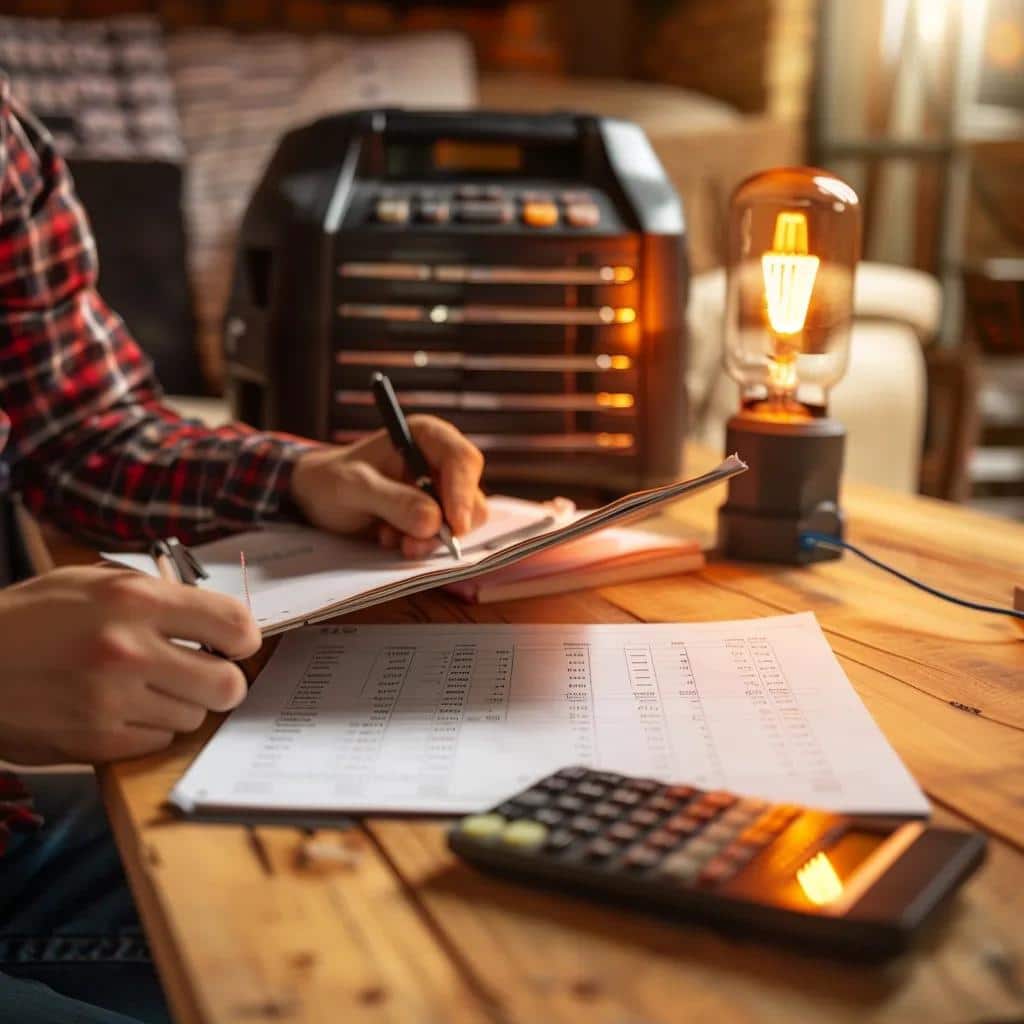
Choosing the correct generator capacity guarantees full-home power without overspending on excess output. Accurate sizing combines your total running wattage with a 20–25 percent safety margin to handle startup surges and future loads. Proper calculations ensure seamless operation and protect motors, compressors, and electronics.
How to Calculate Your Home’s Power Requirements in Kilowatts
First, list all essential appliances and their running wattage. Add the highest starting wattage among those items, then convert total watts to kilowatts by dividing by 1,000. This method delivers a precise kW rating to match generator models and avoids overloads.
Which Appliances Should You Include in Your Generator Sizing?
Include refrigerators, HVAC systems, well pumps, sump pumps, electric water heaters, lighting circuits, and medical equipment.
- Include major appliances that consume continuous power during an outage.
- Count motors and compressors separately for starting versus running loads.
- Factor in lighting and electronics circuits for total home comfort.
A comprehensive appliance list ensures no critical load is overlooked, leading to a reliable backup solution.
Why Is Adding a Safety Margin Important in Generator Sizing?
A 20–25 percent safety margin accommodates inrush currents and future load additions. Without this buffer, motors can stall and breakers may trip. Including extra capacity maintains performance under peak demand and protects against unexpected power spikes.
How Does Iowa’s Home Size and Climate Affect Generator Size?
Iowa’s seasonal extremes—from subzero winter to humid summers—drive high demand for heating and cooling. Larger square-foot homes typically require 20–25 kW or more, while smaller residences may need 10–15 kW. Cold-climate homes with electric furnaces demand greater starting wattage for heat pumps and defrost cycles, influencing your final generator selection.
When Should You Consult a Professional Electrician for Sizing?
Consult a licensed electrician when your calculated load exceeds 10 kW or if you plan future upgrades. Professional assessment ensures compliance with National Electrical Code standards and local Des Moines permit requirements. Scheduling a load study with Rewired Iowa guarantees precise sizing and peace of mind.
What Are the Different Types of Whole Home Generators and Which Is Best?
Whole home generators vary by installation permanence, cooling method, and portability, each suited to different needs. Understanding these categories helps you choose a system that balances convenience, reliability, and cost.
What Is a Standby Generator and How Does It Work?
A standby generator is permanently installed, wired into your home’s electrical panel, and paired with an automatic transfer switch (ATS). When the grid fails, the ATS senses the outage, starts the generator within seconds, and seamlessly switches power back to your circuits.
Standby Generator Functionality
Standby generators are permanently installed and connected to a home’s electrical panel with an automatic transfer switch (ATS). The ATS detects power outages and automatically starts the generator, switching power to the home’s circuits within seconds, ensuring continuous power supply.
U.S. Department of Energy, “Home Generator Systems” (2023)
This citation clarifies the operational aspects of standby generators, which is a key topic in the article.
How Do Portable Generators Compare for Whole Home Use?
Portable generators require manual setup, refueling, and connection via heavy-duty cords or a transfer switch. They are less expensive upfront but cannot power an entire home automatically, making them best for essential circuits rather than full-home backup.
What Are the Pros and Cons of Liquid-Cooled vs. Air-Cooled Generators?
Below is a comparison of cooling methods to help you decide:
| Generator Type | Feature | Benefit |
|---|---|---|
| Air-Cooled | Simpler design | Lower upfront cost and simpler maintenance |
| Air-Cooled | Compact footprint | Fits smaller spaces easily |
| Liquid-Cooled | Quieter operation | Reduced noise during extended run times |
| Liquid-Cooled | Longer lifespan | Better heat management extends engine life |
Air-cooled units excel in cost-sensitive installations, while liquid-cooled models suit heavy-duty or noise-sensitive environments.
How Do Fuel Types Impact Generator Performance and Suitability?
Fuel choice directly affects runtime, operating cost, and convenience. Natural gas delivers continuous supply via existing pipelines, propane offers storage flexibility, and diesel provides high energy density for prolonged high-load scenarios. Each fuel’s availability and handling requirements play a critical role in overall performance.
Fuel Type Considerations
The choice of fuel type—natural gas, propane, or diesel—directly impacts a generator’s runtime, operating costs, and maintenance needs. Natural gas offers continuous supply, propane provides storage flexibility, and diesel offers high energy density for extended run times.
Energy Information Administration, “Fuel Sources and Generators” (2024)
This citation provides context for the different fuel options discussed in the article.
Which Fuel Type Is Best for Your Whole Home Generator? Natural Gas, Propane, or Diesel?
Fuel type determines operating cost, runtime, and maintenance needs. Selecting the right option ensures reliable power and optimal economics for Iowa homeowners.
What Are the Benefits and Drawbacks of Natural Gas Generators?
Natural gas generators connect directly to municipal lines, providing uninterrupted fuel during extended outages. They require no on-site fuel storage but depend on utility infrastructure that may fail in widespread grid disruptions. Maintenance is minimal, but gas pricing can fluctuate.
How Does Propane Fuel Affect Generator Flexibility and Cost?
Propane generators use on-site tanks that you can fill before storms, ensuring fuel independence. Propane is cleaner-burning, with a stable price per gallon, but tanks must be sized properly to match your generator’s consumption rate during multiple days of operation.
When Is Diesel the Most Efficient Fuel Choice?
Diesel generators offer high thermal efficiency and long run times under heavy loads. Their higher energy density means smaller tanks deliver extended runtime. However, diesel engines require more frequent maintenance and winterization in freezing climates.
How Do Iowa’s Fuel Availability and Weather Conditions Influence Your Choice?
In rural Iowa, propane delivery may face delays in severe weather, favoring natural gas if pipelines remain functional. Urban areas around Des Moines benefit from reliable gas supply, while diesel generators are best suited for high-demand commercial properties with dedicated fuel storage.
How to Compare Leading Whole Home Generator Brands: Generac vs. Kohler
Brand reputation, service support, and warranty coverage vary significantly between major manufacturers. A direct comparison clarifies which brand aligns best with your priorities.
Below is a brand comparison highlighting key attributes:
| Brand | Feature | Value for Iowa Homeowners |
|---|---|---|
| Generac | Wide model range | Options from 10 kW to 48 kW for varied home sizes |
| Generac | Dealer network | Local Des Moines dealers ensure fast service |
| Kohler | Reliability rating | Industry-leading engine durability and electronics |
| Kohler | Support and warranty | Extended warranties and 24/7 technical support |
Generac’s broad lineup and extensive local support suit many homeowners, while Kohler’s premium durability and warranty offerings appeal to those prioritizing long-term reliability.
What Are the Key Features of Generac Generators?
Generac generators feature PowerBoost™ technology for handling surges, Mobile Link remote monitoring, and a generator control panel that simplifies operation. Their modular design allows for easy routine maintenance by Rewired Iowa electricians.
How Do Kohler Generators Differ in Reliability and Support?
Kohler systems incorporate corrosion-resistant enclosures, high-temperature gauges, and advanced diagnostics with predictive alerts. Backed by generous factory warranties and dedicated service teams, they offer exceptional uptime.
Which Brand Offers Better Value for Iowa Homeowners?
For budgets under $10,000, Generac provides competitive pricing and numerous model options. Homeowners seeking top-tier longevity and minimized downtime may invest in Kohler’s premium solutions despite higher initial costs.
How Do Warranty and Maintenance Services Compare Between Brands?
Generac offers 5-year limited warranties on residential standby units, with optional extended plans. Kohler provides 5-year coverage plus free scheduled maintenance for the first two years. Both brands require annual servicing, which Rewired Iowa can bundle into maintenance agreements.
What Is the Whole Home Generator Installation Process in Des Moines, Iowa?
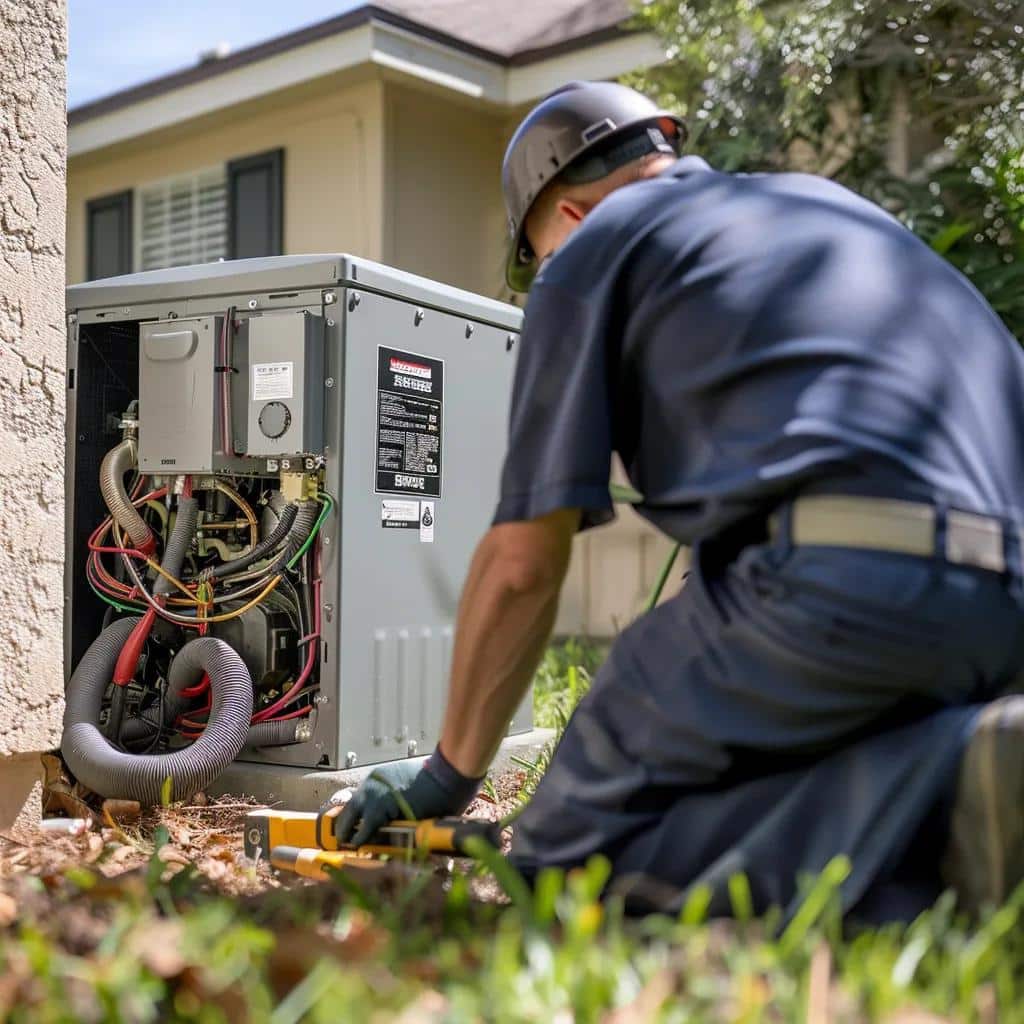
Professional installation ensures safety, code compliance, and optimal performance of your standby generator.
What Are the Steps Involved in Professional Generator Installation?
- Site assessment and permit application.
- Excavation and concrete pad pouring.
- ATS and electrical panel integration.
- Fuel-line connection and pressure testing.
- Full system startup and load testing.
Rewired Iowa electricians handle every step, securing local permits and adhering to NEC standards. Final testing verifies seamless operation and safety.
Why Is an Automatic Transfer Switch Essential for Seamless Power?
An ATS monitors grid voltage and automatically switches to generator power within 10–15 seconds of outage detection. This automation protects sensitive electronics, maintains uninterrupted climate control, and removes manual startup tasks.
What Permits and Local Regulations Must You Consider in Iowa?
Des Moines requires zoning approval, electrical and plumbing permits, and adherence to generator setback rules. Proper permit handling prevents fines and inspection delays, ensuring your installation meets city codes.
How Long Does Installation Typically Take and What Are the Costs?
A turnkey installation usually spans 2–4 days, including concrete curing. Total costs range from $8,000 to $16,000, depending on generator size, fuel type, and site conditions. Rewired Iowa provides transparent, itemized quotes to avoid surprises.
Why Choose a Certified Des Moines Electrician for Installation?
Working with a certified local electrician guarantees code-compliant wiring, timely permit processing, and reliable post-installation support. Our team’s specialized training in backup power systems ensures your generator performs flawlessly when you need it most.
How to Maintain Your Whole Home Generator for Long-Term Reliability?
Regular maintenance preserves generator performance, extends engine life, and prevents unexpected failures during power outages.
What Is the Recommended Maintenance Schedule for Iowa Generators?
Schedule professional service every 200–300 operating hours or at least once per year before winter. Key tasks include oil changes, filter replacements, battery inspections, and load-bank testing to simulate real-world conditions.
How Can You Troubleshoot Common Generator Issues?
- Inspect battery voltage and clean terminals to prevent starting failures.
- Check fuel-line filters for clogs that can starve the engine.
- Verify ATS operation and circuit breaker positions if power transfer fails.
Early detection of minor issues prevents costly repairs and downtime.
What Are the Benefits of Regular Professional Generator Maintenance?
Routine service identifies wear before breakdowns occur, maximizes warranty coverage, and ensures peak fuel efficiency. Bundling maintenance with Rewired Iowa’s service plans offers priority scheduling and discounted rates.
How Does Proper Maintenance Extend Generator Lifespan and Performance?
Consistent lubrication, cooling-system checks, and load-bank exercises prevent heat-related damage and preserve engine integrity. A well-maintained generator delivers reliable power year after year, protecting your investment.
What Local Factors Should Iowa Homeowners Consider When Choosing a Whole Home Generator?
Local climate, costs, regulations, and property value impacts shape the optimal generator solution for Iowa residences.
How Does Iowa Weather Impact Generator Selection and Usage?
Severe winter storms increase heating loads and demand quick startup in subzero temperatures. Summer thunderstorms may coincide with peak air-conditioning draw. Selecting models with robust cold-weather kits and automatic switchover ensures consistent performance across seasons.
What Are the Typical Installation Costs and Permit Fees in Des Moines?
Permits for standby generator installations in Des Moines cost $150–$300, with zoning reviews adding another $50–$100. Installation labor and materials range from $5,000 to $12,000 depending on site complexity and generator capacity.
How Can Whole Home Generators Increase Your Property Value in Iowa?
A permanently installed backup power system signals reliability and convenience to buyers, often commanding a 3–5 percent premium. Documented professional installation and maintenance records enhance resale appeal.
Where Can You Find Trusted Local Case Studies and Testimonials?
Explore Rewired Iowa’s project gallery and client testimonials on our website to see real-world examples of whole home generator installations in West Des Moines, Ankeny, and Urbandale. Local feedback demonstrates our commitment to quality and customer satisfaction.
A reliable generator tailored to your home’s needs and local conditions ensures peace of mind during Iowa’s unpredictable weather. Partner with Rewired Iowa today to design, install, and maintain a backup power solution you can trust.
Our team stands ready to provide personalized sizing assessments, transparent quotes, and expert installation services that meet Des Moines code requirements.
With proactive maintenance plans and rapid emergency support, we help you avoid downtime and costly repairs.
Secure your home’s resilience—reach out to Rewired Iowa now for a free generator consultation.

John Senn is a licensed Master Electrician based in Des Moines, Iowa with over 20 years of hands‑on experience serving homes and businesses across the state. He specializes in electrical panel upgrades, whole‑home generator installations, EV charger setups, and 24‑hour emergency service. As the owner of a growing team of certified electricians, John has built a reputation for safe, code‑compliant work and practical solutions that keep Iowa families and businesses powered up. His deep knowledge of Iowa’s electrical codes and his commitment to ongoing training make him a trusted voice in the trade and a go‑to expert for reliable electrical work in Des Moines and beyond.