24/7 Electrical Services
Or

Call Us Now For 24/7 Electrical Services

Looking for Safe, Professional Ceiling Fan Installation?

Beat the Des Moines Heat with Expert Ceiling Fan Installation.

From wiring to mounting, our certified electricians handle every detail, ensuring your new fan is safe, balanced, and ready to transform your room.

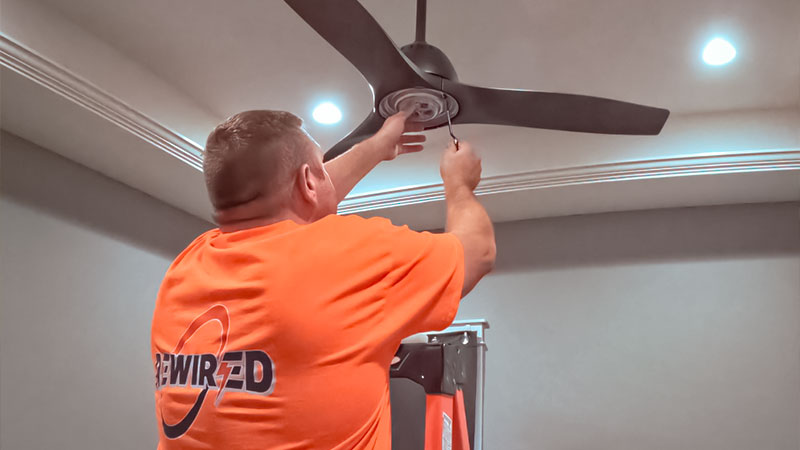
ceiling fan installation by Rewired Iowa in Des Moines

Customer Reviews for Ceiling Fan Installation & Wiring Services in Des Moines

From homeowners who trusted us for safe, reliable ceiling fan installation and wiring.

Unnamed 21 11.png
Susie Chapman

Eddie and Nate did a great job for us. Both were polite and got done as soon as possible. It was great to get the heat back on.

Unnamed 17 8.png
Robyn Belden
John walked us through everything and gave different pricing options based on what worked for our family. Logan and Nate did great work on our home. Nate walked us through everything they were doing and explained everything once they were done. The pricing and financing options were very fair.
Unnamed 41 8.png
Deb Richmond

Nate & his apprentice were amazing!!!
I couldn’t have been happier with their expertise! This were very professional and meticulous! I will recommend Rewired to anyone that I know that is looking for electrical work!

⭐⭐⭐⭐⭐ Rated 4.97/5 by 400+ Iowa Homeowners

Ceiling Fan Installation & Wiring Services In Des Moines

Ceiling Fan Installation Cost, Warning Signs & Process

Upgrading your home’s ceiling fan installation setup — including proper ceiling fan electrical wiring and support — is one of the best ways to prevent annoying outages, ensure stable airflow, and keep your family safe. Older wiring and outdated support boxes weren’t built for today’s fans or modern energy demands. A professionally wired ceiling fan gives you the reliability, capacity, and protection your home needs now and in the future.

Key Benefits of Proper Ceiling Fan Installation & Wiring

Better Airflow – A properly installed ceiling fan delivers stronger, smoother airflow throughout the room.

Improved Safety – Secure mounting and correct ceiling fan electrical wiring reduce risks of overheating, wobbling, or electrical faults.

Lower Energy Costs – Ceiling fans help reduce HVAC usage by keeping rooms cooler in summer and circulating warm air in winter.

Higher Comfort – A balanced, well-wired ceiling fan runs quietly, without shaking, humming, or vibration.

Future-Ready Setup – Proper wiring ensures you can upgrade to larger, remote-controlled, or smart ceiling fans anytime.

⭐⭐⭐⭐⭐ Rated 4.97/5 by 400+ Iowa Homeowners

What Are the Common Warning Signs of Ceiling Fan Electrical Problems?

Rewired Iowa, electrical panel install, Grimes, 2025, Ceiling fan electrical problems usually show obvious clues that help you separate a mechanical issue from a potential electrical hazard. Spotting and prioritizing those signs quickly lowers the chance of fire or shock. In many Des Moines homes — especially older ones — loose connections, worn insulation, and overloaded circuits present as audible or visible symptoms. Below is a prioritized list of urgent warnings and short actions to help you triage safety versus routine maintenance. Addressing problems early keeps a small issue from becoming an emergency.

Common warning signs to watch for and their immediate one-line actions:

  • Burning smell near the fan: Turn the breaker off immediately and do not use the circuit.
  • Visible sparks or scorch marks: Cut power and arrange an urgent professional inspection.
  • Flickering lights or fan light not working: Isolate the circuit and check connections; call an electrician if the flicker continues.
  • Fan humming or buzzing with heat: Turn it off — this often signals motor or capacitor overheating.
  • Wobbling or excessive vibration: Check blade balance and mounting; stop use if the mount feels loose.
  • Intermittent power or frequent breaker trips: Treat as wiring or overload concerns and schedule a professional diagnosis.

EAV Table — Warning Signs, Causes, and Recommended Action

Warning Sign Likely Cause Urgency / Recommended Action
Burning smell Overheated motor or loose/arcing connection High — Turn off the breaker and call a licensed electrician
Sparks / scorch marks Arcing at connections or short circuit High — Power off immediately and schedule an emergency inspection
Flickering lights Loose neutral, faulty wiring, dimmer incompatibility Medium–High — Isolate the circuit; if it continues, call an electrician
Humming / buzzing Failing capacitor, worn bearings, loose wiring Medium — Stop use if hot; inspect and call a pro if unresolved
Fan wobble Unbalanced blades, loose mount, bent downrod Medium — Tighten/balance; call a pro if mounting is compromised

Why Is My Ceiling Fan Wobbling and What Dangers Does It Pose?

Most fan wobble comes from mechanical imbalance — warped blades, uneven dust buildup, or loose blade screws — but it can also signal a loose mounting bracket or failing bearings that stress the motor. Persistent wobble can loosen hardware, cause motor wear, and increase overheating or mount failure.

Homeowners can try basic fixes: shut off power, tighten blade and canopy screws, and use a balancing kit. If wobbling continues or the bracket shifts, stop using the fan and call a licensed electrician to inspect the ceiling box and support.

What Causes a Ceiling Fan to Hum or Buzz?

A hum or buzz can come from harmless vibration, but combined with heat, smells, or flickering lights it often points to electrical trouble — a failing capacitor, worn motor windings, or loose wiring. Electrical humming varies with speed and is louder at startup; mechanical buzzing usually comes from blade contact or loose hardware.

Safe homeowner checks: turn off the breaker before tightening blades or housings, and replace remote or wall-switch batteries. Do not open junction boxes. If the noise continues, or the fan is hot or smells, call an electrician.

How to Identify Flickering Lights and Burning Smells as Critical Electrical Hazards

Flickering lights and burning odors are urgent warnings of loose neutrals, arcing, overloads, or failing components — all of which can produce heat and ignite insulation. Immediate steps: switch off the breaker, ventilate the area, and avoid re-energizing the circuit until inspected. Never touch hot components.

After power is off, photograph scorch marks and note when the flicker occurred to help the electrician diagnose the issue.
⭐⭐⭐⭐⭐ Rated 4.97/5 by 400+ Iowa Homeowners

How Upgrading Your Electrical Panel Works with Rewired Iowa

Rewired Iowa ensures safe, code-compliant ceiling fan installation from start to finish.

Same-day electrical repairs, Rewired Iowa, Des Moines, 2025

Free Inspection

Our licensed electricians inspect your wiring, fan box, and mounting to identify any issues before installation — ensuring safety and reliability.
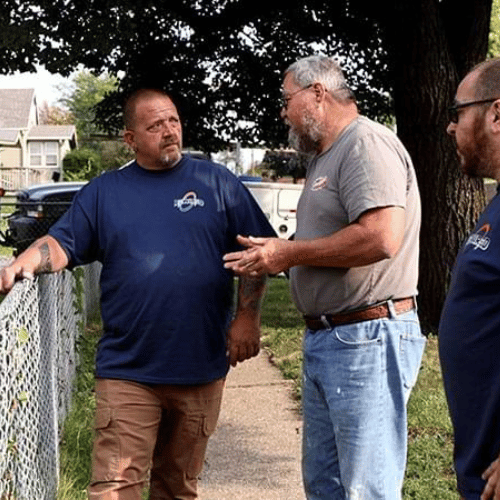
electrical services near me

Detailed Quote

We provide a transparent, itemized quote covering parts, labor, and any wiring upgrades so you know the full cost upfront.

Portrait of multi ethnic family having evening din 2023 11 27 04 58 07 utc 1(1)

Safe Installation

Rewired Iowa installs and wires your ceiling fan carefully, balancing blades, securing mounts, and following all code requirements for a safe, efficient setup.

⭐⭐⭐⭐⭐ Rated 4.97/5 by 400+ Iowa Homeowners

What Are the Risks of Ignoring Ceiling Fan Electrical Warning Signs?

Ignoring ceiling fan electrical warning signs lets problems escalate: overheating can damage insulation, create arcing, and ignite nearby materials, leading to an electrical fire. Short-term effects include motor burnout and costly fan replacement, while long-term neglect may require extensive rewiring or fan system upgrades. Loose or overheated connections are a common ignition source, so early inspection and repair are critical. Acting promptly reduces repair costs and prevents dangerous outcomes.

Hazard, Mechanism, and Preventive Action

Hazard Mechanism Preventive Action
Electrical fire Arcing or sustained overheating at poor connections Power off on smell or sparking; schedule a licensed electrician
Motor burnout Extended overheating from a failing capacitor or overloaded circuit Stop use; replace motor or capacitor as recommended
Structural damage Arcing or fire spreading to ceiling and insulation Immediate shutoff and emergency professional response
Progressive wiring failure Corrosion and insulation degradation over time Timely inspections and targeted rewiring

How Faulty Wiring and Overheating Lead to Electrical Fires

Faulty wiring creates high-resistance points that heat under load. If insulation degrades or sparks occur, nearby combustibles can ignite. Arcing produces extremely high temperatures, especially in concealed spaces. Loose connections that repeatedly heat and cool accelerate insulation breakdown, leaving scorch marks or melted components. Treat any burning smell, discoloration, or unexplained heat as an emergency — shut off the circuit and call a licensed electrician to locate the hotspot and repair it safely. Early detection prevents fires and reduces restoration costs.

⭐⭐⭐⭐⭐ Rated 4.97/5 by 400+ Iowa Homeowners

How Much Does Professional Ceiling Fan Repair or Replacement Cost with Rewired Iowa?

Costs depend on diagnosis complexity, parts required (capacitor, motor, or a replacement ceiling fan), labor difficulty, and whether wiring upgrades are needed. An on-site estimate from a licensed electrician at Rewired Iowa provides the most accurate pricing. Typical cost drivers include diagnostic visit fees, part costs (capacitors are relatively inexpensive; motors and full replacement fans cost more), labor to remove and reinstall fixtures, and any wiring or permit-related work for older systems. Homeowners should weigh repair versus replacement based on fan age, parts availability, and wiring condition — sometimes replacing the fan and addressing wiring at the same time is more economical and safer.

Repair Type and Typical Costs

Repair Type Typical Cost Range Factors that Influence Cost
Diagnostic & minor repair Low to moderate Access, hourly labor, simple parts (capacitor, switch)
Capacitor replacement Low to moderate Part availability and labor to access the canopy
Motor replacement Moderate to high Motor cost, compatibility, and labor time
Full fan replacement Moderate to high New fan price, mounting upgrades, and labor
Rewiring or panel work High Extent of rewiring, permit needs, and panel upgrades

Factors Influencing Repair vs. Replacement Decisions

Consider the fan’s age, parts availability, whether the motor is serviceable, the condition of the branch circuit and junctions, and the cost of a new fan compared with repair plus wiring fixes. Older fans may have scarce parts and underlying wiring issues, making replacement with a modern, energy-efficient fan and wiring upgrades a safer investment. Safety concerns like degraded wiring or inadequate mounting boxes should favor replacement plus corrective electrical work. Always request itemized estimates and weigh longevity and code compliance before deciding.

Choosing a Licensed Electrician for Safe Ceiling Fan Repairs

Hire a licensed, insured electrician experienced with ceiling fan installation, motor and capacitor diagnostics, and wiring upgrades. Request references, verify their license, and confirm whether they perform circuit load checks, inspect junction boxes, and provide itemized estimates. Share symptoms and photos beforehand so the electrician comes prepared. Prioritize professionals who focus on safety-first inspections, proper box support, grounding, and code-compliant fixes. Rewired Iowa ensures all repairs and installations meet safety standards and local code requirements.

Panel upgrade cost in Iowa depends on amperage capacity, panel type, labor rates, permit fees, and utility coordination. A typical residential 200 amp upgrade ranges from $1,800 to $8,000, while commercial or multi-meter service upgrades start around $3,500. Choosing quality materials and licensed electricians ensures code compliance and long-term reliability.
Below is a cost comparison for common upgrades:
Entity
Attribute
Value (Approx.)
100 Amp to 200 Amp Upgrade
Typical Price Range
$1,800 – $8,000
Fuse Box to Breaker Conversion
Conversion Cost
$800 – $1,500
Zinsco/Federal Pacific Replace
Replacement Cost
$1,200 – $2,500
Selecting a reputable contractor may involve higher upfront costs but reduces risk of code violations, callbacks, and safety hazards.

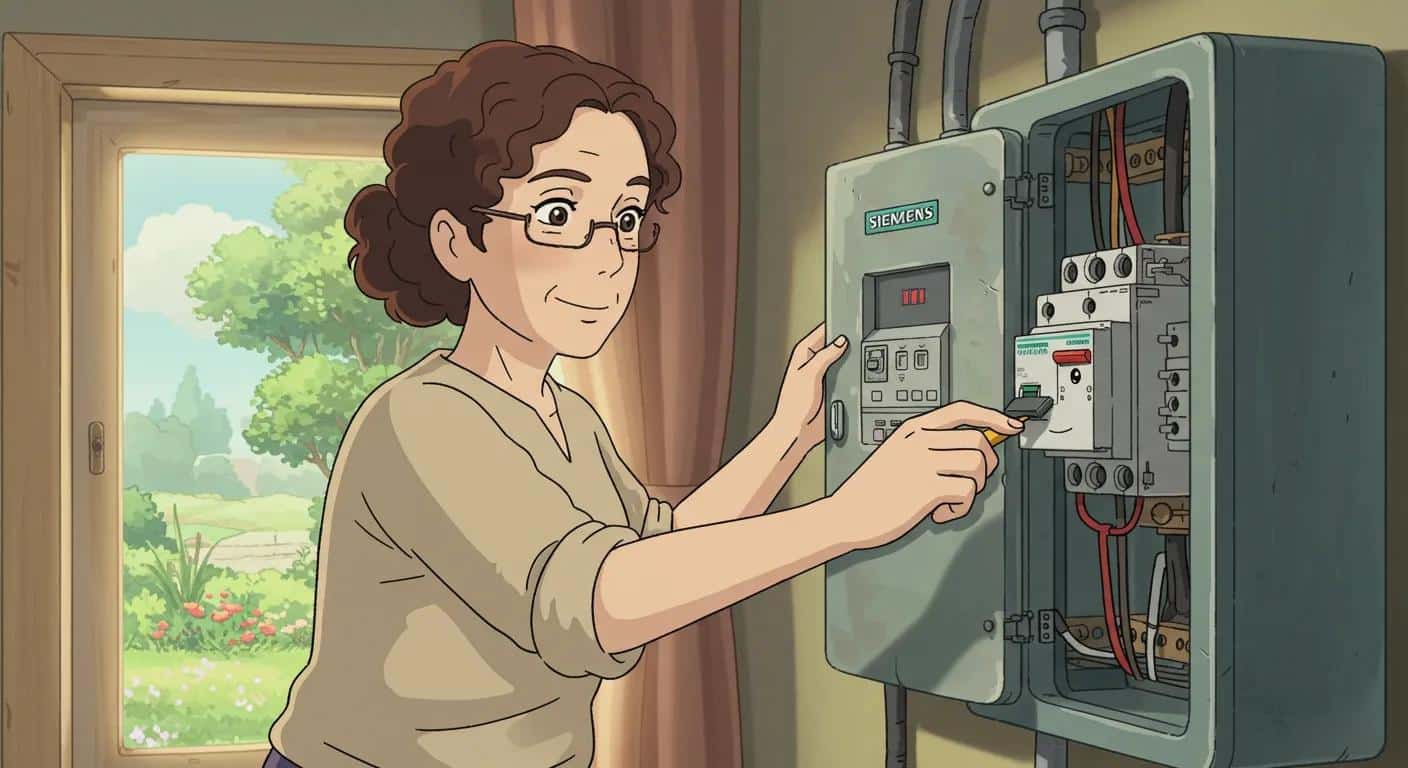
Ghibli Style cartoon image of a Homeowner resetting a residential US style circuit breaker in a Seimens residential style electrical panel, emphasizing safety and confidence

What Factors Influence the Cost of Panel Upgrades?

Cost drivers include amperage rating, panel manufacturer, number of circuits, wiring complexity, labor time, permit fees, and any required grounding or bonding upgrades. Additional trenching, meter can replacement, or service mast relocation can also affect the total.

How Do 100 Amp to 200 Amp Upgrades Compare in Price?

A 200 amp panel contains heavier gauge bus bars, a larger enclosure, and typically four to six spaces for breakers—doubling material costs and adding labor to upgrade service conductors. Converting from 100 amp often requires new service entrance cable and meter socket work.

What Are the Costs for Fuse Box to Circuit Breaker Conversions?

Converting fuses to breakers involves replacing the fuse panel with a breaker panel, installing branch breakers, and updating wiring terminations. Material costs for a basic 60 – 100 amp breaker panel start around $300, with labor accounting for the remainder.

Are There Additional Costs for Permits, Wiring, or Utility Coordination?

  • City or county permit fees typically range from $50 to $200
  • Utility company service drop inspections or upgrades may incur $100 – $500
  • Upgrading grounding electrodes or bonding jumpers can add $150 – $400
These fees ensure code compliance, safety inspections, and approved interconnection with the local grid.
Homeowners may qualify for low-interest financing through local credit unions or energy efficiency loan programs. Certain utilities offer rebates for panel upgrades tied to EV charger installation or demand-response load management agreements. Always confirm eligibility before scheduling service.

⭐⭐⭐⭐⭐ Rated 4.97/5 by 400+ Iowa Homeowners

FAQ

If your ceiling fan makes grinding, scraping, or loud humming, turn it off and check for loose screws, dirt on the blades, or damaged blades. Tighten fasteners and clean the blades. If the noise continues, it could indicate motor failure or a failing capacitor. Contact a licensed electrician for ceiling fan installation and wiring inspection to diagnose and repair the problem safely. Proper ceiling fan electrical wiring and installation prevent further damage and safety risks.

Look for an ENERGY STAR label to confirm a fan meets efficiency standards. Energy-efficient fans often feature a DC motor and multiple speed settings to optimize airflow. Regular maintenance, proper ceiling fan installation, and ensuring correct wiring help improve efficiency and extend the fan’s service life.

Routine maintenance boosts performance and longevity. Cleaning blades, tightening screws, and checking ceiling fan electrical wiring prevent mechanical failures and improve energy use. Regular inspections can catch wiring issues early, reducing overheating or fire risks. Proper ceiling fan installation and maintenance save money and keep fans running safely year-round.

While some homeowners can attach a ceiling fan safely, older homes with outdated wiring should rely on a licensed electrician for ceiling fan installation. Professionals ensure proper wiring, code-compliant ceiling fan installation, and safe operation. If you DIY, follow safety steps carefully — cut power, use proper tools, and never attempt wiring or splicing unless qualified. For complex installations or uncertain wiring, hire a professional electrician for ceiling fan installation.

Replace a ceiling fan if it has persistent noise, excessive wobble, or fails despite troubleshooting. Fans older than 10 years needing frequent repairs should be replaced with a modern, energy-efficient model. Visible motor or blade damage and inadequate airflow are other indicators. A licensed electrician can assist with ceiling fan replacement, wiring, and installation to ensure safety.

High humidity can corrode ceiling fan electrical wiring, motor components, and sockets, reducing efficiency and airflow. Moisture buildup can affect how air feels and lead to faster wear. Regular cleaning, rust checks, and proper ceiling fan installation or rewiring prevent humidity-related failures and maintain reliable operation.

First, check power: ensure the breaker is on and the wall switch works. Inspect remote controls, pull chains, and bulbs. Mechanical issues like a seized motor or damaged blades may also prevent spinning. If troubleshooting doesn’t work, contact a licensed electrician for ceiling fan installation, wiring inspection, and repair to restore safe operation.

DON’T RISK YOUR SAFETY WITH A FAULTY FAN. TRUST REWIRED IOWA FOR SAFE AND RELIABLE CEILING FAN INSTALLATION!

Is your ceiling fan not working properly? Old or faulty fans can wobble, hum, or pose electrical risks. Rewired Iowa provides safe, code-compliant ceiling fan installation and wiring.

⭐⭐⭐⭐⭐ Rated 4.97/5 by 400+ Iowa Homeowners