
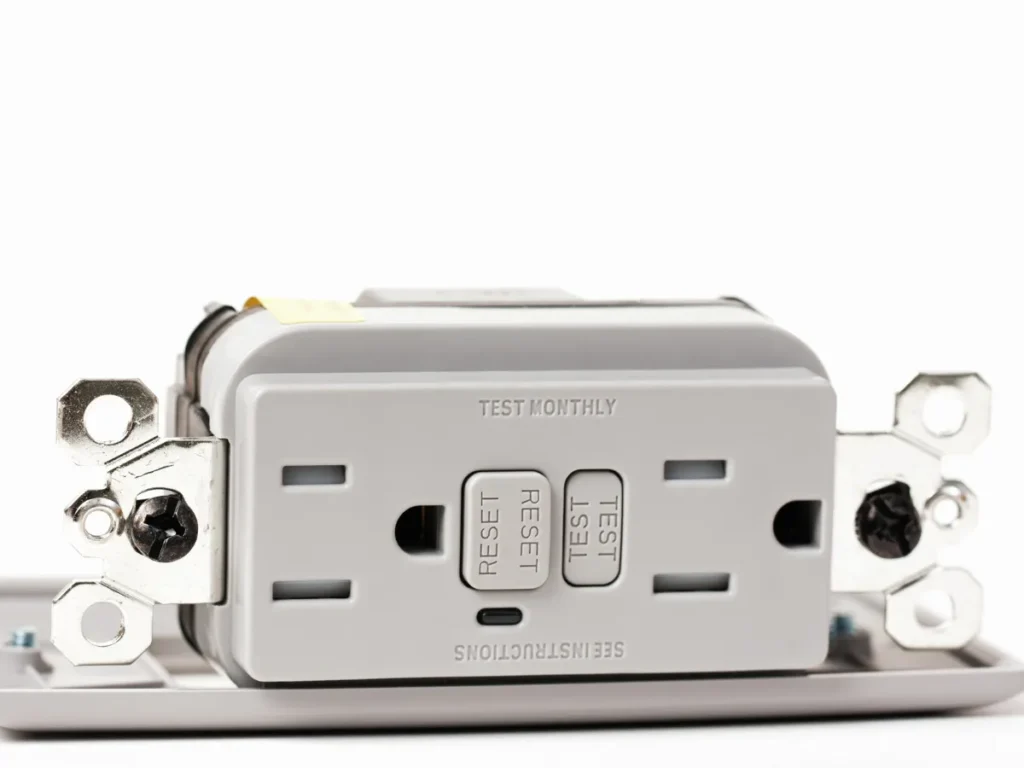
GFCI Outlet Installation: The One Thing Most People Overlook — and Why You Shouldn’t
GFCI outlets (ground-fault circuit interrupters) are a simple but powerful safety upgrade. They sense tiny imbalances in electrical current and shut power off in milliseconds, stopping dangerous shocks. This page gives Des Moines homeowners and business owners clear local cost ranges and the safety facts you need to make a smart decision.
We’ll walk through what a GFCI does, how it protects people and property, where local code usually requires them, and the main factors that affect 2025 installation costs in Des Moines. You’ll also get practical steps for getting a transparent, written estimate.
Because areas near water — bathrooms, kitchens, garages, and outdoor receptacles — carry higher risk, proper installation usually means hiring a licensed electrician so the work meets NEC and Iowa code.
Below we break down single- and multi-outlet price ranges, compare receptacle versus breaker solutions, map typical code locations, and show how to request a clear written estimate — all tailored to Des Moines and 2025 pricing.
What a GFCI Outlet Is — and Why Des Moines Homes & Businesses Need One
A GFCI outlet is a life-saving device that watches the current between hot and neutral wires. If it finds current leaking to ground — even just a few milliamps — it trips instantly and cuts power, preventing potentially fatal shocks. Inside the device a sensing coil and trip mechanism measure tiny differences and open the circuit in a fraction of a second — especially important around water.
Putting GFCIs in moisture-prone spots common to Des Moines properties — kitchens, bathrooms, garages, and outdoor areas — meaningfully reduces risk for anyone using those spaces. It can also help with insurance and resale. Knowing how these devices work and where they belong helps homeowners prioritize upgrades, especially in older homes that lack modern protection. Below we explain the sensing and trip action in plain terms and outline the local benefits.
How a GFCI Outlet Prevents Electrical Shock
GFCIs work by comparing outgoing (hot) and returning (neutral) currents. If the difference is larger than the device’s threshold — usually about 4–6 milliamps — the GFCI trips. That reaction is much faster than a standard breaker because it responds to leakage to ground, not just overloads, so it stops low-level shocks that can be dangerous near water.
Many GFCI devices meet international safety standards such as IEC 60335-1 or IEC 61010, so they’re tested for reliable performance. In essence, the GFCI monitors current with an internal coil and opens the circuit if electricity takes an unintended path — for example, through a person touching a faulty appliance. Recent NEC guidance highlights this fast-trip protection as an important safety layer in wet locations and helps property owners choose between GFCI receptacles, panel-mounted GFCI breakers, or portable protection options.
Key Benefits of Installing GFCI Outlets in Des Moines
Adding GFCIs gives clear, practical benefits for local properties:
- Better personal safety: Cuts the risk of electrocution in wet areas.
- Code compliance: Helps your property meet NEC and Iowa code for inspections or sales.
- Equipment protection: Shields tools and appliances from damaging ground faults.
- Lower liability: Reduces risk for property owners and managers.
For older Des Moines homes with legacy wiring, adding GFCIs is often an affordable safety upgrade that avoids a full panel replacement. These benefits translate to peace of mind and can make insurance or resale smoother — especially in targeted neighborhoods.
Where Code Usually Requires GFCI Protection in Des Moines, Iowa
GFCI requirements follow the National Electrical Code (NEC) and local practices and generally apply to wet and outdoor locations in Des Moines where shock risk rises.
The NEC and Iowa code commonly require GFCI protection at bathroom receptacles, kitchen countertops, certain appliance circuits, garages, unfinished basements, outdoor outlets, laundry areas, and near sinks. Local enforcement can vary for commercial or specialty installs, so verify borderline cases with a licensed electrician. Below is a quick map of common locations and typical installer actions to meet code.
Which Areas Must Have GFCI Protection under NEC and Iowa Code?
- Bathroom receptacles: Required because water around sinks and tubs raises shock risk.
- Kitchen countertop circuits: Needed to protect small appliances used where food prep and water mix.
- Garages and unfinished basements: GFCIs lower electrocution risk in damp spaces and around power tools.
- Outdoor receptacles: Required for exterior outlets, lighting, and patio/driveway receptacles exposed to moisture.
These are the common NEC-based locations enforced in Des Moines. Commercial properties may have extra GFCI needs depending on equipment and use. A licensed electrician can inspect your property and recommend circuit-level solutions, such as a GFCI breaker that protects multiple outlets on the same circuit.
What the 2023 NEC Update Means for GFCIs in Des Moines
The 2023 NEC expanded where GFCI protection is required, and Des Moines electricians increasingly plan for these updates during renovations. Notable changes add protection to more appliance circuits and locations older code versions might have left out. That can mean a remodel triggers extra GFCI work.
These updates often align with broader safety standards and result in wider protection. Homeowners should have renovations checked against the 2023 NEC baseline and local adoption to see whether receptacle swaps or circuit upgrades are needed. A professional inspection will show any gaps and help you prioritize safety work.
What Affects the Cost to Install GFCI Outlets in Des Moines?
Multiple factors influence GFCI installation prices in Des Moines: the type of GFCI device, how accessible and complex your existing wiring is, how many outlets need protection, and whether additional electrical work like panel upgrades or permits is required.
Labor goes up when electricians must cut into finished walls, run new circuits, or hunt for hidden junctions. Material costs vary by device quality (a basic indoor receptacle vs. a weatherproof outdoor unit) and whether you install a GFCI breaker at the panel. The table below compares typical labor hours and material costs for common GFCI options so you can see the main cost drivers.
Different installation scenarios require different labor and parts. The table below shows typical labor hours and material cost ranges for common GFCI options.
| Type of GFCI | Typical Labor Hours | Typical Material Cost (USD) |
|---|---|---|
| Receptacle GFCI (single) | 0.5–1.5 hours | $20–$60 |
| GFCI circuit breaker | 1–3 hours | $40–$120 |
| Outdoor weatherproof GFCI receptacle | 1–2 hours | $30–$80 |
How Device Choice Affects Price
Which GFCI you choose — receptacle, panel-mounted breaker, or portable unit — changes both cost and coverage. Receptacle swaps are usually the least expensive per outlet and work well when only one spot needs protection. A GFCI breaker protects an entire circuit from the panel and can be more cost-effective when several outlets share one circuit, though it requires panel access and a fit check.
Portable GFCIs give temporary protection for tools or special equipment with little to no installation cost, but they aren’t a permanent, code-compliant substitute for fixed protection. Match the device to your coverage needs, budget, and the realities of your wiring and panel access.
How Wiring Complexity and Location Change Labor and Cost
Where the outlet sits and how it’s installed strongly affect labor time. Retrofitting GFCIs in finished walls or behind cabinets takes longer and may require drywall repair, which adds cost. Installations in unfinished basements or garages are usually quicker and less expensive.
Outdoor installs need weatherproof boxes, in-use covers, and sometimes conduit, which add parts and labor. Older homes with knob-and-tube or degraded wiring may need remediation or circuit separation before GFCIs can be safely added, expanding the project scope and price. A clear estimate should call out access issues and any expected wall repairs so you understand all cost drivers up front.
Will Panel Upgrades or Other Electrical Work Increase the Total Cost?
Yes. Panel capacity and condition can change the project scope. Adding circuits or installing GFCI breakers requires available space in the panel and compatible bus ratings; sometimes a panel upgrade or subpanel is necessary. Upgrading a panel adds parts, labor, and often permit and inspection fees, increasing both the timeline and the final cost.
Other common cost drivers include load rebalancing, adding dedicated appliance circuits, or replacing two-prong outlets to meet grounding standards. Factor potential panel or circuit work into your initial budget and ask for guidance during the estimate.
Average GFCI Installation Costs in Des Moines for 2025
Below are local 2025 cost ranges for common GFCI installation scenarios in Des Moines, plus notes to help you evaluate estimates. Prices depend on access, device choice, and any necessary panel or wiring work. The ranges cover single outlet swaps up to multi-outlet jobs. An on-site assessment is the only way to confirm wiring, panel capacity, and any corrective work that affects final pricing.
| Installation Scenario | Typical Price Range (USD) | Notes |
|---|---|---|
| Single GFCI receptacle swap (easy access) | $100–$200 | Includes labor and device; finished-wall access may increase cost |
| Two–five outlet upgrade (same circuit) | $250–$650 | Per-outlet cost decreases with multiple nearby installs |
| GFCI breaker installation (panel) | $150–$450 | Panel-dependent; may require panel inspection or minor adjustments |
| Outdoor/weatherproof GFCI outlet | $150–$350 | Weatherproof device and box included; conduit or long runs increase cost |
These ranges reflect typical residential access in Des Moines for 2025. Finished-wall retrofits, long cable runs, or required permits can push costs higher. An on-site assessment is the only way to verify wiring, panel capacity, and any corrective work that affects exact pricing.
Ready for a Clear GFCI Installation Estimate?
Get straightforward pricing for your Des Moines GFCI project. Our licensed electricians offer free, no-obligation quotes so you can compare real options.
How Single and Multiple GFCI Installs Affect Price
Single outlet swaps are often quick and fall near the low end of the single-receptacle range. Upgrading several nearby receptacles usually lowers the per-outlet cost because labor is consolidated. If multiple receptacles share a circuit, an electrician may suggest a GFCI breaker to protect the whole circuit more cost-effectively than swapping every receptacle.
Major rewiring or required panel upgrades move projects into higher price brackets and should be disclosed during the initial estimate. Knowing these patterns helps homeowners weigh per-outlet pricing against broader circuit solutions.
How Rewired Iowa Handles Pricing and Free Estimates for GFCI Work
We provide clear, written estimates that list labor, materials, and options so you can compare scenarios. As a family-owned electrical company serving Central Iowa, Rewired Iowa offers free estimates and upfront, fair pricing — no surprise fees. If panel work or permits could change the final price, we’ll call that out up front.
When you request an estimate, expect a documented cost summary showing device choices (receptacle vs. breaker), estimated labor hours, and any extras like weatherproofing or drywall repair. That transparency helps you pick the safety upgrade that fits your budget and needs.
Why Choose Rewired Iowa for GFCI Outlet Installation in Des Moines?
Rewired Iowa pairs licensed electricians, clear guarantees, and fast local response to deliver safe, code-compliant GFCI installations across Des Moines and nearby Central Iowa communities. Our trust signals include a 5-year workmanship guarantee, licensed electricians (EL011713EC, EL011713RM, and EL011713JA), a BBB A+ rating, and a strong review profile — all showing local accountability and experience.
We focus on friendly service, upfront pricing, and 24/7 emergency electrical support so urgent safety issues get handled quickly. Below are the credentials and service traits homeowners cite when choosing us.
What Guarantees and Certifications Does Rewired Iowa Offer?
We back our work with a 5-year workmanship guarantee that covers defects tied to labor and standard installation practices, giving homeowners defined protection after job completion. Our electricians are licensed (EL011713EC, EL011713RM, and EL011713JA), so work is done by trained professionals and meets local licensing expectations.
Rewired Iowa also maintains a BBB A+ rating and a strong review history — reliable indicators of consistent customer satisfaction and responsiveness. Those credentials lower perceived risk and help homeowners move forward with necessary safety upgrades.
How Customer Reviews and 24/7 Emergency Service Improve Reliability
A high volume of positive customer reviews (400+ reviews with a reported 5-star rating) signals consistent service quality and responsiveness — important when safety upgrades are on the line. Our 24/7 emergency electrical services add reliability by enabling quick responses to urgent faults, repeatedly tripping GFCIs that suggest underlying issues, or other immediate safety concerns.
Strong reviews plus round-the-clock availability shorten decision timelines and reassure homeowners that problems will be handled quickly, reducing downtime and exposure to hazards.
How to Get a Free Estimate for GFCI Outlet Installation in Des Moines Today

Getting a free estimate is simple: share basic project details, schedule an assessment, and receive a clear written proposal with costs, scope, and timing. Rewired Iowa’s free estimates lay out options — receptacle swaps, breaker-level protection, or larger panel work — so you can compare and decide. Below are the steps to request an estimate and the on-site checklist so you know what the electrician will review.
How to Schedule Your GFCI Installation Estimate with Rewired Iowa
Scheduling an estimate usually follows three easy steps designed to save time and set expectations:
- Contact us: Call Rewired Iowa at (515) 619-5349 or provide project details when you reach out.
- Book an inspection: Schedule an on-site or virtual inspection where a licensed electrician reviews circuits, panels, and outlet locations.
- Receive a proposal: Get a written estimate listing device options, labor, materials, any recommended panel or wiring work, and available scheduling windows.
This process reflects our upfront-pricing approach and 24/7 availability for urgent situations, making it easy for Des Moines homeowners to get a professional assessment and move forward with safety work.
What to Expect During the On-Site GFCI Assessment
During the assessment, our electrician will inspect your wiring, check panel capacity, and recommend the best protection option — a single receptacle swap, a multi-outlet circuit solution, or a GFCI breaker. They’ll note obstacles like finished-wall retrofits, test existing outlets, check grounding, and look for moisture or damage that could affect complexity.
After the inspection, you’ll get a written estimate detailing labor, parts, permits, and a timeline estimate. The electrician will explain trade-offs between receptacle versus breaker protection and any recommended follow-up work so you have a transparent, code-conscious plan before any work begins.
- Local service area: Des Moines, Ankeny, Grimes, Clive, West Des Moines.
- Office address for local reference: 2612 E 48th St, Des Moines, IA 50317.
- Phone for scheduling estimates and emergency service: (515) 619-5349.
Use these contact details to check availability and request your free estimate, and get clarity on exact 2025 pricing for your property.
Frequently Asked Questions
1. What is the lifespan of a GFCI outlet?
A GFCI outlet usually lasts about 15–25 years, depending on usage and conditions. Moisture exposure, electrical surges, and general wear can shorten that span. Test GFCIs monthly by pressing the “test” button; if an outlet trips often or won’t reset, replace it. Tracking installation dates and routine checks helps keep your system safe and functional.
2. Can I install a GFCI outlet myself?
Some homeowners are comfortable with DIY electrical work, but we recommend hiring a licensed electrician for GFCI installation. Proper installation ensures code compliance and reduces risk of shock or fire. An electrician will assess your wiring and suggest the best GFCI solution. If you do attempt a DIY install, follow all safety precautions and local rules closely.
3. How often should GFCI outlets be tested?
Test GFCIs at least once a month by pressing the “test” button — the reset button should pop out and power should cut. Press “reset” to restore power. If the outlet doesn’t trip or won’t reset, it may be faulty and should be replaced. Regular testing keeps protection reliable, especially in moisture-prone locations.
4. Are there recommended brands of GFCI outlets?
Reputable brands include Leviton, Lutron, and Eaton. These manufacturers are known for reliability, safety features, and compliance with national standards. When choosing a GFCI, consider amperage rating, weatherproofing for outdoor use, and indicator lights. Always pick products that meet NEC requirements for your area.
5. What should I do if my GFCI outlet keeps tripping?
If a GFCI keeps tripping, unplug devices and try resetting it. If it trips again, the cause could be a ground fault, moisture intrusion, or a faulty appliance. Inspect for damage or moisture, and if the problem continues, call a licensed electrician to diagnose and fix the issue. Continuous tripping can indicate a real safety problem and should be addressed promptly.
6. Can GFCI outlets be used in all areas of the home?
GFCIs are designed for areas with water — kitchens, bathrooms, garages, and outdoors — but they’re also useful in basements and laundry rooms. Follow local codes for required locations, and consult a licensed electrician to identify the best spots for extra protection throughout your home.
7. What’s the difference between a GFCI outlet and a GFCI breaker?
A GFCI outlet protects the receptacle where it’s installed and devices plugged into it. A GFCI breaker is installed in the panel and protects the whole circuit, including multiple outlets. Breakers can be more cost-effective when several outlets share a circuit; receptacles work well for single locations. Choose based on your safety needs and existing wiring setup.
Conclusion
Installing GFCI protection is one of the most effective, affordable steps Des Moines homeowners and businesses can take to reduce electrical shock risk in moisture-prone areas. GFCIs help you meet code, protect equipment, and improve safety — and they can make insurance or resale smoother. Contact a licensed electrician for an assessment and a transparent estimate. Take that next step toward a safer home by requesting your free estimate today.

John Senn is a licensed Master Electrician based in Des Moines, Iowa with over 20 years of hands‑on experience serving homes and businesses across the state. He specializes in electrical panel upgrades, whole‑home generator installations, EV charger setups, and 24‑hour emergency service. As the owner of a growing team of certified electricians, John has built a reputation for safe, code‑compliant work and practical solutions that keep Iowa families and businesses powered up. His deep knowledge of Iowa’s electrical codes and his commitment to ongoing training make him a trusted voice in the trade and a go‑to expert for reliable electrical work in Des Moines and beyond.