
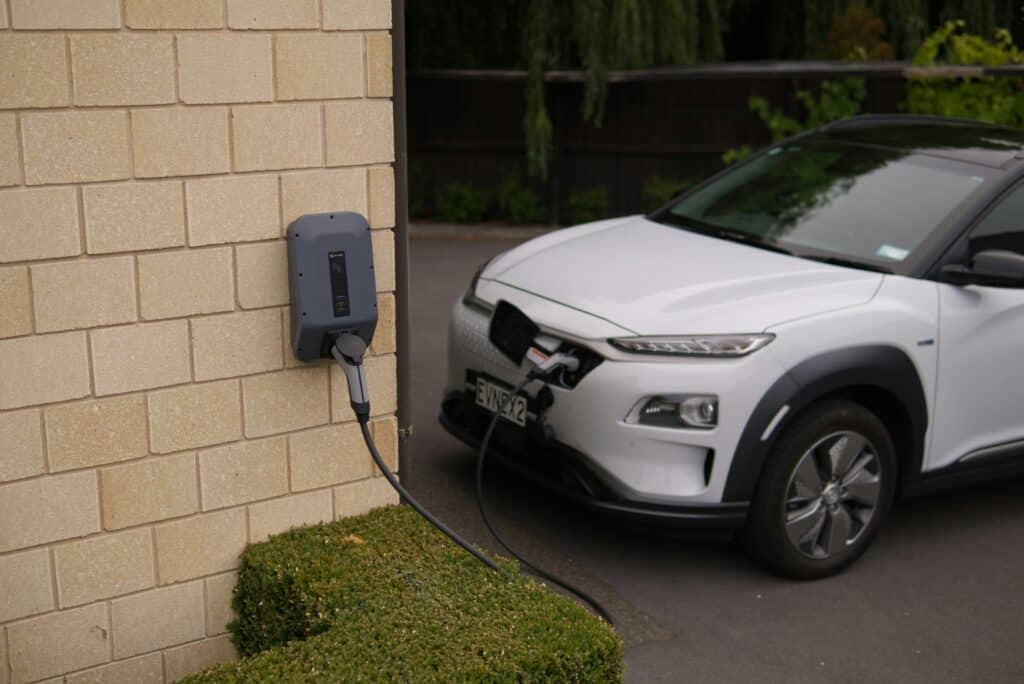
Most home EV charger headaches trace back to limits at the electrical panel — service capacity, breaker sizing, and the condition of wiring determine whether a Level 2 charger will run reliably. This guide shows why panels are a common failure point, how Level 2 charger requirements interact with typical residential systems, and practical steps homeowners can take to diagnose problems and pick the right fix. You’ll learn to recognize red flags (repeated breaker trips, dimming lights, buzzing panels), and follow a straightforward decision process that compares main service upgrades, subpanels, and load-management options. We also walk through NEC continuous-load rules, a simple owner-friendly load calculation, and the cost and incentive factors to expect. Read on for actionable checklists, comparison guidance, and next steps so you can move from troubleshooting to a safe, code-compliant EV charging setup.
Electrical Panel Upgrades to Prevent EV Charger Breaker Trips
The electrical panel is the home’s power hub: it receives service from the meter, sends current to branch breakers, and sets the safe limit for simultaneous loads. Add a Level 2 charger without enough headroom — a dedicated 240V circuit plus adequate main service amperage — and the panel becomes the bottleneck, causing trips or voltage sag. Older 100‑amp panels, worn bus bars, or panels with few spare breaker spaces are especially vulnerable when a continuous, high‑draw device like EVSE is introduced. Knowing the panel’s role helps explain why many charger problems are diagnosed at the service entrance, and it points to simple diagnostics you can try before calling a pro.
What Role Does the Electrical Panel Play in Home EV Charging?
Your panel divides the incoming service amperage across branch circuits, and the main breaker rating caps how much the house can draw at once. If the bus bar or main breaker is corroded, loose, or undersized, you can see overheating, nuisance trips, and reduced EV charging performance even on a dedicated circuit. Installing a dedicated 240V circuit and the correct breaker size treats the charger as a continuous load per NEC rules and prevents overloading shared circuits. A common real‑world scenario: a home with a 100A main adds a 32A Level 2 charger and trips when the HVAC or electric oven cycles — a clear example of how panel capacity and background loads interact. For help with electric vehicle charger installation, contact us.
How Do Level 2 EV Charger Electrical Requirements Impact Your Panel?
Level 2 chargers use 240 volts and commonly draw continuous currents from roughly 16A up to 40A or more, which corresponds to breaker sizes between 20A and 50A after applying NEC continuous‑load derating. Because the NEC treats EV charging as continuous, breakers are sized at 125% of the charger’s continuous current — effectively increasing the load on your service. When an EV charger runs at the same time as big household loads (HVAC, water heater, range), the combined demand can approach or exceed the main breaker rating, causing trips or noticeable voltage drop. Comparing the charger amperage to the panel’s remaining capacity is the first practical step in deciding whether you need a dedicated circuit, subpanel, load manager, or a full service upgrade.
What Are the Common Signs Your Electrical Panel Needs an Upgrade for EV Charging?
Spotting early warning signs lets you avoid dangerous failures and unnecessary expense. Panels that can’t handle EV charging often show symptoms well before catastrophic issues appear, giving you time to plan. The list below highlights the most common red flags that point to panel or service capacity issues and what each usually means.
- Frequent breaker trips during charging: Repeated trips typically mean the circuit or main service is overloaded by the charger plus other concurrent household loads.
- Dimming lights or voltage drop when charging starts: Noticeable voltage sag usually indicates the service is near capacity or wiring is undersized, which reduces charger performance.
- Buzzing, burning smells, or hot panel surface: Heat, loose connections, or corrosion can cause arcing and are immediate hazards — stop use and get a professional inspection.
- Inadequate spare breaker spaces or double‑tapped circuits: No safe slots for a dedicated 240V circuit signals the need for a subpanel or service upgrade.
Use these signs to prioritize action: trips and dimming point to capacity issues you can verify with a load calculation; buzzing or overheating requires immediate professional attention. The next section gives a step‑by‑step homeowner troubleshooting flow to tell charger faults apart from panel or wiring problems.
How to Identify EV Charger Tripping Breaker and Overload Symptoms
Begin by logging when trips happen and noting the charger’s status lights or app codes — a short log separates charger errors from system overloads. Check the charger’s diagnostics, see if trips coincide with other large loads, and try charging at different times to test for daytime demand effects. If trips continue after confirming a dedicated circuit or you see panel discoloration, stop testing and call a licensed electrician — thermal issues and loose connections are fire risks. This ordered approach clarifies whether you need a charger repair, circuit rework, or a service capacity upgrade.
What Electrical Panel Issues Cause Slow Charging and Power Interruptions?
Slow or intermittent charging commonly stems from voltage drop, undersized branch wiring, or shared circuits that reduce available amperage under load. Long cable runs with too-small conductors, corroded breaker/bus connections, and meter/main constraints can lower voltage at the EVSE, causing the charger to throttle or disconnect. Typical fixes include verifying conductor sizes, installing a dedicated 240V circuit, and tightening/cleaning connections inside the panel — steps an electric vehicle charger installation pro can confirm with voltage and thermal imaging tests. Diagnosing these issues helps you choose between a simple circuit repair and more extensive panel or service work.
What Are Your Options for Electrical Panel Upgrades and Alternatives for EV Chargers?

Homeowners typically choose among a main service upgrade, adding a subpanel, or using load‑management devices. Each option balances cost, complexity, downtime, and future capacity differently. A main panel upgrade increases service amperage and headroom for electrification but is the most expensive and may require utility coordination. A subpanel adds breaker space without changing the main rating and is a good fit when the service has spare capacity. Load management devices dynamically allocate limited current to prevent overloads and can defer a service upgrade when simultaneous loads are manageable. The best path depends on your budget, electrification plans, and local permitting rules.
Before the comparison table, consider these deciding factors:
- Budget and timeline constraints: How quickly you need charging and how much you’re prepared to spend.
- Future‑proofing needs: Plans for a second EV, home battery, or solar integration.
- Permitting and utility limitations: Local code and meter‑limited services may restrict options.
| Approach | Characteristic | Best-use Scenario |
|---|---|---|
| Main panel upgrade (e.g., 100A→200A) | Increases service capacity and breaker space; requires meter/utility work | Homes planning multiple EVs, battery storage, or full electrification |
| Subpanel installation | Adds local breaker capacity without changing main service rating; simpler install | Homes with sufficient main capacity but limited breaker slots |
| Load management device | Dynamically limits charger current or phases loads; lower upfront cost | Homes avoiding immediate service upgrades, single‑EV households with peak management needs |
How Does a 100-Amp vs. 200-Amp Panel Upgrade Affect EV Charger Performance?
A 200‑amp service gives substantial headroom for a Level 2 charger plus other heavy loads, and it makes simultaneous charging or future expansion (multiple EVs, batteries) much simpler. A 100‑amp service can support a single Level 2 charger only with careful scheduling and conservative load management. Consider not just your current charger but potential future loads — home battery, induction range, or HVAC electrification all raise baseline demand and often make a 200A upgrade the smarter long‑term choice. In many cases, that upgrade proves more cost‑effective over time for households planning several large electric loads.
Can Load Management Devices Prevent Panel Overload Without Full Upgrades?
Yes — load management devices (dynamic load controllers, smart splitters, meter‑mounted systems) monitor household draw and reduce EV charging power automatically when other loads spike. They prevent nuisance trips by making the EVSE share available amperage, serving as a practical interim or permanent solution for many homes. Limitations include possible reduced charging speed during peak events, the need for accurate monitoring, and ensuring compatibility with your charger and panel. For many homeowners, a load manager defers a costly service upgrade while maintaining reliable charging.
What Are the Benefits and Costs of Siemens Inhab and Similar Load Managers?
Siemens Inhab and similar systems offer dynamic current allocation, app monitoring, and straightforward panel integration — useful for safer EV charging on constrained services. Installation costs depend on device type and whether meter or panel mounting is needed; the device price plus electrician labor are the main cost drivers. Benefits include lower upfront expense compared with a full service upgrade and smarter charging around other household loads; trade‑offs include potential slower charging during heavy concurrent use. Check product compatibility, installation complexity, and local code requirements for metered installations before choosing a load manager.
How Is a Safe and Code-Compliant EV Charger Installation Performed?
A safe, code‑compliant install starts with a site assessment, load calculation, and permit application, followed by installing a dedicated 240V circuit sized to the charger’s continuous load plus NEC derating. Proper work includes correct conductor sizing, right breaker selection, tight terminations, and any required GFCI or surge protection per local amendments. Inspections and permit sign‑off confirm NEC compliance and reduce liability; skipping permits or attempting major DIY service work risks code violations and safety hazards. Next we cover the role of licensed electricians and the key code elements that govern EVSE installs.
Why Should You Hire a Licensed Electrician for EV Charger Panel Work?
Licensed electricians are trained in service work, meter/main coordination, and permit navigation — which reduces fire risk, code violations, and insurance complications that can arise from amateur work. Tasks like main service upgrades, meter work, and permanent subpanel installs usually require licensed pros and may be utility‑regulated. Professionals also document permits and inspection results, often needed for rebates and to protect your homeowner’s insurance. Hiring a licensed electrician keeps the project safe, compliant, and smoother from permitting through inspection.
The following checklist outlines why a licensed electrician is essential:
- Safety expertise: Electricians spot hazards like loose conductors and thermal hotspots.
- Permits & inspections: They handle filings and coordinate with inspectors to ensure code compliance.
- Correct equipment sizing: Professionals apply NEC rules for continuous loads and breaker derating.
What Building Codes and Safety Features Must Be Considered?
Key code items include the NEC continuous‑load requirement (125% breaker sizing for continuous EV charging), proper conductor ampacity, and inspection of panel and service equipment for safe operation. Safety devices — GFCI protection and surge suppression — may be required by local amendment or recommended as protection. Proper labeling and an accessible disconnect help meet inspection standards. Inspectors will check torque on terminations, wire sizing, and that the EV circuit is on an appropriate breaker in a suitable panel space. Knowing these checkpoints helps you vet electricians and ensure modern safety standards are met.
How Much Does It Cost to Upgrade Your Electrical Panel for an EV Charger?
Costs depend on labor, permit fees, equipment (panel, breakers, wiring), and any meter or service disconnect work, plus regional labor rates and site complexity. A dedicated Level 2 circuit is relatively inexpensive; a full main service upgrade can be much pricier because it may require meter work and utility coordination. Incentives and rebates can offset some costs, but eligibility and caps vary by jurisdiction. The table below lists common cost components with typical ranges and notes on incentive eligibility.
| Component | Typical Range | Notes on Incentive Eligibility |
|---|---|---|
| Dedicated 240V circuit (labor + materials) | $300 – $1,500 | May qualify for small electrification rebates in some utility programs |
| Subpanel installation | $800 – $2,500 | Rebates vary; documentation required for proof of work |
| Main service/panel upgrade (100A→200A) | $1,500 – $5,000 | Utility coordination may add cost; some incentives cover service upgrades |
| Permits & inspections | $50 – $500 | Often required for rebate eligibility |
| Load management device installation | $400 – $1,500 | Some utility rebates specifically cover smart load controllers |
What Are Typical Price Ranges for Panel Upgrades and Subpanel Installations?
Typical scenarios: a dedicated circuit costs roughly $300–$1,500; a subpanel runs $800–$2,500; a full main service upgrade ranges from $1,500–$5,000 or more if meter relocation is needed. Costs rise when old or unsafe wiring must be replaced, hazardous materials are present, conduit runs are long, or the utility requires meter work. Regional labor rates and permit fees also vary widely — gather multiple itemized estimates from electricians to compare true costs and set a realistic budget.
Which Rebates and Incentives Can Help Offset EV Charger and Panel Upgrade Costs?
Incentives that may lower your out‑of‑pocket costs include federal tax credits, state and local rebates, and utility programs for charger hardware or load‑management devices. Eligibility rules and program availability change, so check current federal provisions and your local utility offers — some programs cover charger installation, panel upgrades, or smart load controllers. For guidance on paperwork and caps, consult your electrician or the rebate administrator to confirm what documentation is required.
Common next steps to pursue incentives:
- Gather documentation: Permits, invoices, and equipment specs are often required.
- Verify program rules: Eligibility and caps differ by location and change over time.
- Coordinate timing: Some programs require pre‑approval before work begins.
How Can You Future-Proof Your Home Electrical System for EV Charging?
Future‑proofing means planning for higher demand, flexible energy management, and easy integration with solar or battery storage. Upgrading service to 200A and choosing a smart panel with load monitoring supports multiple EVs, home electrification, and bidirectional charging later. Leaving conduit paths and space for extra breakers or a subpanel reduces future retrofit costs, and specifying compatible load‑management and energy systems eases integration with solar and batteries. The table below compares smart panel features and their long‑term benefits to help prioritize investments.
| Feature | Capability | Benefit |
|---|---|---|
| Real-time load monitoring | Tracks household consumption per circuit | Enables informed decisions and prevents overloads |
| Dynamic load control | Automatically adjusts EV charging based on total load | Allows safe charging without service upgrade in some cases |
| Solar/battery integration | Manages charging to use on-site generation or storage | Optimizes self-consumption and resiliency |
| Remote control & analytics | Apps and cloud dashboards for scheduling | Improves convenience and energy cost management |
What Are the Advantages of Upgrading to a Smart Electrical Panel for EVs?
A smart panel gives circuit‑level visibility so you can see which loads use the most energy and schedule EV charging during low‑demand or high‑solar windows. Dynamic load control balances multiple high‑draw devices, reducing trips and delaying expensive service upgrades. Integration‑ready panels simplify adding batteries or participating in demand‑response programs, creating a platform for long‑term energy management. From an ROI perspective, smart panels reduce operational friction and can lower future upgrade costs by enabling smarter load coordination.
How to Calculate Your Home’s Electrical Load for Current and Future EV Needs?
A homeowner‑friendly load calculation starts by listing major continuous loads (HVAC, water heater, range, EV charger) and estimating their amperage, then applying the NEC 125% factor for continuous items like EV chargers. Sum peak and likely concurrent loads, include a margin, and compare the total to your main breaker rating to see how much headroom you have. Example scenarios — a 32A EV charger running while HVAC cycles — show when a 100A service is borderline versus when a 200A upgrade makes sense. If your numbers show tight capacity or frequent overlap with big loads, schedule a professional assessment to confirm and plan next steps.
Basic load calculation steps:
- List major appliances and their amperage.
- Apply 125% for continuous loads (e.g., EV charger).
- Sum concurrent worst‑case demand and compare to service rating.
Growing home electrification and EV adoption often push existing panels past their limits, making service upgrades increasingly common as homeowners add charging and other high‑draw devices.
Service Panel Upgrades for Residential Electrification and EV Adoption
One significant barrier to increasing the service capacity for LADWP customers in order to facilitate this transition is the rated capacity of their electrical service panels. These are pieces of customer owned hardware that function as the interface between the utility distribution network and the building’s internal energy
Service Panel Upgrade Needs for Future Residential Electrification, ED Fournier, 2023
If you’re ready to act, schedule a licensed electrician to assess your panel, run a load calculation, and provide an itemized quote for a dedicated charger circuit, subpanel, or service upgrade. A qualified professional can also confirm incentive eligibility and advise on the documentation you’ll need. These steps put you on the path to reliable, code‑compliant Level 2 charging that fits today’s needs and tomorrow’s plans.
Frequently Asked Questions
1. What should I consider when choosing between a main panel upgrade and a subpanel installation for my EV charger?
Think about your current electrical load, future plans, and budget. A main panel upgrade raises overall service capacity and is best for homes planning multiple EVs or broad electrification. A subpanel is usually cheaper and faster, giving you more breaker space without changing the main service rating. Match the choice to your long‑term needs and budget.
2. How can I ensure my EV charger installation meets local building codes?
Start with NEC requirements and any local amendments, obtain required permits, and work with a licensed electrician familiar with local rules. They’ll handle load calculations, circuit sizing, and any required safety devices like GFCI protection. Complete inspections to verify compliance — they’re often required for insurance and rebates.
3. What are the potential risks of DIY electrical panel upgrades for EV chargers?
DIY panel upgrades can create serious risks: electrical fires, shock, incorrect load calculations, and code violations. Many jurisdictions require licensed work for service upgrades, and doing it yourself can void insurance or lead to fines. Hiring a licensed electrician keeps you safe and compliant.
4. How do load management devices work to prevent electrical overload?
Load managers monitor total household draw and automatically reduce power to the EV charger when other loads spike. By throttling the charger during peaks, they prevent overloads and nuisance trips. They’re useful in homes with limited service capacity, letting you charge safely without an immediate panel upgrade.
5. What are the long-term benefits of upgrading to a smart electrical panel?
Smart panels give real‑time visibility and control over household energy use, enabling scheduling, dynamic load control, and integration with solar and battery systems. They reduce the risk of overloads, ease future upgrades, and provide data that helps manage energy costs and participation in utility programs.
6. How can I calculate my home's electrical load to prepare for an EV charger?
List your major appliances and their amperage draws, apply the NEC 125% factor to continuous loads like an EV charger, add peak and concurrent loads, and compare the total to your main breaker rating. This tells you whether your service has headroom or needs an upgrade. For precise results, consult a licensed electrician.
7. What incentives are available for upgrading my electrical panel for EV charging?
Incentives vary but can include federal tax credits, state or local rebates, and utility programs for chargers, panel work, or smart controllers. Check current program details and documentation requirements — permits and invoices are often necessary. Work with your electrician or rebate administrator to confirm eligibility and timing.
Conclusion
Upgrading your electrical panel is often necessary for dependable EV charging and to prevent issues like breaker trips and slow charging. By recognizing warning signs and weighing options — subpanels, load managers, or a full service upgrade — you can make the right choice for safety and future needs. Take action now: schedule a licensed electrician to assess your panel and map out a code‑compliant solution that fits your home and electrification goals.

John Senn is a licensed Master Electrician based in Des Moines, Iowa with over 20 years of hands‑on experience serving homes and businesses across the state. He specializes in electrical panel upgrades, whole‑home generator installations, EV charger setups, and 24‑hour emergency service. As the owner of a growing team of certified electricians, John has built a reputation for safe, code‑compliant work and practical solutions that keep Iowa families and businesses powered up. His deep knowledge of Iowa’s electrical codes and his commitment to ongoing training make him a trusted voice in the trade and a go‑to expert for reliable electrical work in Des Moines and beyond.