
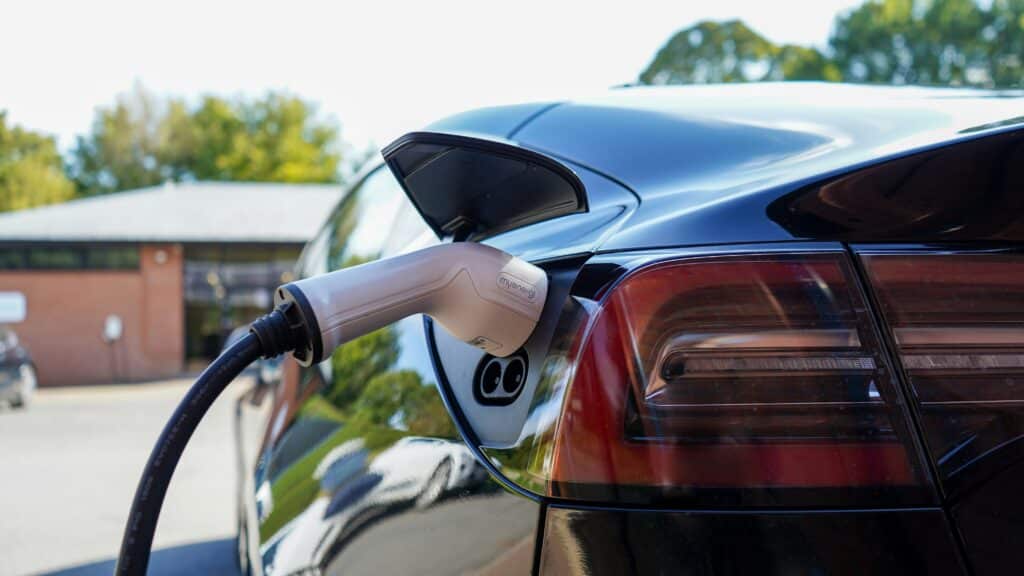
Installing an electric vehicle (EV) charger at home demands significant power, often requiring an electrical panel upgrade to ensure safety, reliable charging, and future capacity. An outdated or undersized panel risks frequent breaker trips, appliance damage, and electrical fires. This guide explains why Level 2 EV chargers often necessitate an upgrade, how a load calculation determines your needs, and outlines the process, costs, and alternatives for safe, code-compliant home charging in Central Iowa.
Assessing Your Home's Electrical Capacity for EV Charging
An electrical panel upgrade is needed when your home’s main service cannot safely handle the continuous, high-power demand of an EV charger alongside other major appliances. A licensed electrician performs a formal load calculation, comparing your current and anticipated electrical demand (including the EV charger’s continuous load) against your panel’s rated capacity. This determines if a service amperage increase or circuit rearrangement is necessary.
Signs your panel may be insufficient include: frequent breaker trips, noticeable heat or buzzing from the panel, visible corrosion or fuse-style service, and limited or no available breaker space. These are critical safety and code compliance red flags. Always consult a licensed electrician for a load calculation and inspection to prevent unsafe installations.
Electrical Requirements for Level 2 EV Chargers
Level 2 EV chargers operate at 240 volts and require a dedicated circuit, sized at 125% of the charger’s continuous current (e.g., a 32A charger needs a 40A circuit). This dedicated circuit is crucial to prevent overloads, ensure stable power, and comply with safety codes. Main service capacity is key: a 100-amp panel often has limited headroom, risking trips or slow charging, especially with other major appliances. A 200-amp service provides ample capacity for current and future electrification needs, making it a future-proof choice.
| Charger Type | Typical Voltage | Typical Continuous Amperage | Dedicated Circuit Needed |
|---|---|---|---|
| Level 1 (trickle) | 120 V | 12–16 A | Usually no (plugs into existing outlet) |
| Level 2 (home) | 240 V | 16–40 A (common 32 A) | Yes — dedicated 240V circuit required |
| Fast / DCFC (commercial) | 400–800 V | Hundreds of amps | Off-site infrastructure; not typical residential |
Process and Cost of Electrical Panel Upgrades
The upgrade process involves an initial assessment and load calculation, permit acquisition, utility coordination, physical panel/service replacement, dedicated circuit wiring, and final inspection. Costs vary significantly based on scope: a simple dedicated circuit installation is less expensive than a full 100A to 200A service upgrade, which includes panel replacement and potential meter work. Always obtain an on-site estimate from a licensed electrician for accurate pricing.
| Service Component | Description | Typical Cost Range (Central Iowa) |
|---|---|---|
| Dedicated circuit wiring | Labor and materials for 240V run and breaker | $300–$900+ |
| Panel replacement | New main panel and breakers (100A→200A adds labor) | $1,000–$3,000+ |
| Meter or service upgrade | Utility meter swap or service lateral work | $500–$2,000+ |
| Permits & inspections | Local permit fees and inspection costs | $75–$300+ |
Ready for a Safe EV Charger Installation?
Rewired Iowa offers on-site assessments, load calculations, and panel upgrades with a 5-Year Workmanship Guarantee. Get a transparent quote and timeline today!
Alternatives to a Full Electrical Panel Upgrade
If a full panel upgrade is not immediately feasible, alternatives like load management devices or smart panels can help. Load management systems dynamically limit charger power or shed non-essential circuits to prevent overloads, maximizing existing capacity. Smart panels offer dynamic power allocation, real-time monitoring, and automated load shifting. These options are suitable for moderate EV growth or budget constraints, but homeowners should consider long-term electrification plans when choosing.
| Solution | How it Works | Pros | Cons | Typical Cost Range |
|---|---|---|---|---|
| Load management device | Limits charger power or sheds non-essential circuits based on total home load. | Lower upfront cost; avoids service upgrade; maximizes existing capacity. | May reduce charge rate during peak times; adds complexity in setup. | $300–$1,200+ |
| Smart electrical panel | Dynamic allocation of power, real-time monitoring, and automated load shifting. | Future-ready; enhanced visibility and control; can defer full upgrade. | Higher initial cost than basic load management; requires compatible panel. | $1,000–$3,500+ |
| Partial upgrade/subpanel | Adding a subpanel or reconfiguring existing breakers to create dedicated space. | Targeted improvements; less invasive than full service upgrade. | Limited additional capacity compared to a full service upgrade. | $500–$2,000+ |
Rewired Iowa can assess these alternatives to determine if they safely meet your charging needs without a full service upgrade.
Benefits and Safety of Panel Upgrades
Upgrading your electrical panel for EV charging enhances safety, reliability, and future-proofs your home. Modern panels with AFCI/GFCI protection reduce fire risks and nuisance trips. Adequate service ensures consistent Level 2 charging and supports future electrification (e.g., heat pumps, multiple EVs). An EV-ready system also adds significant resale value. Always use licensed electricians for code-compliant, safe installations.
Why Choose Rewired Iowa?
As a trusted family-owned company, Rewired Iowa specializes in EV charger and panel upgrades. We offer thorough assessments, precise load calculations, efficient permitting, and expert execution, backed by a 5-Year Workmanship Guarantee. Ensure a safe, compliant, and reliable installation.
Frequently Asked Questions
1. How do I know if I need a panel upgrade for EV charging?
A licensed electrician performs a load calculation to assess if your current system can safely handle the EV charger’s continuous demand. Signs like frequent breaker trips or an old fuse box also indicate a potential need. electrical panel upgrades
2. What are the safety risks of not upgrading when needed?
Ignoring upgrade requirements can lead to electrical fires, equipment damage, and frequent system overloads, compromising your home’s safety.
3. What alternatives exist if a full upgrade isn’t possible? alternative
Load management devices or smart panels can dynamically allocate power, allowing safe EV charging without immediately increasing main service amperage, though they may reduce charge speed during peak times.
When to Upgrade Your Electrical Panel for EV Charger Installation
Upgrading your electrical panel for EV charging is a strategic investment in safety, reliability, and future-proofing your home for electrification. Understanding requirements, recognizing signs, and exploring alternatives empowers informed decisions. For a comprehensive assessment tailored to your home, contact a licensed electrician today to ensure safe, code-compliant, and future-ready EV charging.
