
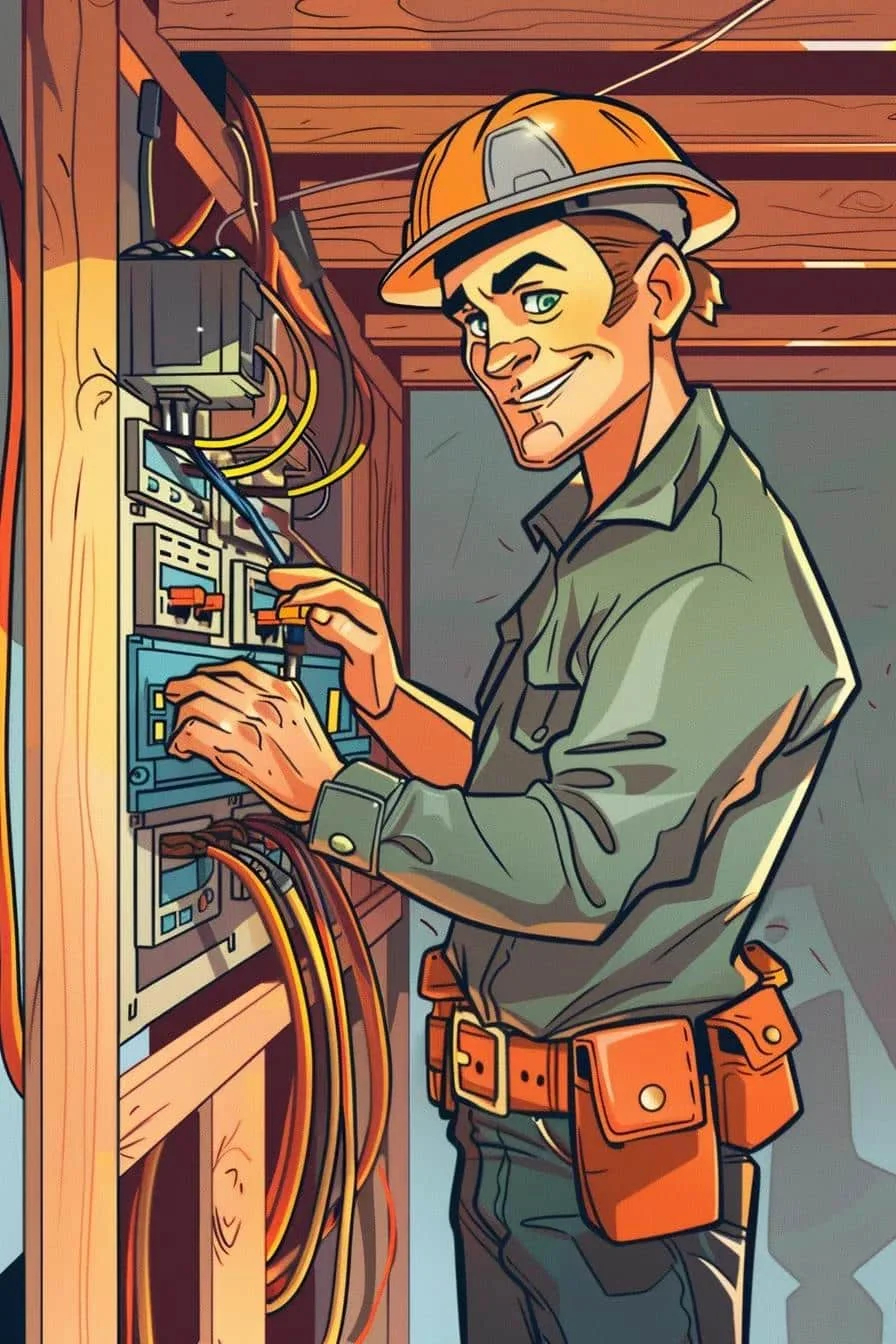
A garage or workshop subpanel gives you a safe, tidy way to add electrical capacity for detached garages, outbuildings, and dedicated workspaces. This guide walks through what a subpanel is, how it works, and why it’s a reliable solution for powering heavy tools, EV chargers, and multiple dedicated circuits. You’ll find clear info on capacity, code considerations, local costs, and how to pick the right amperage and enclosure. Practical checklists and comparison tables make it easy to decide if a subpanel is the right upgrade for your property.
What Is a Garage or Workshop Electrical Subpanel and Why Is It Essential?
A garage or workshop electrical subpanel is a secondary breaker panel that’s fed by a dedicated feeder from your main service. It puts breakers closer to the loads, cuts long branch-circuit runs, and simplifies future maintenance. The result: more usable amperage for 120V and 240V tools, clearer circuit separation, and better organization for future additions like EV charging. We recommend subpanels whenever you need localized capacity, safer circuit layout, or extra breaker space.
Garage and workshop subpanels deliver three practical benefits:
- Increased electrical capacity: Add breakers and dedicated circuits without replacing the main service.
- Improved safety and organization: Local breakers, clearer labeling, and easier maintenance cut down overloads and troubleshooting time.
- Future-proofing for heavy equipment: Supports separate 240V circuits and room for EV chargers or welders.
Those advantages make subpanels a smart upgrade for hobby shops, woodshops, and detached garages.
How Does a Subpanel Expand Electrical Capacity for Garages and Workshops?
A subpanel gets power through a properly sized feeder cable and distributes it to local breakers. Because the feeder matches the subpanel amperage, it can safely supply several branch circuits and reduce voltage drop. Typical workshop setups include 120V lighting and outlets plus 240V circuits for welders, air compressors, or EV chargers. Putting these circuits on a local subpanel helps prevent nuisance trips on the main and makes load management simpler.
What Are the Safety Benefits of Installing a Subpanel?
A correctly wired subpanel raises safety by lowering overload risk, allowing clear labeling and isolation of circuits, and supporting correct grounding and bonding per the National Electrical Code (NEC) and Iowa rules. Important safety steps include separating neutral and grounding conductors and adding a local grounding electrode for detached structures—both reduce shock and fire risk. Local breakers also let you quickly isolate problem circuits during maintenance or emergencies.
How Much Does Garage Subpanel Installation Cost in Des Moines?
Local subpanel installation costs depend on amperage, materials, labor, feeder length, permit fees, and any needed main service upgrades or trenching. A basic 60-amp subpanel for light workshop use costs less than a 100-amp or 200-amp subpanel meant for EV charging and heavy machinery. Labor goes up with difficult access or required conduit/trenching. The table below shows typical estimates for materials, labor, and permit fees.
| Amperage | Materials (panel, breakers, feeder) | Labor & Permit (estimated) |
|---|---|---|
| 60 amp | $150 – $400 | $400 – $900 |
| 100 amp | $300 – $700 | $700 – $1,400 |
| 200 amp | $600 – $1,200 | $1,200 – $2,500 |
This table assumes a typical residential install with short feeder runs and standard permits; major main-panel upgrades or long underground feeder runs can raise totals significantly.
What Factors Affect the Cost of Subpanel Installation?
Key cost drivers are amperage, distance from the main panel (feeder length), trenching or conduit needs, panel and breaker quality, and local permit/inspection fees. Retrofits or main upgrades add labor hours. Material prices vary, and specialty breakers or outdoor enclosures increase cost. Permit requirements differ by jurisdiction, and some places require separate disconnects for detached buildings.
What Are Typical Price Ranges for 60-Amp, 100-Amp, and 200-Amp Subpanels?
Below are example ranges for common installs, excluding major main upgrades or complex underground runs. A 60-amp subpanel covers small workshops; 100-amp works well for medium shops and EV-ready garages; 200-amp supports multiple 240V loads and future growth. An on-site quote is essential because feeder routing, permits, and main-panel condition change the final price.
- 60-amp installations: low $550, typical $900–$1,300, high $1,600+.
- 100-amp installations: low $1,000, typical $1,600–$2,600, high $3,500+.
- 200-amp subpanels: low $2,000, typical $3,000–$5,000, high $7,000+.
Those ranges generally include basic materials, labor, and standard permit fees. For a precise budget, have a licensed electrician do a site visit and load calculation.
How to Choose the Right Subpanel for Your Garage or Workshop?
Choosing the right subpanel starts with a load assessment to pick the proper amperage (60, 100, or 200 amps) and the right enclosure (indoor vs. outdoor) and configuration (main lug vs. main breaker). List current tools and future loads—lighting, HVAC, air compressor, table saws, welders, EV chargers—and note their amperage. The comparison table below helps match subpanel sizes to common use cases.
| Subpanel Type | Use Case | Max Circuits / Indoor or Outdoor | Recommendation |
|---|---|---|---|
| 60-amp | Light workshop, hand tools | 8–12 circuits / indoor | Good for basic garage workshops without 240V heavy tools |
| 100-amp | Medium shop, EV-ready | 12–18 circuits / indoor or outdoor | Recommended for most hobbyist shops and EV chargers |
| 200-amp | Heavy-duty workshop, multiple 240V loads | 20+ circuits / indoor or outdoor | Best for commercial-level loads or future expansion |
What Electrical Needs Should You Assess Before Selecting a Subpanel?
Inventory all planned circuits and largest single loads, noting 120V or 240V and estimating continuous and peak amperage. Examples: dust collectors (8–20A), table saws (15–30A), welders (30–60A+), EV chargers (30–50A), air compressors (20–50A). Account for simultaneous use and leave room for future upgrades. When unsure, schedule a professional load calculation.
What Are the Differences Between Main Lug and Main Breaker Subpanels?
Main lug subpanels don’t have a local main disconnect and depend on the upstream main breaker. Main breaker subpanels include a built-in main breaker for local disconnect and added protection. Main lug panels are cheaper but need a clear upstream disconnect. Main breaker panels offer local control and are often the safer, more convenient choice—especially for detached structures. For most residential garages and workshops, we recommend a main breaker subpanel.
Local Electricians for Garage & Workshop Subpanel Installation
Iowa follows the National Electrical Code (NEC) with local amendments, focusing on proper grounding, bonding, feeder sizing, and disconnects for detached structures. The NEC requires separating neutral and equipment grounding conductors at subpanels, correct conductor sizing, and often a disconnect means and grounding electrode system for detached garages. Following code keeps systems safe and smooths inspections.
How Does the National Electrical Code Apply to Detached Garage Subpanels?
The NEC requires neutral and ground buses to be isolated at subpanels, with grounding conductors sized and connected correctly. Detached garages often need a local disconnect and a grounding electrode system. Feeders must match subpanel amperage and expected loads, and 240V circuits need correctly rated breakers and cable. Local code officials may add amendments, so coordinate with the authority having jurisdiction (AHJ) to ensure compliance.
What Is the Local Des Moines Permit Process for Subpanel Installation?

Typical municipal permitting requires submitting an application, paying fees, scheduling inspections, and getting final sign-off. Fees and timelines vary by city. Licensed electricians usually handle permit submission and coordinate inspections to meet local rules. Hiring a pro who knows your local inspectors can save time and avoid rework.
How Does Rewired Iowa Ensure Safe and Professional Subpanel Installation?
Rewired Iowa installs subpanels with a safety-first, step-by-step approach: on-site assessment, professional load calculation, permit handling, and warranty-backed workmanship. As a family-owned electrical company in Des Moines, we deliver fast, friendly service, transparent pricing, and documented work. Our Subpanel Installation service includes a 5-year workmanship guarantee, an A+ BBB rating, and more than 400 five-star reviews. We provide on-site estimates and manage permits and inspections to meet NEC and Iowa requirements.
What Is the Step-by-Step Installation Process by Licensed Electricians?
- Initial consultation and on-site load and condition assessment.
- Detailed load calculation and equipment selection.
- Permit application, inspection scheduling, and material procurement.
- Installation: run feeder conductors, mount the subpanel, connect neutrals/grounds, and install breakers.
- Testing and commissioning: verify voltages, check overcurrent protection, and confirm neutral-ground separation.
- Final inspection and documentation handoff.
What Guarantees and Customer Support Does Rewired Iowa Provide?
Rewired Iowa backs installations with a 5-year workmanship guarantee that covers installation defects. We offer phone-based scheduling and follow-up support. Our local focus in Des Moines and Central Iowa means quick, responsive service. An A+ BBB rating and 400+ five-star reviews reflect transparent pricing and quality work. Those trust signals, plus permit handling and written warranties, give customers peace of mind.
What Are the Benefits of Installing a Subpanel in Your Garage or Workshop?
A subpanel brings practical, safety, and planning benefits: it supports heavy tools and EV chargers, improves circuit organization, reduces overload risk, and future-proofs your workspace. Examples: dedicated 240V circuits for EV charging or welders, separating high-draw tools to avoid nuisance trips, and adding a local disconnect for quick emergency shutoff. The table below links common benefits to the problems they solve.
| Benefit | Problem Solved | Example / Tool Supported |
|---|---|---|
| Dedicated 240V circuits | Prevents tripping and inadequate power | 240V welder, EV charger |
| Improved circuit organization | Difficult troubleshooting and maintenance | Labeled breakers for saws, compressors |
| Reduced overloads | Frequent nuisance trips from shared circuits | Simultaneous tool operation |
| Future-proofing | Costly panel replacement later | Space for additional breakers for new equipment |
How Does a Subpanel Support Heavy-Duty Workshop Tools and EV Chargers?
A subpanel gives you local breaker space and feeder capacity for 240V tools and residential EV chargers. For example, a Level 2 EV charger typically needs a 30–50A 240V breaker; welders often require 30–60A or more. Planning for simultaneous use means including the largest expected draws in your load calculation. Moving up to the next common amperage tier often gives valuable headroom for a modest extra cost.
How Does a Subpanel Improve Electrical System Organization and Safety?
A subpanel centralizes workshop and garage circuits into a clearly labeled local distribution center, making troubleshooting and maintenance quicker and safer. Local breakers let you isolate circuits without accessing the main panel—handy in emergencies. Clear labeling and reserved spaces for future breakers cut down on overfilling and simplify upgrades. These changes directly improve safety: faster shutdowns, fewer wiring errors, and lower fire risk.
If you’re ready to move forward, schedule an on-site assessment for a customized load calculation and a transparent estimate from a trusted local electrician.
- Request an on-site estimate: A pro will check panel condition, measure feeder runs, and produce a load calculation.
- Compare written estimates: Make sure quotes include permit handling, materials, labor, and warranty details.
- Confirm code compliance: Verify neutral-ground separation, grounding electrode requirements, and disconnect rules for detached garages.
If you want personalized help, call Rewired Iowa at (515) 619-5349 to request a consultation and clear, upfront pricing backed by our 5-year workmanship guarantee and local reputation in Des Moines and Central Iowa.
Frequently Asked Questions
1. What tools and equipment can benefit from a subpanel installation?
A subpanel is especially helpful for heavy-duty tools like welders, air compressors, and table saws that often need dedicated 240V circuits. It also suits residential EV chargers, letting you charge without overloading existing circuits. Subpanels let multiple tools run together without frequent breaker trips.
2. How can I ensure my subpanel installation meets local codes?
Work with a licensed electrician who knows the National Electrical Code (NEC) and Iowa amendments. They’ll handle permitting and ensure correct grounding, bonding, and neutral-ground separation. Inspections during and after installation will confirm compliance.
3. Can I install a subpanel myself, or should I hire a professional?
We strongly recommend hiring a licensed electrician. Electrical work follows strict safety standards and local codes. A qualified electrician ensures proper installation, grounding, and circuit management, reducing hazards and helping you pass inspection.
4. What is the typical timeline for a subpanel installation?
A straightforward installation can take a few hours to a full day. Jobs that require trenching or major electrical upgrades may take several days. Discuss the expected timeline with your electrician during the initial consultation.
5. What maintenance is required for a subpanel after installation?
Periodic inspections for wear, corrosion, or loose connections are recommended. Keep the panel clean and check breakers for signs of trouble. Contact a licensed electrician right away if you notice unusual sounds, smells, or repeated trips.
6. How do I determine the right amperage for my subpanel?
List current and future equipment, noting amperage for 120V and 240V devices. Factor in simultaneous use and choose a subpanel with some extra capacity for future needs. A licensed electrician can help with a professional load calculation.
7. What are the advantages of using a main breaker subpanel over a main lug subpanel?
A main breaker subpanel includes a local main breaker for quick disconnects, adding safety and convenience—useful in emergencies and for detached structures. Main lug panels rely on the upstream main breaker and are often less expensive. For most residential garage or workshop installs, a main breaker subpanel is the safer choice.
Conclusion
Adding a garage or workshop subpanel boosts electrical capacity, raises safety, and future-proofs your workspace for heavy tools and EV charging. Use the guidelines in this guide to make an informed choice, and schedule an on-site assessment with a licensed electrician to ensure a smooth installation.
Ready to Upgrade Your Garage or Workshop?
Contact Rewired Iowa for professional subpanel installation backed by local expertise and a 5-year workmanship guarantee.
