Navigating the world of electrical installations can be daunting for homeowners, especially when it comes to understanding the necessary permits required in Des Moines. This guide aims to clarify the importance of electrical permits, the application process, and the inspections involved, ensuring that homeowners are well-informed and compliant with local regulations. By understanding the permit requirements, homeowners can avoid potential legal issues and ensure the safety of their electrical systems. This article will cover the definition and purpose of electrical permits, the application process, required inspections, associated costs, and how licensed electricians can assist in ensuring compliance with safety standards.
What Are Electrical Permits and Why Are They Required in Des Moines?
Electrical permits are official approvals required by local authorities before any major electrical work can commence. They ensure that the work complies with safety standards and local building codes, protecting both the homeowner and the community. In Des Moines, obtaining an electrical permit is crucial to avoid legal penalties and ensure that installations are safe and up to code. Failure to secure the necessary permits can lead to complications during inspections and potential fines.
Definition and Purpose of Electrical Permits
The primary purpose of electrical permits is to ensure that all electrical work meets established safety standards. These permits serve as a safeguard against substandard installations that could pose risks such as electrical fires or electrocution. By requiring permits, the City of Des Moines aims to maintain high safety standards and protect the integrity of the electrical infrastructure. Additionally, permits help track the work being done, ensuring that it is completed by qualified professionals.
Role of City of Des Moines and Iowa State Building Codes
The City of Des Moines plays a vital role in enforcing electrical codes and regulations as outlined by the Iowa State Building Codes. These codes set the minimum safety standards for electrical installations, ensuring that all work is performed safely and effectively. Compliance with these codes is mandatory, and the city conducts inspections to verify adherence. Homeowners who fail to comply with these regulations may face legal penalties, including fines or the requirement to redo work that does not meet code.
Further emphasizing the critical nature of these regulations, comprehensive resources delve into the intricacies of electrical safety and code enforcement.
Electrical Codes, Safety Standards & Enforcement
Electrical codes, standards, recommended practices and regulations: An examination of relevant safety considerations. This book provides an overview of electrical safety, including procedures; code enforcement areas; general code categories; and specific safety considerations for various electrical installations.
Electrical codes, standards, recommended practices and regulations: An examination of relevant safety considerations, 2009
How Do Homeowners Apply for Major Electrical Installation Permits in Des Moines?
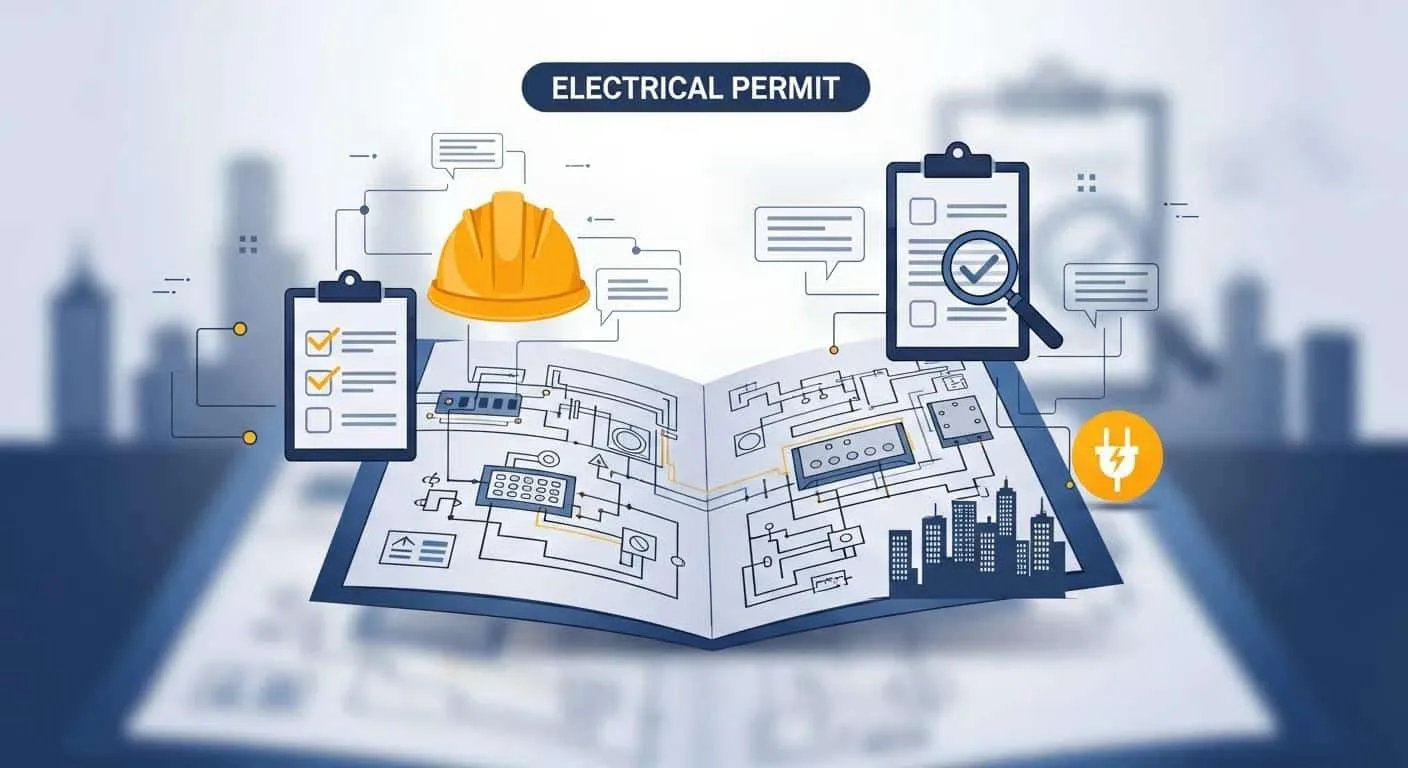
Applying for electrical installation permits in Des Moines involves several key steps that homeowners must follow to ensure compliance and safety.
- Determine the Type of Work: Identify whether the work requires a residential or commercial electrical permit.
- Gather Required Documentation: Collect necessary documents, including plans for the electrical work and proof of contractor licensing if applicable.
- Submit Application: Complete the permit application form and submit it to the City of Des Moines, either online or in person.
- Pay Fees: Pay any associated fees for the permit application.
- Await Approval: After submission, wait for the city to review and approve the application.
Consulting with licensed electricians can streamline this process, ensuring that all documentation is accurate and complete.
Eligibility and Documentation Requirements for Permit Applications
Homeowners must meet specific eligibility criteria to apply for electrical permits. This includes verifying that the work is being performed by a qualified installer and that all necessary documentation is provided. Required documents typically include:
- Proof of ownership or authorization to perform work on the property.
- Detailed plans of the proposed electrical work.
- Evidence of compliance with local codes and regulations.
Ensuring that all documentation is complete and accurate can significantly expedite the approval process.
Digital Application Process and Timelines for Approval
The City of Des Moines offers a digital application process for electrical permits, making it easier for homeowners to submit their requests. The process generally involves filling out an online form, uploading required documents, and paying fees electronically. Timelines for approval can vary based on the complexity of the project, but homeowners can typically expect a response within 10 business days. It is crucial to ensure that all submissions are complete to avoid delays.
Efforts to simplify and accelerate the permit and inspection process are continuously being explored to benefit homeowners and the broader community.
Streamlining Electrical Permits & Inspections for Homeowners
This report summarizes the EMPOWERED Distributed Energy Resources (DER) Permit Accelerator Pilot project. Its primary objective was to streamline the design, installation, permitting, and inspections of targeted Distributed Energy Resource (DER) solutions. Streamlining these processes is critical to strengthening and accelerating the adoption of DER solutions nationwide. Moreover, streamlined processes help expedite the clean energy transition and expand energy resilience by improving understanding and capability among key stakeholders like property owners, code officials, and the general workforce. The project team developed nine permitting and inspection guides for simple DER solutions, as follows: 1. Single-Family and Duplex: Electric Vehicle Service Equipment (EVSE), and Storage, Solar + Storage.
EMPOWERED Distributed Energy Resources Permit Accelerator Pilot, 2025
What Inspections Are Required for Major Electrical Work in Residential Properties?
Major electrical work in residential properties requires several inspections to ensure compliance with safety standards. These inspections are critical for verifying that the work has been completed according to the approved plans and local codes.
- Rough Inspection: Conducted before walls are closed up, this inspection checks the wiring and connections.
- Final Inspection: Performed after the installation is complete, this inspection ensures that all work meets safety standards and is functioning correctly.
- Special Inspections: In some cases, additional inspections may be required for specific types of work, such as installing new electrical panels or major rewiring.
Types of Electrical Inspections and Their Scheduling
Homeowners should be aware of the different types of inspections required for their projects. Scheduling these inspections is typically done through the City of Des Moines’ online portal. It is essential to plan for these inspections early in the project timeline to avoid delays in completion.
How Licensed Electricians Facilitate Inspection Compliance
Licensed electricians play a crucial role in ensuring that all electrical work complies with local codes and passes inspections. They are trained to understand the specific requirements of the Iowa State Building Codes and can help homeowners navigate the inspection process. By hiring a licensed electrician, homeowners can reduce the risk of code violations and ensure that their installations are safe and compliant.
What Are the Costs and Fees Associated with Electrical Permits in Des Moines?
Understanding the costs associated with electrical permits is essential for homeowners planning major installations. The fees can vary based on the type of work being performed and the complexity of the project.
Fee Schedules for Residential Electrical Permits
The City of Des Moines provides a fee schedule for various types of electrical permits. Typical fees may include:
- Residential Electrical Permit: $50 for standard installations.
- Commercial Electrical Permit: $150 for larger projects.
- Inspection Fees: Additional fees may apply for each inspection conducted.
Homeowners should budget for these costs when planning their electrical projects.
Factors Influencing Permit Costs and Possible Additional Charges
Several factors can influence the overall cost of electrical permits, including:
- Project Scope: Larger or more complex projects may incur higher fees.
- Additional Inspections: If extra inspections are required, this can increase costs.
- Permit Expiration: Permits that expire may require reapplication and additional fees.
Being aware of these factors can help homeowners better manage their budgets.
How Do Licensed Electricians Ensure Safety and Code Compliance in Major Installations?
Licensed electricians are essential for ensuring that major electrical installations are performed safely and in compliance with local codes. Their expertise helps prevent common issues that can arise during electrical work.
Qualifications and Licensing Requirements for Electricians in Iowa
In Iowa, electricians must meet specific qualifications and licensing requirements to perform electrical work legally. This includes completing an accredited training program and passing a licensing exam. These requirements ensure that electricians are knowledgeable about safety standards and local codes.
Common Code Violations and How Professionals Prevent Them
Common code violations in electrical work can lead to serious safety hazards. Licensed electricians are trained to recognize and prevent these violations, which may include:
- Improper Wiring: Ensuring that all wiring is installed correctly to prevent electrical fires.
- Inadequate Grounding: Proper grounding is essential for safety and compliance.
- Overloading Circuits: Electricians can help design systems that prevent circuit overloads.
By hiring licensed professionals, homeowners can significantly reduce the risk of these violations.
Understanding the broader context of homeowner compliance with electrical safety standards is crucial for ensuring community-wide safety.
Homeowner Electrical Safety & Compliance Standards
This study aims to evaluate the level of awareness and compliance of residents in Laoag City, Ilocos Norte, Philippines with electrical installation safety standards, identify factors affecting compliance, and propose strategies to improve awareness and adherence. Using a convergent parallel mixed-methods design, quantitative data are collected through survey questionnaires and compliance checklists, while qualitative insights are gathered through semi-structured interviews with key informants, including electricians, local government officials, and safety inspectors.
Electrical Safety Standards Awareness and Compliance: A Pathway to Achieving SDG 7, SDG 11, and SDG 9, 2025
Where Can Homeowners Find Additional Resources and Support for Electrical Permits in Des Moines?
Homeowners seeking additional resources and support for electrical permits can access various tools and services.
City of Des Moines Permit Offices and Online Portals
The City of Des Moines provides several resources for homeowners, including:
- Permit Office: Located at City Hall, where homeowners can ask questions and get assistance with applications.
- Online Portal: A user-friendly platform for submitting applications and scheduling inspections.
These resources are invaluable for homeowners navigating the permit process.
Rewired Iowa’s Services for Permit Assistance and Electrical Installations
Rewired Iowa offers comprehensive services for homeowners needing assistance with electrical permits and installations. As a licensed electrical contractor, they specialize in both residential and commercial electrical services in Des Moines and the Greater Iowa Metro area. Their expertise ensures that all work is compliant with local codes, providing peace of mind for homeowners. For those looking to schedule electrical services or seek guidance on permits, Rewired Iowa is a reliable resource.

John Senn is a licensed Master Electrician based in Des Moines, Iowa with over 20 years of hands‑on experience serving homes and businesses across the state. He specializes in electrical panel upgrades, whole‑home generator installations, EV charger setups, and 24‑hour emergency service. As the owner of a growing team of certified electricians, John has built a reputation for safe, code‑compliant work and practical solutions that keep Iowa families and businesses powered up. His deep knowledge of Iowa’s electrical codes and his commitment to ongoing training make him a trusted voice in the trade and a go‑to expert for reliable electrical work in Des Moines and beyond.