
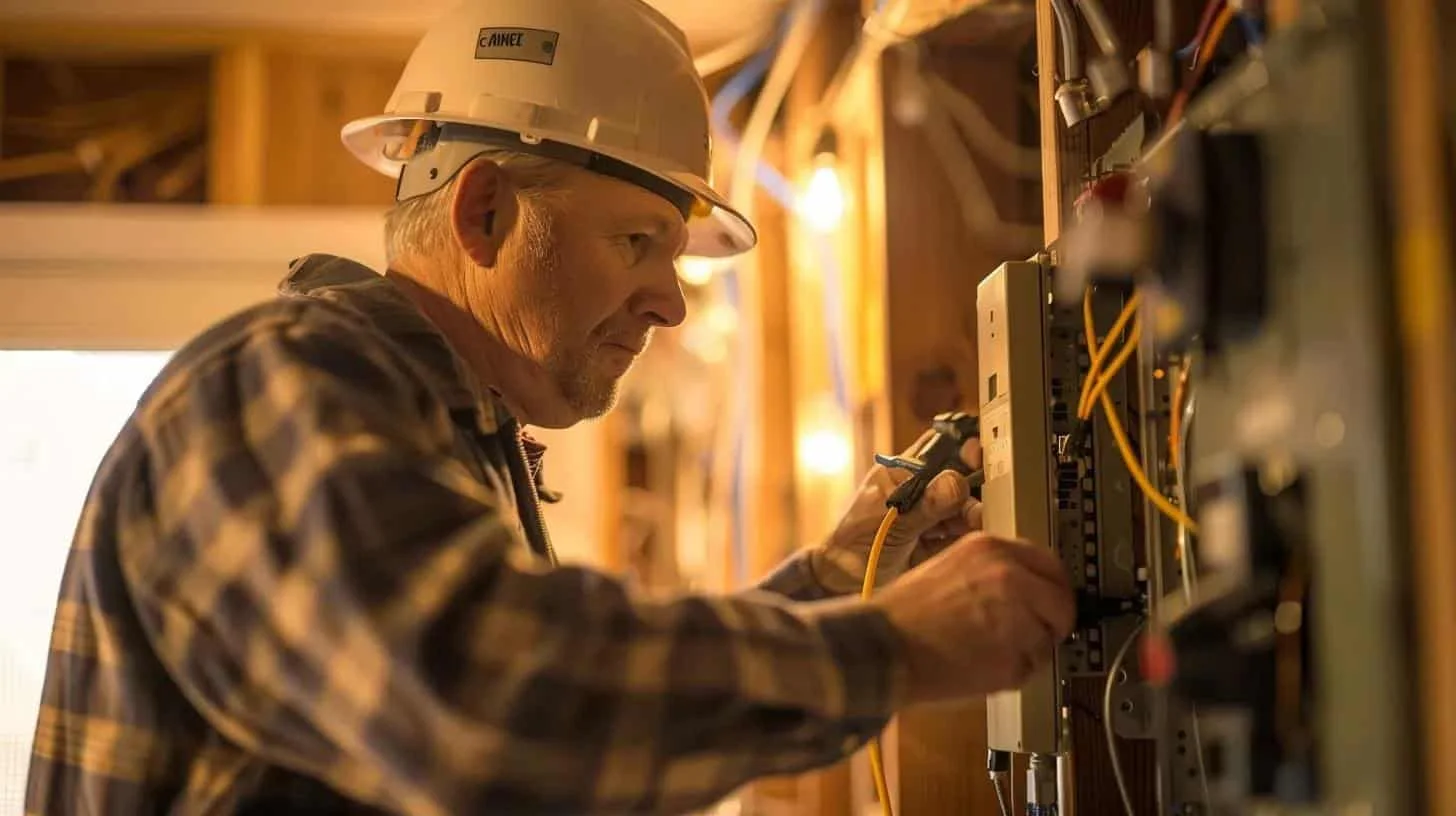
Expert Home Electrical Rewiring Services in West Des Moines
By John Senn, Rewired Iowa Electrician Des Moines
When it comes to home electrical rewiring, choosing the right electrician is crucial for ensuring safety and compliance with local codes. Homeowners in West Des Moines often face the challenge of finding a reliable and licensed electrician who can handle their rewiring needs effectively. This article will explore the importance of hiring licensed electricians, the qualifications that define expert services, and the rewiring process itself. Additionally, we will discuss the costs associated with residential electrical rewiring and the financing options available to homeowners. By the end of this guide, you will have a comprehensive understanding of how to select the best electrician for your home rewiring project.
Why Choose a Licensed Electrician for Home Rewiring in West Des Moines?
Hiring a licensed electrician for home rewiring is essential for several reasons. First and foremost, licensed electricians are trained to meet safety standards and legal requirements, ensuring that all work complies with local building codes. This compliance not only protects your home but also provides peace of mind knowing that the work is done correctly. Additionally, licensed electricians bring a wealth of experience and knowledge, which can lead to long-term savings by preventing future electrical issues.
Rewired Iowa, a licensed electrical service provider, exemplifies the importance of hiring qualified professionals. Their team is dedicated to delivering safe and reliable electrical solutions tailored to the needs of homeowners in the Greater Des Moines Metro area, including West Des Moines.
How Does Licensing Ensure Electrical Safety and Code Compliance?

Licensing is a critical factor in ensuring electrical safety and code compliance. Licensed electricians undergo rigorous training and education, which equips them with the knowledge of current electrical codes and safety standards. This training includes understanding the importance of obtaining necessary permits before starting any electrical work, which is vital for ensuring that all installations are inspected and approved by local authorities.
The importance of continuous learning and adherence to licensing requirements for electricians is further emphasized by research into occupational regulation and workplace safety.
Electrician Licensing Requirements & Continuing Education
in becoming licensed: a general age-education requirement, and a continuing education requirement. These elements of the licensing process, in addition to the type of licensing (ie,)
Life, limbs, and licensing: Occupational regulation, wages, and workplace safety of electricians, 1992-2007, MM Kleiner, 1992
Moreover, licensed electricians are familiar with the latest technologies and safety devices, which can significantly reduce the risk of electrical hazards in your home. By hiring a licensed professional, homeowners can rest assured that their electrical systems are safe and compliant with all regulations.
What Qualifications and Experience Define Rewired Iowa’s Electricians?
Rewired Iowa’s electricians are distinguished by their state electrical licenses, which are a testament to their expertise and commitment to quality. In addition to holding valid licenses, these professionals engage in ongoing education and training to stay updated on the latest advancements in electrical technology and safety practices. This continuous learning ensures that they can handle a variety of projects, from residential rewiring to complex commercial electrical solutions.
Their specialization in various projects allows them to address the unique needs of each client effectively. Homeowners can trust that Rewired Iowa’s electricians possess the qualifications and experience necessary to deliver high-quality electrical services.
Expert Home Electrical Rewiring Services in West Des Moines

The home electrical rewiring process is a comprehensive procedure designed to upgrade outdated wiring systems and enhance safety. This process typically begins with an initial assessment and planning phase, where electricians evaluate the existing wiring and identify areas that require upgrades. Following this assessment, the actual rewiring is executed, which involves replacing old wiring with new, safer materials.
Once the rewiring is complete, thorough testing and inspection are conducted to ensure that everything is functioning correctly and safely. This meticulous process not only improves the overall safety of the electrical system but also enhances the efficiency of electrical devices throughout the home.
What Are the Key Steps in Upgrading or Replacing Residential Wiring?
Upgrading or replacing residential wiring involves several key steps:
- Assessment of Existing Wiring: Electricians evaluate the current wiring system to identify any issues or hazards.
- Obtaining Permits: Necessary permits are secured to ensure compliance with local regulations.
- Final Approval and Documentation: After the rewiring is completed, inspections are conducted, and documentation is provided to confirm that the work meets all safety standards.
These steps are crucial for ensuring that the rewiring process is completed safely and effectively.
Educational programs for aspiring electricians often cover these essential steps, from initial blueprints to final load center upgrades.
Residential Wiring Course: Blueprint to Load Center Upgrades
The second in a series of three curriculum packages on wiring, these materials for a five-unit course were developed to prepare postsecondary students for entry-level employment in the residential wiring trade. The five units are: (1) blueprint reading and load calculations; (2) rough-in; (3) service; (4) trim out and troubleshooting; and (5) load center changes.
Residential Wiring., 1988
How Does Rewiring Address Common Electrical Hazards in West Des Moines Homes?
Rewiring plays a significant role in addressing common electrical hazards found in many West Des Moines homes. One of the primary benefits of rewiring is the elimination of outdated wiring, which can pose serious safety risks. By replacing old wiring with modern materials, homeowners can significantly reduce the likelihood of electrical fires and other hazards.
Understanding specific electrical hazards is crucial for effective rewiring, as highlighted by studies on residential building safety.
Identifying Electrical Hazards in Residential Buildings
aware of ungrounded circuit and equipment, coiled extension leads, and covered ventilation holes in electrical equipment as electrical Hazards in residential buildings.
ASSESSMENT OF ELECTRICAL HAZARD AWARENESS AND RISK MANAGEMENT IN BUILDINGS, HJ Sule
Additionally, rewiring often includes the installation of modern safety devices, such as circuit breakers and GFCI outlets, which provide an extra layer of protection against electrical shocks. Upgraded electrical panels also enhance the overall safety and efficiency of the electrical system, ensuring that it can handle the demands of modern appliances and devices.
How Much Does Residential Electrical Rewiring Cost in Iowa and What Financing Options Are Available?
The cost of residential electrical rewiring in Iowa can vary based on several factors, including the size of the home, the complexity of the project, and the type of materials used. On average, homeowners can expect to pay between $1,500 and $3,000 for a complete rewiring project. However, specific costs may differ based on individual circumstances.
Rewired Iowa offers transparent pricing and flexible payment plans to help homeowners manage the costs associated with rewiring projects. Understanding the factors that influence pricing can help homeowners make informed decisions about their electrical needs.
What Factors Influence the Cost of Home Rewiring Services?
Several factors can influence the cost of home rewiring services, including:
- Home Size and Wiring Accessibility: Larger homes or those with difficult-to-access wiring may incur higher costs.
- Existing Wiring Type: Homes with outdated or non-compliant wiring may require more extensive work to bring them up to code.
- Panel Upgrades and Permits: If a new electrical panel is needed or additional permits are required, this can increase the overall cost.
By considering these factors, homeowners can better understand the potential costs associated with their rewiring projects.
Are There Flexible Payment Plans or Financing Solutions for Rewiring Projects?
Rewired Iowa understands that the cost of rewiring can be a significant investment for homeowners. To alleviate financial concerns, they offer flexible payment plans and financing solutions tailored to meet the needs of their clients. These options allow homeowners to manage their budgets effectively while ensuring that their electrical systems are safe and up to date.
By providing transparent pricing and accessible financing, Rewired Iowa aims to make essential electrical services available to all homeowners in the Greater Des Moines area.
What Emergency Electrical Repair and Panel Upgrade Services Are Offered in West Des Moines?
In addition to rewiring services, Rewired Iowa also offers emergency electrical repair and panel upgrade services. These services are crucial for homeowners who may experience unexpected electrical issues that require immediate attention. Rapid response to electrical emergencies can prevent further damage and ensure the safety of the home.
When Should Homeowners Seek Emergency Electrical Repairs?
Homeowners should seek emergency electrical repairs if they notice any of the following signs:
- Burning Smell or Smoke: Any unusual odors or smoke coming from outlets or appliances should be addressed immediately.
- Flickering Lights: Frequent flickering or dimming of lights can indicate underlying electrical issues.
- Sparking Outlets: Outlets that spark when plugging in devices are a serious safety hazard and require urgent attention.
Recognizing these signs can help homeowners take prompt action to protect their homes and families.
How Do Electrical Panel Upgrades Complement Home Rewiring for Enhanced Safety?
Electrical panel upgrades are an essential complement to home rewiring, as they enhance the overall safety and efficiency of the electrical system. Upgrading the electrical panel increases capacity, allowing homeowners to use more appliances and devices without overloading the system. This upgrade also incorporates enhanced safety features, such as modern circuit breakers that provide better protection against electrical faults.
By combining rewiring with panel upgrades, homeowners can future-proof their electrical systems, ensuring they meet the demands of modern living while maintaining safety and compliance with current codes.

John Senn is a licensed Master Electrician based in Des Moines, Iowa with over 20 years of hands‑on experience serving homes and businesses across the state. He specializes in electrical panel upgrades, whole‑home generator installations, EV charger setups, and 24‑hour emergency service. As the owner of a growing team of certified electricians, John has built a reputation for safe, code‑compliant work and practical solutions that keep Iowa families and businesses powered up. His deep knowledge of Iowa’s electrical codes and his commitment to ongoing training make him a trusted voice in the trade and a go‑to expert for reliable electrical work in Des Moines and beyond.