
Understanding Electrical Installation Cost Factors in Des Moines: A Guide to Pricing Influences and Estimates
By John Senn, Rewired Iowa Electrician Des Moines
Understanding the factors that influence electrical installation pricing is crucial for homeowners and businesses in Des Moines. Various elements contribute to the overall cost, including labor, materials, and project complexity. This guide will delve into the key factors affecting electrical installation costs, providing insights that can help you budget effectively for your next project. By recognizing these influences, you can make informed decisions and avoid unexpected expenses. We will explore labor costs, project complexity, material quality, permit fees, and more, ensuring you have a comprehensive understanding of what to expect when hiring licensed electricians in Des Moines.
Labor Costs
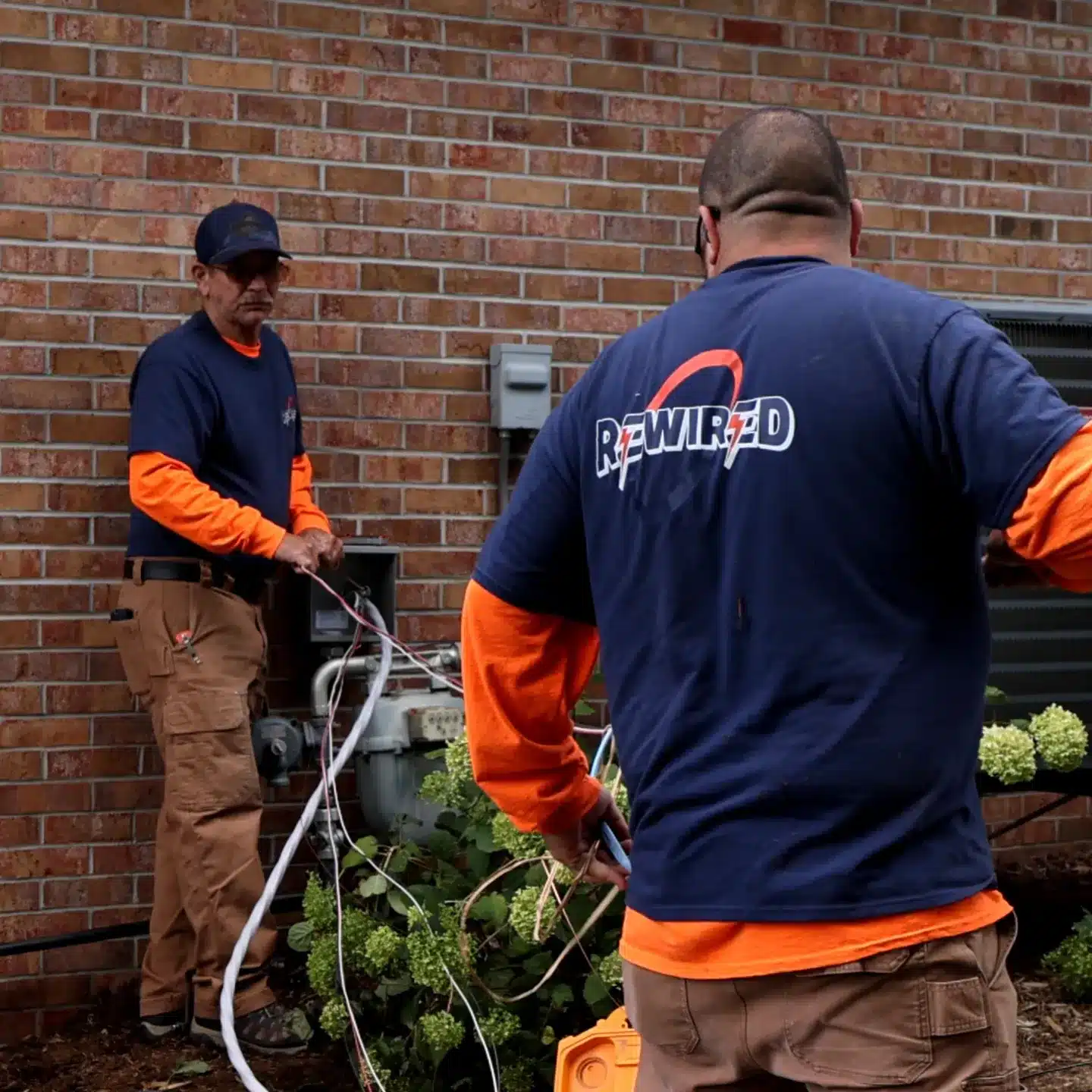
Labor costs are a significant component of electrical installation pricing, varying based on the experience level of the electrician and the complexity of the project. Typically, electricians are categorized into three levels: apprentice, journeyman, and master. Each level commands different hourly rates, reflecting their expertise and experience.
Factors such as electrician absenteeism can also indirectly influence labor costs by affecting project timelines and efficiency.
Electrician Absenteeism & Labor Cost Impact
Figure 1 displays the top five reasons, by their average rating, for electrician absenteeism as reported by managers and the top five reasons as reported by the electricians.
Absenteeism and turnover impact on labor productivity for electrical contractors, AS Hanna, 2003
- Apprentice Electricians: $18 – $25 per hour
- Journeyman Electricians: $25 – $45 per hour
- Master Electricians: $50 – $75 per hour
The complexity of the project can also impact labor costs, as more intricate tasks require more skilled labor and time. It is advisable to obtain multiple quotes to ensure competitive pricing and to understand the range of services offered. This approach not only helps in budgeting but also in selecting the right professional for your needs.
Indeed, securing a precise quotation is a foundational step in managing project expenses effectively.
Estimating Electrical Installation Costs & Price Factors
secure a quotation, then divide this price by the price given in our table, and thus establish the factor by which to multiply other prices in the same table to get present prices.
… mechanical and electrical cost data: giving shipping weights, capacities, outputs, and net prices of machines and apparatus, and detailed costs of installation …, 1918
Project Complexity
The complexity of an electrical project significantly affects the overall costs. Simple tasks, such as replacing an outlet, may cost between $75 and $150, while more complex installations, like panel upgrades, can range from $800 to $1,500. Whole-house rewiring is a more extensive project, typically costing between $3,500 and $8,000.
Understanding the scope of your project is essential for accurate budgeting. More complex projects often require additional planning, resources, and time, which can lead to higher labor costs. Therefore, it is crucial to assess the complexity of your electrical needs before proceeding.
Material Quality
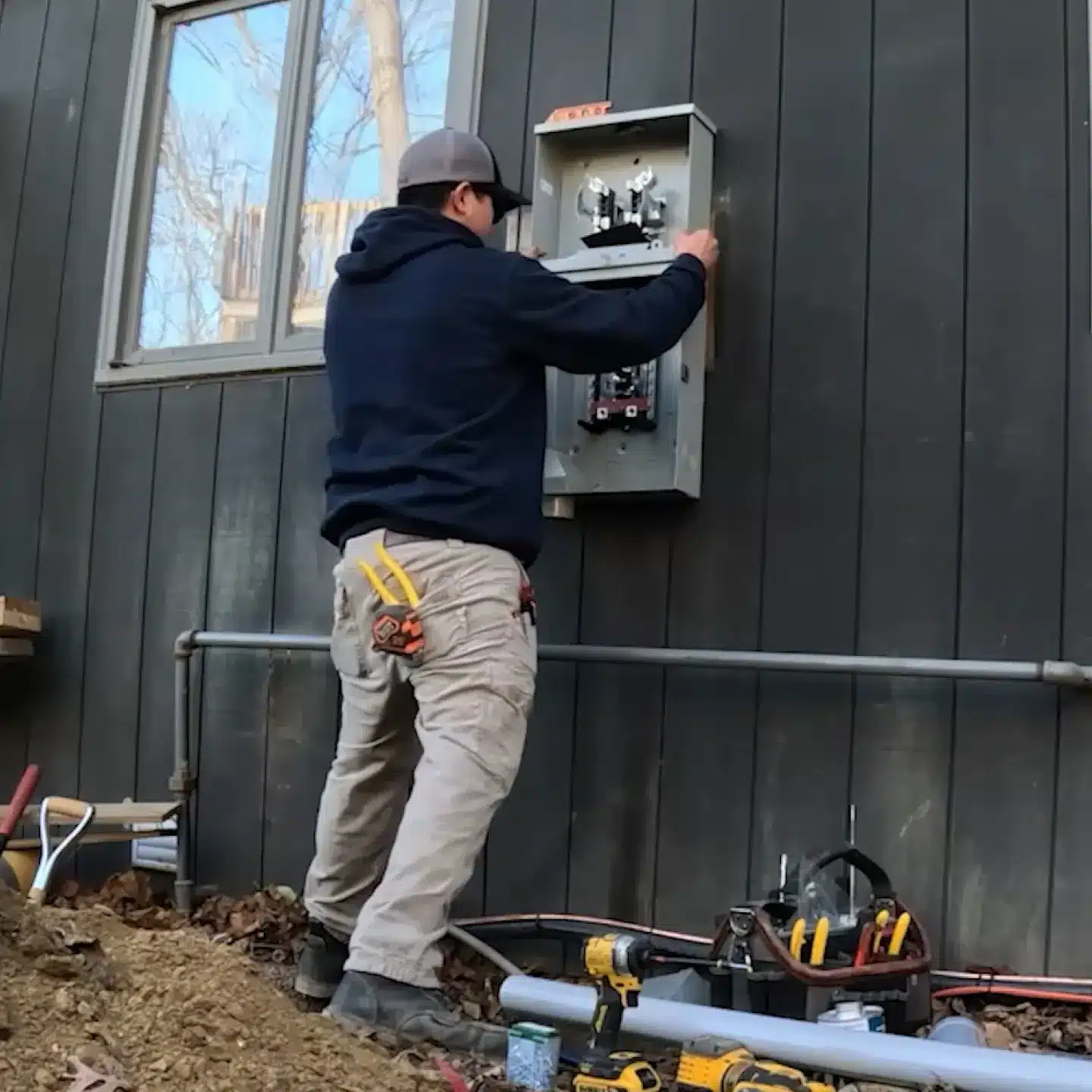
The choice of materials used in electrical installations can greatly influence the overall cost. Higher-quality materials typically lead to increased expenses but can provide long-term savings through durability and efficiency. For instance, premium wiring and circuit breakers may cost more upfront but can reduce maintenance and replacement costs over time.
The quality of materials, alongside thorough planning and supervision, is paramount for ensuring the safety and longevity of any electrical system.
Residential Electrical Installation Cost Factors: Planning, Materials, Supervision
Background issues in residential electrical installations, such as inadequate planning, poor materials, insufficient supervision, and regulatory compliance, significantly impact project quality and safety. Significant results indicated that key factors contributing to quality issues include insufficient project planning (62.50% of respondents), poor quality materials (41.66%), and inadequate supervision (50%).
Development of A Quality Management Framework for Installation of Electrical works in Residential Settlements., MK Nsefu, 2026
Additionally, permit fees can add 10% to 20% to the total project cost, depending on the materials used and the scope of work. It is essential to discuss material options with your electrician to find a balance between quality and budget.
Permit Fees
Obtaining the necessary permits for electrical work is a critical step that can incur additional costs. Typical permit fees in Des Moines include:
- Residential Electrical Permit: $30
- Commercial Electrical Permit: $100
- Inspection Fees: May apply for each inspection conducted
Compliance with local codes is essential, as failure to obtain the proper permits can lead to fines and complications during inspections. Understanding these fees and their implications can help you budget more effectively for your electrical project.
Accessibility
The location of the work area can also influence installation costs. Hard-to-reach areas may require additional labor and time, leading to increased expenses. For example, if electrical work needs to be done in a cramped attic or a basement with limited access, the labor costs may rise due to the extra effort required.
When planning your project, consider the accessibility of the work area and discuss any potential challenges with your electrician. This foresight can help you avoid unexpected costs and delays.
Emergency Services
Emergency electrical services often come with higher rates due to the urgent nature of the work. Factors contributing to increased costs include the time of day, the complexity of the issue, and the need for immediate response.
Having a reliable electrician for emergencies is crucial, as delays can lead to further complications and costs. It is advisable to establish a relationship with a licensed electrician in Des Moines who can provide emergency services when needed.
Extent of Work
The extent of the work required for an electrical project can significantly impact pricing. Projects that involve partial updates, such as adding new outlets or fixtures, will generally be less expensive than complete overhauls, which require extensive planning and resources.
Understanding the scope of your project and discussing it with your electrician can help you gauge the potential costs involved. Larger projects may also require more time and labor, which can further influence the overall price.
Local Codes and Regulations
Compliance with local electrical codes and regulations is essential for any electrical installation. Adhering to these codes can increase upfront costs but ensures safety and legality in your electrical work.
Understanding the local regulations in Des Moines can help you avoid fines and ensure that your installation meets all necessary standards. It is advisable to work with a licensed electrician who is familiar with these codes to ensure compliance.
Summary
In summary, several key factors influence electrical installation pricing in Des Moines, including labor costs, project complexity, material quality, permit fees, accessibility, emergency services, extent of work, and local codes. By understanding these elements, you can better prepare for your electrical project and budget accordingly. If you are looking for licensed electricians in Des Moines, consider reaching out to Rewired Iowa, a trusted provider specializing in residential and commercial electrical installations, repairs, and upgrades. Their expertise can help you navigate the complexities of your electrical needs while ensuring compliance with local regulations.

John Senn is a licensed Master Electrician based in Des Moines, Iowa with over 20 years of hands‑on experience serving homes and businesses across the state. He specializes in electrical panel upgrades, whole‑home generator installations, EV charger setups, and 24‑hour emergency service. As the owner of a growing team of certified electricians, John has built a reputation for safe, code‑compliant work and practical solutions that keep Iowa families and businesses powered up. His deep knowledge of Iowa’s electrical codes and his commitment to ongoing training make him a trusted voice in the trade and a go‑to expert for reliable electrical work in Des Moines and beyond.