10 Signs Your Electrical Panel Needs an Upgrade: Ensuring Home Safety and Efficiency
By John Senn, Rewired Iowa Electrician Des Moines
An electrical panel is a crucial component of your home’s electrical system, responsible for distributing electricity throughout your residence. Recognizing when your electrical panel needs an upgrade is essential for maintaining safety and efficiency. This article will explore the key indicators that signal the need for an upgrade, helping homeowners avoid potential hazards and ensure their electrical systems are up to date. You will learn about common signs such as frequent circuit breaker tripping, flickering lights, and the age of your panel. Additionally, we will discuss the importance of professional inspections and the safety risks associated with outdated panels. By understanding these signs, you can take proactive steps to enhance your home’s electrical safety.
What Are the Key Indicators That Your Electrical Panel Requires Replacement?
Identifying the signs that indicate the need for an electrical panel replacement is vital for maintaining a safe home environment. Here are some key indicators:
- Frequent Breaker Trips: If your circuit breakers trip often, it may indicate that your panel is overloaded or malfunctioning.
- Flickering Lights: Flickering or dimming lights can signal that your electrical panel is struggling to provide consistent power.
- Old Panel Age: If your electrical panel is over 25 years old, it may not meet current safety standards or power demands.
- Burning Smell: A burning smell near the panel can indicate overheating, which poses a serious fire risk.
- Corrosion or Rust: Visible corrosion or rust on the panel can compromise its functionality and safety.
- Buzzing Sounds: Unusual buzzing or humming noises from the panel may suggest electrical issues that need immediate attention.
- Inadequate Power Supply: If you frequently experience power outages or insufficient power for your appliances, it may be time for an upgrade.
- Unusual Heat: If the panel feels hot to the touch, it could indicate an overload or faulty wiring.
- Incompatible with Modern Appliances: Older panels may not support the electrical demands of modern appliances and technology.
- Visible Damage: Any visible damage to the panel, such as cracks or broken components, warrants immediate inspection and potential replacement.
Recognizing these signs early can help prevent more significant issues down the line. If you suspect your electrical panel needs an upgrade, consider consulting a professional service like Rewired Iowa, which specializes in electrical panel upgrades to ensure your home remains safe and efficient.
How Does Frequent Circuit Breaker Tripping Signal Panel Issues?
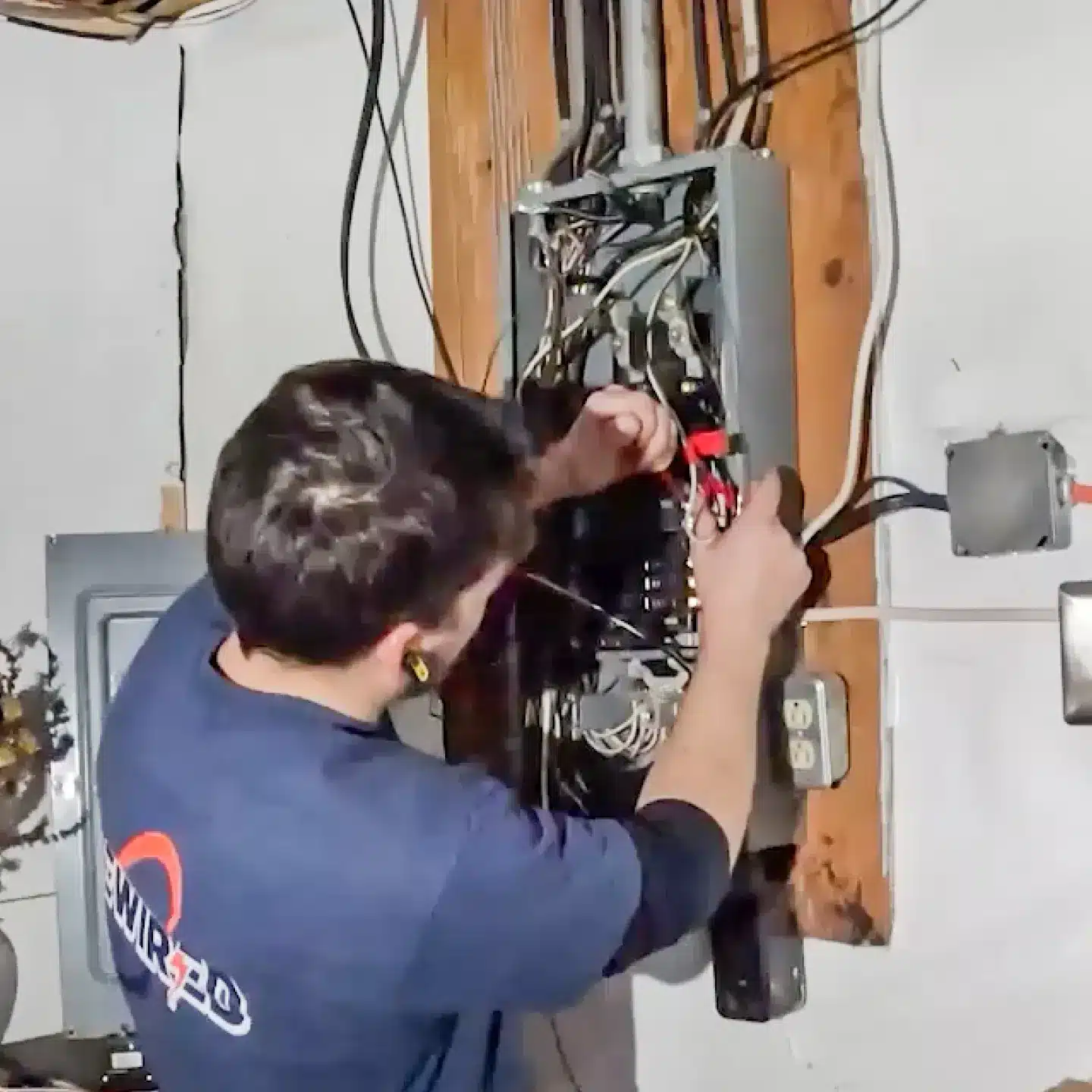
Frequent circuit breaker tripping is a common sign that your electrical panel may be experiencing issues. This phenomenon often occurs when circuits are overloaded, meaning that too many devices are drawing power from a single circuit. Additionally, faulty breakers or loose connections can contribute to this problem. When a breaker trips, it is designed to cut off power to prevent overheating and potential fires. However, if this happens regularly, it indicates that your panel may not be able to handle the electrical load required by your home.
Understanding the implications of frequent tripping can help homeowners take necessary actions to address the underlying issues. Regular inspections and upgrades can ensure that your electrical system remains safe and functional. For reliable electrical panel upgrades, consider consulting with professionals.
Why Is Flickering or Dimming Lights a Warning Sign?

Flickering or dimming lights are often more than just an annoyance; they can indicate serious electrical issues. This phenomenon typically occurs due to voltage fluctuations, which can be caused by loose connections, overloaded circuits, or an aging electrical panel. When the electrical panel cannot maintain a consistent voltage level, it results in lights that flicker or dim unexpectedly.
Addressing this issue promptly is crucial, as it can lead to further complications, including damage to electrical appliances and increased fire risks. Homeowners should consider having their electrical systems evaluated by professionals to identify and rectify the root causes of these symptoms. For professional electrical services, it’s important to choose a trusted provider.
How Can a Professional Electrical Panel Inspection Confirm Upgrade Needs?
A professional electrical panel inspection is essential for confirming whether an upgrade is necessary. During an inspection, a qualified electrician will conduct an initial assessment of the panel’s condition, checking for signs of wear, damage, or outdated components. They will identify any issues that could compromise safety, such as loose connections or inadequate grounding.
The inspection process typically includes:
- Visual Examination: Inspecting the panel for signs of corrosion, rust, or physical damage.
- Testing Breakers: Ensuring that all circuit breakers function correctly and trip as intended.
- Load Testing: Evaluating the panel’s capacity to handle the electrical load of the home.
- Documentation: Providing a detailed report of findings and recommendations for any necessary upgrades.
This thorough evaluation helps homeowners understand the current state of their electrical systems and make informed decisions about upgrades.
What Does an Electrical Panel Inspection Checklist Include?
An electrical panel inspection checklist is a valuable tool for electricians to ensure that all critical components are evaluated during an inspection. Key items typically included in the checklist are:
- Main Service Panel Integrity: Checking for physical damage or signs of wear.
- Grounding and Bonding Continuity: Ensuring that grounding systems are intact and functioning properly.
- AFCI and GFCI Functionality: Testing arc-fault circuit interrupters (AFCIs) and ground-fault circuit interrupters (GFCIs) for proper operation.
- Breaker Condition: Inspecting breakers for signs of overheating or damage.
- Wiring Inspection: Evaluating the condition of wiring connected to the panel.
This checklist helps ensure that all aspects of the electrical panel are thoroughly examined, providing a comprehensive overview of its condition and any necessary upgrades.
When Should Homeowners Schedule an Electrical Panel Evaluation?
Homeowners should consider scheduling an electrical panel evaluation under several circumstances. Key times to schedule an evaluation include:
- Frequent Breaker Trips: If you notice that your breakers trip often, it’s time for an evaluation.
- Flickering Lights: Dimming or flickering lights can indicate underlying issues that need to be addressed.
- Old Panel Age: If your panel is over 25 years old, it’s wise to have it evaluated for safety and efficiency.
- Home Renovations: If you are planning to add new appliances or conduct renovations, an evaluation can ensure your panel can handle the increased load.
Regular evaluations can help identify potential issues before they escalate, ensuring your home remains safe and efficient.
What Are the Safety Risks Associated with an Outdated Electrical Panel?
An outdated electrical panel poses several safety risks that can jeopardize your home and family. Key risks include:
- Increased Fire Risks: Old panels may not have the necessary safety features to prevent overheating and electrical fires.
- Overloaded Circuits: An outdated panel may struggle to handle the electrical demands of modern appliances, leading to overloaded circuits.
- Shock Hazards: Worn or damaged components can create shock hazards for anyone interacting with the electrical system.
Understanding these risks emphasizes the importance of upgrading to a modern electrical panel that meets current safety standards.
How Do Electrical Panel Safety Issues Increase Fire Hazards?
Electrical panel safety issues can significantly increase fire hazards in a home. Common factors contributing to this risk include:
- Insufficient Capacity: An electrical panel that cannot handle the load may overheat, leading to fires.
- Poor Connections: Loose or corroded connections can generate heat and sparks, creating fire hazards.
- Outdated Safety Features: Older panels may lack modern safety features, such as AFCIs and GFCIs, which help prevent electrical fires.
Addressing these safety issues through regular inspections and timely upgrades is crucial for maintaining a safe home environment.
What National Electrical Code Standards Must Upgrades Meet?
Upgrading an electrical panel must comply with the National Electrical Code (NEC) standards to ensure safety and functionality. Key standards include:
- Panel Construction Standards: Panels must be constructed to withstand specific electrical loads and environmental conditions.
- Busbar Ratings: The busbars within the panel must be rated for the expected amperage to prevent overheating.
- Working Space Requirements: Adequate space must be maintained around the panel for safe access and operation.
Ensuring compliance with these standards during upgrades helps protect homeowners from potential hazards and ensures the electrical system operates efficiently.
What Are the Typical Costs and Financing Options for Breaker Panel Upgrades?
The costs associated with breaker panel upgrades can vary based on several factors, including the complexity of the installation and the type of panel required. Typical costs range from $1,500 to $3,500, depending on the specific needs of the home. Homeowners should also consider financing options available for electrical panel upgrades, which may include:
- Utility Rebates: Some utility companies offer rebates for energy-efficient upgrades.
- Government Grants: Various programs may provide financial assistance for electrical upgrades.
- Contractor Financing Plans: Many electrical service providers offer financing options to help homeowners manage upgrade costs.
Exploring these options can make necessary upgrades more affordable and accessible.
How Is Breaker Panel Upgrade Cost Determined?
The cost of a breaker panel upgrade is determined by several factors, including:
- Panel Amperage: Higher amperage panels typically cost more due to increased capacity and complexity.
- Labor Complexity: The difficulty of the installation can affect labor costs, especially if extensive rewiring is required.
- Permit Fees: Local regulations may require permits for electrical work, adding to the overall cost.
Understanding these factors can help homeowners budget effectively for their electrical panel upgrades.
What Financing Solutions Are Available for Electrical Panel Upgrades?
Homeowners looking to finance their electrical panel upgrades have several options available to them. Common financing solutions include:
- Utility Rebates: Many utility companies offer rebates for energy-efficient upgrades, which can help offset costs.
- Government Grants: Various local and federal programs may provide grants for electrical upgrades, especially for low-income households.
- Contractor Financing Plans: Many electrical service providers, like Rewired Iowa, offer financing plans that allow homeowners to pay for upgrades over time.
These financing solutions can make it easier for homeowners to invest in necessary upgrades while managing their budgets effectively.

John Senn is a licensed Master Electrician based in Des Moines, Iowa with over 20 years of hands‑on experience serving homes and businesses across the state. He specializes in electrical panel upgrades, whole‑home generator installations, EV charger setups, and 24‑hour emergency service. As the owner of a growing team of certified electricians, John has built a reputation for safe, code‑compliant work and practical solutions that keep Iowa families and businesses powered up. His deep knowledge of Iowa’s electrical codes and his commitment to ongoing training make him a trusted voice in the trade and a go‑to expert for reliable electrical work in Des Moines and beyond.