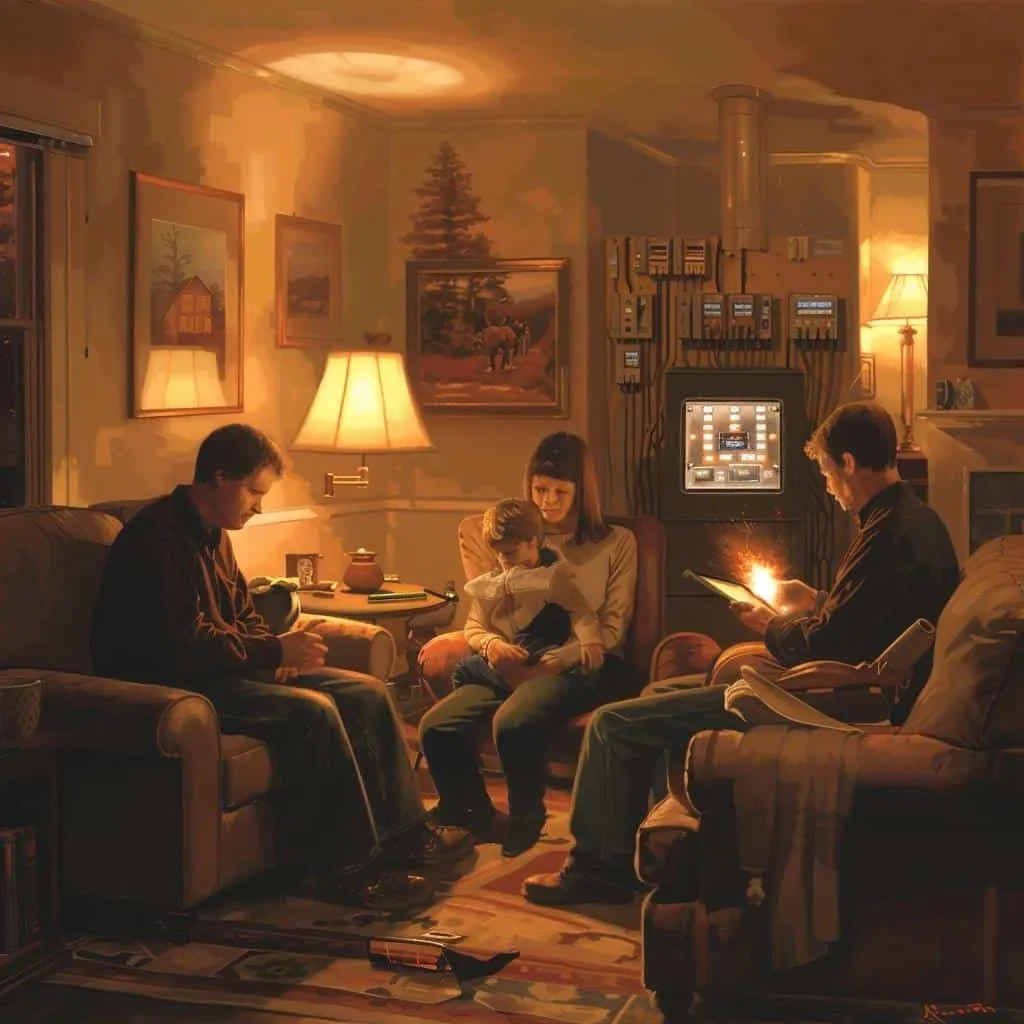
Faulty wiring and power surges contribute to hundreds of residential fires across the U.S. annually, with Des Moines households facing similar risks if issues go unchecked.
Electrical Fires and Home Safety
Faulty wiring and electrical system failures are significant contributors to residential fires in the United States, emphasizing the importance of regular inspections and maintenance to prevent such incidents. These fires can result in property damage, injuries, and even fatalities, highlighting the need for homeowners to be vigilant about electrical safety.
This citation supports the article’s emphasis on the dangers of electrical fires and the importance of preventative measures.
In this guide, you’ll learn to recognize the top five electrical issues in Des Moines homes, understand warning signs, and discover practical solutions—from scheduling a home inspection to arranging an electrical repair Des Moines homeowners trust. We’ll cover common malfunctions like flickering lights and burner odors, the impact of outdated wiring, inspection timing, fire prevention strategies, code compliance, system upgrades, and how Rewired Iowa can help every step of the way.
What Are the Most Common Electrical Problems in Des Moines Homes?
Homeowners in Des Moines most frequently encounter intermittent light flicker, circuit breaker trips, burning smells from outlets, non-functional switches, and damaging power surges. Each symptom often signals loose connections, overloaded circuits, degraded insulation, or inadequate surge protection, requiring prompt attention to prevent hazards and restore reliable power.
Why Do Lights Flicker and What Does It Indicate?
Flickering lights occur when voltage fluctuates due to loose bulbs, failing connections, overloaded circuits, or aging fixtures, indicating that underlying wiring or circuit components need diagnosis.
Before troubleshooting, turn off the affected circuit and tighten bulb bases.
- Loose connections between fixture and socket can interrupt current flow.
- Overloaded circuits reduce voltage under heavy loads, causing dimming and pulsing.
- Faulty wiring or corroded contacts create intermittent bridging and voltage spikes.
- Aging light fixtures degrade insulation and internal contacts over time.
Frequent flicker often precedes more serious electrical faults and points to the need for professional evaluation to enhance safety and stability.
What Causes Frequent Circuit Breaker Tripping and How Can It Be Fixed?

Circuit breakers trip when they detect overloads, short circuits, or ground faults, protecting wiring but disrupting power until the root cause is resolved.
| Cause | Symptom | Recommended Repair |
|---|---|---|
| Overloaded circuit | Trips under high appliance use | Redistribute loads or add dedicated circuit |
| Short circuit | Immediate trip with humming or sparks | Locate and replace damaged wiring |
| Ground fault | Trips when water contacts outlets | Install or reset GFCI protection |
| Faulty breaker | Random or unexplainable trips | Replace breaker with proper amperage |
Addressing these causes with balanced loads and updated protection improves reliability and prevents nuisance disruptions.
What Does a Burning Smell from Outlets or Wiring Mean?
A burning odor signals overheating insulation, arcing wires, or failing components that risk fire or shock if ignored.
- Turn off power at the main panel immediately.
- Inspect visible wiring for discoloration or melted insulation.
- Contact a licensed electrician to locate hot spots and replace faulty parts.
Because burning smells often precede electrical fires, urgent professional assessment is essential to eliminate hazards and restore safe operation.
How to Identify Non-Functional Outlets and Switches in Your Home?
Outlets and switches fail when connections loosen, internal contacts corrode, or wiring degrades, disrupting power and increasing shock risk.
| Symptom | Possible Issue | Recommended Action |
|---|---|---|
| Dead outlet despite reset | Tripped GFCI or loose terminal | Test/reset GFCI and tighten wiring |
| Warm or discolored cover plate | Overheating or loose terminal | Replace receptacle and repair wiring |
| Switch that won’t toggle power | Internal contact wear | Replace switch assembly |
| Intermittent power at outlet | Damaged wiring or back-stab connections | Rewire outlet and secure connections |
Regular testing of receptacles and swift repair of non-functional points maintain consistent power distribution and reduce shock risks.
What Are Power Surges and How Can Homeowners Protect Against Them?
Power surges are brief voltage spikes caused by lightning, utility switching, or large motor startups that damage electronics and shorten appliance lifespan.
- Install point-of-use surge protectors on sensitive electronics to divert excess voltage.
- Add a whole-home surge protection device at the main panel to shield all circuits.
- Unplug high-value equipment during severe storms to eliminate surge exposure.
Combining point-of-use and panel-mounted protection offers layered defense, preserving electronic devices and reducing costly repairs.
Frequent minor surges and complete power losses often signal the need for a comprehensive safety inspection before deeper hazards emerge.
How Does Outdated Wiring Affect Home Electrical Safety in Des Moines?
What Are the Signs of Outdated or Faulty Wiring in Older Homes?

Homes built before the 1970s often feature degraded insulation, ungrounded outlets, and incompatible conductors that fail safety standards.
- Aluminum wiring oxidizes, leading to loose connections and overheating.
- Knob-and-tube wiring lacks grounding, increasing shock risk.
- Frayed insulation reveals bare conductors near combustible materials.
- Discolored or warm outlets indicate hot spots and contact failure.
Spotting these signs early enables timely rewiring to modern copper conductors, boosting safety and performance.
Why Is Rewiring Important for Electrical Safety and Efficiency?
Rewiring replaces degraded conductors and outdated materials with modern, grounded copper wiring that handles higher amperage and prevents insulation failure.
- Eliminates fire risk from overheated or corroded connections.
- Supports heavy appliances and EV chargers without voltage drop.
- Improves energy efficiency by reducing resistance losses.
Upgrading aged wiring enhances overall electrical safety, minimizes energy wastage, and meets today’s household power demands.
When Should You Consider Electrical Panel Upgrades for Older Homes?
Older panels often lack space for new breakers, use fuse-based protection, or fail to accommodate modern amperage, leading to overload and nuisance trips.
- Frequent breaker trips under normal load.
- Installation of high-power appliances like air conditioners or EV chargers.
- Lack of AFCI/GFCI breakers required by current code.
How Much Does an Electrical Panel Upgrade Cost in Des Moines?
| Panel Type | Amperage | Cost Range (Materials & Labor) |
|---|---|---|
| Standard Breaker Box | 100 A | $1,200 – $1,800 |
| Modern Safety Panel | 150 A | $1,800 – $2,400 |
| High-Load Upgrade | 200 A | $2,400 – $3,200 |
Updating wiring and panels lays the foundation for reliable power, setting the stage for regular inspections that safeguard every circuit.
When Should Homeowners Schedule a Home Electrical Inspection?
What Does a Home Electrical Inspection Checklist Include?
An effective inspection evaluates all electrical elements to detect faults, code violations, and wear before failure occurs.
- Main panel integrity and breaker operation
- Grounding and bonding effectiveness
- Outlet and switch functionality tests
- GFCI/AFCI device performance checks
- Wiring condition and insulation assessment
- Smoke and carbon monoxide detector verification
A thorough checklist uncovers hidden defects, enabling targeted repairs that enhance safety and compliance.
How Often Should Electrical Systems Be Inspected in Des Moines Homes?
Residential electrical systems benefit from inspections every 3–5 years or sooner after major renovations, storm damage, or persistent malfunctions.
- Standard homes: full inspection every five years.
- Older properties (over 40 years): every three years for knob-and-tube or aluminum wiring.
- Post-renovation or storm event: immediate inspection before restoring power.
Regular assessments catch emerging issues early, reducing long-term repair costs and fire risks.
What Are the Benefits of Regular Electrical Inspections?
Routine inspections deliver proactive safety, compliance, and efficiency advantages that protect occupants and property.
- Identifies hidden hazards like overheated connections.
- Confirms code compliance to avoid fines and insurance issues.
- Optimizes energy use by correcting poor connections.
- Extends the lifespan of appliances and wiring.
Consistent inspections support safe, efficient operation and provide peace of mind for every homeowner.
By confirming system integrity through inspections, homeowners can focus on preventative measures that avert fires and shocks.
How Can Homeowners Prevent Electrical Fires and Other Hazards?
What Are the Warning Signs of Electrical Fire Risks?
Recognizing early indicators of fire hazards allows you to act before sparks ignite nearby materials.
- Outlets or switches that feel warm or emit burning odors
- Frequent breaker trips or fuse failures under normal load
- Buzzing or crackling sounds from fixtures or outlets
- Visible scorch marks around receptacles or junction boxes
Identifying these signs initiates corrective steps that prevent catastrophic fire events.
How Do Overloaded Circuits and Faulty Wiring Cause Fire Hazards?
When too many devices draw power from a single circuit, conductors overheat, melt insulation, and spark, creating ignition sources within walls or ceilings.
- Excessive current flow raises conductor temperature above safe limits.
- Damaged insulation loses dielectric strength, exposing live wires.
- Arcing faults generate heat and molten metal that can ignite combustibles.
Balancing loads, using dedicated circuits, and repairing compromised wiring eliminate these ignition risks.
What Electrical Safety Tips Should Des Moines Homeowners Follow?
Implementing basic safety measures reinforces fire prevention and shock protection across every room.
- Install GFCI outlets in kitchens, bathrooms, and outdoor areas.
- Use AFCI breakers in living spaces and bedrooms to detect arc faults.
- Avoid daisy-chaining extension cords and power strips.
- Test and replace smoke detectors annually.
- Keep appliances and cords away from water sources.
Consistent adherence to these practices builds a safer home environment and reduces accident potential.
When Is It Critical to Call a Licensed Electrician for Electrical Issues?
Immediate professional intervention is essential when warning signs point to severe hazards beyond simple troubleshooting.
- A burning smell or smoke from outlets or wiring
- Visible sparks or electrical arcing during appliance use
- Persistent breaker trips that resume under light load
- Complete power loss in sections of the home
If any of these conditions arise, shut off power to the affected circuit and schedule an electrical service appointment in Des Moines for urgent inspection and repair.
Proactive prevention and timely professional response work together to eliminate fire and shock dangers before they escalate.
What Are Common Electrical Code Violations in Iowa Homes and How Do They Affect Safety?
Which Electrical Code Violations Are Most Frequent in Des Moines Residences?
National Electrical Code and Safety Standards
The National Electrical Code (NEC) provides a comprehensive set of standards for safe electrical installations, and adherence to these codes is crucial for preventing electrical hazards. Compliance with the NEC ensures that electrical systems are installed and maintained to minimize the risk of fire and shock, protecting both property and occupants.
This citation reinforces the article’s discussion of electrical code violations and the importance of following safety standards.
- Missing GFCI protection in required areas such as bathrooms and garages
- Lack of grounding and bonding on older outlets
- Overfilled junction boxes impeding heat dissipation
- Use of knob-and-tube or aluminum wiring without retrofit protection
How Do GFCI and AFCI Breakers Improve Home Electrical Safety?
GFCI breakers detect ground faults—current leakage to ground—and interrupt the circuit within milliseconds, while AFCI breakers identify arcing patterns and shut off power before sparks ignite nearby materials.
- GFCI units protect against shock in wet locations.
- AFCI units guard against fires caused by arcing faults.
- Both devices enhance safety where traditional breakers offer only overload protection.
Upgrading to these modern safety devices aligns your system with NEC standards and significantly lowers accident potential.
What Risks Are Associated with DIY Electrical Repairs?
Amateur wiring repairs can lead to faulty connections, code violations, and hidden fire or shock hazards that insurance may not cover.
- Improper wire gauge selection causing overheating
- Loose terminations that arc under load
- Lack of proper permits and inspections to verify safety
- Voided warranties and increased liability for homeowners
Hiring a licensed electrician ensures repairs meet code, maintain insurance coverage, and protect your home from unseen dangers.
Addressing code compliance and professional repairs sets the stage for system upgrades that enhance longevity and efficiency.
Which Electrical Code Violations Threaten Safety in Des Moines Homes?
What Are the Signs That Your Electrical System Needs an Upgrade?
Aging panels and wiring manifest through functional and efficiency indicators that alert homeowners to impending capacity issues.
- Lights dim when major appliances start
- Frequent breaker trips under routine usage
- Unavailable circuit slots for new devices
- Outlets that no longer meet grounding or amperage demands
Recognizing these signs prompts timely upgrades that avoid emergency repairs and improve performance.
How Do Electrical Panel Upgrades Support Modern Power Demands?
Upgrading to a higher-amperage panel with additional circuits enhances load management, prevents overloads, and accommodates new technologies.
- Provides dedicated circuits for HVAC, electric vehicle chargers, and kitchen appliances.
- Balances loads to reduce voltage drops and energy waste.
- Integrates modern AFCI/GFCI protection for enhanced safety.
A well-designed panel upgrade future-proofs your home and supports efficient energy distribution.
What Maintenance Tips Extend the Lifespan of Home Electrical Components?
Regular upkeep prevents premature failure of breakers, outlets, and wiring, preserving reliability and reducing replacement costs.
- Keep the panel interior free of dust and debris.
- Tighten accessible terminal screws during annual checks.
- Test GFCI/AFCI devices monthly to confirm proper operation.
- Replace aging cords and power strips before insulation degrades.
Consistent maintenance sustains system integrity and delays the need for major overhauls.
With upgrades and maintenance in place, Rewired Iowa stands ready to support every aspect of your home’s electrical health.
How Can Rewired Iowa Help Des Moines Homeowners Address These Electrical Issues?
What Electrical Repair and Inspection Services Does Rewired Iowa Offer?
Rewired Iowa specializes in diagnosing and resolving the full spectrum of residential electrical problems while ensuring code-compliant repairs.
- Flickering light troubleshooting and wiring repairs
- Circuit breaker assessment and panel upgrades
- Burning smell diagnostics and outlet rewiring
- Home electrical inspections and safety audits
- Whole-home surge protection installation
How Does Rewired Iowa Ensure Electrical Safety and Code Compliance?
Every Rewired Iowa technician is a licensed electrician trained in the latest NEC requirements and local Des Moines ordinances.
- We follow structured inspection checklists aligned with NEC and Iowa codes.
- We use UL-rated materials and industry-approved installation methods.
- We document permit applications and secure inspections to legitimize every job.
This rigorous approach builds trust and ensures lasting electrical safety.
How Can Homeowners Schedule an Electrical Service Appointment in Des Moines?
Booking service is simple and convenient, allowing you to secure expert assistance without delay.
- Call our 24/7 hotline at (515) 619-5349 for immediate support.
- Complete the online contact form at https://rewirediowa.com/contact
- Email rewirediowa@gmail.com for detailed project inquiries.
Our team responds promptly to arrange inspections, provide transparent quotes, and deliver reliable electrical repair Des Moines homeowners can count on.
Electrical issues don’t wait—secure professional care today for a safer, more efficient home.
Licensed, local, and committed to excellence, Rewired Iowa stands ready to protect your home from electrical hazards. With proactive inspections, modern upgrades, and emergency repairs, you can rest assured your system meets today’s demands and tomorrow’s innovations. Schedule your service now to eliminate risks and enjoy uninterrupted power.

John Senn is a licensed Master Electrician based in Des Moines, Iowa with over 20 years of hands‑on experience serving homes and businesses across the state. He specializes in electrical panel upgrades, whole‑home generator installations, EV charger setups, and 24‑hour emergency service. As the owner of a growing team of certified electricians, John has built a reputation for safe, code‑compliant work and practical solutions that keep Iowa families and businesses powered up. His deep knowledge of Iowa’s electrical codes and his commitment to ongoing training make him a trusted voice in the trade and a go‑to expert for reliable electrical work in Des Moines and beyond.