
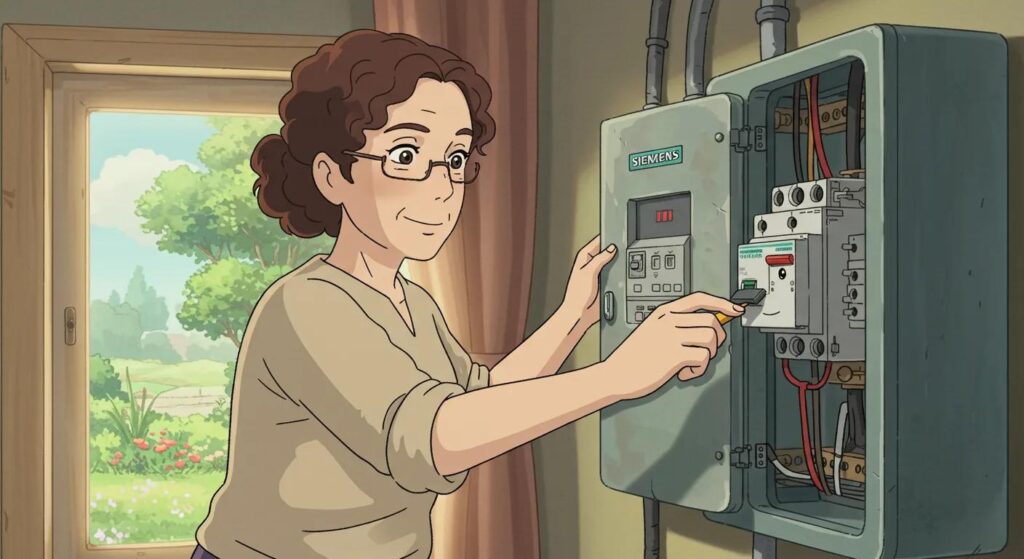
Losing power at home when you least expect it can interrupt your day and pose safety concerns. Learning how to reset a circuit breaker quickly restores electricity and keeps your Des Moines home protected from overloads. In this guide, you’ll discover what a circuit breaker is, how to spot a tripped switch, the exact reset process, why breakers trip repeatedly, when to call a professional, proactive maintenance tips, and how Rewired Iowa’s licensed electricians support your safety. By the end, you’ll handle basic resets with confidence and know when to reach out for expert help.
What Is a Circuit Breaker and How Does It Protect Your Home?
A circuit breaker is an automatic safety switch in your electrical panel that interrupts power when it detects excessive current flow. This mechanism prevents wiring damage, electrical fires, and equipment overload by opening the circuit whenever a fault occurs.
What Is a Circuit Breaker and Its Role in Electrical Safety?
A circuit breaker is a protective device installed in an electrical panel to guard wiring against dangerous current levels. It senses overcurrent or faults and “trips” by moving its toggle to the middle or OFF position. This action stops electricity from flowing through the circuit, reducing fire risk and protecting connected appliances.
How Do Circuit Breakers Work to Prevent Overloads and Short Circuits?
Circuit breakers use thermal or magnetic elements to detect abnormalities in current. A thermal breaker bends a bimetallic strip under heat from sustained overloads, while a magnetic breaker uses an electromagnet that releases a latch during sudden surges.
| Entity | Attribute | Value/Function |
|---|---|---|
| Thermal Breaker | Detection Method | Bimetallic strip heats and bends |
| Magnetic Breaker | Response Trigger | Electromagnet releases latch on surge |
| Protective Trip | Purpose | Interrupts current to prevent fire hazard |
Circuit Breaker Functionality
Circuit breakers are designed to protect electrical circuits from overcurrents and short circuits, which can cause damage to wiring and potential fire hazards. They work by automatically interrupting the flow of electricity when they detect an excessive current, preventing damage to appliances and the electrical system.
This citation supports the article’s explanation of how circuit breakers function to protect homes from electrical hazards.
Where Is the Electrical Panel Located in Des Moines Homes?
Most Des Moines residences have their electrical panels in accessible utility spaces. Common locations include:
- In the basement near the furnace or water heater
- In a garage along an exterior wall
- Inside a hallway closet on the main floor
These typical placements ensure easy access but vary by home design. Knowing your panel’s location is the first step before identifying and resetting a tripped breaker.
How Do You Identify a Tripped Circuit Breaker?

A tripped circuit breaker interrupts power flow when a fault occurs, ensuring safety by cutting electricity to the affected circuit. For example, if too many appliances draw power, the breaker trips and moves halfway between ON and OFF. Visually spotting this position is essential for quick troubleshooting.
What Does a Tripped Breaker Look Like?
A tripped breaker toggle sits in a neutral or middle position rather than fully ON or OFF. You may also see a small red or orange indicator next to the switch. This visual cue distinguishes a faulted circuit from a switched-off breaker.
How to Safely Check Your Breaker Box in Des Moines Homes

Before opening the panel door, ensure your hands are dry and wear rubber-soled shoes. Stand to the side of the panel when inspecting the toggles to avoid electrical arcs. Local code requires clear access to panels—keep 36 inches of clearance in front of the box.
What Are Common Signs That a Breaker Has Tripped?
Homeowners often notice these indicators of a tripped breaker:
- Sudden loss of power in one room or group of outlets
- Noisy “pop” or clicking sound from the breaker box
- Lights flickering before the circuit opened
These signs point to an overload or short circuit and prepare you for the reset procedure.
What Are the Exact Steps to Reset a Tripped Circuit Breaker?
Resetting a breaker involves four precise actions that restore power safely. Following these steps prevents immediate re-trips and ensures the circuit is stable.
Step 1: How to Identify the Tripped Breaker in Your Panel
Locate the breaker switch that is neither fully ON nor OFF—often centered or showing a colored indicator. Confirm by toggling other breakers OFF and ON; the tripped switch will not reset until you follow the reset procedure.
Step 2: Why Should You Unplug Appliances Before Resetting?
Unplugging devices on the affected circuit removes the overload source and prevents an immediate re-trip. Heavy-draw appliances like space heaters or refrigerators should be disconnected first to balance the electrical load.
Step 3: How to Properly Reset the Breaker Switch
Firmly push the tripped breaker fully to the OFF position until you feel a click. Then flip it back to ON. You should hear a definite snap indicating that contacts have reengaged and power is restored.
Step 4: How to Test the Circuit After Resetting
After resetting, plug in one appliance at a time and turn it on to verify stability. This method isolates any device that may still overload the circuit and helps you spot persistent issues before they recur.
Why Does a Circuit Breaker Keep Tripping and How Can You Fix It?
Repeated breaker trips signal underlying problems that require investigation. Common causes include overloaded circuits, short circuits, and ground faults—all of which compromise safety.
What Causes Frequent Tripping: Overload, Short Circuit, or Ground Fault?
An overload happens when connected devices draw more current than the breaker’s rating. A short circuit occurs when hot and neutral wires touch, creating a sudden surge. A ground fault diverts current to the ground wire. Each fault type requires a different repair approach.
Causes of Circuit Breaker Tripping
Frequent tripping of circuit breakers can be caused by several factors, including overloaded circuits, short circuits, and ground faults. Overloaded circuits occur when too many appliances are drawing power simultaneously, while short circuits and ground faults involve unintended paths for electrical current, leading to immediate tripping of the breaker.
This citation reinforces the article’s discussion on the common causes of circuit breaker tripping and the importance of addressing these issues to maintain electrical safety.
How Can Faulty Appliances or Old Wiring Affect Your Breaker?
Malfunctioning devices with internal shorts or degraded insulation on aging wiring can trip breakers unpredictably. Homes built decades ago often have wiring systems that no longer meet modern demands, increasing fault risk.
When Is It Time to Upgrade Your Electrical Panel in Des Moines?
Upgrading to a higher-capacity panel resolves frequent trips caused by increased household demand. Modern panels offer more circuits, improved safety features, and compliance with the latest National Electrical Code requirements for Des Moines homes.
| Entity | Attribute | Value/Benefit |
|---|---|---|
| Old Wiring | Risk | Insulation breakdown and fire hazard |
| Modern Panel | Capacity | Supports higher amperage and more circuits |
| Panel Upgrade | Compliance | Meets 2020 NEC standards |
Panel upgrades not only eliminate nuisance trips but also enhance home safety and resale value.
When Should You Call a Licensed Electrician in Des Moines for Circuit Breaker Issues?
Persistent or dangerous electrical symptoms warrant professional intervention. A licensed electrician brings code-compliant repairs and ensures lasting safety.
What Are Warning Signs That Require Professional Help?
Sparks, burning smells, charred outlets, or breakers that won’t reset are clear indicators of an electrical hazard. Address these warnings immediately to prevent fire or shock.
How Does Rewired Iowa Ensure Safe and Code-Compliant Repairs?
Rewired Iowa’s experienced electricians adhere to Des Moines electrical codes, carry full licensure and insurance, and back every repair with a lifetime workmanship guarantee. Their transparent quotes and fair pricing reinforce trust.
What Are the Risks of Ignoring Persistent Breaker Problems?
Leaving faulty breakers unaddressed can lead to electrical fires, equipment damage, and potential shock hazards. Prompt professional service prevents these serious dangers and restores reliable power.
How Can You Prevent Future Circuit Breaker Problems in Your Des Moines Home?
Routine maintenance and mindful usage reduce the likelihood of tripped breakers and extend the life of your electrical system.
What Are Tips to Avoid Overloading Circuits?
- Distribute high-draw appliances across multiple outlets.
- Use power strips with built-in surge protection.
- Avoid running multiple heating or cooling devices simultaneously on one circuit.
These practices limit excessive current draw and keep breakers from tripping.
How Often Should You Schedule Electrical Inspections?
Annual inspections by a licensed electrician detect loose connections, deteriorating wiring, and code violations before they cause faults. Regular maintenance safeguards your home against unexpected power interruptions.
Why Are Electrical Panel Upgrades Important for Safety and Compliance?
Upgrading ensures your system meets current demand and code requirements. A modern panel adds circuits for new appliances, integrates advanced safety features, and delivers peace of mind under everyday loads.
What Do Des Moines Homeowners Say About Rewired Iowa’s Circuit Breaker Services?
Customer feedback highlights reliability, professionalism, and lasting solutions. Local homeowners appreciate the personalized attention and rapid response times.
How Do Customer Reviews Reflect Rewired Iowa’s Quality and Reliability?
Five-star testimonials praise timely troubleshooting, clear explanations, and respectful service—underscoring the company’s commitment to excellence and community trust.
What Makes Rewired Iowa Different as a Family-Owned Electrician?
Family ownership means consistent technicians, transparent pricing, and genuine care for your home’s electrical safety. Their nearly two decades of experience translate into expert diagnoses and efficient repairs.
How Can You Schedule a Circuit Breaker Service or Inspection?
To arrange a reset, inspection, or panel upgrade with Rewired Iowa, visit our electrical troubleshooting page or request a quote online. You can also call (515) 619-5349 to speak directly with a licensed electrician.
Rewiring issues or tripped breakers don’t have to derail your day. By following safe reset steps, understanding why breakers trip, and scheduling regular inspections, you maintain a reliable electrical system. When hazards arise—like sparks or persistent trips—trusted professionals are just a call away. Ready for dependable circuit breaker support in Des Moines? Explore our services or request an appointment today.

John Senn is a licensed Master Electrician based in Des Moines, Iowa with over 20 years of hands‑on experience serving homes and businesses across the state. He specializes in electrical panel upgrades, whole‑home generator installations, EV charger setups, and 24‑hour emergency service. As the owner of a growing team of certified electricians, John has built a reputation for safe, code‑compliant work and practical solutions that keep Iowa families and businesses powered up. His deep knowledge of Iowa’s electrical codes and his commitment to ongoing training make him a trusted voice in the trade and a go‑to expert for reliable electrical work in Des Moines and beyond.