
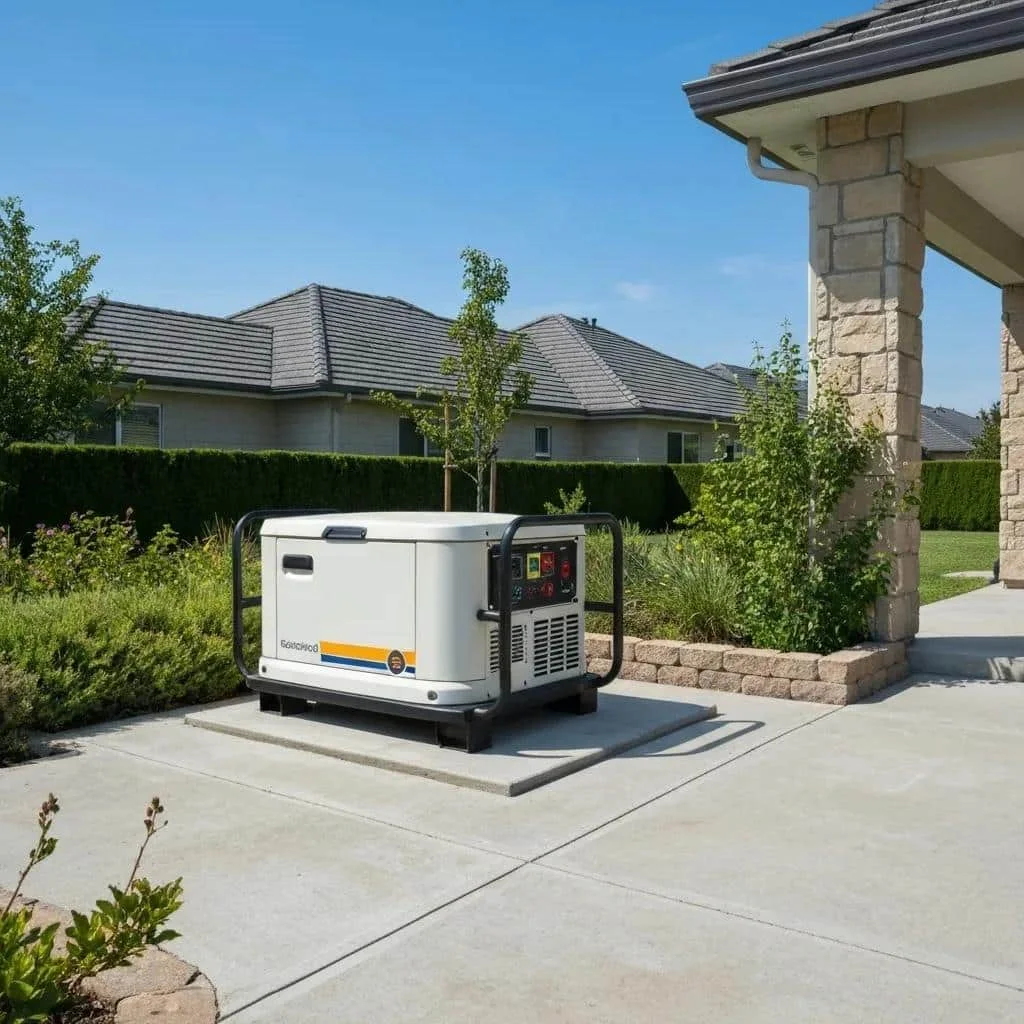
Dependable Home Backup Generators: What Central Iowa Residents Need to Know
This article is written on behalf of Rewired Iowa, a licensed and insured electrical contractor serving Iowa. We specialize in providing reliable backup power solutions to keep your home and business safe and comfortable.
When the power grid falters in Central Iowa, keeping food fresh, homes comfortable, and businesses running smoothly can become a real challenge, leaving families and local businesses vulnerable. A dependable home backup generator is the answer, automatically restoring power the moment the grid goes down, keeping your essential systems humming without a hitch. This guide dives into how standby and portable generators work, compares different fuel types and top brands with genuine review-style insights, highlights benefits like continuous power, home protection, and even property value boosts, alongside key drawbacks such as upfront costs and upkeep. We’ll also cover how to pick the right size and fuel, and detail the expert installation, maintenance, emergency support, and financing solutions Rewired Iowa provides. By understanding these points, Central Iowa homeowners and business owners can confidently select a backup generator that guarantees safety, efficiency, and peace of mind.
What Exactly Is a Reliable Home Backup Generator and How Does It Function?
A reliable home backup generator is essentially a fuel-powered engine paired with an alternator. It’s designed to detect when the utility power fails, then automatically (for standby models) or manually (for portable units) kick in to supply electricity to your home’s designated circuits. This clever system converts stored chemical energy into electrical energy, keeping your vital appliances and systems running until the main power is back online. Grasping how these generators operate is key to comparing their types, fuel sources, and overall performance.
Standby vs. Portable Generators: A Detailed Comparison
While both standby and portable generators aim to provide backup power, they differ significantly in how they’re installed, their automation capabilities, and their power output. Choosing the right type depends on your specific needs and priorities.

- Standby Generators: These are permanently installed outside your home and connect to an automatic transfer switch. This switch senses power outages and seamlessly switches your home’s power source within seconds. They are designed to power your entire home and typically run on natural gas or propane directly from your utility lines, offering an effortless, automatic power solution.
- Portable Generators: These require manual setup – you’ll need to fuel them up and plug them into individual appliances or a transfer switch. They generally offer less power output compared to standby units and typically run on gasoline or diesel, needing to be refueled manually. Portable units offer greater flexibility for use in various locations.
Top Home Backup Generator Reviews for Central Iowa
When selecting a backup generator, understanding the nuances of different brands and models is crucial. Here, we review some of the most popular and reliable options available, considering their performance, features, and suitability for Central Iowa residents. All installations and services are performed by Rewired Iowa’s certified technicians.
Generac Guardian 22kW (22kW)
The Generac Guardian 22kW is a top-tier choice for homeowners seeking comprehensive whole-house power. It’s a popular model for its robust power output and advanced features.
Pros:
- Powerful Output: Capable of running essential appliances, HVAC systems, and more during an outage.
- Mobile Link™ Remote Monitoring: Allows users to monitor their generator’s status and receive alerts via smartphone, tablet, or computer.
- Durable Construction: Built to withstand various weather conditions.
- Quiet Operation: Features a sound-attenuated enclosure for reduced noise.
Cons:
- Higher Price Point: Generally more expensive than smaller or portable units.
- Professional Installation Required: Needs to be professionally installed by a licensed electrician like Rewired Iowa.
Reliability & Features:
Generac is a leading brand in home standby generators, known for its reliability and innovative features. The 22kW model is a workhorse, offering peace of mind during extended outages. Its remote monitoring capability is a significant advantage for homeowners.
Kohler 20RESCL (20kW)
Kohler is another highly respected name in the generator industry, known for its quality engineering and long-lasting performance. The 20RESCL is a strong contender for homeowners needing substantial backup power.
Pros:
- Exceptional Durability: Kohler generators are built with high-quality components for long-term reliability.
- Quiet Operation: Features a sound-tested enclosure that keeps noise levels down.
- Advanced Engine Technology: Designed for efficient fuel consumption and smooth operation.
- Corrosion-Resistant Enclosure: Ideal for various climates.
Cons:
- Premium Pricing: Often positioned at a higher price point, reflecting its quality.
- Installation Complexity: Requires professional installation and connection to fuel lines.
Reliability & Features:
Kohler generators are praised for their robust build quality and advanced engine management systems. The 20RESCL offers a reliable and quiet solution for powering a large portion of a home, making it a favorite among those who prioritize longevity and performance.
Westinghouse WGen9500DF (9500 Starting Watts / 7500 Running Watts)
For those seeking a powerful portable option, the Westinghouse WGen9500DF offers versatility and significant power output, making it suitable for larger homes or businesses needing portable backup.
Pros:
- Dual Fuel Capability: Runs on both gasoline and propane, offering fuel flexibility.
- High Power Output: Provides ample power for essential appliances and tools.
- User-Friendly Features: Includes electric start and clear fuel level indicators.
- Portability: Comes with wheels and a handle for easier transport.
Cons:
- Requires Manual Operation: Needs to be manually started, fueled, and connected during an outage.
- Fuel Storage: Requires safe storage of gasoline or propane tanks.
- Noise Level: Can be louder than enclosed standby generators.
Reliability & Features:
Westinghouse generators are known for their value and performance in the portable market. The WGen9500DF is a reliable choice for those who need flexibility and substantial power on demand, though it lacks the automatic convenience of standby units.
Cummins QuietConnect™ (Various kW Options)
Cummins is a globally recognized leader in power generation, and their QuietConnect™ series offers reliable standby solutions with a focus on quiet operation and advanced technology.
Pros:
- Exceptional Reliability: Cummins engines are known for their industrial-grade durability and performance.
- Quiet Operation: Designed with advanced sound-dampening technology.
- Smart Connectivity: Offers remote monitoring and control features.
- Wide Range of Sizes: Available in various kW options to suit different home needs.
Cons:
- Premium Investment: Typically one of the higher-priced options on the market.
- Professional Installation Essential: Requires expert installation by certified technicians.
Reliability & Features:
Cummins generators are built to last, offering superior reliability and performance. The QuietConnect™ series is a testament to their commitment to innovation, providing homeowners with a quiet, powerful, and technologically advanced backup power solution.
How Different Fuel Types Impact Generator Performance and Dependability?
The type of fuel you choose for your generator significantly affects its runtime, how efficiently it uses fuel, and how readily available that fuel is during an emergency. Here’s a quick look at the key fuel types:
| Fuel Type | Efficiency (kWh/gallon) | Availability and Storage | Pros | Cons |
|---|---|---|---|---|
| Natural Gas | ~3.5 (varies by engine) | Continuous supply via pipeline; no on-site storage needed. | Unlimited supply as long as utility is functional; clean burning. | Dependent on natural gas utility; requires gas line connection. |
| Propane | ~2.5 (varies by engine) | Stored safely in sealed tanks; requires periodic refilling. | Long shelf life; readily available in tanks of various sizes. | Requires tank storage and refilling; less energy-dense than natural gas. |
| Diesel | ~3.7 (varies by engine) | High energy density; requires stockpiling in tanks. | Excellent fuel economy and engine longevity; high power output. | Can be more expensive; fuel can degrade over time if not stabilized; requires more frequent maintenance. |
| Gasoline | ~2.2 (varies by engine) | Widely accessible; has a limited shelf life (approx. 6-12 months without stabilizer). | Readily available at most gas stations; common for portable generators. | Limited shelf life; requires frequent refueling for longer outages; less efficient than diesel or natural gas. |
What Are the Main Advantages of Installing a Reliable Home Backup Generator?
Installing a reliable home backup generator means you’ll have continuous power, your essential systems will be protected, and your property value could even see an increase, all while enjoying added convenience. By automatically restoring power during emergencies, these generators eliminate the delays associated with manual setup and shield you from losses that can occur during outages.
How Do Generators Ensure Uninterrupted Power and Bring Peace of Mind?
Dependable backup generators can detect a loss of voltage within seconds and activate automatically. This means your heating, cooling, lighting, and communication systems keep running without you needing to lift a finger. This seamless operation prevents food spoilage, maintains a comfortable indoor climate, and keeps your home security systems active, providing continuous comfort and safety during storms or any grid failure.
In What Ways Do Generators Safeguard Your Home and Loved Ones?
Backup generators keep your essential equipment powered, including HVAC systems to prevent pipes from freezing and mold from growing, refrigerators to preserve perishables and avoid health risks, crucial medical devices for continuous health support, and security systems to deter potential intruders. By maintaining the safety and integrity of your home and its occupants, generators offer comprehensive protection when the main power source is unavailable.
Can a Backup Generator Actually Boost Your Property Value?
A permanently installed standby generator can potentially increase your home’s resale value. According to studies by the National Association of Home Builders (NAHB), features like backup generators are increasingly sought after by homebuyers. While the exact percentage can vary by location and market conditions, a standby generator can add significant appeal, potentially leading to quicker sales and higher offers compared to similar homes without this feature.
Property Value Increase with Standby Generators
Homes featuring standby generators can experience a rise in their resale value, often in the neighborhood of 3% or more, as reported by real estate professionals and market analyses. This is a direct reflection of buyer interest in properties offering dependable emergency power.
What Convenient Features Do Standby Generators Offer?
Standby generators come equipped with advanced features like automatic transfer switches, built-in diagnostic systems, and remote monitoring capabilities, making them easy to manage. Features such as scheduled self-tests, instant smartphone alerts, and networked status displays keep homeowners fully informed and reduce the need for frequent manual checks. This convenience minimizes the risk of unexpected downtime and simplifies maintenance planning.
How Does Professional Installation Enhance Generator Dependability?
Having your generator installed by licensed electricians like those at Rewired Iowa ensures it’s positioned correctly, wired properly, integrated seamlessly with your transfer switch, and meets all local building codes. Rewired Iowa’s certified technicians handle everything from obtaining permits and calculating your power needs to connecting it to your natural gas or propane supply. Professional installation prevents common mistakes that can affect generator performance and helps extend the equipment’s lifespan.
What Are the Common Downsides and Challenges of Home Backup Generators?
While backup generators offer crucial benefits, it’s important to consider factors like the initial investment, the space required for installation, fuel management, potential noise, and the need for ongoing maintenance.
What Are the Typical Installation and Ownership Costs in Central Iowa?
In Central Iowa, the cost to install a standby generator, including the unit, transfer switch, and labor, typically ranges from $7,000 to $15,000, depending on the size and complexity. Financing options are available through Rewired Iowa to spread this investment over several years. Annual ownership expenses, covering fuel, oil changes, and spark plug replacements, generally fall between $200 and $500. Understanding these costs is vital for budgeting and selecting the right service plan.
What Space and Aesthetic Considerations Should Homeowners Keep in Mind?
Standby generators need a level, well-ventilated outdoor space, usually positioned 3 to 5 feet away from walls and air vents to ensure proper airflow and prevent exhaust fumes from entering the home. You can use enclosures or landscaping to discreetly house the unit without hindering airflow. Portable generators should be stored in a secure, covered area to protect them from the elements.
What Are the Challenges Related to Fuel Supply and Storage?
Propane tanks must adhere to specific safety clearance regulations and undergo periodic inspections. Diesel and gasoline require storage in ventilated, weather-protected areas, and the use of fuel stabilizers is recommended to prevent degradation. Generators that run on natural gas eliminate the need for on-site storage but rely on the continuous availability of the pipeline supply. These fuel considerations directly impact supply reliability and maintenance schedules.
Why Is Regular Maintenance Crucial for Reliable Generator Performance?
Scheduled maintenance, including oil and filter changes, battery checks, spark plug replacements, and load-bank testing, is essential to ensure your generator starts and runs dependably. Annual professional inspections help identify wear and tear before it leads to failures. Rewired Iowa’s maintenance plans include thorough service visits timed with system diagnostics to keep your generator ready year-round.
How Noisy Are Different Types of Generators?
The noise level of a generator can vary depending on the specific model and its enclosure design. According to industry standards and manufacturer specifications:
- Standby generators equipped with acoustic enclosures typically operate at around 60–65 decibels (dB), which is similar to the sound of a dishwasher or normal conversation.
- Portable generators, when measured from 23 feet away, can range from 65–75 decibels (dB), comparable to the noise of a vacuum cleaner or heavy traffic.
Noise Levels of Generators
Standby generators with sound-dampening enclosures generally operate at 60–65 dB, akin to a dishwasher. Portable generators, however, can produce noise levels between 65–75 dB when measured at 23 feet, similar to a vacuum cleaner. Using sound-attenuated housings and strategic placement can significantly reduce any disruption.
How to Select the Ideal Home Backup Generator for Your Requirements?
Choosing the best generator involves carefully assessing your power needs, installation preferences, fuel options, and the reliability of different brands to find the perfect fit for your specific situation in Central Iowa.
What Generator Size Is Most Suitable for Central Iowa Homes and Businesses?
Determining the right generator size involves calculating your essential power needs:
- Make a list of all the critical circuits you need to power (e.g., HVAC, refrigerator, lights, medical equipment, sump pump).
- Add up the starting (surge) and running wattages for these items to determine your total kW requirement.
- Include an additional 10–15% reserve capacity for any future needs or potential upgrades.
Typically, a single-family home might need a 10–20 kW generator, while a small business could require 20–40 kW or more. Getting the sizing right prevents overloading the generator and ensures maximum efficiency. Rewired Iowa can help you perform a precise load calculation.
Should You Opt for a Standby or Portable Generator?
Standby generators are ideal for comprehensive whole-house protection and automatic, hands-free operation, utilizing fixed fuel lines. Portable models offer greater flexibility, a lower initial cost, and can be used for various purposes at remote locations. If you prioritize automation and seamless power coverage for your entire home, a standby unit is the way to go. If you need power for seasonal use, backup for specific circuits, or occasional needs at remote locations, a portable solution might be more suitable.
How Do Dual Fuel Generators Compare to Single Fuel Options?
Dual fuel generators provide the advantage of running on either gasoline or propane, offering flexibility in fuel sources and extending runtime. Single-fuel units are optimized for a specific fuel type and might offer better efficiency or cost savings in certain applications. The adaptability of dual-fuel generators enhances reliability, especially when one fuel source becomes unavailable during extended emergencies, ensuring continued operation.
How Do Generac and Kohler Generators Stack Up for Iowa Homeowners?
Generac generators are known for their integrated network monitoring capabilities (Mobile Link™), competitive warranty terms, and extensive dealer support network throughout Central Iowa. Kohler models stand out for their precisely tuned engines, reduced vibration, and premium acoustic enclosures, often lauded for their quiet operation. Both brands deliver excellent reliability, but homeowners who value remote diagnostics and connectivity might prefer Generac, while those who prioritize engineered quietness and superior engine performance may lean towards Kohler. Cummins also offers exceptional durability and quiet operation, making it a premium choice.
What Services Does Rewired Iowa Provide for Home Backup Generators?
Rewired Iowa offers comprehensive solutions covering every aspect of generator ownership, from initial planning and installation to ongoing maintenance, emergency support, and financing, ensuring Central Iowa clients have uninterrupted power.
How Does Professional Generator Installation Work in Central Iowa?
Rewired Iowa’s installation process starts with a thorough site assessment, precise load calculation, and securing necessary permits. Our technicians then install a concrete pad or mounting bracket, connect the fuel lines, wire the transfer switch, and program the unit for automatic operation tests. A final inspection and commissioning process guarantee that everything is code-compliant and operating at peak performance.
What Are Essential Generator Maintenance Tips and Services?

Routine maintenance provided by Rewired Iowa includes replacing oil and filters, inspecting the battery, adjusting spark plugs, and running diagnostics on the control panel. We conduct seasonal checks that align with the generator’s self-test schedules, and our custom service plans ensure priority support during emergencies. Regular preventive upkeep is key to maintaining reliability and extending the lifespan of your equipment.
How Does Rewired Iowa Support Emergency Power Solutions for Businesses?
For our commercial clients, Rewired Iowa designs customized power-backup systems that integrate seamlessly with critical UPS, fire alarm, and security networks. Our rapid-response teams are available 24/7 to provide troubleshooting and coordinate fuel deliveries. We offer scalable generator installations designed to protect data centers, retail businesses, and agricultural operations from costly downtime.
What Financing Options Are Available for Generator Installation?
Rewired Iowa offers flexible financing plans that allow you to spread installation costs over 12 to 60 months with competitive interest rates. Our options include zero-down payment agreements and tax-advantaged leasing programs. We provide clear cost breakdowns and transparent payment terms to simplify budgeting and expedite the process of getting your generator installed.
What Should You Do During a Power Outage in Central Iowa?
Being prepared and knowing how to operate your generator correctly are essential for minimizing disruption and ensuring safe use of emergency power when the grid fails.
How Can a Backup Generator Minimize Outage Impact?
A backup generator keeps your essential circuits running—including refrigeration, heating or cooling, lighting, and medical equipment—so critical functions continue without interruption. Its automatic engagement eliminates downtime, helping to maintain business operations and household comfort seamlessly.
What Safety Precautions Are Important When Using Generators?
Generators must always be operated outdoors on level ground, positioned at least 5 feet away from any building openings (doors, windows, vents) to prevent dangerous carbon monoxide buildup. Electrical connections require a transfer switch to avoid the risk of back-feeding the utility grid, which can be fatal to utility workers. Regular inspections of fuel lines and exhaust systems are crucial to prevent leaks and emissions hazards.
How to Monitor and Maintain Your Generator During Extended Outages?
Utilize remote monitoring systems (like Generac’s Mobile Link™) to keep track of fuel levels, battery voltage, oil pressure, and engine operating hours. Perform manual checks every 4 to 6 hours to verify oil and coolant levels, clean air filters, and confirm that the load is being shared correctly. These practices are vital for ensuring your generator remains ready throughout prolonged power interruptions.
What Are the Latest Trends and Market Insights for Home Backup Generators?
The backup generator market is constantly evolving, with advancements in smart controls, the exploration of alternative fuels, and a significant increase in residential demand, particularly in areas like Central Iowa.
How Is Smart Technology Enhancing Generator Reliability?
Integrated remote-monitoring platforms provide real-time updates on system status, automate weekly self-tests, and issue predictive maintenance alerts. Cloud-based analytics help identify performance patterns and schedule proactive service, thereby reducing the likelihood of unexpected failures. This smart integration ensures your generator is always ready when you need it.
What Fuel Trends Are Emerging in the Backup Generator Market?
Standby generators powered by natural gas are becoming increasingly popular due to their reliable pipeline supply and the elimination of on-site fuel storage needs. Innovations in propane systems include stacked-tank solutions that offer extended runtime. Hybrid systems, which combine battery storage with generator backup, are also gaining traction as part of the move towards more resilient and potentially zero-emission energy solutions.
How Is the Residential Generator Market Growing in Central Iowa and Beyond?
The global market for residential generators was valued at $7.82 billion in 2023 and is projected to reach $11.23 billion by 2032, growing at a compound annual growth rate (CAGR) of 5.5%, according to market research firms like Grand View Research. North America is leading this adoption trend, driven by factors such as increasingly frequent weather-related power outages, aging electrical infrastructure, and the growing trend of home electrification in suburban and rural communities, much like those found in Central Iowa.
Residential Generator Market Growth
The global residential generator market was valued at USD 7.82 billion in 2023 and is projected to reach USD 11.23 billion by 2032, with a compound annual growth rate (CAGR) of 5.5%. North America leads in adoption, driven by weather-related outages and aging infrastructure.
What Are the Benefits of Upgrading to Modern Standby Generators?
Modern standby generators offer improved fuel efficiency, reduced noise emissions (down to 60 dB), faster transfer-switch response times, and integrated remote diagnostic capabilities. Upgrading can lower long-term costs, enhance environmental performance, and provide more robust protection against evolving power quality issues.
Selecting the right backup generator involves a careful evaluation of your power requirements, fuel logistics, and available service options. With expert planning, installation, maintenance, and financing support from Rewired Iowa, Central Iowa homeowners and businesses can ensure they have reliable power, protect their essential assets, and potentially increase their property value. Reach out to Rewired Iowa today to explore the backup generator solution that best fits your needs and guarantees dependable power when it matters most.
Considering Rewired Iowa for Your Generator Needs?
As a trusted electrical contractor serving Central Iowa, Rewired Iowa brings over four decades of expertise to every project. Our licensed and insured technicians are committed to providing safe, reliable, and efficient backup power solutions.

John Senn is a licensed Master Electrician based in Des Moines, Iowa with over 20 years of hands‑on experience serving homes and businesses across the state. He specializes in electrical panel upgrades, whole‑home generator installations, EV charger setups, and 24‑hour emergency service. As the owner of a growing team of certified electricians, John has built a reputation for safe, code‑compliant work and practical solutions that keep Iowa families and businesses powered up. His deep knowledge of Iowa’s electrical codes and his commitment to ongoing training make him a trusted voice in the trade and a go‑to expert for reliable electrical work in Des Moines and beyond.