
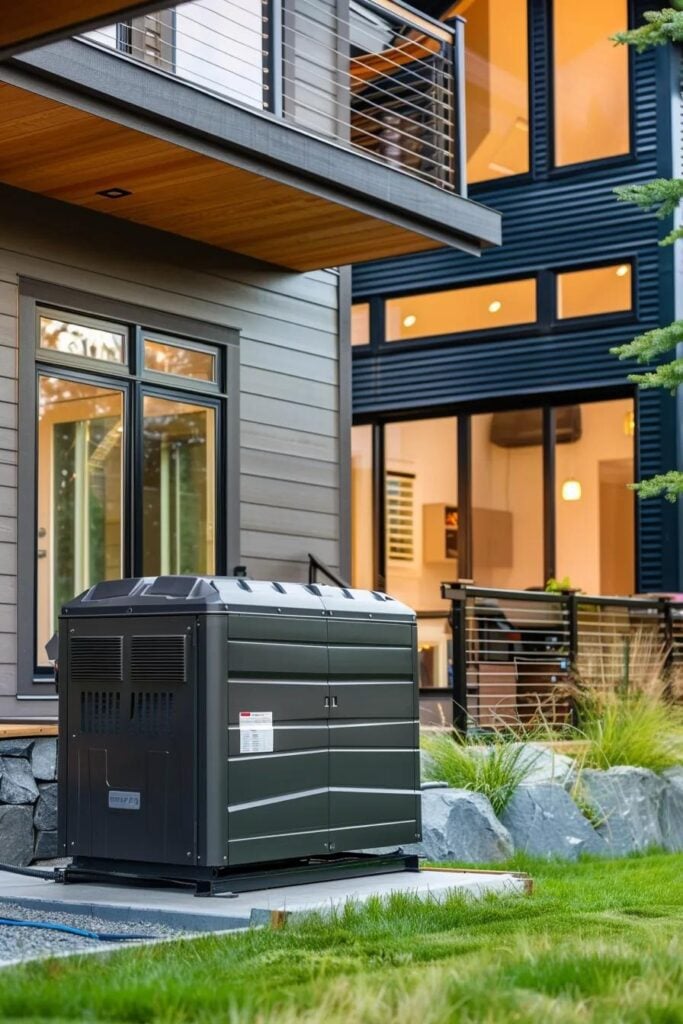
Your Complete Guide to Whole House Generator Pricing: Costs, Brands, and Installation Insights
When the power goes out, a correctly sized whole house generator ensures your entire home stays powered up, protecting your comfort, safety, and daily routines. In this Ultimate Whole House Generator Price Comparison Guide, you’ll learn how generator size, fuel type, brand reputation, and installation complexity all impact the total cost. For homeowners and small businesses in Central Iowa, Rewired Iowa brings together licensed electrical expertise and local knowledge to help you pick, install, and maintain the perfect standby generator. We’ll cover:
- The basics and advantages of whole house generators
- What drives the cost: size (kW), fuel, brand, and installation factors
- A direct comparison of prices and features for Generac, Kohler, Cummins, and other top brands
- A detailed breakdown of installation costs specifically for Central Iowa
- Ongoing running costs, maintenance plans, and how warranties affect long-term value
- Why a generator is a smart investment, available financing, and local support from Rewired Iowa
- What’s new: dual-fuel options, solar integration, and smart monitoring features
- Answers to your most common questions about pricing, sizing, reliability, daily operating costs, and permits
What Exactly Is a Whole House Generator and Why Do You Need One?
A whole house generator is a permanent backup power system that automatically supplies electricity to your entire property during utility outages. It keeps your lights, heating and cooling, appliances, and safety systems running without interruption. By connecting to an automatic transfer switch, it restores power within seconds of detecting a grid failure, ensuring your comfort and security no matter the weather or emergency.
What Are the Different Kinds of Whole House Generators?
Whole house generators generally fall into two main categories: permanently installed standby generators and portable units. Standby generators are connected to a fixed fuel source (natural gas or propane), an automatic transfer switch, and a concrete pad for effortless operation. Portable generators, on the other hand, require manual setup, separate transfer switches, and frequent refueling. Standby systems provide immediate power for all your essential needs, while portable models offer a more budget-friendly option but lack full-home automation.
How Does a Standby Generator Work with an Automatic Transfer Switch?
An automatic transfer switch (ATS) detects when utility power is lost and signals the standby generator to start. It then seamlessly switches your home’s electrical circuits from the grid to the generator’s power. When utility power is restored, the ATS switches the load back and tells the generator to shut down. This smart system prevents dangerous backfeed, protects service technicians, and ensures continuous power for both essential and comfort-related circuits.
What Are the Main Advantages of Installing a Whole House Generator?
- Uninterrupted Power Supply – Automatic switching means no manual startup delays.
- Home Protection – Prevents frozen pipes, spoiled food, and security system failures.
- Peace of Mind – Keeps your climate control and medical equipment running.
- Increased Property Value – A professionally installed generator makes your home more attractive to buyers.
Benefits of Whole House Generators
Whole house generators provide continuous power by automatically switching on during outages, safeguarding your home and ensuring essential systems like lighting, HVAC, and safety equipment keep running. These generators offer valuable peace of mind and can boost your property’s market value.
What Factors Influence the Price of a Whole House Generator?
Generator prices are determined by technical specifications, brand reputation, and installation requirements. Understanding these cost factors will help you plan your budget and select the best system for your needs.
How Does Generator Size (kW) Affect Price and Home Coverage?
The generator’s capacity, measured in kilowatts (kW), directly impacts its cost and how many circuits it can power. A higher kW rating can handle more appliances and higher peak loads, but it also means a greater investment in equipment and installation.
Here’s a look at typical generator sizes and the home coverage they provide:
| Capacity (kW) | Typical Home Size | Key Systems Covered |
|---|---|---|
| 8–12 kW | 1,000–1,500 sq ft | Essentials: refrigerator, lights, sump pump |
| 13–18 kW | 1,500–2,500 sq ft | Adds HVAC, oven, multiple pumps |
| 20–26 kW | 2,500–3,500 sq ft | Full-home coverage, including central AC |
| 30+ kW | 3,500+ sq ft | Larger homes, workshops, small businesses |
Choosing the right kW capacity ensures you don’t overpay for unused power while still protecting your essential systems.
How Do Fuel Types Impact Generator Cost and Operation?
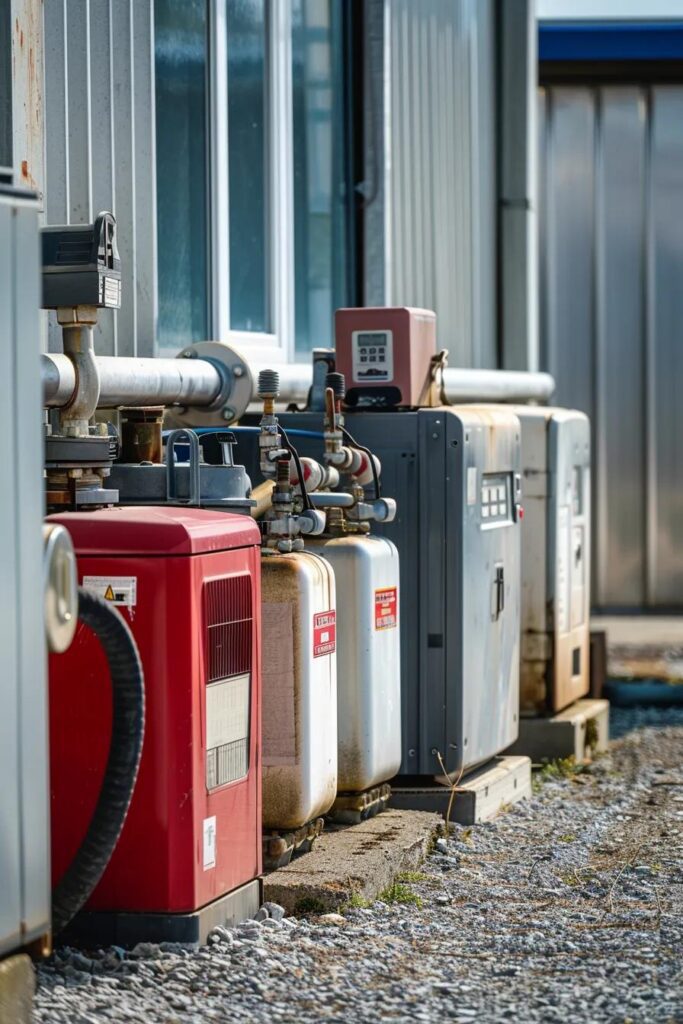
Your choice of fuel affects both the initial equipment cost and the ongoing expenses of running the generator. Natural gas generators connect to your existing gas lines for a continuous fuel supply, while propane and diesel models require storage tanks or regular fuel deliveries. Dual-fuel units offer flexibility but come with a higher price tag.
| Fuel Type | Equipment Cost | Fuel Price Range (per unit) | Availability & Notes |
|---|---|---|---|
| Natural Gas | Moderate | $0.90–$1.50 per therm | Unlimited supply via municipal line |
| Propane (LP) | Moderate | $2.50–$3.50 per gallon | Requires on-site tank installation |
| Diesel | High | $3.50–$4.50 per gallon | Reliable energy density; needs bulk tank |
| Dual Fuel | High | Combines both sources | Operational flexibility; higher initial cost |
Generator Fuel Types
The type of fuel you choose impacts both the initial purchase price and the ongoing operational costs of your generator. Natural gas generators tap into existing lines, while propane and diesel models require storage tanks or regular deliveries. Diesel generators are recognized for their durability and fuel efficiency, while propane offers a cleaner-burning option with a long shelf life.
How Do Brand and Model Choices Affect Pricing?
Generator Brands and Features
Generac, Kohler, and Cummins are leading brands, each offering distinct features and price points. Generac is known for its extensive service network, Kohler focuses on aesthetics and quiet operation, and Cummins stands out for its reliability and advanced controls.
What Role Does Installation Complexity Play in Total Cost?
Installation expenses cover electrical labor, plumbing or gas line connections, site preparation, permits, and inspection fees. If your installation site is remote or uneven, requiring extensive grading or long conduit runs, it will increase labor hours and material costs, potentially adding 20–40% more than basic installation estimates.
How Do Whole House Generator Prices Compare Across Top Brands?
Comparing the leading manufacturers helps you understand the trade-offs between features and costs, allowing you to find the best value for your specific needs.
What Are Generac Whole House Generator Prices and Features?
Generac’s Guardian Series offers capacities from 9–28 kW, complete with automatic transfer switches, True Power™ technology for clean electricity, and mobile monitoring capabilities.
- Price Range: $4,000–$10,000 (equipment only)
- Warranty: 5-year limited
- Key Benefit: Extensive service network and strong dealer support
Generac models provide dependable performance at competitive prices for many homes in Central Iowa.
How Much Do Kohler Generators Cost and What Are Their Benefits?
Kohler’s generators, available in 14–30 kW sizes, feature durable aluminum enclosures, quiet operation (63–67 dB), and corrosion-resistant components.
- Price Range: $7,000–$15,000
- Warranty: 5-year limited
- Key Benefit: Exceptional sound dampening and premium finish
Kohler generators are an excellent choice for homeowners who prioritize appearance and quiet operation.
What Is the Cost and Performance of Cummins Standby Generators?
Cummins QuietConnect™ series includes 13–38 kW units with advanced load management, reliable low-temperature operation, and remote diagnostic capabilities.
- Price Range: $8,000–$18,000
- Warranty: 5-year comprehensive
- Key Benefit: Integrated remote monitoring for proactive maintenance
Cummins generators excel in reliability and intelligent controls, making them ideal for demanding backup power situations.
How Do Other Brands Like Honeywell, Briggs & Stratton, and Westinghouse Compare?
Here’s a quick look at some other popular brands:
| Brand | Price Range | Warranty | Notable Feature |
|---|---|---|---|
| Honeywell | $3,500–$8,500 | 5-year limited | Compact design |
| Briggs & Stratton | $4,000–$9,000 | 5-year limited | Integrated enclosure |
| Westinghouse | $3,000–$7,500 | 3-year limited | Cost-effective entry point |
Whole House Generator Price Comparison: Costs, Brands & Installation

Installation Costs in Central Iowa
Installation costs in Central Iowa cover labor, permits, site preparation, and fuel line connections. Electrician and plumber labor rates typically range from $70–$95 per hour, with permit fees averaging $400–$800. Site preparation, including the installation of concrete pads, can also add to the overall expense.
What Is the Average Range for Installation Labor and Permits?
Certified electrician and plumber labor typically costs $70–$95 per hour in Central Iowa. The total labor hours can range from 20 to 40, depending on the complexity of the installation. Permit and inspection fees generally average between $400 and $800, depending on the county.
How Much Does Site Preparation, Including Concrete Pads, Cost?
Site grading, foundation pads, and gravel bases usually require 6–10 hours of labor plus materials:
- Concrete pad: $600–$1,200
- Grading and gravel: $300–$700
Difficult terrain or sloped areas may increase the cost of earthwork.
What Are the Costs for Electrical Wiring and Automatic Transfer Switch Installation?
Automatic transfer switches (100–200 amp) typically cost $800–$1,500 for the equipment itself. Wiring, conduit, and the associated labor can add another $1,200–$2,500, depending on the distance to the main electrical panel and any necessary disconnects.
How Much Does Fuel Line Installation Add to the Total Cost?
Connecting to natural gas lines generally costs between $500–$1,200 for tapping the line and performing pressure tests. For propane installations that include an above-ground tank connection, the cost typically ranges from $1,000–$1,800.
What Are the Ongoing Running and Maintenance Costs of Whole House Generators?
Long-term ownership expenses include fuel consumption, routine servicing, and warranty considerations, all of which impact the overall value of your investment.
How Much Does It Cost to Run a Whole House Generator Daily?
Daily operating costs depend on the load and the type of fuel used. Under typical half-load conditions:
| Fuel Type | Consumption Rate | Estimated Cost Per Day |
|---|---|---|
| Natural Gas | 4–8 therms | $3.60–$12.00 |
| Propane | 3–6 gallons | $7.50–$21.00 |
| Diesel | 2–4 gallons | $7.00–$18.00 |
Fuel efficiency and effective load management are key to controlling runtime expenses.
What Are Typical Maintenance Plans and Their Pricing?
- Basic Plan – $250–$350 annually (includes oil, filter, and inspection)
- Comprehensive Plan – $400–$600 annually (adds coolant checks and battery testing)
Regular maintenance helps preserve warranty coverage and prevents costly emergency repairs.
How Do Warranty and Lifespan Affect Long-Term Value?
Extended warranties (5–10 years) and rated lifespans of 20,000–30,000 operating hours can significantly improve your return on investment by reducing unexpected repair costs. Choosing a brand with strong warranty coverage ensures more predictable ownership expenses.
Is a Whole House Generator a Worthwhile Investment for Central Iowa Homeowners?
A professionally installed standby generator not only protects your home during power outages but also enhances its marketability and overall livability.
How Does a Generator Increase Property Value and Provide Peace of Mind?
Homes equipped with automatic backup power systems often attract higher resale offers and sell more quickly. Beyond the financial benefits, the ability to maintain continuous climate control and protect your appliances provides daily comfort and security during storms or grid disruptions.
What Financing Options Are Available for Generator Purchase and Installation?
Several financing options can help manage the upfront investment:
- Home Equity Loans – Offer fixed rates using your home’s equity as collateral
- Personal Loans – Unsecured options with competitive interest rates
- Manufacturer Financing – Low-interest plans offered directly by generator brands
- Energy Incentives – Potential rebates from state programs for clean-fuel or dual-fuel systems
Flexible financing solutions can help align generator installation costs with your household budget.
How Can Rewired Iowa Help with Expert Installation and Local Support?
Rewired Iowa offers complete generator solutions, from helping you choose the right system and handling permit applications to providing professional wiring, gas line connections, and ATS integration. Our licensed electricians ensure safe, code-compliant installations and offer responsive maintenance services throughout Central Iowa.
What Are Advanced Whole House Generator Solutions and Emerging Trends?
Modern generators offer enhanced fuel flexibility, integration with renewable energy sources, and smart-home connectivity to meet the evolving demands for backup power.
What Are the Benefits and Costs of Dual Fuel and Tri-Fuel Generators?
Dual and tri-fuel generators can switch between natural gas, propane, and sometimes diesel to maximize runtime and ensure energy independence. While the equipment cost may increase by 10–20%, the operational flexibility and fuel availability during emergencies often make the higher initial investment worthwhile for critical power needs.
How Can Whole House Generators Integrate with Home Solar Power Systems?
Solar-ready generators and bi-directional inverters allow for seamless backup of your photovoltaic (PV) array. This setup enables the storage of excess solar energy in battery banks and supplements power with the generator when needed. Incentives for integrating renewable energy can help offset installation expenses.
What Smart Home Features and Remote Monitoring Are Available?
Generators equipped with built-in Wi-Fi modules and mobile apps provide status alerts, automatic self-tests, and usage analytics. Remote diagnostics can reduce the need for service calls and ensure proactive maintenance, thereby enhancing system reliability and owner confidence.
What Are the Most Common Questions About Whole House Generator Prices?
Homeowners frequently inquire about initial equipment costs, proper sizing, brand reliability, daily fuel expenses, and local permitting requirements. Addressing these key questions helps guide informed purchasing decisions.
How Much Does It Cost to Install a Whole House Generator?
Installation costs typically range from $1,500 to $5,000, depending on factors like labor, permits, ATS installation, and site preparation.
What Size Generator Do I Need for My Home?
The right size depends on your home’s square footage and the essential circuits you need to power. An 8–12 kW unit can handle basic loads in homes up to 1,500 sq ft, while 20–26 kW systems are suitable for whole-house power needs in homes up to 3,500 sq ft.
Which Whole House Generator Brand Is Most Reliable?
Generac, Cummins, and Kohler are consistently ranked high for reliability, each offering multi-year warranties and proven performance records for standby applications.
How Much Does It Cost to Run a Whole House Generator Per Day?
Daily running costs can range from $3.60 to $21.00 for natural gas and propane when operating at half-load, varying with fuel type, generator size, and usage patterns.
Are There Local Permits or Regulations in Central Iowa Affecting Installation?
Counties throughout Central Iowa require electrical and gas permits, typically costing $400–$800, and mandate inspections. Using licensed professionals ensures compliance with state electrical codes and local ordinances.
A dependable whole house generator is more than just an emergency power solution—it’s an investment in your comfort, security, and property value. By carefully comparing capacity, fuel options, brand features, and installation details, you can select the ideal backup system for your Central Iowa home or business. With Rewired Iowa’s team of licensed electricians handling expert installation, maintenance, and local permitting, you can rest assured that your standby generator is optimized for safety, efficiency, and long-term performance.

John Senn is a licensed Master Electrician based in Des Moines, Iowa with over 20 years of hands‑on experience serving homes and businesses across the state. He specializes in electrical panel upgrades, whole‑home generator installations, EV charger setups, and 24‑hour emergency service. As the owner of a growing team of certified electricians, John has built a reputation for safe, code‑compliant work and practical solutions that keep Iowa families and businesses powered up. His deep knowledge of Iowa’s electrical codes and his commitment to ongoing training make him a trusted voice in the trade and a go‑to expert for reliable electrical work in Des Moines and beyond.