
Electrical repairs can seem straightforward, but DIY attempts carry hidden hazards that endanger lives, property, and finances. In fact, the National Fire Protection Association (NFPA) estimates 46,700–51,000 home electrical fires annually, many linked to amateur work. This guide explains the unseen dangers of unlicensed electrical fixes, reveals why certified electricians deliver safety and savings, highlights common code violations in Iowa, advises when to call a pro, analyzes fire and injury data, and shows how Rewired Iowa safeguards Des Moines homes. By mastering these insights, you’ll protect your family, preserve your home’s integrity, and make cost-wise decisions.
Electrical Fires and DIY Repairs
The National Fire Protection Association (NFPA) estimates a significant number of home electrical fires annually, with many linked to amateur electrical work. These fires can lead to injuries, property damage, and financial losses for homeowners. The risks associated with DIY electrical work underscore the importance of professional expertise.
This research supports the article’s claims about the dangers of DIY electrical work and the prevalence of electrical fires.
What Are the Hidden Dangers of DIY Electrical Repairs?
DIY electrical repairs refer to homeowner-performed wiring, outlet, or panel fixes without professional credentials. Attempting these tasks without comprehensive training often leads to shock incidents, fire starts, structural damage, and insurance complications—for example, a miswired breaker causing an arc fault and igniting insulation. Recognizing these perils helps you weigh true costs before picking up a screwdriver.
What Are the Risks of Electrocution and Electrical Shock in DIY Repairs?
Electrical shock occurs when current crosses the body, potentially causing burns, nerve damage, cardiac arrest, or death. Inadequate insulation, exposed conductors, or improper grounding multiply electrocution hazards. For instance, touching a live terminal while testing a circuit without shutting off the breaker can deliver lethal voltage. Maintaining proper circuit de-energization and using certified testers prevents these life-threatening mistakes.
How Do DIY Electrical Mistakes Cause Electrical Fires?
Most DIY electrical fires stem from loose connections, overloaded circuits, or faulty splices.
| Entity | Mechanism | Risk Outcome |
|---|---|---|
| Loose Wire Connection | Generates heat at contact point | Ignition of insulation |
| Overloaded Branch Circuit | Excess current over capacity | Wire overheating, fire |
| Inadequate Junction Box Cover | Exposes sparks to combustibles | Flames spread behind walls |
| Improper Splice Using Twist-On | Poor metal-to-metal contact | Arcing faults, insulation fire |
Each scenario highlights that small wiring errors can escalate into full-blown fires, underscoring the value of precision and code-compliant methods.
What Property Damage Can Result from DIY Electrical Work?
Unlicensed electrical work can damage drywall, flooring, appliances, and structural framing. A misrouted cable drilled through floor joists may compromise load-bearing support, leading to sagging joists or cracked walls. Hidden shorts may degrade motor insulation inside expensive HVAC units, causing premature failure. Repairing these consequences often far exceeds initial DIY savings and reduces home resale value.
What Legal and Insurance Consequences Arise from Unlicensed DIY Electrical Work?
Working without a license typically violates local building codes and voids homeowners’ insurance for related incidents.
- Code Violation Fines: Monetary penalties up to $5,000 for work without permits.
- Insurance Claim Denial: Insurers may refuse coverage for fires or damages caused by unpermitted repairs.
- Liability Exposure: Homeowners assume full responsibility for injuries or losses when work isn’t inspected.
Understanding these ramifications clarifies that the perceived economy of DIY fixes is outweighed by potential fines and uninsured liabilities.
Why Is Hiring a Licensed Electrician Essential for Electrical Repairs?
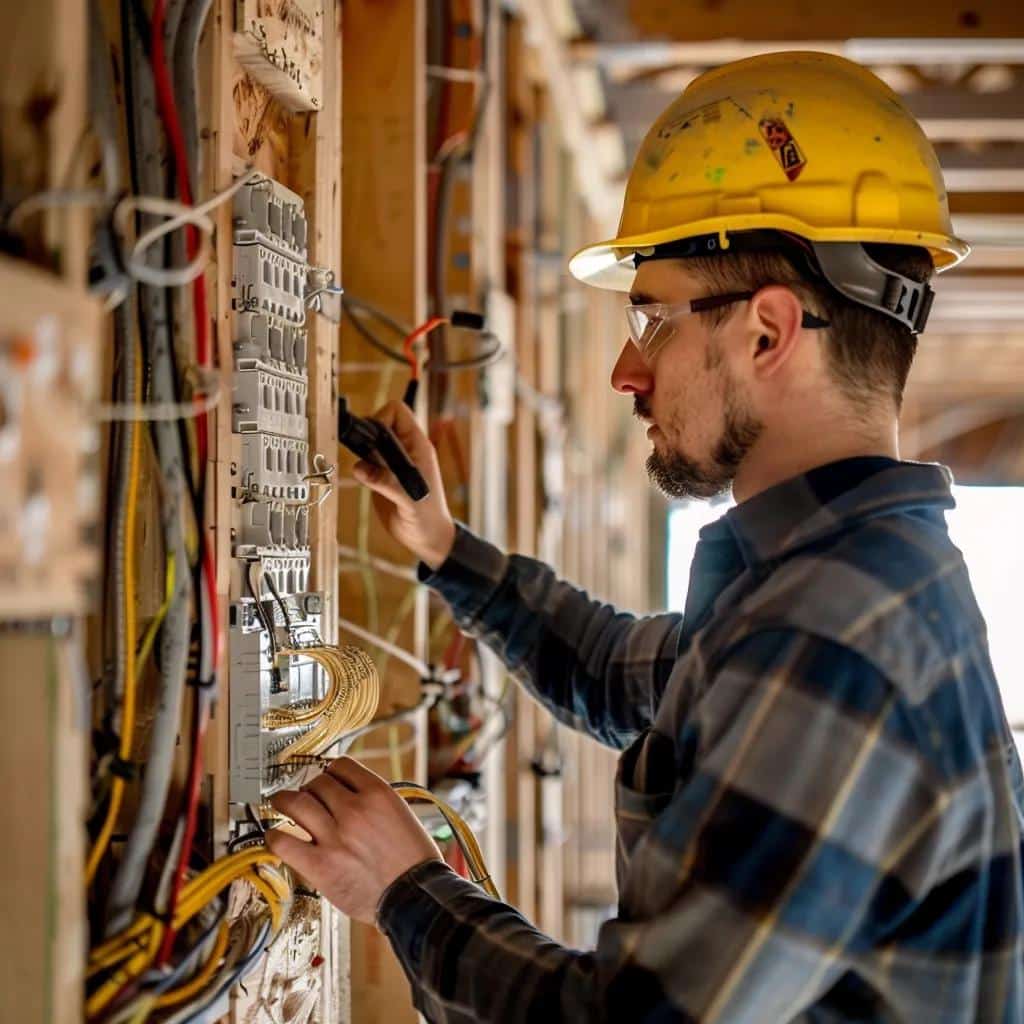
A licensed electrician holds state-issued credentials, extensive training, and carries insurance to guarantee safe, compliant work. By following the National Electrical Code (NEC), professional electricians minimize risks of shock, fire, and code violations while ensuring installations operate at peak performance—saving money on energy bills and avoiding emergency breakdowns. Engaging certified expertise transforms hazardous repairs into reliable, long-lasting solutions.
How Do Licensed Electricians Ensure Safety and Code Compliance?
Certified electricians validate every repair with proper permits, follow NEC sections for conductor sizing, and secure inspections before energizing systems. They employ calibrated test equipment to verify grounding, continuity, and GFCI functionality. This diligence prevents hidden hazards and ensures your electrical infrastructure meets regulatory standards.
What Expertise and Quality Workmanship Do Certified Electricians Provide?
Licensed electricians complete apprenticeships and ongoing education in wiring techniques, load calculations, and new technologies. Their craftsmanship features neat cable routing, protected junction boxes, and corrosion-resistant connections. This level of precision prolongs equipment life, reduces service calls, and upholds manufacturer warranties on devices like breakers and panels.
How Can Hiring a Professional Save You Money in the Long Term?
Professional installations avoid costly rework, emergency electrician fees, and catastrophic fire repairs.
| Entity | DIY Attempt Cost | Professional Cost |
|---|---|---|
| Simple Outlet Replacement | $30 (parts only) | $120 (labor + parts) |
| Faulty Breaker Diagnosis | $0 (attempt) + $1,500 damage | $250 service call |
| Panel Upgrade | N/A (unsafe DIY) | $1,200–$2,000 total |
What Peace of Mind Comes from Using a Licensed Electrical Worker?
Beyond technical accuracy, licensed electricians offer warranties, liability coverage, and 24/7 support for emergencies. This assurance reduces anxiety over hidden defects and provides a clear path to professional recourse should issues arise, ensuring your home’s occupants remain safe and secure.
What Are Common Electrical Code Violations in DIY Repairs and Their Risks?
DIY repairs often breach critical sections of the NEC, creating safety hazards and inspection failures. Recognizing frequent infractions helps homeowners avoid these high-risk pitfalls before they lead to fires, fines, or voided insurance.
Which Iowa Electrical Code Violations Are Most Frequent in DIY Work?
In Iowa, common DIY code violations include unauthorized panel modifications, absence of ground fault protection in bathrooms, open junction boxes behind walls, and using non-UL-listed components. These breaches elevate shock and fire risks, prompting inspectors to issue red tags that halt occupancy until remediated.
What Are the Permit and Inspection Requirements for Electrical Work in Iowa?
Iowa law mandates permits for any new circuits, panel changes, or receptacle relocations. Licensed electricians must submit plans, pay filing fees, and schedule official inspections at rough-in and final stages. Passing these inspections certifies compliance with Iowa Administrative Code 199—ensuring public safety and legal adherence.
Iowa Electrical Code and Violations
Iowa mandates permits for new circuits, panel changes, and receptacle relocations. Licensed electricians must submit plans, pay fees, and schedule inspections to ensure compliance with the Iowa Administrative Code 199. This process is essential for public safety and legal adherence.
This citation supports the article’s discussion of the legal requirements and code compliance related to electrical work in Iowa.
How Can Code Violations Affect Homeowner Insurance and Liability?
Insurance policies stipulate that all electrical work comply with local codes. Violations discovered after a claim assessment can lead to partial or total claim denial. Additionally, homeowners can face liability lawsuits if unlicensed wiring causes injury to guests or contractors, emphasizing the importance of professional compliance.
When Should Homeowners Call a Professional Electrician?
Knowing when to call a licensed electrician prevents DIY regrets. Tasks that involve high-voltage equipment, load recalculations, or unfamiliar devices warrant expert intervention—preserving safety and system reliability.
What Are the Warning Signs of Electrical Hazards at Home?
- Flickering or Sparking Outlets
- Burning Odors near Panels
- Repeated Circuit Breaker Trips
- Discolored Switch Plates
- Tingling Sensations on Touching Devices
Each symptom signals hidden faults that require professional diagnostics.
Which Electrical Repairs Are Too Risky for DIY Attempts?
- Panel Upgrades or Relocations
- Hardwired Appliance Installations (e.g., ovens, HVAC)
- Arc Fault Circuit Interrupter (AFCI) Additions
- Main Service Disconnect Repairs
Attempting these complex services without credentials dramatically increases fire and shock hazards.
How Do GFCI and AFCI Devices Improve Home Electrical Safety?
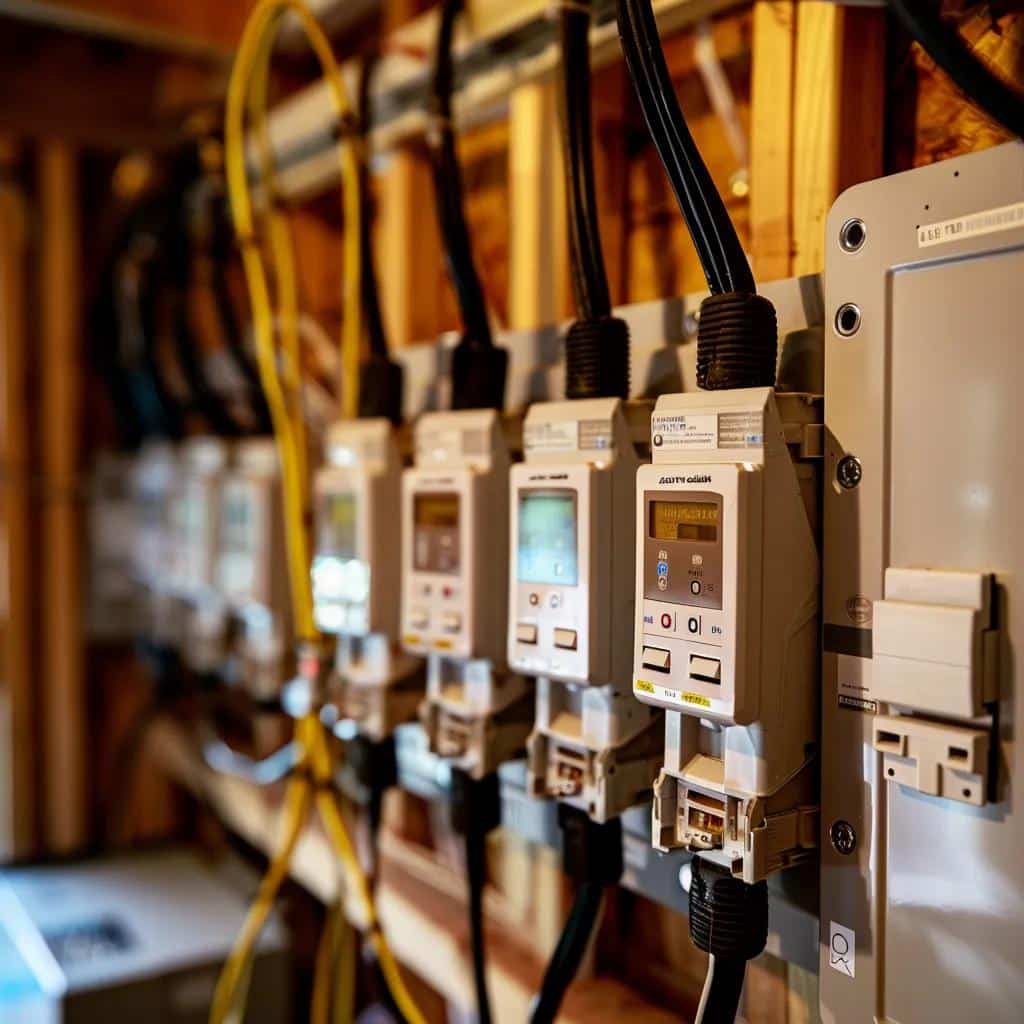
Ground-fault circuit interrupters (GFCIs) and arc-fault circuit interrupters (AFCIs) detect abnormal current paths and arcs, respectively, and shut off power in milliseconds. Installing these devices in kitchens, bathrooms, and bedrooms greatly reduces the risks of electrocution and arcing fires—features that every professional electrician integrates during upgrades.
What Do Electrical Fire and Injury Statistics Reveal About DIY Risks?
How Many Home Electrical Fires Are Caused by DIY Electrical Work Annually?
Each year, an estimated 8–10% of the 50,000 home electrical fires originate from DIY mistakes, equating to roughly 4,000–5,000 preventable blazes. These incidents produce hundreds of injuries and millions in property loss, highlighting the human and financial stakes of unlicensed repairs.
What Are the Rates of Electrical Injuries and Fatalities Related to DIY Repairs?
The Electrical Safety Foundation International (ESFI) reports about 1,000 annual deaths and 30,000 injuries due to electricity-related accidents, with a significant subset tied to non-professional work. Amateurs lacking insulation testing skills or proper PPE bear the brunt of these avoidable tragedies.
Electrical Safety and Injury Statistics
Electrical Safety Foundation International (ESFI) reports a substantial number of injuries and fatalities each year due to electricity-related accidents, with a portion of these incidents linked to non-professional electrical work. These statistics highlight the potential dangers of DIY electrical repairs and the importance of adhering to safety standards.
This citation provides supporting data for the article’s discussion of the risks associated with DIY electrical work and the benefits of professional electrical services.
How Does Professional Electrical Work Reduce Fire and Injury Risks?
Licensed electricians cut fire and injury rates by up to 75% through compliant installations, precise load management, and advanced protective devices. By adhering to NFPA standards, professionals transform high-risk circuits into secure systems—demonstrating why expertise matters.
How Does Rewired Iowa Provide Safe and Reliable Electrical Services in Des Moines?
Rewired Iowa blends nearly two decades of experience with family-owned dedication to deliver licensed, insured, and code-compliant electrical solutions across Des Moines and surrounding communities. Their personalized approach and fair pricing make professional safety accessible to every homeowner.
What Is Rewired Iowa’s Commitment to Safety, Integrity, and Quality?
Rewired Iowa ensures all technicians hold Iowa state licenses and participate in ongoing NEC training. Every repair includes permit acquisition, third-party inspections, and a workmanship warranty—building trust through transparency and proven expertise.
How Does Rewired Iowa Offer Personalized Service and Fair Pricing?
As a local business, Rewired Iowa customizes each estimate based on home age, scope, and long-term value. Their clear, itemized quotes eliminate surprises and align with budget considerations, ensuring every customer receives maximum return on investment.
When Is Rewired Iowa Available for Emergency and 24/7 Electrical Services?
Rewired Iowa’s round-the-clock dispatch team responds to critical outages and safety concerns day or night. Fast, licensed interventions minimize downtime and restore protection—turning urgent hazards into managed solutions without delay.
How Can Homeowners Get a Second Opinion from Rewired Iowa?
Homeowners uncertain about prior repairs can schedule a no-obligation safety audit. Rewired Iowa evaluates existing work, identifies latent risks, and provides corrective recommendations—empowering residents to make informed electrical decisions.
What Are the Financial Implications of DIY Electrical Repairs vs. Professional Services?
How Do DIY Mistakes Lead to Expensive Repairs and Property Damage?
DIY errors frequently require professional remediation of fire-damaged framing, water damage from charred pipe insulation, or rewiring entire circuits after hidden faults emerge. These corrective measures can cost 5–10 times more than the original repair would have under professional care.
What Are the Cost Benefits of Hiring Licensed Electricians in Des Moines?
Licensed electricians optimize material use, reduce labor hours through efficient procedures, and prevent emergency call-out fees. By investing in quality from the start, homeowners save on energy bills, avoid early equipment replacements, and maintain insurance protection—realizing 20–30% net savings over a decade.
How Does Proper Electrical Work Protect Your Home’s Insurance Coverage?
Professional installations with permits and inspections maintain continuous insurance validity. In the event of a claim, insurers recognize licensed work as compliant risk mitigation, facilitating full coverage for damages and preserving long-term financial security.
Licensing, code compliance, and professional expertise transform risky DIY fixes into reliable electrical systems that defend lives, property, and budgets. By understanding hazards, recognizing when to call a licensed electrician, and partnering with a trusted Des Moines specialist like Rewired Iowa, you secure peace of mind and lasting value. Prioritize safety over shortcuts and invest in certified workmanship—your home and wallet will thank you.
Frequently Asked Questions
What are the signs that indicate I need to call an electrician?
Homeowners should be vigilant for warning signs that indicate electrical issues. Common indicators include flickering or sparking outlets, burning odors near electrical panels, frequent circuit breaker trips, discolored switch plates, and tingling sensations when touching devices. These symptoms suggest underlying faults that could pose serious safety risks. If you notice any of these signs, it’s crucial to contact a licensed electrician immediately to diagnose and resolve the problem before it escalates into a hazardous situation.
How can I ensure my home’s electrical system is safe?
To ensure your home’s electrical system is safe, consider scheduling regular inspections with a licensed electrician. They can assess your wiring, outlets, and appliances for compliance with current safety standards. Additionally, installing GFCI and AFCI devices can enhance safety by preventing electrical shocks and fires. Keeping your electrical system updated and compliant with local codes is essential for protecting your home and family from potential hazards. Regular maintenance and prompt repairs are key to long-term safety.
What should I do if I experience an electrical emergency?
In the event of an electrical emergency, such as a fire or severe shock, prioritize safety by immediately disconnecting power to the affected area, if safe to do so. Evacuate the premises and call emergency services if necessary. For non-life-threatening issues, such as persistent outages or equipment failures, contact a licensed electrician for prompt assistance. Having a plan in place for electrical emergencies can help minimize risks and ensure a swift response to protect your home and loved ones.
Are there specific electrical codes I should be aware of in my area?
Yes, electrical codes vary by location, and it’s essential to be aware of the regulations in your area. In Iowa, for example, homeowners must obtain permits for new circuits, panel changes, and receptacle relocations. Familiarizing yourself with local codes can help you avoid costly fines and ensure that any electrical work is compliant and safe. Consulting with a licensed electrician can provide clarity on the specific codes applicable to your home and any planned electrical projects.
What are the long-term financial benefits of hiring a licensed electrician?
Hiring a licensed electrician can lead to significant long-term financial benefits. Professionals ensure that installations are done correctly, reducing the likelihood of costly repairs due to DIY mistakes. They also optimize energy efficiency, which can lower utility bills over time. Additionally, licensed work maintains your home’s insurance coverage, protecting you from potential financial losses in case of damage. Investing in professional services upfront can save homeowners money in the long run by preventing emergencies and ensuring compliance with safety standards.
How can I find a reliable electrician in my area?
To find a reliable electrician, start by asking for recommendations from friends, family, or neighbors. Online reviews and ratings can also provide insights into local electricians‘ reputations. Ensure that any electrician you consider is licensed, insured, and has experience with the specific type of work you need. Requesting quotes and checking references can further help you assess their reliability and professionalism. A trustworthy electrician will be transparent about their services and provide clear, itemized estimates for your projects.
Conclusion
Licensing, code compliance, and professional expertise transform risky DIY fixes into reliable electrical systems that defend lives, property, and budgets. By understanding hazards, recognizing when to call a licensed electrician, and partnering with a trusted Des Moines specialist like Rewired Iowa, you secure peace of mind and lasting value. Prioritize safety over shortcuts and invest in certified workmanship—your home and wallet will thank you. Explore our services today to ensure your electrical needs are met with the highest standards of safety and quality.

John Senn is a licensed Master Electrician based in Des Moines, Iowa with over 20 years of hands‑on experience serving homes and businesses across the state. He specializes in electrical panel upgrades, whole‑home generator installations, EV charger setups, and 24‑hour emergency service. As the owner of a growing team of certified electricians, John has built a reputation for safe, code‑compliant work and practical solutions that keep Iowa families and businesses powered up. His deep knowledge of Iowa’s electrical codes and his commitment to ongoing training make him a trusted voice in the trade and a go‑to expert for reliable electrical work in Des Moines and beyond.