2026 Guide to Reliable Home EV Charger Installation
By John Senn, Rewired Iowa Electrician Des Moines
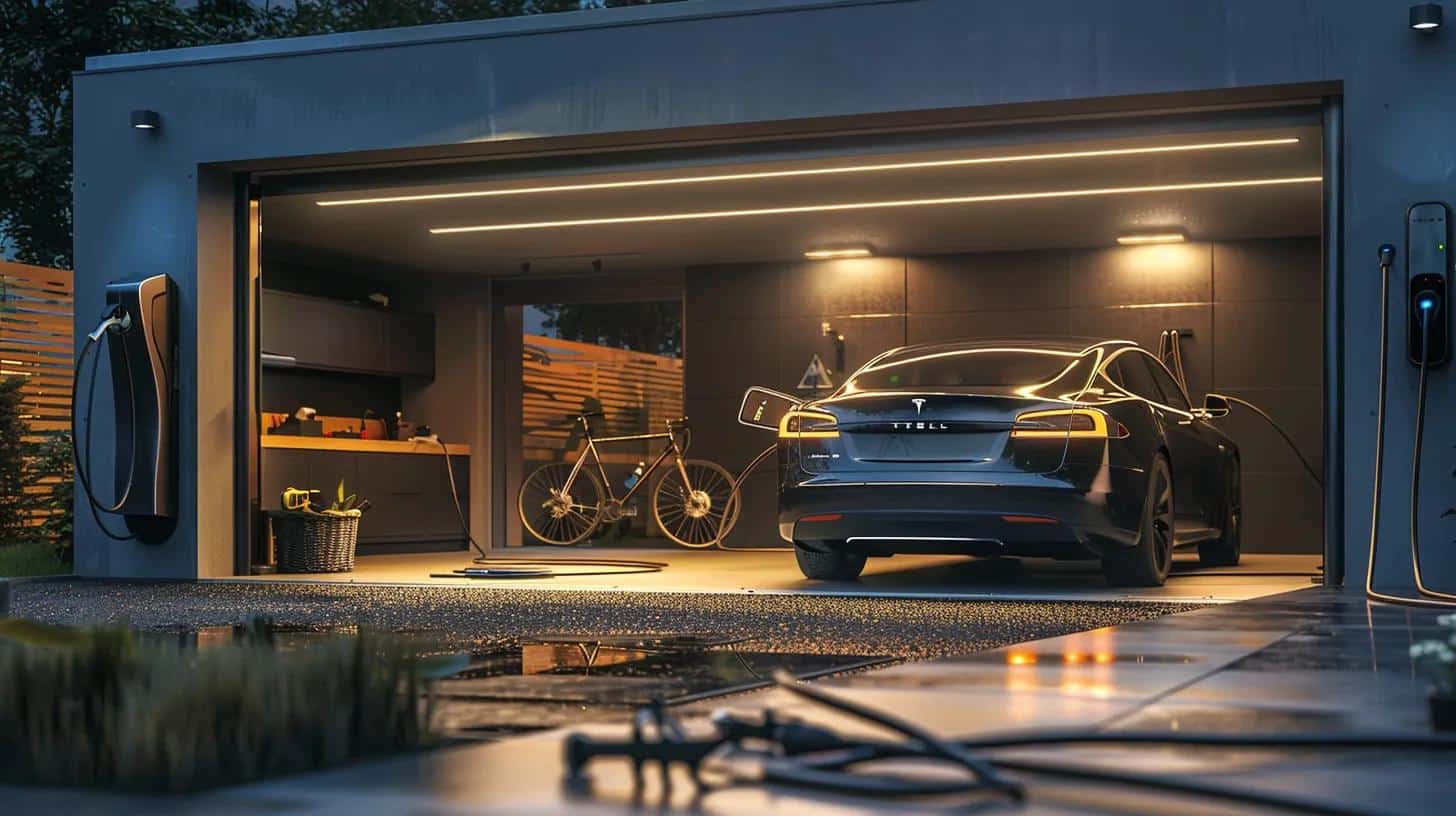
As electric vehicles (EVs) continue to gain popularity, the need for efficient home charging solutions becomes increasingly important. In 2026, homeowners are looking for the best EV chargers that not only provide reliable performance but also enhance the convenience of charging at home. This guide will explore the various types of EV chargers available, their benefits, and the top brands recommended for residential use. Additionally, we will discuss the installation process and local incentives available for homeowners in Iowa. By the end of this article, you will have a comprehensive understanding of the best EV chargers for your home and how to make the most of your investment.
Which Types of Home EV Chargers Are Most Suitable in 2026?
When considering home EV chargers, it’s essential to understand the different types available. The two primary categories are Level 1 and Level 2 chargers. Level 1 chargers use a standard 120-volt outlet and are suitable for overnight charging, providing about 4-5 miles of range per hour. They are ideal for those who drive short distances daily. On the other hand, Level 2 chargers operate on a 240-volt outlet and can deliver up to 25 miles of range per hour, making them a better choice for those who need faster charging capabilities.
In addition to these types, smart EV chargers are becoming increasingly popular. These chargers offer features such as scheduling, real-time monitoring, and integration with home energy management systems, allowing users to optimize their charging times and costs. As the demand for electric vehicles grows, investing in a suitable home charging solution is crucial for future-proofing your home.
What Are the Benefits of Level 2 EV Chargers for Residential Use?
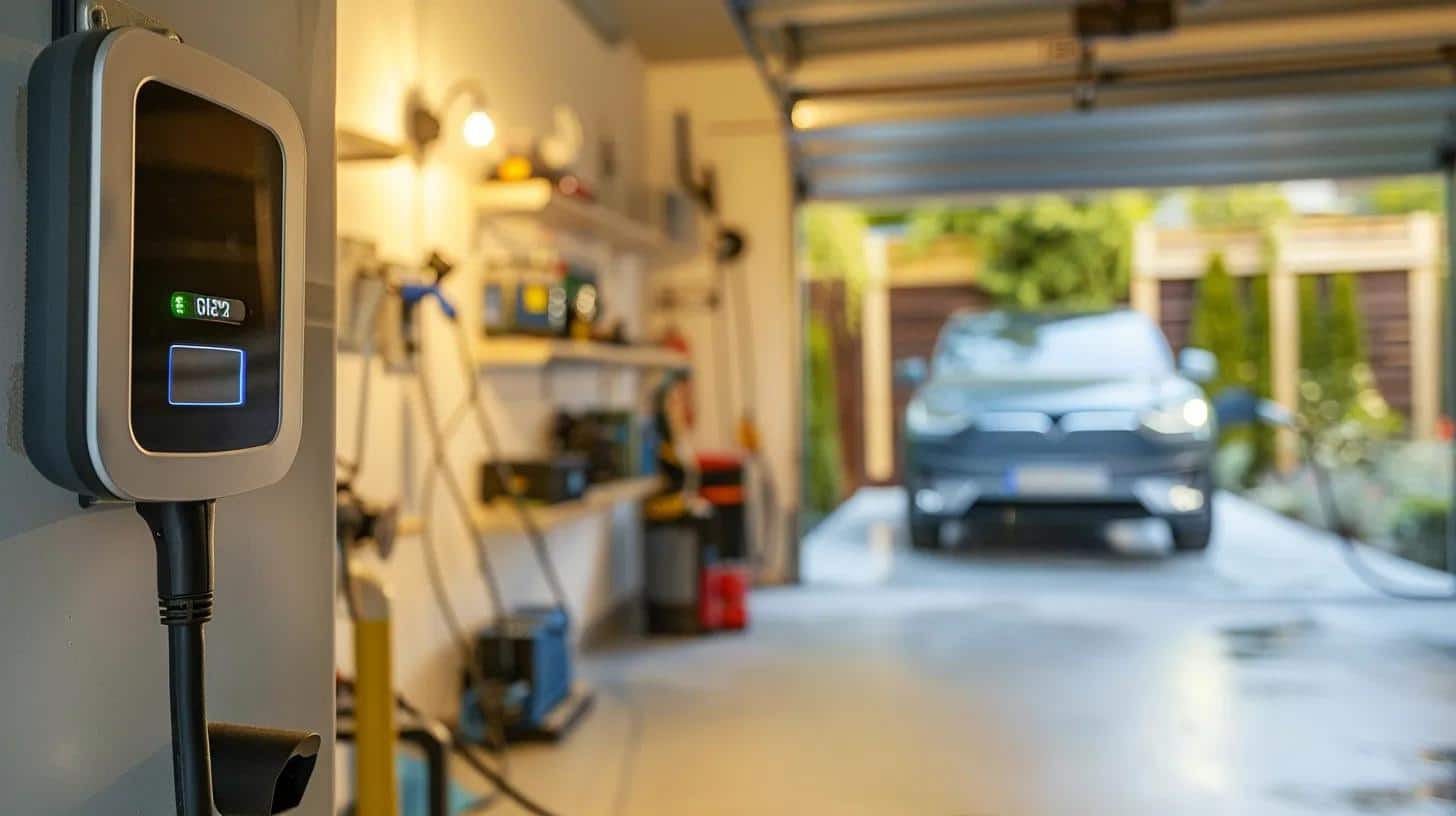
Level 2 EV chargers provide several advantages for homeowners looking to charge their electric vehicles efficiently. Here are some key benefits:
- Faster Charging Capabilities: Level 2 chargers can significantly reduce charging time, allowing users to quickly recharge their vehicles overnight or during the day.
- Convenience of Home Charging: With a Level 2 charger installed at home, drivers can easily charge their vehicles without needing to visit public charging stations, saving time and effort.
- Cost Efficiency and Property Value Increase: Installing a Level 2 charger can enhance the value of your property, making it more attractive to potential buyers who own electric vehicles.
For those considering a Level 2 charger, Rewired Iowa offers expert installation services to ensure safety and reliability.
What Are the Benefits of Level 2 EV Chargers for Residential Use?
The benefits of Level 2 chargers extend beyond just speed. They also provide a more convenient and cost-effective solution for homeowners. By charging at home, users can take advantage of lower electricity rates during off-peak hours, leading to significant savings over time. Additionally, the increased property value associated with having a dedicated EV charging station can be a compelling reason to invest in a Level 2 charger.
How Do Smart EV Chargers Enhance Home Charging Efficiency?
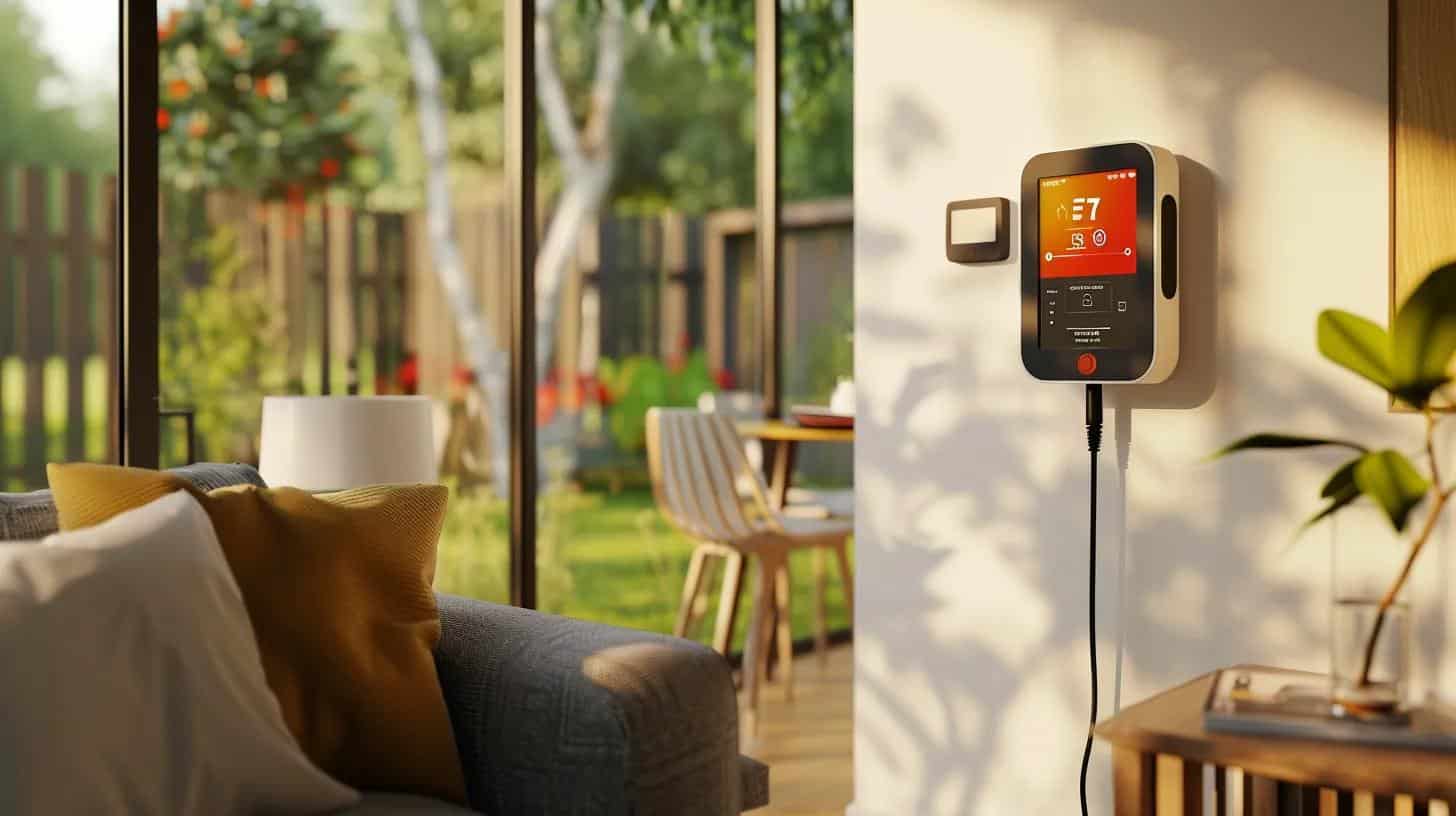
Smart EV chargers are designed to optimize the charging process by incorporating advanced technology. These chargers allow users to schedule charging times, monitor energy usage in real-time, and even integrate with renewable energy sources like solar panels. By using a smart charger, homeowners can ensure that they are charging their vehicles during the most cost-effective times, further enhancing the efficiency of their home energy management.
Moreover, smart chargers can provide insights into charging habits and energy consumption, helping users make informed decisions about their energy use. This level of control and information can lead to better energy management and lower utility bills.
What Are the Top EV Charger Brands Recommended for Homes in 2026?
When selecting an EV charger, it’s essential to consider the brand’s reputation, features, and customer support. Here are some of the top brands recommended for home EV chargers in 2026:
These brands are known for their reliability and customer satisfaction, making them excellent choices for homeowners looking to invest in an EV charger.
How Do Brand Features and Safety Certifications Compare?
When comparing EV charger brands, it’s crucial to look at their features and safety certifications. Brands like ChargePoint and JuiceBox offer smart features that enhance user experience, while Siemens is recognized for its robust safety certifications. Understanding these differences can help homeowners choose the right charger that meets their needs and ensures safe operation.
Which Brands Offer the Best Warranty and Customer Support?
Warranty and customer support are vital factors when selecting an EV charger. Brands like ChargePoint and Blink provide extensive warranties and responsive customer service, ensuring that users have support when needed. Evaluating these aspects can lead to a more satisfying ownership experience.
How Does the Residential EV Charger Installation Process Ensure Safety and Reliability?
The installation of an EV charger is a critical step that ensures safety and reliability. A professional installation process typically involves several key steps, including site assessment, permitting, and final testing. By following these steps, homeowners can ensure that their charging station is installed correctly and complies with local electrical codes.
What Are the Key Steps in Professional EV Charger Installation?
- Consultation and Assessment: A qualified electrician will assess the home’s electrical system to determine the best location for the charger and ensure it can handle the additional load.
- Permitting and Inspections: Necessary permits will be obtained, and inspections will be scheduled to ensure compliance with local regulations.
- Final Testing and Verification: After installation, the charger will be tested to confirm it operates correctly and safely.
How Does Rewired Iowa Adhere to Electrical Safety Standards?
Rewired Iowa is committed to adhering to electrical safety standards during the installation process. Their team of professionals ensures compliance with the National Electrical Code (NEC) and conducts thorough load calculations to prevent overloading the electrical system. Post-installation inspections are also performed to guarantee the safety and reliability of the charging station.
What Local Rebates and Incentives Are Available for Home EV Chargers in Iowa?
Homeowners in Iowa can take advantage of various local rebates and incentives when installing EV chargers. These programs are designed to encourage the adoption of electric vehicles and support the development of charging infrastructure.
How Can Homeowners Access and Maximize Iowa EV Charger Rebates?
- Research Available Programs: Check local utility companies and state programs for available rebates.
- Gather Required Documentation: Ensure all necessary documentation, such as proof of purchase and installation, is collected.
- Submit Applications Promptly: Apply for rebates as soon as possible to secure funding before programs reach their limits.
What Are the Eligibility Criteria for Residential EV Charging Incentives?
Eligibility criteria for residential EV charging incentives typically include:
- Proof of purchase for the EV charger
- Installation by a licensed electrician
- Compliance with local building codes
Understanding these criteria can help homeowners navigate the rebate process more effectively.
To ensure a safe and reliable installation, consider reaching out to Rewired Iowa for professional assistance.

John Senn is a licensed Master Electrician based in Des Moines, Iowa with over 20 years of hands‑on experience serving homes and businesses across the state. He specializes in electrical panel upgrades, whole‑home generator installations, EV charger setups, and 24‑hour emergency service. As the owner of a growing team of certified electricians, John has built a reputation for safe, code‑compliant work and practical solutions that keep Iowa families and businesses powered up. His deep knowledge of Iowa’s electrical codes and his commitment to ongoing training make him a trusted voice in the trade and a go‑to expert for reliable electrical work in Des Moines and beyond.