
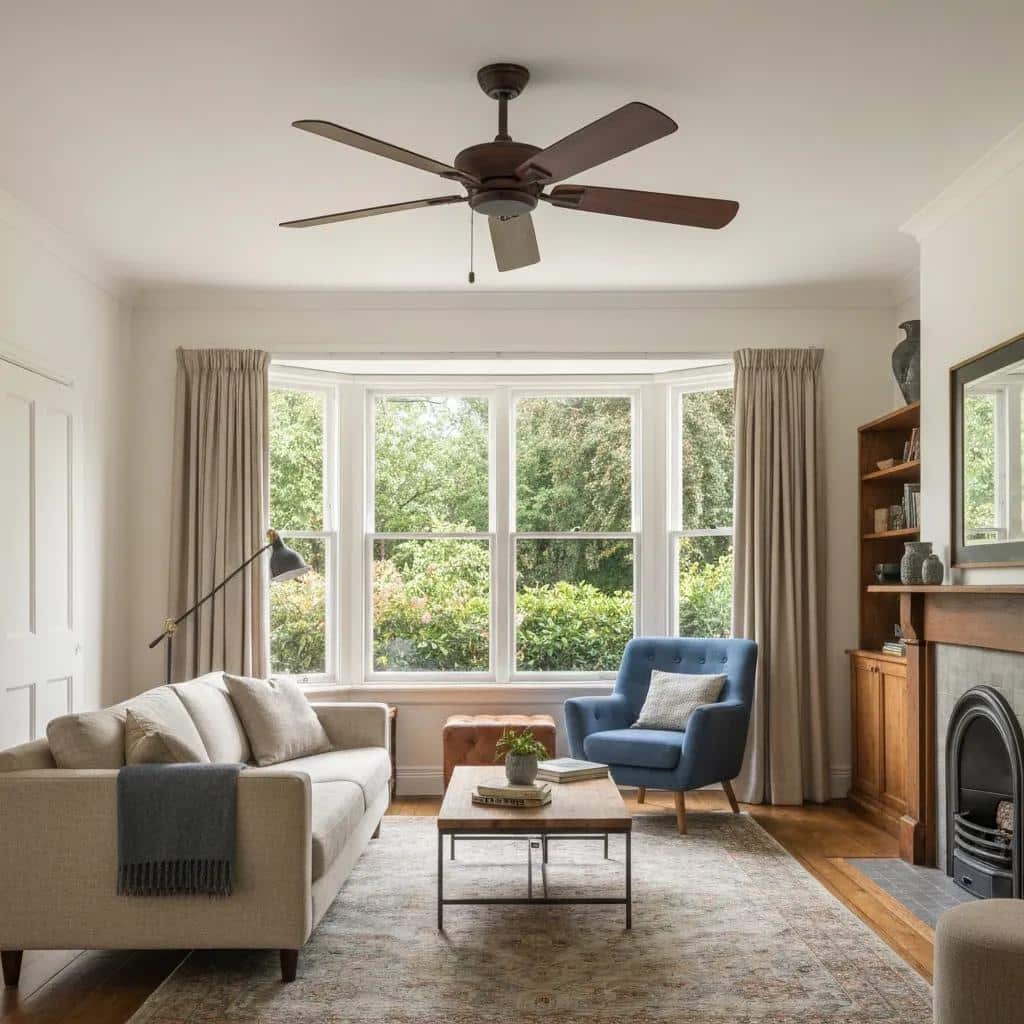
Ceiling Fan Failure? Warning Signs to Contact Des Moines Electricians
When a ceiling fan stops working or starts acting up — anything from a noticeable wobble to the complete ceiling fan not working — the problem could be as simple as a loose blade or as serious as an electrical fault. Older Des Moines homes with aging wiring and legacy panels are especially vulnerable. This guide walks you through the warning signs to watch for, how local wiring types and Iowa’s weather can affect fan behavior, safe troubleshooting you can try, and when to call a licensed electrician. You’ll find safety-first steps for immediate dangers (cut power, isolate the circuit), a clear DIY vs. pro decision path, and realistic cost considerations for repair or replacement in Des Moines. We cover symptoms like wobble, humming, flicker, burning odors, and intermittent power — plus quick-reference tables, practical checklists, and hiring tips for a qualified electrician. Keep reading for step-by-step checks you can do safely, red flags that mean shut it off and call a pro, and simple habits to keep your ceiling fans running year-round.
What Are the Common Warning Signs of Ceiling Fan Electrical Problems in Des Moines?
Ceiling fan electrical problems usually show obvious clues that help you separate a mechanical issue from a potential electrical hazard. Spotting and prioritizing those signs quickly lowers the chance of fire or shock. In many Des Moines homes — especially older ones — loose connections, worn insulation, and overloaded circuits present as audible or visible symptoms. Below is a prioritized list of urgent warnings and short actions to help you triage safety versus routine maintenance. Addressing problems early keeps a small issue from becoming an emergency.
Common warning signs to watch for and their immediate one-line actions:
- Burning smell near the fan: Turn the breaker off immediately and do not use the circuit.
- Visible sparks or scorch marks: Cut power and arrange an urgent professional inspection.
- Flickering lights on the fan light kit (or if the fan light not working): Isolate the circuit and check connections; call an electrician if the flicker continues.
- Fan humming or buzzing with heat: Turn it off and stop using the fan — this often signals motor or capacitor overheating.
- Wobbling or excessive vibration (the fan is wobbling): Check blade balance and mounting; stop use if the mount feels loose or noisy.
- Intermittent power or frequent breaker trips (the ceiling fan not working reliably, or the fan and light not working): Treat as a wiring or overload concern and schedule a professional diagnosis.
This EAV table maps symptoms to likely causes and recommended urgency so you can triage quickly.
The EAV table below helps triage warning signs with likely causes and recommended action:
| Warning Sign | Likely Cause | Urgency / Recommended Action |
|---|---|---|
| Burning smell | Overheated motor or a loose/arcing connection | High — Turn off the breaker and call a licensed electrician |
| Sparks / scorch marks | Arcing at connections or a short circuit | High — Power off immediately and schedule an emergency inspection |
| Flickering lights (or fan light stopped working) | Loose neutral, faulty light kit wiring, or dimmer incompatibility | Medium-High — Isolate the circuit; if it continues, call an electrician |
| Humming / buzzing | Failing capacitor, worn motor bearings, or loose wiring | Medium — Stop use if the unit is hot; inspect and possibly call a pro |
| Fan wobble | Unbalanced blades, loose mounting bracket, or bent downrod | Medium — Tighten and balance; call a pro if the mounting is compromised |
This quick-reference table helps homeowners choose the right next step and decide whether to isolate power before further checks.
Why Is My Ceiling Fan Wobbling and What Dangers Does It Pose?

Most fan wobble comes from mechanical imbalance — warped or bent blades, uneven dust buildup, or loose blade screws — but it can also signal a loose mounting bracket or failing bearings that stress the motor. Persistent wobble can loosen hardware, speed motor wear, and increase the chance of overheating or even a mount failure. Homeowners can try basic checks to fix fan wobble: cut power, tighten blade and canopy screws, and use a blade-balancing kit or a simple weight test. If the ceiling fan wobbling continues or the mounting bracket shifts against the ceiling, stop using the fan and call a licensed electrician to inspect the mounting box and support.
What Causes a Ceiling Fan to Hum or Buzz? Electrical vs. Mechanical Issues Explained
A hum or buzz can be a harmless mechanical vibration, but when it comes with heat, a burning smell, or flickering lights it often points to electrical trouble — a failing capacitor, worn motor windings, or loose connections that may arc. Electrical humming usually varies with speed and can be louder at startup; mechanical buzzing often follows blade contact or loose hardware. Safe homeowner checks include switching the breaker off before tightening blades or housings and replacing remote control or wall-switch batteries. Don’t open junction boxes — and if the fan is hot, smells, or the noise continues after simple fixes, arrange a professional diagnosis with an electrician.
How to Identify Flickering Lights and Burning Smells as Critical Electrical Hazards
Flickering lights (or if the fan light not working at all) and burning odors are urgent because they often mean loose neutrals, arcing, overloaded circuits, failing components, or dimmer incompatibility — any of which can generate heat and ignite insulation. Immediate homeowner steps: switch off the fan/light circuit at the breaker, ventilate the area, and don’t re-energize the circuit until it’s inspected — never touch parts that feel hot. Loose connections are a common ignition source for home fires, so treat these signs as urgent. After power is off, photograph scorch marks and note when the flicker happened to help the electrician diagnose the issue on-site.
This guidance shows which warning signs point to serious electrical hazards and why quick action matters.
Electrical Hazards and Safety Practices in Residential Dwellings
A malfunctioning ceiling fan— or one acting strangely — can be a simple mechanical fault or a serious electrical hazard. That risk is higher in older houses, including many in Des Moines, where outdated wiring and legacy panels are more common. This guide lists critical warning signs, explains how local wiring types and Iowa’s seasons affect fanperformance, outlines safe homeowner troubleshooting, and sets clear criteria for contacting a licensed electrician. It prioritizes safety-first steps for immediate dangers (power disconnection, circuit isolation), provides a practical DIY vs. professional decision path, and summarizes likely cost factors for repair or replacement in Des Moines. Invisible threats: An investigation of electrical hazards and safety practices among residential electricity consumers, F Kulor, 2024
What Are the Reasons Behind a Ceiling Fan Not Turning On or Operating Intermittently?
If your ceiling fan not working or it runs intermittently, the cause might be a basic power issue — a tripped breaker, a GFCI/reset, a faulty wall switch, or dead remote control batteries (if the fan remote stopped working) — or a more serious wiring fault, failing capacitor, or motor problem. If the fan and light not working, follow this safe check order: confirm the breaker position, test the wall switch, replace remote batteries, and verify pull-chain and light kit settings with power off. If intermittent operation continues after these checks, it likely indicates loose wiring or a failing motor/capacitor that needs professional troubleshooting. If the circuit trips repeatedly when the fan runs, stop using it and call a licensed electrician to inspect the panel and branch-circuit wiring.
How Do Older Des Moines Home Electrical Systems Affect Ceiling Fan Performance?
Older Des Moines homes often have legacy wiring and dated panels that weren’t designed for modern loads, which raises the chance of ceiling fan electrical problems and increases safety risk. Original cloth-insulated runs, knob-and-tube remnants, or early aluminum splices can develop brittle insulation or loose connections that produce heat and arcing, harming fan motors and light kits. Older panels and grounding practices may lack modern protections like AFCIs or sufficient circuit capacity. Spotting visible clues and understanding seasonal stresses helps homeowners prioritize inspections and upgrades that keep fans and home wiring safe and reliable. Des Moines
Common wiring types, the issues they cause, and recommended homeowner actions are summarized below.
| Wiring Type / Home Age | Common Issues | Risk Level & Recommended Action |
|---|---|---|
| Knob-and-tube / pre-1940 | No grounding, brittle insulation | High — Professional inspection and likely replacement |
| Early aluminum splices (1960s-70s) | Corrosion, loose connections, higher resistance | High — Replace or repair by a licensed electrician |
| Cloth-insulated wiring | Frayed insulation, poor junctions | Medium-High — Inspect and rewire sections as needed |
| Older panels (fused or few breakers) | Insufficient capacity, no AFCI/GFCI protection | Medium-High — Consider a panel evaluation and upgrade |
What Wiring Issues Are Common in Older Des Moines Homes?
Visible signs of aging wiring include frayed cloth insulation, discolored outlets, loose faceplates, and junction boxes with mixed-metal splices. These conditions increase resistance and heat at connections, often showing as flicker, burning smells, or nuisance breaker trips when you add fans or modern light kits. A licensed electrician can test insulation resistance and inspect junctions and splices for corrosion or improper connectors; homeowners should not disturb old wiring but should document visible problems and symptoms before scheduling an inspection. Timely upgrades — targeted rewiring, proper grounding, or panel work — reduce fire and shock risk while restoring dependable fan performance.
How Does Iowa’s Seasonal Climate Impact Ceiling Fan Electrical Safety and Function?
Des Moines’ wide swings in humidity and temperature cause metal parts and electrical connections to expand, contract, and corrode over time, stressing fan motors, capacitors, and fasteners. Summer humidity speeds corrosion inside housings and sockets, while cold winters thicken lubricants and can reduce capacitor efficiency — both affect starting torque and consistent operation. Seasonal maintenance — cleaning housings, checking for rust, and verifying secure connections before heavy use — prevents many climate-driven failures. Schedule inspections before summer and winter so components stressed by seasonal extremes are found and repaired before they fail.
How Can Homeowners Safely Troubleshoot Ceiling Fan Problems Before Calling a Professional?

A safety-first troubleshooting routine helps homeowners resolve basic issues without exposing themselves to dangerous electrical work and clarifies when a licensed electrician should step in. Start with non-invasive checks (breaker, switch, remote control batteries), then do simple mechanical inspections (blade tightness, dust buildup) with power off. Use a non-contact voltage tester to confirm circuits are de-energized before touching wiring or components and never open junction boxes or switchgear unless qualified. The checklist below gives a stepwise sequence for safe checks and clear stop-points that call for professional help.
Follow this numbered, safe troubleshooting checklist before calling a pro:
- Confirm power: Check the breaker and any GFCI or inline trip devices; reset only once and watch behavior.
- Test switches and controls: Replace remote control batteries (especially if the fan remote control not working), toggle the wall switch, and test the fan at different speeds.
- Visual inspection: With power off, check blade screws, canopy screws, and bulbs for visible issues.
- Non-contact voltage test: Use a tester to confirm the fan’s wiring is not live before touching anything; avoid opening the canopy.
- Observe behavior: Note any heat, smell, flicker, or breaker trips and record times and conditions for the electrician.
What Are the Safe DIY Steps to Check Circuit Breakers, Switches, and Wiring?
Start at the breaker panel: confirm breaker positions visually, reset any tripped breakers, and test other circuits to narrow the fault. Replace remote batteries and try alternate wall switches when available; make sure bulbs are the correct type and wattage. For any inspection inside the fan canopy or near wiring, always switch the breaker off, verify with a non-contact voltage tester, and keep hands away from exposed conductors. Do not open junction boxes, splice wires, or attempt rewiring — those tasks belong to a licensed electrician to ensure safe, code-compliant repairs.
When Should You Stop DIY and Call a Licensed Electrician in Des Moines?
Call a licensed electrician immediately if you detect burning smells, visible sparks, scorch marks, persistent breaker trips, or any exposed or mixed-metal wiring in the ceiling fan circuit. Also call a pro if the fan overheats, the motor smokes, flicker continues after bulb and switch checks, or the mounting bracket shows structural looseness on the ceiling. Licensed electricians repair to National Electrical Code standards, handle capacitor and motor replacements safely, and can advise on permits. Before the visit, prepare a symptom log and photos to help the electrician diagnose efficiently on-site. For more information about local services, visit our services.
During their visit, expect the professional to test for loose neutrals, evaluate circuit load, and confirm the fan box and mounting are rated for the installed fixture.
What Are the Risks of Ignoring Ceiling Fan Electrical Warning Signs in Des Moines Homes?
Ignoring warning signs lets problems escalate: localized overheating can break down insulation and create arcing, which may ignite nearby materials and start an electrical fire. Short-term consequences include motor burnout and costly fan replacement; long-term neglect can lead to extensive rewiring or panel upgrades to fix degraded systems. National safety organizations consistently cite loose or overheated connections as a frequent ignition source for home electrical fires — which is why early inspection and repair matter. Acting promptly reduces repair scope and cost and prevents potentially catastrophic outcomes from deferred electrical work.
| Hazard | Mechanism | Preventive Action |
|---|---|---|
| Electrical fire | Arcing or sustained overheating at poor connections | Power off on smell/sparking; schedule electrician |
| Motor burnout | Extended overheating from a failing capacitor or overloaded circuit | Stop use; replace motor or capacitor as recommended |
| Structural damage | Arcing or fire spreading to ceiling and insulation | Immediate shutoff and emergency professional response |
| Progressive wiring failure | Corrosion and insulation degradation over time | Timely inspections and targeted rewiring |
How Can Faulty Wiring and Overheating Lead to Electrical Fires?
Faulty wiring creates high-resistance points that heat under load; if insulation degrades or sparks occur, that heat can ignite nearby combustibles. Arcing produces very high local temperatures and is especially dangerous in concealed spaces. Loose connections that repeatedly heat and cool accelerate insulation breakdown and leave scorch marks or melted components as early signs. Treat any burning smell, discoloration, or unexplained heat as an emergency — shut off the circuit and call a licensed electrician to locate the hotspot and repair it with proper connectors or rewiring. Early detection prevents escalation into structural fires and lowers restoration costs.
What Are the Signs of Motor or Capacitor Failure That Require Immediate Attention?
Motor failure often shows as a fan that struggles to start, grinds or scrapes, emits a strong burning odor, or smokes. Capacitor failure usually causes slow starts, persistent humming, or a fan that can’t reach normal speeds. These faults generate excess heat and can damage motor windings or nearby wiring if left running. Replacing motors or capacitors requires opening housings and handling stored electrical energy, so these repairs should be done by a licensed electrician or qualified technician. If you suspect component failure, power down the circuit and arrange a professional diagnosis and safe replacement.
Understanding how motors and capacitors fail helps you act quickly and safely.
Fault Detection and Diagnosis in Electrical Appliances, Specifically Electric Fans
This study examines fault detection and diagnosis in electrical and electronic appliances, focusing on procedures used to trace and fix faults in common household devices. Failures and damage are inherent risks in any electrical appliance due to normal operation, so it’s important to detect and clear faults promptly to extend service life. This research highlights diagnostic methods for appliances including electric irons and electric fans. DETECTION AND DIAGNOSIS OF FAULT IN ELECTRICAL ELECTRONICS TECHNOLOGY APPLIANCES, 2020
How Much Does Professional Ceiling Fan Repair or Replacement Cost in Des Moines?
Costs depend on diagnosis complexity, parts required (capacitor, motor, or a replacement ceiling fan), labor difficulty, and whether wiring or panel upgrades are needed; an on-site estimate from a licensed electrician gives the most accurate price. Typical cost drivers include diagnostic visit fees, part costs (capacitors are relatively inexpensive; motors and full replacement fans cost more), labor to remove and reinstall fixtures, and any rewiring or permit-related work for older systems. Homeowners should weigh repair versus replacement based on fan age, parts availability, and the condition of the underlying wiring — sometimes replacing the fan and addressing wiring at the same time is more economical and safer.
| Repair Type | Typical Cost Range | Factors that Influence Cost |
|---|---|---|
| Diagnostic & minor repair | Low to moderate | Access, hourly labor, simple parts (capacitor, switch) |
| Capacitor replacement | Low to moderate | Part availability and labor to access the canopy |
| Motor replacement | Moderate to high | Motor cost, compatibility, and labor time |
| Full fan replacement | Moderate to high | New fan price, mounting upgrades, and labor |
| Rewiring or panel work | High | Extent of rewiring, permit needs, and panel upgrades |
What Factors Influence Ceiling Fan Repair vs. Replacement Decisions?
Consider the fan’s age and parts availability, whether the motor is serviceable, the condition of the branch circuit and junctions, and the price of a new fan compared with repair plus wiring fixes. Older fans may have scarce parts and underlying wiring problems that add to total cost — making replacement with a modern, energy-efficient fan plus wiring remediation a better investment. Safety issues like degraded wiring or an inadequate box rating should favor replacement plus corrective electrical work. Ask for itemized estimates and weigh longevity and code compliance when deciding.
How to Choose a Licensed Electrician for Safe and Code-Compliant Ceiling Fan Repairs in Des Moines
Choose an electrician who is licensed, insured, and experienced with the older-home wiring common in Des Moines. Ask about ceiling fan installs, motor and capacitor diagnostics, and local permit experience. Request references, verify their license with local authorities, and confirm whether they perform circuit load checks, inspect junction boxes, and provide an itemized written estimate. When scheduling, describe symptoms and share photos or your symptom log so the electrician brings the right tools and parts. Prioritize professionals who emphasize safety-first inspections and code-compliant fixes like proper box support, grounding, and AFCI/GFCI protection where required.
After hiring, expect the professional to test and document the circuit, recommend repairs or upgrades, and explain any permit requirements for rewiring or panel changes.
What Are the Best Practices for Preventing Ceiling Fan Electrical Problems in Des Moines Homes?
Preventive maintenance and timely inspections are the best ways to avoid electrical failures that affect ceiling fans. Regular tasks include tightening blade screws, cleaning dust from motor housings, checking canopy screws, and testing controls before heavy seasonal use. For older homes, set an inspection cadence and trigger events — renovations, new appliances, or any unusual smells or trips — that prompt a licensed electrician to evaluate wiring and panel capacity. Use fan-rated boxes, keep fans grounded, and fit light kits with the correct bulb types to reduce risk. Below are checklists and practical, code-aware habits to keep fans safe and reliable.
Regular maintenance checklist and scheduling guidance:
- Seasonal cleaning and balance checks: Do these before summer and before winter.
- Tightness and wear inspection: Annually check blade screws, canopy, and downrod.
- Electrical inspection: Every 3–5 years for older homes or after renovations.
- Immediate inspection triggers: Burning smells, sparks, or frequent breaker trips.
How Often Should Electrical Inspections Be Conducted in Older Des Moines Homes?
For older homes, schedule a complete electrical inspection every 3–5 years, or sooner after renovations, repeated breaker trips, or any signs of overheating or arcing. Inspections should include wiring insulation, junction boxes, grounding, breaker function, and verification that fan boxes are rated for the fixture’s weight and motion. Document symptoms and any preceding changes to help electricians find problem areas faster. Regular inspections prevent failures and let you handle upgrades proactively, often saving money compared with emergency repairs.
What Are the Local Electrical Code Requirements for Ceiling Fan Installation and Repairs?
Ceiling fan installations must follow National Electrical Code basics — proper grounding, fan-rated box and mounting for weight and motion, and suitable circuit protection — and local Des Moines or Iowa authorities may require permits and inspections for major electrical work. Typical expectations include using a fan-rated electrical box mounted to structural support on the ceiling, ensuring grounding continuity, and applying AFCI/GFCI protection where code requires it; permits are commonly required for rewiring or panel upgrades. Check permit needs with local building authorities when planning work and rely on a licensed electrician to obtain and pass any required inspections for code-compliant results.
Following code requirements avoids unsafe installations and prevents delays or costly corrections from non-compliant work.
Frequently Asked Questions
What should I do if my ceiling fan is making unusual noises?
If your ceiling fan makes grinding, scraping, or loud humming, turn it off and check for loose screws, dirt on the blades, or damaged blades. Tighten fasteners and clean the blades; if the noise continues, it may indicate motor failure or a failing capacitor. In those cases, contact a licensed electrician to diagnose and repair the problem to avoid further damage or safety risks.
How can I tell if my ceiling fan is energy-efficient?
Look for an ENERGY STAR label to confirm a fan meets efficiency standards. Other signs of efficiency include a DC motor (which uses less power than an AC motor) and multiple speed settings to optimize airflow. Regular maintenance — cleaning blades and keeping the fan balanced — also improves efficiency and extends the fan’s service life.
What are the benefits of regular ceiling fan maintenance?
Routine maintenance boosts performance and longevity. Tasks like cleaning blades, tightening screws, and checking electrical connections prevent mechanical failures and improve energy use. Regular inspections can catch electrical hazards early, reducing the risk of overheating or fire. A little upkeep saves money and keeps your fans running safely all year.
Can I install a ceiling fan myself, or should I hire a professional?
Some homeowners can install a ceiling fan safely, but in older homes with outdated wiring it’s usually wiser to hire a licensed electrician. Pros ensure the installation meets local code and safety standards, reducing electrical risk. If you DIY, follow safety steps carefully — cut power, use proper tools, and don’t attempt wiring or splicing unless you’re qualified. For complex installs or uncertain wiring, get a pro.
What are the signs that my ceiling fan needs to be replaced?
Replace a ceiling fan if it has persistent noise, ongoing wobble (or if the fan is wobbling excessively), or fails despite troubleshooting. If the fan is older than about 10 years and needs frequent repairs, replacing it with a modern, energy-efficient model is often more cost-effective. Visible motor or blade damage and inadequate airflow are other signs that replacement is the better choice.
How does humidity affect ceiling fan performance?
Humidity affects fan performance and longevity. High humidity can cause moisture buildup that corrodes electrical components and sockets, reducing efficiency. It can also change how air feels in the room, making circulation seem less effective. Regular cleaning and rust checks help mitigate humidity’s effects and keep the fan reliable.
What should I do if my ceiling fan is not spinning?
If your ceiling fan not working (or the fan won’t spin), first check power: ensure the breaker isn’t tripped and the wall switch is working. If power is present, inspect the remote control, pull chain, and bulbs. Mechanical issues like a seized motor or damaged blades may be the cause. If basic troubleshooting doesn’t restore operation, contact a licensed electrician for diagnosis and repair.
Conclusion
Recognizing the warning signs of ceiling fan electrical problems — burning smells, flickering lights (or if the fan light not working), unusual noises, fan wobble, or intermittent power (the ceiling fan not working reliably) — helps you act quickly to protect your home. When in doubt, switch the circuit off and call a licensed electrician for a full inspection and repairs. Prompt, safety-first steps preserve your fan’s performance and reduce the risk of costly or dangerous failures. If you need help, explore our resources or contact our trusted professionals to get the right solution for your Des Moines home.
If you’d like assistance now, note the symptoms and photos so your electrician can diagnose faster on their first visit.

John Senn is a licensed Master Electrician based in Des Moines, Iowa with over 20 years of hands‑on experience serving homes and businesses across the state. He specializes in electrical panel upgrades, whole‑home generator installations, EV charger setups, and 24‑hour emergency service. As the owner of a growing team of certified electricians, John has built a reputation for safe, code‑compliant work and practical solutions that keep Iowa families and businesses powered up. His deep knowledge of Iowa’s electrical codes and his commitment to ongoing training make him a trusted voice in the trade and a go‑to expert for reliable electrical work in Des Moines and beyond.