Commercial Electrical Contractors in Iowa: Essential Information for Businesses and Property Owners
By John Senn, Rewired Iowa Electrician Des Moines
When it comes to managing electrical needs for commercial properties in Iowa, understanding the role of commercial electrical contractors is crucial. These professionals are responsible for a wide range of services, from installations to maintenance and repairs, ensuring that businesses operate safely and efficiently. This article will provide valuable insights into the licensing requirements, available services, and key factors to consider when hiring a contractor. Additionally, we will explore how electrical maintenance and repair services support business operations, the qualifications required for electricians in Iowa, and the importance of local expertise in this field. By the end, you will have a comprehensive understanding of what to look for in a commercial electrical contractor and how to make informed decisions for your business.
Licensing Requirements:
In Iowa, commercial electrical contractors must adhere to specific licensing requirements to ensure safety and compliance. The state mandates that electricians obtain a license from the Iowa Department of Public Safety, which involves passing a comprehensive examination. Additionally, contractors must carry liability insurance to protect against potential damages or accidents that may occur during their work. Specialized certifications may also be required for certain types of electrical work, such as high-voltage installations or renewable energy systems. Understanding these licensing requirements is essential for businesses looking to hire qualified professionals.
Available Services:
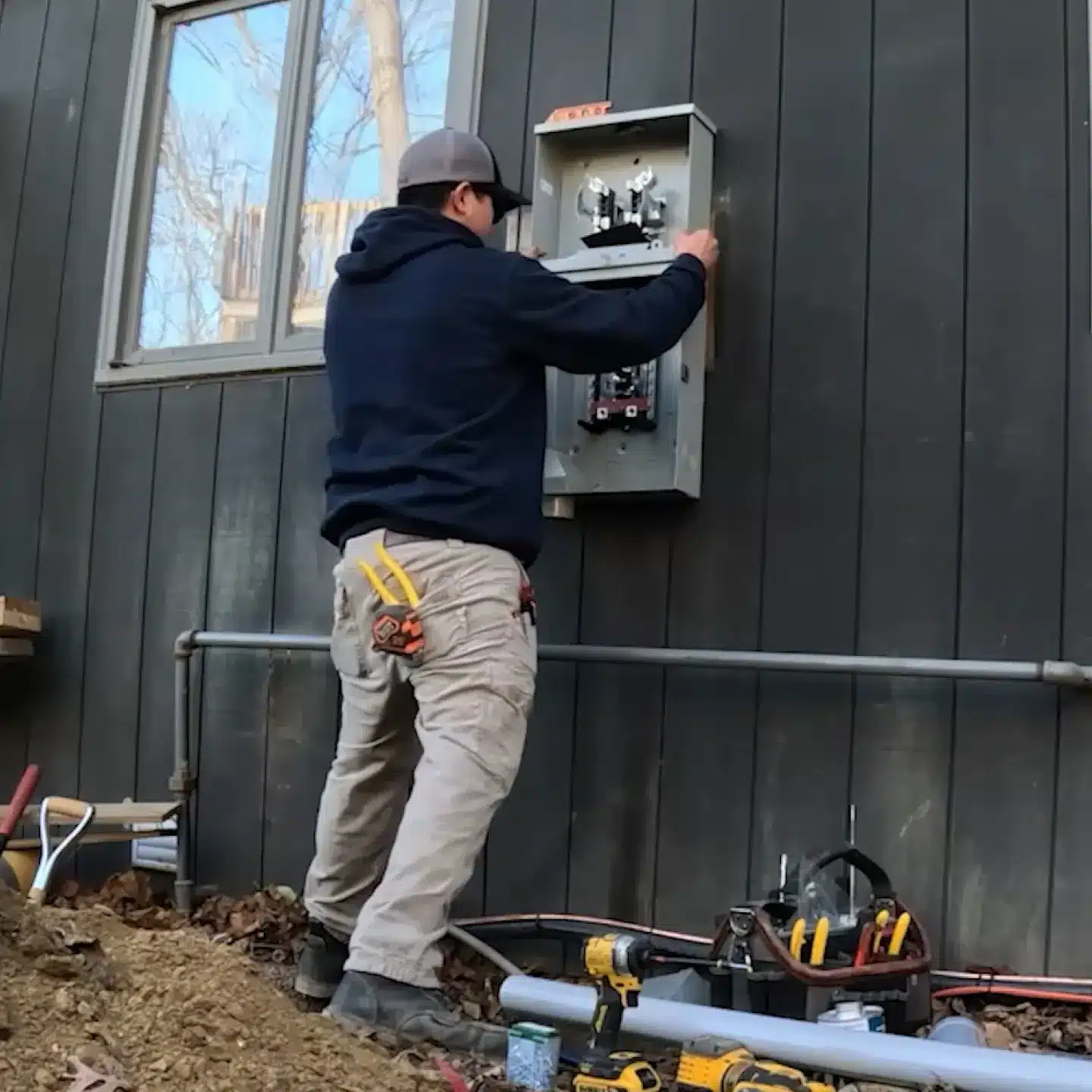
Commercial electrical contractors in Iowa offer a variety of services tailored to meet the needs of businesses. These services include:
- Electrical Installations: This encompasses the installation of wiring, lighting fixtures, and electrical panels to ensure that commercial spaces are equipped with safe and efficient electrical systems.
- Electrical Maintenance Services: Regular maintenance is crucial for preventing electrical failures and ensuring the longevity of systems. Contractors provide routine inspections and maintenance to keep electrical systems in optimal condition.
- Emergency Electrical Services: In the event of an electrical failure or hazard, contractors offer emergency services to address issues promptly and minimize downtime for businesses.
Rewired Iowa is a professional electrical service provider based in Des Moines, Iowa, specializing in both residential and commercial electrical contracting. Their expertise ensures that businesses receive high-quality electrical services tailored to their specific needs.
Key Factors to Consider When Hiring a Contractor:
When selecting a commercial electrical contractor, several key factors should be evaluated to ensure you choose the right professional for your needs. These include:
- Experience and Expertise: Look for contractors with a proven track record in commercial electrical work. Their experience can significantly impact the quality of service provided.
- Reputation and Reviews: Researching customer reviews and testimonials can provide insight into a contractor’s reliability and quality of work.
- Transparent Estimates: A reputable contractor should provide clear and detailed estimates, outlining the scope of work and associated costs to avoid any surprises later.
How Do Electrical Maintenance and Repair Services Support Business Operations?
Electrical maintenance and repair services play a vital role in supporting business operations by ensuring that electrical systems function efficiently and safely. Regular maintenance helps identify potential issues before they escalate into costly repairs or safety hazards. Additionally, having a reliable contractor for emergency repairs minimizes downtime, allowing businesses to continue their operations without significant interruptions. This proactive approach not only enhances safety but also contributes to long-term cost savings for businesses.
How to Choose Licensed Commercial Electricians in Des Moines and Surrounding Areas?
Choosing licensed commercial electricians in Des Moines requires careful consideration of several factors:
- Verifying Licenses and Insurance: Always check that the electrician holds a valid license and insurance coverage to protect against liabilities.
- Checking Reviews and References: Look for feedback from previous clients to gauge the quality of work and customer service.
- Understanding Payment Terms: Ensure that you are clear on payment terms and conditions before commencing any work to avoid misunderstandings.
What Qualifications and Certifications Should Iowa Electricians Have?
Iowa electricians must meet specific qualifications and certifications to ensure they are equipped to handle various electrical tasks. This includes obtaining a state-issued license, which requires passing an examination that tests knowledge of electrical codes and safety practices. Additionally, electricians often undergo training and apprenticeship programs to gain hands-on experience. Safety certifications are also essential, particularly for those working with high-voltage systems or specialized installations.
Why Is Local Expertise Important for Commercial Electrical Contractors?
Local expertise is crucial for commercial electrical contractors in Iowa for several reasons. Understanding local building codes and regulations ensures that all work complies with state and municipal standards. Furthermore, local contractors often have established relationships with suppliers and other professionals in the area, which can facilitate smoother project execution. Quick response times are another advantage, as local contractors can address issues more rapidly than those based further away.
What Are the Key Electrical Safety Inspections and Code Compliance Requirements in Iowa?
Electrical safety inspections are essential for ensuring that commercial properties meet safety standards and comply with the National Electrical Code (NEC). In Iowa, various inspections are required, including:
- Initial Inspections: Conducted during the installation of new electrical systems to ensure compliance with safety standards.
- Routine Inspections: Regular checks to identify any potential hazards or code violations in existing systems.
- Documentation for Permits: Proper documentation is necessary for obtaining permits and ensuring that all work is legally compliant.
How Do Commercial Electrical Contractors Ensure Compliance with the National Electrical Code?
Commercial electrical contractors employ several methods to ensure compliance with the National Electrical Code (NEC). This includes conducting pre-installation code reviews to identify any potential issues before work begins. On-site inspections during the installation process help verify that all work adheres to code requirements. Finally, post-installation checks ensure that the completed work meets all safety and compliance standards.
What Are Common Electrical Safety Inspection Procedures for Commercial Properties?
Common electrical safety inspection procedures for commercial properties include:
- Visual Inspections: Checking for visible signs of wear, damage, or code violations in electrical systems.
- Testing and Documentation: Conducting tests on electrical systems to ensure they function correctly and documenting the results for compliance purposes.
- Follow-Up Procedures: Implementing follow-up inspections to address any issues identified during initial inspections and ensure ongoing compliance.
How Can Energy Efficient Electrical Solutions Benefit Commercial Properties in Iowa?

Energy-efficient electrical solutions offer numerous benefits for commercial properties in Iowa. These solutions can lead to significant cost savings on energy bills, reduce environmental impact, and enhance the overall comfort of the workspace. Implementing energy-efficient lighting, HVAC systems, and appliances can also qualify businesses for various incentives and rebates, further offsetting initial investment costs.
What Energy Saving Technologies Are Offered by Industrial Electrical Contractors?
Industrial electrical contractors provide a range of energy-saving technologies, including:
- LED Lighting Retrofits: Upgrading to LED lighting can significantly reduce energy consumption and improve lighting quality.
- Smart Controls: Implementing smart control systems allows for better management of energy use, optimizing efficiency based on occupancy and usage patterns.
- Energy Management Systems: These systems monitor and control energy consumption, helping businesses identify areas for improvement and reduce waste.
How Do Smart Building Integrations Improve Electrical System Performance?
Smart building integrations enhance electrical system performance by utilizing advanced technologies to optimize energy use and improve operational efficiency. These systems can monitor energy consumption in real-time, allowing for adjustments that reduce waste and lower costs. Additionally, smart integrations can improve occupant comfort through automated lighting and climate control, creating a more productive work environment. The implementation of these technologies positions businesses to adapt to future energy demands and sustainability goals.

John Senn is a licensed Master Electrician based in Des Moines, Iowa with over 20 years of hands‑on experience serving homes and businesses across the state. He specializes in electrical panel upgrades, whole‑home generator installations, EV charger setups, and 24‑hour emergency service. As the owner of a growing team of certified electricians, John has built a reputation for safe, code‑compliant work and practical solutions that keep Iowa families and businesses powered up. His deep knowledge of Iowa’s electrical codes and his commitment to ongoing training make him a trusted voice in the trade and a go‑to expert for reliable electrical work in Des Moines and beyond.