
Is Your Electrical Panel Ready to Handle Central Iowa’s Power Demands?
In Central Iowa, outdated electrical panels are a leading cause of home fires, making insufficient capacity a serious safety concern. Homeowners and business owners often grapple with frequent breaker trips, dimming lights, and the looming threat of fire when their electrical systems can’t handle today’s power needs. This guide dives into what electrical panel capacity truly means, highlights common warning signs, explores the risks of undersized panels, and presents professional inspection and upgrade solutions. You’ll discover how inspections pinpoint capacity problems, when it’s time for a panel replacement or upgrade, the typical costs involved in Central Iowa, and why Rewired Iowa is your go-to for dependable, code-compliant electrical services.
What Exactly Is Electrical Panel Capacity, and Why Does Insufficient Capacity Pose a Problem?
Electrical panel capacity refers to the maximum amperage your panel can safely deliver to all the circuits in your home or business. When this capacity falls short of your actual power usage, circuits become overloaded, leading to tripped breakers and overheating wires. For instance, a 60-amp panel installed decades ago might struggle to power modern HVAC systems and kitchen appliances simultaneously, significantly increasing fire risks and reducing overall system efficiency. Understanding panel capacity is the first step in recognizing when upgrades or replacements are crucial for maintaining safety and optimal performance.
How Does Your Electrical Panel's Amperage Impact Home and Business Safety?
The amperage of your electrical panel dictates the amount of current that can flow through its circuit breakers without causing wires or devices to overheat. Panels with higher amperage ratings can support greater electrical demands—like running air conditioners, EV chargers, or multiple appliances at once—without exceeding their design limits. When amperage is too low, circuit breakers will trip frequently, interrupting power and potentially creating arc-fault risks that can ignite insulation and wood framing, thereby elevating fire hazards in both residential and commercial settings.
Why Do Older Electrical Panels Struggle to Meet Today's Power Demands?
Older electrical panels typically feature lower amperage ratings (often 60–100 amps) and fewer breaker slots, making them ill-equipped for the array of electronics, modern HVAC systems, and electric vehicle charging stations common today. Insufficient conductor sizing, worn bus bars, and outdated breaker technology further diminish their capacity. As electrical demands increase, these limitations inevitably lead to chronic overloads, unsafe wiring temperatures, and potential violations of the National Electrical Code.
What Role Does the National Electrical Code (NEC) Play in Panel Capacity Standards?
The NEC sets the minimum service requirements for electrical installations in residential and commercial buildings, including specific panel amperage based on calculated electrical loads. By defining conductor sizes, breaker ratings, and panel labeling, the NEC ensures that panels can safely handle estimated peak power demands. Following NEC guidelines helps prevent undersized installations and significantly reduces the risk of fires and electrical shocks, while also ensuring compliance for insurance purposes and property resale.
National Electrical Code (NEC) and Safety Standards
The National Electrical Code (NEC) establishes the baseline safety standards for all electrical installations in homes and businesses. These standards specify the required panel amperage based on the calculated electrical load, ensuring that installations can safely manage peak power demands and minimize fire and shock hazards.
What Are the Common Signs and Problems Associated with an Overloaded Electrical Panel?

Overloaded electrical panels often display several telltale warning signs that point to capacity issues and potential dangers. Recognizing these symptoms early can help prevent costly damage and significantly reduce the risk of fire.
Keep an eye out for these indicators of an overloaded panel:
- Frequent Breaker Trips: When breakers trip repeatedly, it’s a clear sign that circuits are drawing more current than the breaker is rated to handle.
- Flickering or Dimming Lights: Voltage fluctuations, often seen when heavy loads are in use, indicate uneven power distribution, signaling stressed wiring and breakers.
- Burning Smell or Hot Panel Surface: Overheating wires can produce a distinct odor and make the panel door feel unusually warm, pointing to excessive current and a potential fire hazard.
- Buzzing or Humming Sounds: Loose connections or overloaded bus bars can create audible vibrations, suggesting compromised panel integrity.
- Reliance on Extension Cords: Constantly using power strips and extension cords often means there aren’t enough outlets, indicating panel overload and insufficient capacity.
Why Do Circuit Breakers Trip So Often in Overloaded Panels?
Circuit breakers are designed to trip and interrupt the flow of electricity when the current exceeds their rated amperage, preventing wires from overheating. In an overloaded panel, running multiple high-demand appliances simultaneously pushes the current beyond safe limits, forcing the breakers to activate. Continuous tripping can wear out the breaker mechanisms, increasing the risk that they might fail to trip when a truly dangerous situation arises.
How Do Flickering or Dimming Lights Signal Electrical Panel Issues?
Flickering or dimming lights typically occur when voltage drops under a heavy electrical load, indicating that the panel’s capacity is insufficient to maintain a steady power distribution. These voltage dips can strain electronic devices and signal overloaded bus bars or weak connections that require immediate professional inspection and potential upgrades.
What Does a Burning Smell or Hot Electrical Panel Indicate?
A persistent burning odor or a panel surface that feels unusually warm is a critical warning sign of excessive current heating the conductors and breaker contacts. This overheating can degrade wire insulation, lead to arcing faults, and potentially ignite nearby materials, making immediate professional assessment absolutely essential.
Why Should Buzzing Sounds from the Electrical Panel Be a Cause for Concern?
Buzzing or humming noises often originate from loose bus bar connections or overloaded breakers vibrating under electrical load. These sounds are indicative of mechanical stress that can escalate to arcing, component failure, and an increased risk of fire if not addressed promptly by a qualified electrician.
How Does Relying on Extension Cords Indicate Inadequate Panel Capacity?
The frequent use of extension cords and power strips is often a workaround for insufficient outlet circuits and overloaded panel capacity. This practice bypasses proper wiring protections, significantly increasing the risk of overheated cords, circuit overloads, and electrical fires.
What Are the Dangers of Ignoring Inadequate Electrical Panel Capacity?
How Does Insufficient Capacity Increase the Risk of Electrical Fires?
When an electrical panel has insufficient capacity, it forces the wiring to carry more current than it’s designed for, causing the insulation to overheat beyond its rated temperature. This thermal stress degrades the protective coatings on wires, which can lead to arcing faults that ignite surrounding building materials, contributing to a significant percentage of residential electrical fires.
Electrical Fires and Overloaded Panels
Overloaded electrical panels are a major factor in residential fires, with inadequate capacity being a primary culprit. These systems often struggle to meet the demands of modern appliances, leading to heightened fire risks due to overheating and arcing.
What Kind of Damage Can Power Surges Cause to Appliances and Electronics?
When an electrical panel lacks sufficient capacity, sudden changes in electrical load can trigger voltage spikes or surges. These surges place significant stress on the insulation within appliances and sensitive electronic components, leading to a shortened lifespan and potentially irreversible damage to devices like computers, refrigerators, and HVAC control systems.
Why Are Federal Pacific Electric (FPE) and Zinsco Panels Particularly Hazardous?
Certain older electrical panels are known for manufacturing defects and a tendency to fail to trip under overload conditions, which significantly compounds the risks, especially when the panel’s capacity is already marginal.
| Panel Type | Known Defect | Associated Hazard |
|---|---|---|
| Federal Pacific Electric (FPE) | Stab-Lok breakers that can seize or weld shut | Failure to trip creates arc faults and fire risk |
| Zinsco | Breakers and bus bars prone to corrosion and poor connection | Intermittent contact leads to overheating and arcing |
How Can a Professional Electrical Panel Inspection Identify Capacity Issues?
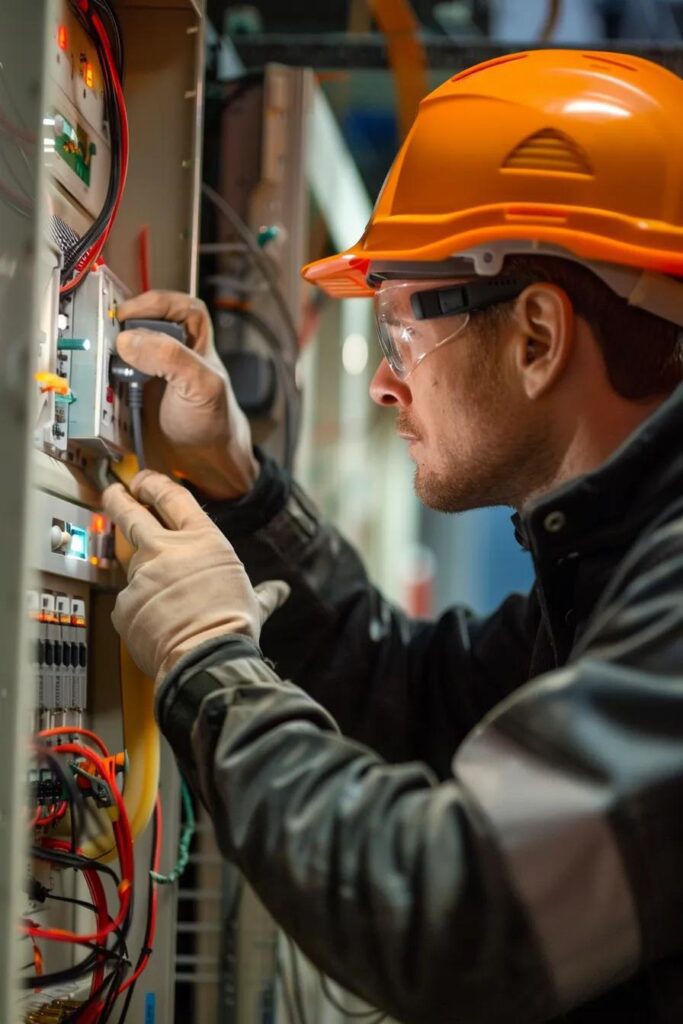
A thorough electrical panel inspection is essential for assessing your current capacity, uncovering any overload conditions, and recommending the necessary corrective actions.
What Does a Comprehensive Electrical Panel Inspection Entail?
A professional inspection involves detailed load calculations, the use of thermal imaging to detect hidden hot spots, testing the torque of electrical connections, verifying breaker functionality, and confirming that conductor sizes meet NEC requirements. This comprehensive process effectively identifies capacity bottlenecks and safety violations that need immediate attention.
Why Is Hiring a Licensed Electrician Crucial for Panel Assessments?
Licensed electricians possess the specialized training, experience, and credentials necessary to accurately interpret NEC standards, safely work with live electrical panels, and implement code-compliant solutions. Their expertise ensures a precise diagnosis of capacity issues and helps you avoid the significant risks associated with attempting DIY electrical assessments.
How Does an Inspection Ensure Compliance with Safety Codes?
Inspections verify that your panel configuration, conductor sizing, and breaker settings align with the most current NEC revisions, while also confirming proper labeling, grounding, and bonding. This adherence to code reduces liability, satisfies permit requirements, and helps maintain your insurance coverage.
When and Why Should You Consider Upgrading or Replacing Your Electrical Panel?
Upgrading or replacing your electrical panel is a vital step to restore safety, accommodate new electrical loads, and enhance overall system efficiency.
What Are the Benefits of Electrical Panel Upgrades for Safety and Efficiency?
Upgrading your electrical panel increases its amperage capacity, significantly reduces the frequency of overload trips, and integrates modern safety technologies like arc-fault and ground-fault protection. Enhanced distribution efficiency also leads to less energy waste and extends the operational lifespan of your wiring and connected devices.
How Does Increasing Amperage Future-Proof Your Electrical System?
Transitioning from a 100-amp service to a 200-amp service prepares your home or business for future power demands, such as electric vehicle charging, smart home automation, and expanded HVAC systems. Higher amperage provides necessary headroom for growth, preventing the need for costly interim solutions down the line.
What Is the Standard Process for Electrical Panel Replacement?
Replacing an electrical panel typically involves these five key steps:
- Site Assessment and Permit Application – We evaluate your service needs and submit the necessary applications for local permits.
- Power Shutdown and Panel Removal – We safely de-energize all circuits and carefully remove the old panel.
- Installation of New Panel and Breakers – A correctly sized new panel is mounted, modern breakers are installed, and all connections are torqued to specification.
- Load Balancing and Testing – Circuits are meticulously redistributed for optimal balance, and all systems are tested for proper functionality.
- Final Inspection and Commissioning – We arrange for the final code inspection and then safely restore power to your property.
How Do Electrical Service Upgrades Support EV Charging and Modern Appliances?
Electrical service upgrades involve installing higher-capacity panels and dedicated circuits specifically designed for electric vehicle chargers, high-efficiency heat pumps, and powerful kitchen appliances. Properly sized service and panels ensure that your system can handle these demands without overloads, while also meeting all NEC requirements for continuous loads.
What Are the Typical Costs and Factors Influencing Electrical Panel Upgrades in Central Iowa?
Several key variables—including panel amperage, prevailing labor rates, permit fees, and specific local code requirements—will influence the final cost of your upgrade.
| Scope of Upgrade | Estimated Cost Range | Primary Cost Factors |
|---|---|---|
| 100 A to 200 A Panel Upgrade | $1,300 – $3,000 | Cost of the new panel, number of breakers, required labor hours |
| Service Conductor Replacement | $800 – $1,500 | Length of conductors needed, complexity of conduit installation |
| Permit and Inspection Fees | $100 – $300 | Local municipality fees, plan review requirements |
What Is the Typical Cost for a 100-Amp to 200-Amp Panel Upgrade?
A standard upgrade from a 100-amp to a 200-amp panel generally costs between $1,300 and $3,000. This estimate typically includes the new 200-amp panel, all necessary breakers, and basic wiring labor. Homes with more complex wiring configurations or difficult access points may incur additional labor or material costs.
What Local Regulations and Permits Impact Panel Upgrade Pricing?
Municipalities throughout Central Iowa require permits for electrical service upgrades, with fees often determined by the amperage and the overall project valuation. Some areas may also mandate detailed plan reviews or specific inspection protocols, which can add to the total cost and project timeline.
How Can Central Iowa Homeowners Obtain Accurate Estimates from Electricians?
Homeowners should always request written quotes that clearly itemize panel costs, labor rates, permit fees, and any potential contingency charges. A reputable electrician will conduct an on-site assessment, perform a load calculation, and provide a detailed written estimate that includes payment terms and warranty information.
Why Should You Choose Rewired Iowa for Electrical Panel Services in Central Iowa?
Rewired Iowa brings together extensive local expertise, a team of licensed professionals, and an unwavering commitment to safety for every inspection and upgrade we perform.
What Makes Rewired Iowa a Trusted Choice for Electrical Panel Inspections and Upgrades?
Our licensed electricians possess decades of hands-on experience with Central Iowa’s specific code requirements, enabling us to deliver precise diagnostics and customized solutions. We utilize advanced thermal imaging and load analysis techniques to ensure that no hidden defects are overlooked.
How Does Rewired Iowa Guarantee Safety and Code Compliance?
We strictly adhere to the latest National Electrical Code standards, exclusively use UL-listed equipment, and meticulously secure all necessary permits and inspections. Every upgrade we complete includes state-of-the-art arc-fault and ground-fault protection to maximize fire and shock prevention for your peace of mind.
How Can Customers Easily Schedule Inspections or Request Free Estimates?
Scheduling your service is straightforward—simply call our Central Iowa office or complete our online request form to arrange a no-obligation consultation. We offer free, transparent estimates and flexible scheduling options designed to minimize disruption to your home or business operations.
Upgrading your electrical panel is a crucial investment in safeguarding your property, enhancing your system’s performance, and future-proofing your electrical infrastructure against increasing power demands. Contact Rewired Iowa today to ensure your panel capacity meets modern requirements and keeps your family or business safely powered.

John Senn is a licensed Master Electrician based in Des Moines, Iowa with over 20 years of hands‑on experience serving homes and businesses across the state. He specializes in electrical panel upgrades, whole‑home generator installations, EV charger setups, and 24‑hour emergency service. As the owner of a growing team of certified electricians, John has built a reputation for safe, code‑compliant work and practical solutions that keep Iowa families and businesses powered up. His deep knowledge of Iowa’s electrical codes and his commitment to ongoing training make him a trusted voice in the trade and a go‑to expert for reliable electrical work in Des Moines and beyond.