
Whole Home Generator Installation Costs in Iowa
By John Senn, Rewired Iowa Electrician Des Moines
When considering a whole home generator installation, understanding the associated costs is crucial for effective budgeting. This guide will provide Iowa homeowners with a comprehensive overview of what to expect regarding installation expenses. By breaking down the various components and factors influencing pricing, you will gain insights into how to allocate your budget effectively. Many homeowners may find themselves overwhelmed by the potential costs, but with the right information, you can make informed decisions that align with their financial plans. This article will cover the typical costs, factors influencing pricing, a detailed breakdown of average costs, and potential financial considerations to keep in mind.
Understanding the Costs
The cost of installing a whole home generator can vary significantly based on several factors. Typically, homeowners in Central Iowa can expect to pay between $8,000 and $15,000 for a complete installation. This range encompasses various components, including the generator unit, installation labor, and necessary permits. Understanding these costs is essential for homeowners to prepare financially and ensure they are making a sound investment in their property. Additionally, knowing the typical cost range helps in comparing quotes from different service providers.
For those looking to install a generator, Rewired Iowa offers expert installation services tailored to meet your specific needs. Scheduling a consultation can provide you with a clearer picture of your unique installation costs.
Factors Influencing Pricing
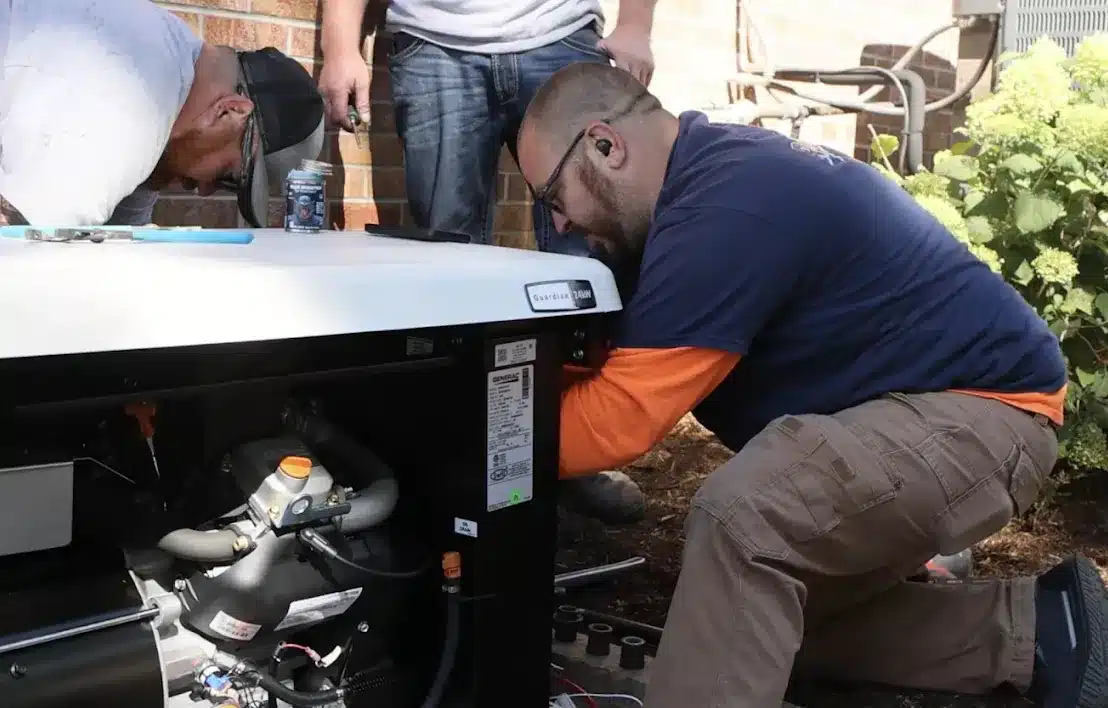
Several factors can affect the overall cost of generator installation. Understanding these elements can help homeowners anticipate potential expenses and make informed decisions.
- Generator Size and Capacity: Larger generators capable of powering more appliances will generally cost more.
- Fuel Type Options: The choice between natural gas, propane, or diesel can influence both the initial cost and ongoing fuel expenses.
- Installation Complexity: Factors such as the location of the generator, existing electrical systems, and site preparation can impact labor costs.
By considering these factors, homeowners can better understand the pricing structure and make choices that align with their budget and energy needs.
Average Costs Breakdown
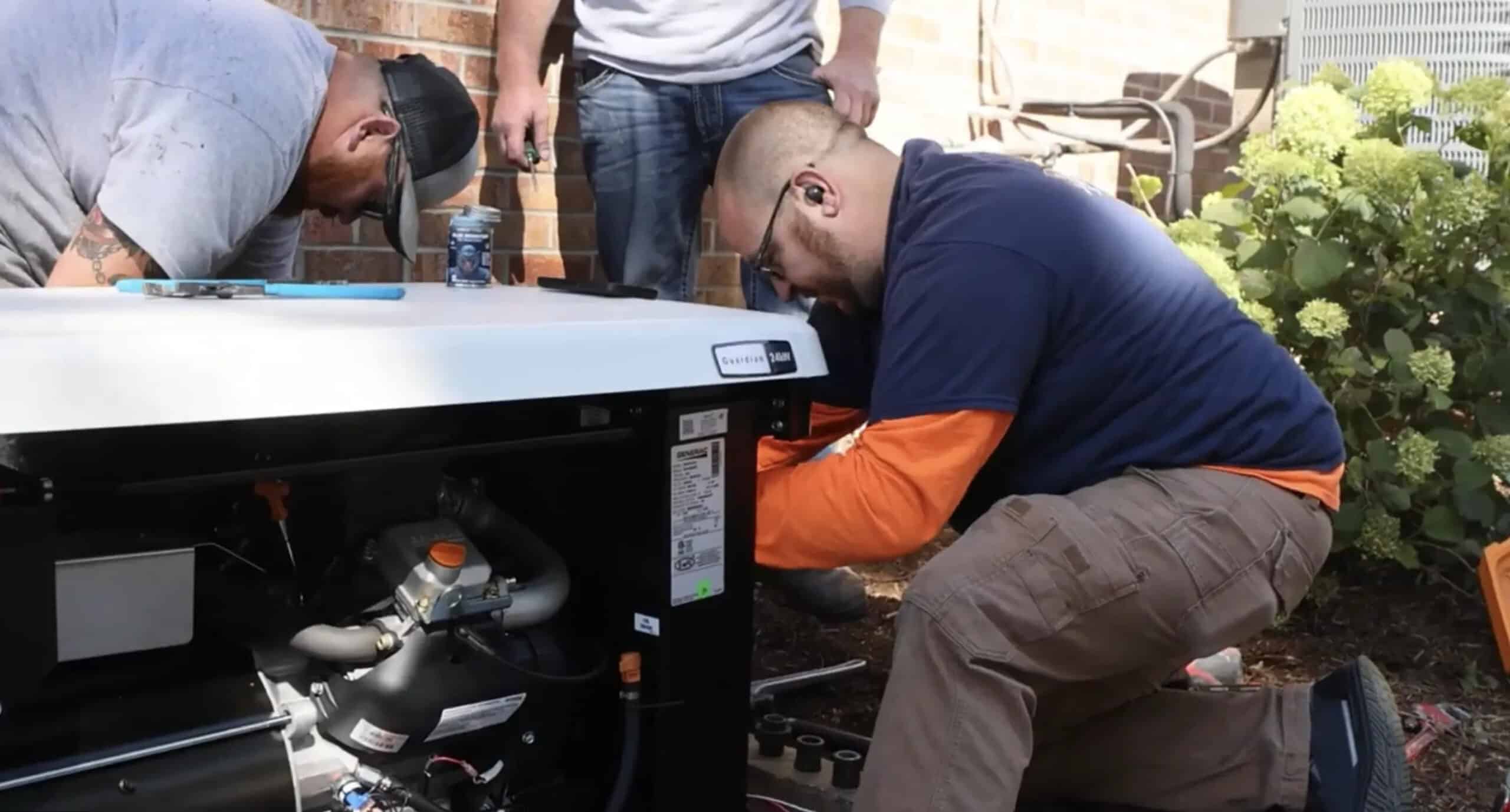
A detailed breakdown of the average costs associated with whole home generator installation can provide clarity on where your budget will be allocated. Below is a table summarizing the estimated cost ranges for various components involved in the installation process.
This breakdown highlights the various components that contribute to the overall installation cost. Homeowners should consider each element when budgeting for their generator installation.
Potential Financial Considerations
When budgeting for a whole home generator, it’s essential to consider the financial implications beyond the initial installation costs. Here are some key aspects to keep in mind:
- Financing Options Available: Rewired Iowa offers flexible financing plans, including payment plans with competitive interest rates, making it easier for homeowners to manage their expenses.
- Impact on Property Value: Installing a whole house generator can increase your property value by 3-5%, providing a return on investment that can be beneficial in the long run.
- Maintenance Costs: Regular maintenance is necessary to ensure the generator operates efficiently, which can add to the overall cost of ownership.
By understanding these financial considerations, homeowners can make informed decisions that align with their long-term financial goals.

John Senn is a licensed Master Electrician based in Des Moines, Iowa with over 20 years of hands‑on experience serving homes and businesses across the state. He specializes in electrical panel upgrades, whole‑home generator installations, EV charger setups, and 24‑hour emergency service. As the owner of a growing team of certified electricians, John has built a reputation for safe, code‑compliant work and practical solutions that keep Iowa families and businesses powered up. His deep knowledge of Iowa’s electrical codes and his commitment to ongoing training make him a trusted voice in the trade and a go‑to expert for reliable electrical work in Des Moines and beyond.