
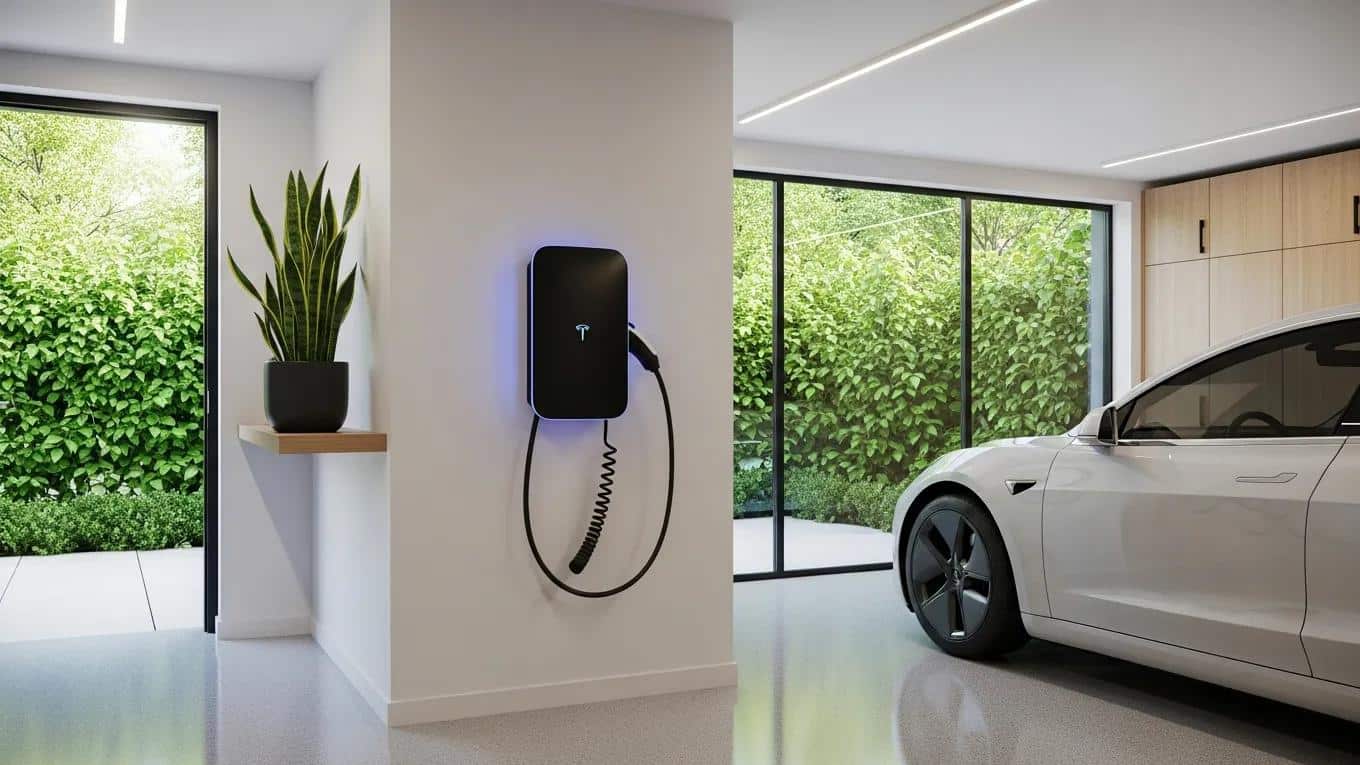
Why Choose Professional EV Charger Installation in West Des Moines
By John Senn, Rewired Iowa Electrician Des Moines
As electric vehicles (EVs) gain popularity, homeowners in West Des Moines are increasingly considering the installation of home EV chargers. This transition not only supports the growing demand for sustainable transportation but also offers numerous benefits that enhance convenience, cost savings, and environmental impact. In this article, we will explore the key advantages of installing a home EV charger, how it improves efficiency, and the safety standards that licensed electricians follow. Additionally, we will discuss the types of chargers available, their installation costs, local incentives, and the installation process itself.
What Are the Key Benefits of Installing a Home EV Charger in West Des Moines?
Installing a home EV charger provides several significant advantages for homeowners. First and foremost, it allows for cost savings by enabling users to charge their vehicles at home, often at a lower rate than public charging stations. This convenience means that homeowners can charge their vehicles overnight, eliminating the need for trips to public charging locations. Furthermore, having a home charger contributes to environmental sustainability by promoting the use of electric vehicles, which produce fewer emissions compared to traditional gasoline-powered cars.
In West Des Moines, homeowners can also benefit from local incentives, such as rebates from MidAmerican Energy, which can cover up to $500 for Level 2 installations. Additionally, federal tax credits can cover 30% of installation costs, up to $1,000, making the transition to electric vehicles even more financially appealing.
How Does a Residential EV Charger Improve Convenience and Efficiency?
A residential EV charger significantly enhances convenience and efficiency for electric vehicle owners. By eliminating the need to visit public charging stations, homeowners can charge their vehicles at their convenience, typically during off-peak hours when electricity rates are lower. This not only saves time but also ensures that the vehicle is fully charged and ready to go when needed.
Moreover, home charging allows for better management of charging schedules, enabling users to take advantage of lower electricity rates during the night. This flexibility increases the overall readiness of the vehicle, making it more efficient for daily use.
What Safety and Reliability Standards Do Licensed Electricians Follow?
When it comes to installing EV chargers, safety and reliability are paramount. Licensed electricians adhere to strict safety standards, including compliance with the National Electrical Code (NEC). This ensures that all installations are performed safely and effectively, minimizing the risk of electrical hazards.
Understanding the foundational safety requirements, such as those outlined in the National Electrical Code, is crucial for proper EV charger installation.
EV Charger Installation: Health, Safety & NEC Compliance
ABSTRACT: Any new technology has impacts on the industries, government and consumer sectors that have dealings with it. Introduction of significant numbers of electric vehicles (EVs) and the need for installation of charging equipment to support them has caused concerns for building department personnel, equipment manufacturers and installers, consumers, EV pioneers, government agencies and others.This paper presents a summary of California’s Health and Safety Code requirements for Electric Vehicle Supply Equipment (EVSE) and how equipment has been developed to comply with it. Background, history, rationale and comparisons are given for requirements in the California Health and Safety Codes, and 1996 and 1999 National Electrical Codes®(NEC®).
Electric vehicle charging equipment design and health and safety codes, 1999
Electricians also utilize protective devices, such as Ground Fault Circuit Interrupters (GFCIs), to enhance safety during the charging process. Professional installation is crucial, as it guarantees that the electrical system can handle the additional load of the charger, ensuring reliable operation.
Which Types of Electric Vehicle Charging Stations Are Best for West Des Moines Homes?
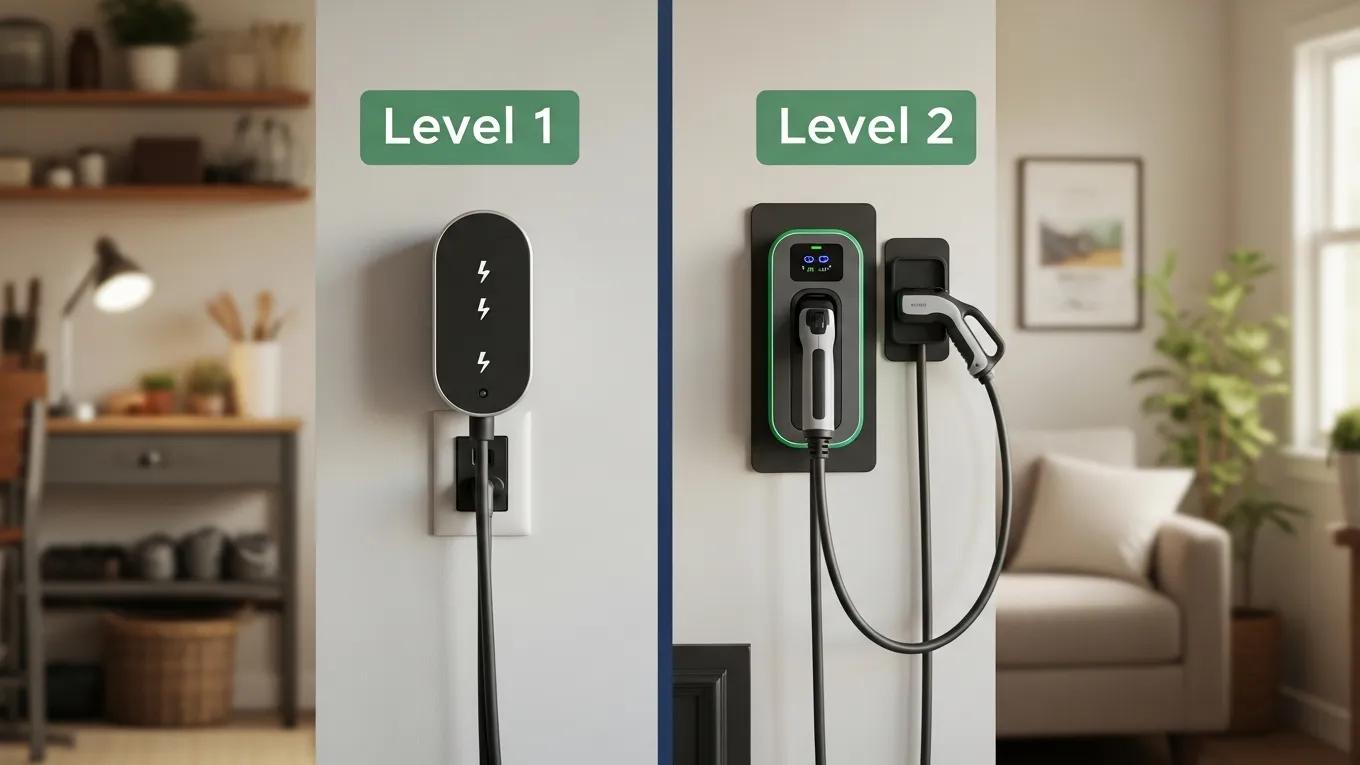
Homeowners in West Des Moines have several options when it comes to electric vehicle charging stations. The two primary types are Level 1 and Level 2 chargers.
- Level 1 Charger: This type uses a standard 120-volt outlet and is suitable for overnight charging. However, it typically provides a slower charging rate, making it less ideal for daily use.
- Level 2 Charger: Utilizing a 240-volt outlet, Level 2 chargers offer faster charging times, making them the preferred choice for most homeowners. They can fully charge a vehicle in a few hours, providing greater convenience for daily use.
Choosing the right type of charger depends on the homeowner’s specific needs, vehicle type, and charging habits.
What Are the Differences Between Level 1 and Level 2 EV Chargers?
The differences between Level 1 and Level 2 EV chargers primarily revolve around charging speed, installation complexity, and cost implications.
- Charging Speed: Level 1 chargers typically provide 3-5 miles of range per hour of charging, while Level 2 chargers can deliver 10-60 miles of range per hour, making them significantly more efficient for daily use.
- Installation Complexity: Level 1 chargers require minimal installation, as they can be plugged into a standard outlet. In contrast, Level 2 chargers often require professional installation, including the installation of a dedicated circuit.
- Cost Implications: While Level 1 chargers are less expensive upfront, the longer charging times can lead to higher electricity costs over time. Level 2 chargers, although more costly to install, can save money in the long run due to their efficiency.
How Do Charger Types Affect Installation and Usage Benefits?
The type of charger selected can greatly influence both installation and usage benefits. Level 2 chargers, while requiring a more complex installation, offer significant advantages in terms of charging speed and convenience. Homeowners can enjoy the benefits of faster charging times, which can be particularly advantageous for those with multiple electric vehicles or high daily mileage.
Additionally, the installation of a Level 2 charger may increase the home’s value, as more buyers are looking for properties equipped with modern EV charging capabilities. This forward-thinking approach not only meets current needs but also prepares homeowners for future advancements in electric vehicle technology.
How Much Does EV Charging Installation Cost in West Des Moines and What Financing Options Are Available?
The cost of installing an EV charger in West Des Moines typically ranges from $1,200 to $2,500, depending on the type of charger, installation complexity, and any necessary electrical upgrades. Homeowners should consider various financing options available to them, including personal loans and utility rebates, which can help offset the initial investment.
What Factors Influence the Total Installation Cost?
Several factors can influence the total installation cost of an EV charger:
- Charger Type: The choice between Level 1 and Level 2 chargers can significantly impact costs, with Level 2 chargers generally being more expensive.
- Electrical Panel Capacity: Homes with older electrical systems may require upgrades to accommodate the additional load, increasing installation costs.
- Site Conditions and Permits: The specific location of the charger and any required permits can also affect the overall cost.
Are There Local Rebates and Incentives for EV Charger Installation in Iowa?
Yes, there are several local rebates and incentives available for homeowners in Iowa considering EV charger installation. MidAmerican Energy offers rebates of up to $500 for Level 2 installations, making it more affordable for residents to transition to electric vehicles. Additionally, federal tax credits can cover 30% of installation costs, up to $1,000, providing further financial relief.
These incentives not only reduce the upfront costs but also encourage the adoption of electric vehicles, contributing to a more sustainable future.
What Is the Step-by-Step Process for Professional EV Charger Installation by Licensed Electricians?
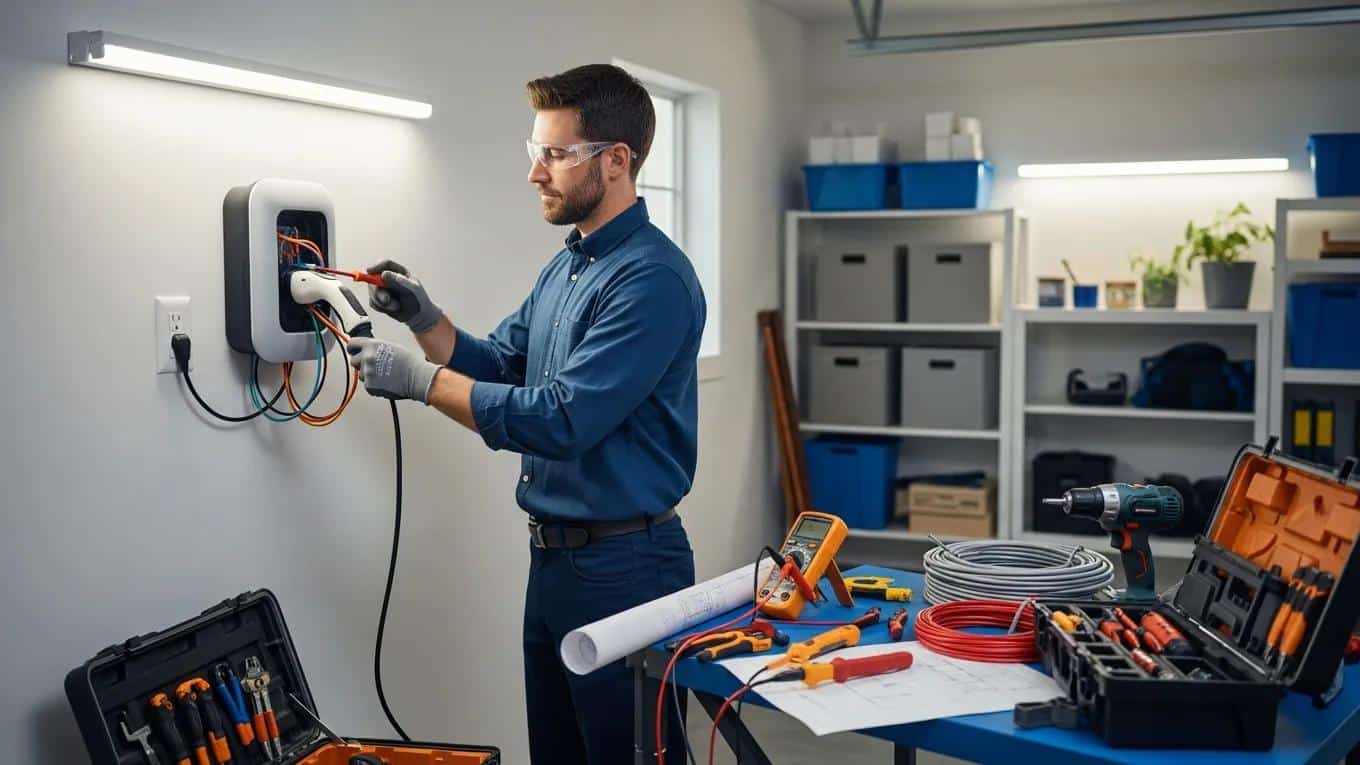
The installation process for an EV charger typically involves several key steps:
- Consultation and Assessment: A licensed electrician will assess the home’s electrical system and determine the best location for the charger.
- Permit Application: Necessary permits will be obtained to ensure compliance with local regulations.
- Installation: The electrician will install the charger, ensuring all safety standards are met.
- Final Inspection and Testing: After installation, the system will be tested to ensure proper functionality and safety.
This thorough process ensures that homeowners receive a reliable and safe charging solution for their electric vehicles.
How Long Does Installation Typically Take for West Des Moines Homeowners?
The installation of an EV charger typically takes between 4 to 8 hours, depending on the complexity of the installation and any necessary electrical upgrades. Homeowners should plan for potential delays if additional work is required on their electrical systems.
What Maintenance and Warranty Services Are Included After Installation?
After the installation of an EV charger, homeowners can expect certain maintenance and warranty services. Most licensed electricians provide warranties on their work, ensuring that any issues arising from the installation will be addressed promptly. Regular maintenance checks are also recommended to ensure the charger operates efficiently and safely over time.
In conclusion, the installation of an EV charger offers numerous benefits for homeowners in West Des Moines, from cost savings and convenience to environmental sustainability. With available incentives and professional installation services, transitioning to electric vehicle ownership has never been more accessible.

John Senn is a licensed Master Electrician based in Des Moines, Iowa with over 20 years of hands‑on experience serving homes and businesses across the state. He specializes in electrical panel upgrades, whole‑home generator installations, EV charger setups, and 24‑hour emergency service. As the owner of a growing team of certified electricians, John has built a reputation for safe, code‑compliant work and practical solutions that keep Iowa families and businesses powered up. His deep knowledge of Iowa’s electrical codes and his commitment to ongoing training make him a trusted voice in the trade and a go‑to expert for reliable electrical work in Des Moines and beyond.