Home EV Charger Installation Tips for West Des Moines Homeowners: Expert Guidance on Cost, Safety, and Compliance
By John Senn, Rewired Iowa Electrician Des Moines
As electric vehicles (EVs) gain popularity, homeowners in West Des Moines are increasingly considering the installation of EV chargers. This guide provides essential tips on the installation process, focusing on cost considerations, safety measures, and compliance requirements. Understanding these aspects is crucial for homeowners looking to enhance their property with EV charging capabilities. With the right information, you can navigate the installation process smoothly and ensure that your home is equipped for the future of transportation. This article will cover the typical costs associated with home EV charger installation, safety measures to consider, compliance requirements, and how to get started with the installation process.
Cost Considerations

When planning for EV charger installation, understanding the associated costs is vital. The typical installation costs for home EV chargers in West Des Moines range from $1,200 to $3,000, depending on various factors such as the type of charger and the complexity of the installation.
- Level 1 Charger: Costs between $300 and $600, suitable for overnight charging.
- Level 2 Charger: Ranges from $1,200 to $2,500, providing faster charging and requiring a dedicated circuit.
- DC Fast Charger: Can exceed $10,000, primarily used for commercial applications.
Homeowners may also benefit from rebates and incentives, such as those offered by MidAmerican Energy, which can provide up to $500 off installation costs. Additionally, federal tax credits can cover 30% of the installation costs, up to $1,000.
After considering these factors, it’s advisable to consult with a licensed electrician to get a precise estimate tailored to your specific needs. Rewired Iowa specializes in EV charger installation and can provide a no-obligation estimate to help you understand your options.
Safety Measures
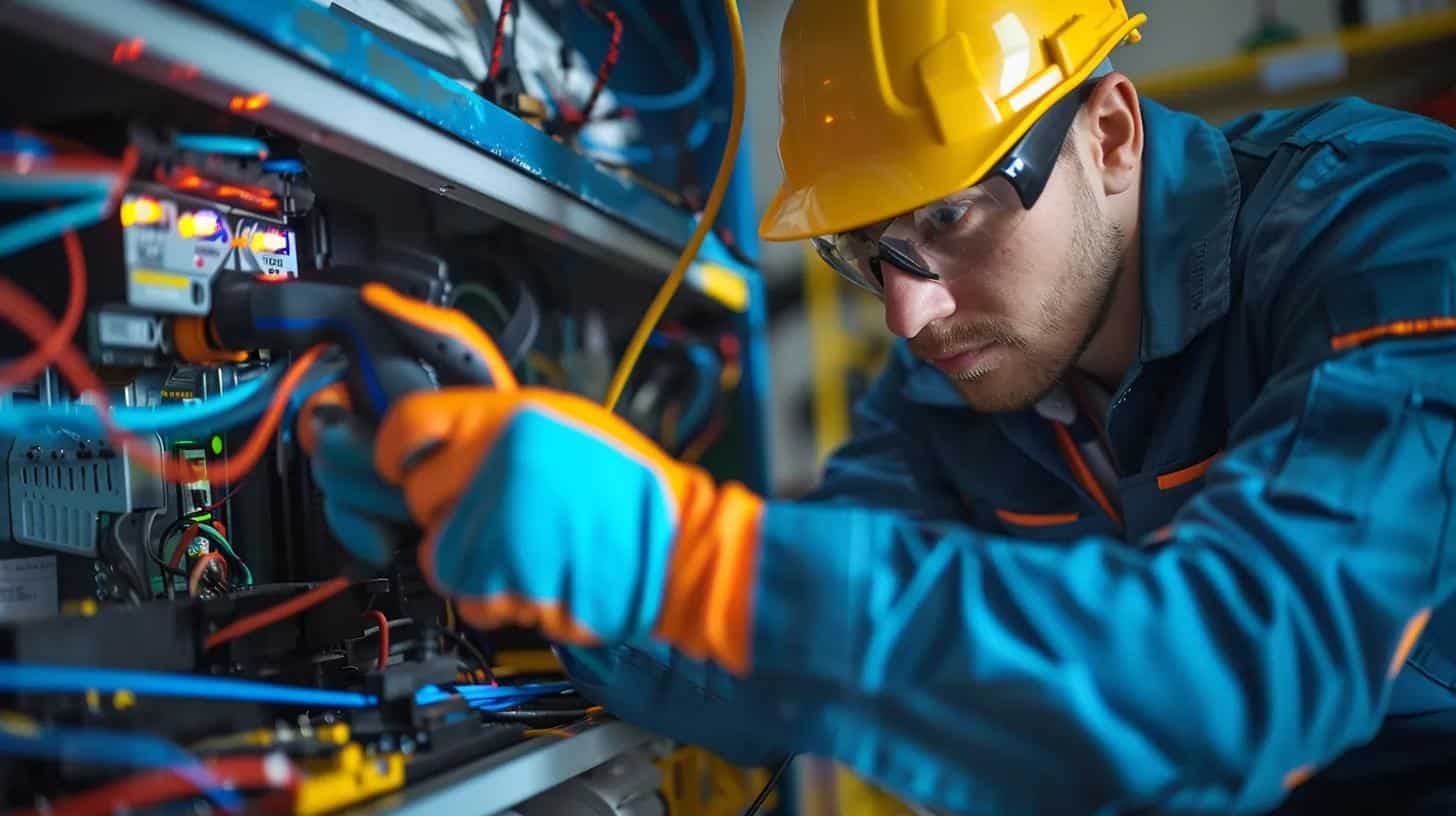
Safety is paramount when installing an EV charger at home. Homeowners should take several precautions to ensure a safe installation process.
- Hire a Licensed Electrician: Professional installation by a licensed electrician is crucial to ensure compliance with local codes and safety standards.
- Electrical Panel Capacity: Ensure that your electrical panel can handle the additional load of the EV charger. A dedicated 40–50 amp breaker is typically required for Level 2 chargers.
- Routine Inspections: Conduct regular inspections post-installation to ensure the charger and wiring remain in good condition.
By prioritizing safety, homeowners can prevent potential hazards and ensure reliable operation of their EV chargers. Engaging a licensed electrician, such as those from Rewired Iowa, can provide peace of mind and expertise throughout the installation process.
Compliance Requirements
Compliance with local regulations is essential for any electrical installation, including EV chargers. Homeowners must be aware of the necessary permits and inspections required for installation.
- Permits: Significant electrical work, such as installing an EV charger, requires permits. Homeowners should check with local authorities to understand the specific requirements in West Des Moines.
- Inspections: A municipal electrical inspector will verify compliance with local codes, ensuring that the installation meets safety standards.
- Documentation: Keeping records of the installation is essential for rebate claims and future reference.
Understanding these compliance requirements can help homeowners avoid fines and ensure that their installation is up to code.
Getting Started
To begin the installation process for an EV charger, homeowners should take the following steps:
- Contact Rewired Iowa: Reach out for a free consultation to discuss your specific needs and assess your property’s electrical readiness.
- Assessment: A qualified electrician will evaluate your home’s electrical system and determine the best charger type for your needs.
- No-obligation Estimate: After the assessment, you will receive a detailed estimate outlining the costs and steps involved in the installation.
Starting with a professional consultation can streamline the process and ensure that you make informed decisions regarding your EV charger installation.
What Are the Typical Costs for Home EV Charger Installation in West Des Moines?
The costs for home EV charger installation can vary significantly based on several factors. Typically, homeowners can expect to pay between $1,200 and $3,000 for installation. The specific costs depend on the type of charger selected and the complexity of the installation process.
This table illustrates the cost differences between various charger types, helping homeowners make informed decisions based on their budget and charging needs.
How Do Electrical Panel Upgrades Affect Installation Costs?
Upgrading your electrical panel may be necessary to accommodate the increased load from an EV charger. This can significantly impact installation costs, as full service upgrades can range from $1,500 to $4,000.
- Adequate Amperage: If your current panel does not support the required amperage for the charger, an upgrade will be necessary.
- Installation Complexity: The complexity of the upgrade can also affect overall costs, as additional wiring and labor may be required.
Assessing your current electrical capacity before installation can help you avoid unexpected expenses.
What Financing Options Are Available for Residential EV Charger Installation?
Homeowners looking to install EV chargers may have access to various financing options to help manage costs.
- Rebates: MidAmerican Energy offers rebates of up to $500 for EV charger installations.
- Federal Tax Credits: Homeowners can take advantage of federal tax credits covering 30% of installation costs, up to $1,000.
- Low-Interest Financing: Some financial institutions may offer low-interest loans specifically for home energy improvements, including EV charger installations.
Exploring these financing options can make the transition to electric vehicle ownership more affordable.
Which EV Chargers Are Best Suited for Residential Use in West Des Moines?
When selecting an EV charger for residential use, homeowners should consider several factors to ensure compatibility and efficiency.
- Level 2 Chargers: These are generally recommended for regular use, as they provide faster charging times compared to Level 1 chargers.
- Compatibility: Ensure the charger is compatible with your specific EV model to maximize efficiency.
- Smart Features: Some chargers come equipped with smart features that allow for remote monitoring and scheduling, enhancing user experience.
What Are the Differences Between Level 1 and Level 2 Chargers?
Level 1 and Level 2 chargers differ primarily in their charging speed and installation requirements.
- Level 1 Chargers: Use standard 120-volt outlets and are suitable for overnight charging, but they charge slowly.
- Level 2 Chargers: Require a dedicated 240-volt circuit and provide faster charging, making them ideal for daily use.
Understanding these differences can help homeowners choose the right charger based on their lifestyle and charging needs.
How to Choose the Right EV Charger Brand and Model for Your Home?
Selecting the right EV charger involves considering compatibility, features, and brand reputation.
- Compatibility: Check that the charger is compatible with your vehicle’s make and model.
- Features: Look for features such as smart charging capabilities, which can enhance convenience and efficiency.
- Electrical Panel Capacity: Ensure that your electrical panel can support the charger you choose, particularly for Level 2 options.
By evaluating these factors, homeowners can make informed decisions that best suit their needs.
What Are the Local Permitting and Electrical Code Requirements for EV Charger Installation?
Local permitting and electrical code requirements are critical for ensuring a safe and compliant installation of EV chargers.
- Electrical Permits: Homeowners must obtain electrical permits before beginning installation.
- Inspections: Local authorities will conduct inspections to verify compliance with safety codes.
- Documentation: Keeping detailed records of the installation process is essential for future reference and rebate claims.
Understanding these requirements can help homeowners navigate the installation process more effectively.
Which Permits Are Required for EV Charger Installation in West Des Moines?
In West Des Moines, homeowners must secure specific permits for EV charger installation.
- Electrical Permits: Required for any significant electrical work, including EV charger installations.
- Application Process: Homeowners must submit plans and specifications to the local building department for approval.
- Inspections: After installation, a municipal inspector will verify that the work complies with local codes.
Navigating the permitting process can be complex, but it is essential for ensuring a safe and compliant installation.
How Do Licensed Electricians Ensure Compliance with Iowa Electrical Codes?
Licensed electricians play a crucial role in ensuring that EV charger installations comply with Iowa electrical codes.
- Permit Acquisition: Electricians will obtain the necessary permits before starting work.
- Code Adherence: They follow the National Electrical Code (NEC) and local amendments to ensure safety and compliance.
- Safety Inspections: Inspections are conducted throughout the installation process to verify that all work meets safety standards.
Hiring a licensed electrician, such as those from Rewired Iowa, ensures that your installation is safe and compliant with all regulations.
How Can Homeowners Ensure Safe and Reliable EV Charger Wiring and Maintenance?
To maintain a safe and reliable EV charger, homeowners should follow best practices for wiring and maintenance.
- Professional Installation: Always hire a licensed electrician for installation to ensure compliance with safety standards.
- Regular Inspections: Schedule routine inspections to check for wear and tear on wiring and connections.
- Monitor for Issues: Be vigilant for any signs of electrical issues, such as flickering lights or tripped breakers.
By adhering to these practices, homeowners can ensure the longevity and safety of their EV chargers.
What Are the Best Practices for Residential EV Charger Wiring?
Proper wiring is essential for the safe operation of EV chargers.
- Use Professional Installation: Always engage a licensed electrician to handle wiring.
- Obtain Necessary Permits: Ensure all required permits are secured before installation begins.
- Install Protective Devices: Use Ground Fault Circuit Interrupters (GFCIs) to protect against electrical faults.
Following these best practices can help prevent electrical hazards and ensure a safe charging experience.
How Often Should EV Chargers Be Inspected and Maintained?
Regular inspections and maintenance are crucial for the safe operation of EV chargers.
- Inspection Frequency: It is recommended to inspect EV chargers at least every 3 years to ensure they are functioning correctly.
- Check for Wear and Tear: Look for any signs of damage or wear on the charger and wiring.
- Monitor for Electrical Issues: Be proactive in addressing any electrical issues that arise to prevent safety hazards.
By adhering to these maintenance guidelines, homeowners can ensure the reliability and safety of their EV charging systems.

John Senn is a licensed Master Electrician based in Des Moines, Iowa with over 20 years of hands‑on experience serving homes and businesses across the state. He specializes in electrical panel upgrades, whole‑home generator installations, EV charger setups, and 24‑hour emergency service. As the owner of a growing team of certified electricians, John has built a reputation for safe, code‑compliant work and practical solutions that keep Iowa families and businesses powered up. His deep knowledge of Iowa’s electrical codes and his commitment to ongoing training make him a trusted voice in the trade and a go‑to expert for reliable electrical work in Des Moines and beyond.