Full Home Rewiring Services in West Des Moines: Comprehensive Guide to Safety and Cost
By John Senn, Rewired Iowa Electrician Des Moines
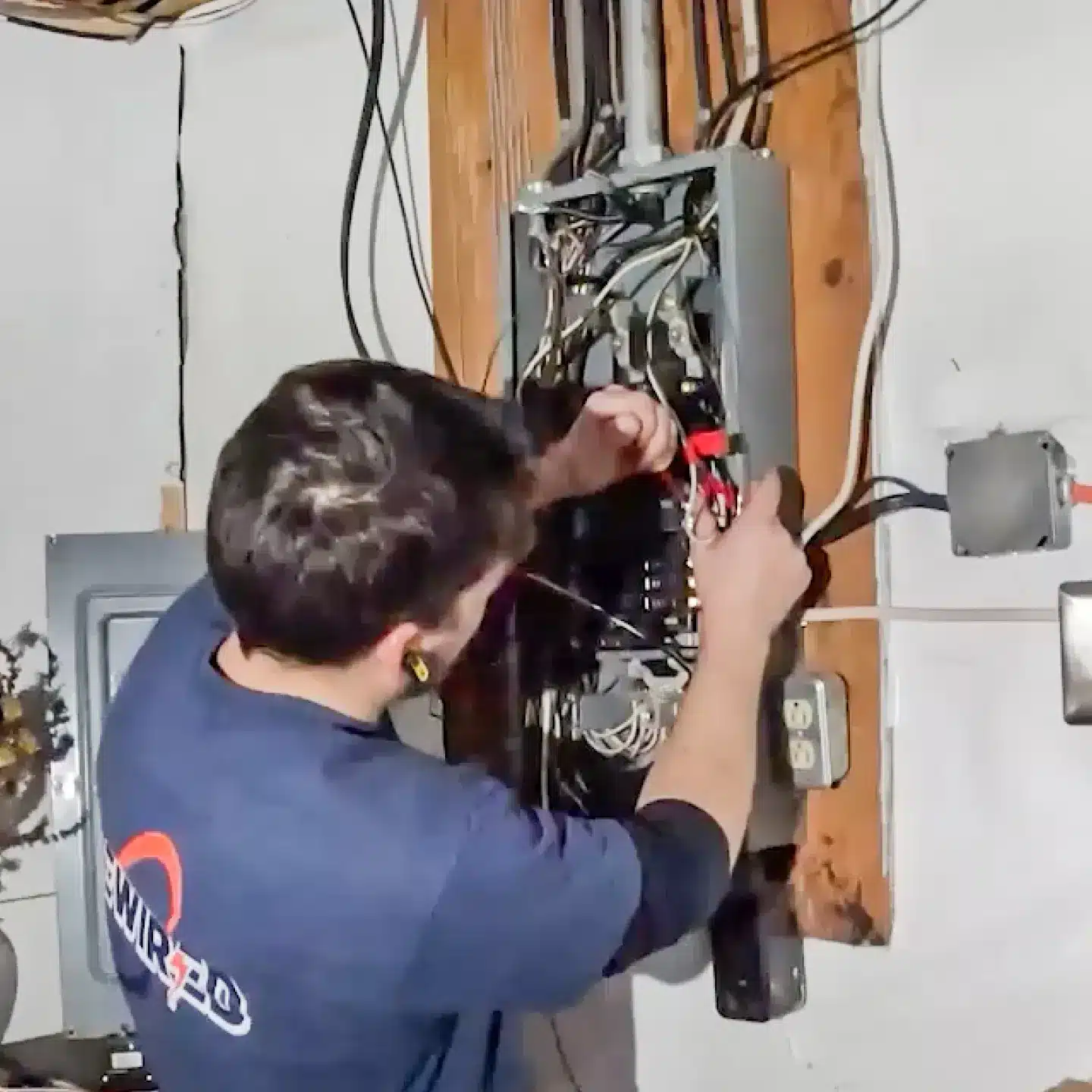
Home rewiring is a critical aspect of maintaining electrical safety and functionality in any residence. As homes age, the electrical systems can become outdated, posing risks such as electrical fires and inefficient energy use. This comprehensive guide will explore the essential elements of full home rewiring services in West Des Moines, focusing on safety considerations, cost factors, and the overall process involved. Understanding these aspects will empower homeowners to make informed decisions about their electrical systems and ensure their homes remain safe and efficient.
Safety Considerations
Safety is paramount when it comes to home rewiring. Outdated wiring can lead to significant risks, including electrical fires and shock hazards. It is crucial to ensure that any rewiring project adheres to local electrical codes and standards. Licensed electricians play a vital role in this process, as they are trained to identify potential hazards and implement safety measures. Additionally, the installation of safety devices, such as circuit breakers and GFCI outlets, can further enhance the safety of the electrical system. By prioritizing safety, homeowners can protect their families and property from electrical dangers.
Cost Factors
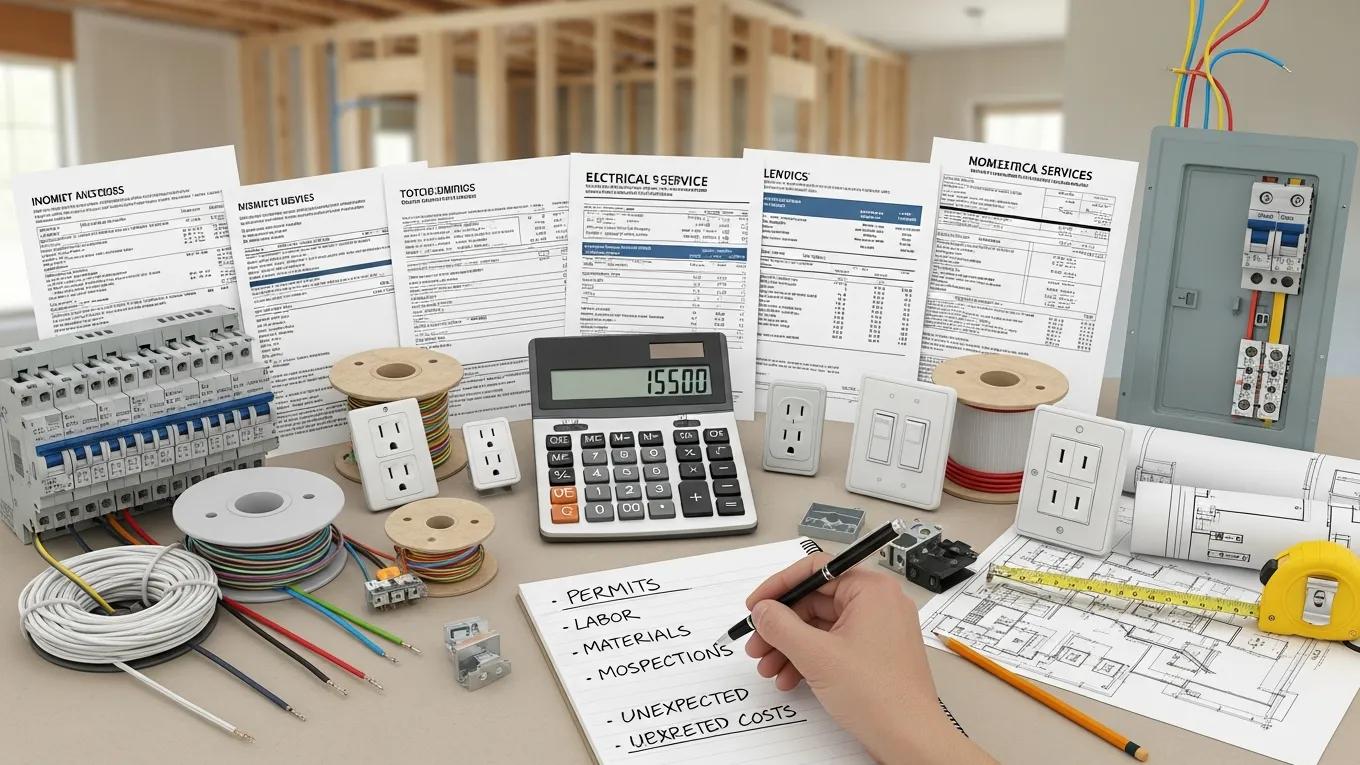
When considering a full home rewiring project, understanding the cost factors involved is essential. Several elements can influence the overall expense, including:
- Complexity of the Job: More complex rewiring tasks, such as those involving extensive upgrades or modifications, will typically incur higher costs.
- Home Size and Accessibility: Larger homes or those with difficult access points may require more labor and materials, increasing the total cost.
- Existing Wiring Type: The condition and type of existing wiring can affect the cost, as some systems may require more extensive work to bring up to code.
Full rewiring typically ranges from $10,000 to $20,000 for mid-size homes, while full rewires with service upgrades can exceed $30,000. Understanding these cost factors can help homeowners budget effectively for their rewiring projects.
What Is the Cost of Home Electrical Rewiring in West Des Moines?
The cost of home electrical rewiring in West Des Moines can vary significantly based on several factors. Homeowners should expect to pay between $10,000 and $20,000 for a full rewiring of a mid-size home. For partial rewiring, such as for 1-2 rooms, costs may range from $2,000 to $4,000. It is essential to obtain multiple estimates from licensed electricians to ensure a fair price and quality service.
Factors Influencing Rewiring Cost Estimates
Several factors can influence the estimates provided by electricians for rewiring projects:
- Labor Costs: The rates charged by electricians can vary based on their experience and the complexity of the job.
- Materials Used: The type of wiring and components selected can significantly impact the overall cost.
- Permitting Fees: Depending on local regulations, permits may be required, adding to the total expense.
Understanding these factors can help homeowners make informed decisions when selecting a contractor for their rewiring needs.
Overall Process Involved in Home Rewiring
The process of home rewiring typically involves several key steps to ensure a safe and effective upgrade of the electrical system. Initially, a thorough assessment of the existing wiring is conducted to identify any issues or areas needing improvement. Following this, a detailed plan is developed, including the necessary materials and labor required for the project. Once the plan is approved, the rewiring work begins, which includes removing old wiring, installing new wiring, and ensuring all components meet safety standards. Finally, a comprehensive inspection is performed to verify that the work complies with local codes and regulations.
How Does the Full Home Rewiring Process Work?
The full home rewiring process generally follows these steps:
- Inspection and Assessment: A licensed electrician evaluates the current wiring system to identify any hazards or deficiencies.
- Planning and Permitting: A detailed plan is created, and necessary permits are obtained to ensure compliance with local regulations.
- Installation: The old wiring is removed, and new wiring is installed according to the approved plan.
- Testing and Final Inspection: After installation, the system is tested for functionality and safety, followed by a final inspection to ensure compliance with electrical codes.
This structured approach ensures that the rewiring process is thorough and meets all safety standards.
Role of Licensed Electricians in Ensuring Code Compliance
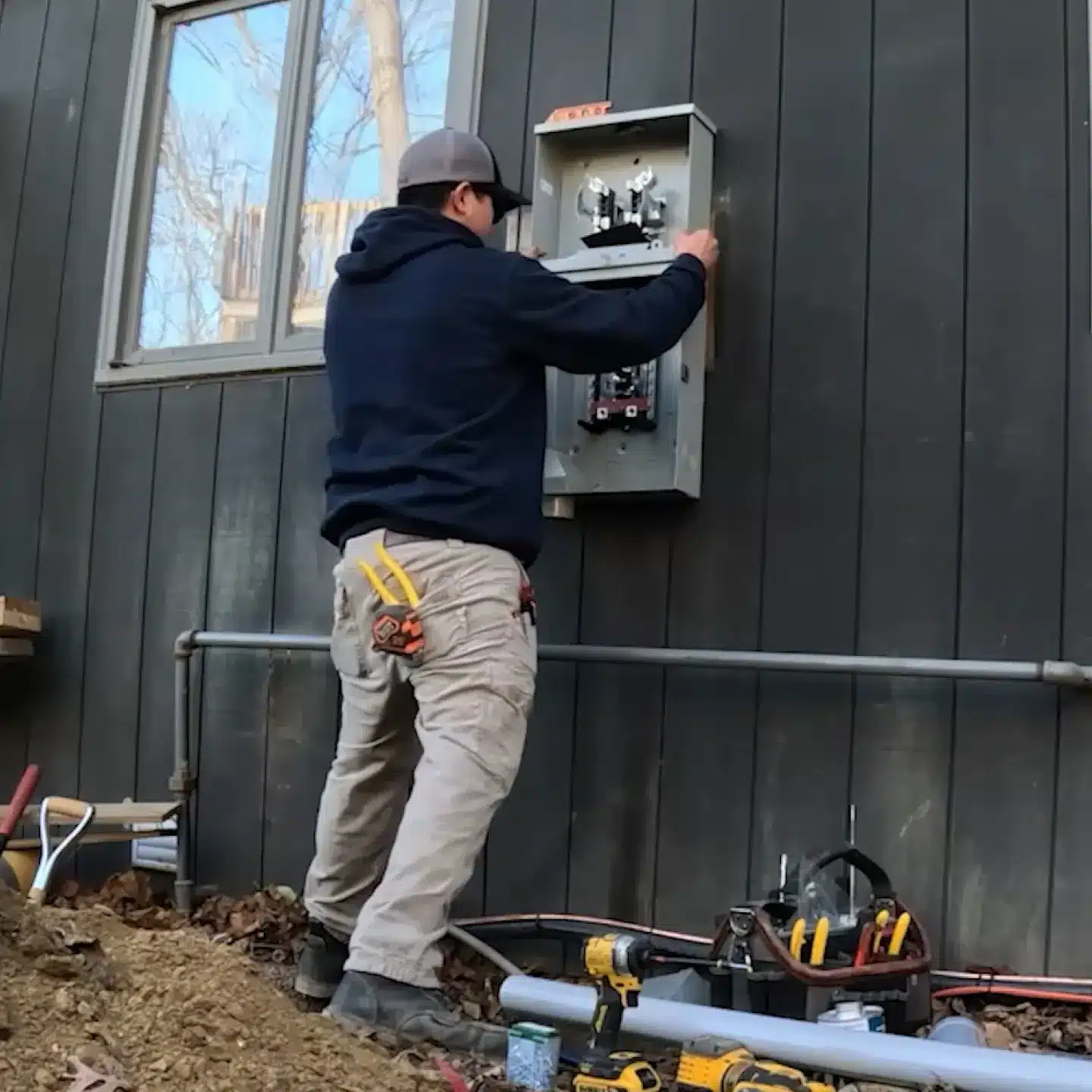
Licensed electricians are essential in the rewiring process, as they possess the knowledge and expertise to ensure that all work complies with local electrical codes. They are responsible for obtaining the necessary permits and conducting inspections throughout the project. By hiring a licensed electrician, homeowners can have peace of mind knowing that their rewiring project is being handled by a qualified professional who prioritizes safety and compliance.
What Are the Signs You Need Home Rewiring?
Recognizing the signs that indicate a need for home rewiring is crucial for maintaining electrical safety. Common indicators include:
- Frequent Circuit Breaker Trips: If circuit breakers frequently trip, it may signal an overloaded or faulty wiring system.
- Flickering or Dimming Lights: Inconsistent lighting can indicate wiring issues that require attention.
- Warm or Discolored Outlets: Outlets that feel warm to the touch or show discoloration may be signs of electrical problems.
Addressing these issues promptly can prevent more severe electrical hazards and ensure the safety of the home.
Identifying Common Electrical Issues Indicating Rewiring Needs
Several common electrical issues can suggest that a home requires rewiring:
- Burning Smells or Buzzing Noises: These can indicate overheating wires or faulty connections, which pose serious fire risks.
- Old Fuse Boxes or Low-Capacity Panels: Homes with outdated electrical panels may struggle to meet modern energy demands, necessitating an upgrade.
- Heavy Reliance on Extension Cords: Frequent use of extension cords can indicate insufficient outlets, suggesting a need for additional wiring.
Recognizing these signs early can help homeowners take proactive measures to ensure their electrical systems are safe and functional.
How Outdated Wiring Affects Home Safety and Functionality
Outdated wiring can significantly impact both safety and functionality within a home. Older wiring systems may not be equipped to handle the electrical demands of modern appliances, leading to potential overloads and fire hazards. Additionally, outdated materials, such as aluminum wiring or knob-and-tube systems, can pose serious safety risks. Upgrading to modern wiring not only enhances safety but also improves the overall efficiency and functionality of the electrical system.
Available Financing Options for Electrical Panel Upgrades
Homeowners considering rewiring may also explore financing options for electrical panel upgrades. Various programs and loans are available to assist with the costs associated with upgrading electrical systems. These options can help alleviate the financial burden and make necessary improvements more accessible.
Why Choose Licensed Electricians for Electrical Panel Upgrades in West Des Moines?
Choosing licensed electricians for electrical panel upgrades is crucial for ensuring safety and compliance. Licensed professionals have the training and experience to handle complex electrical systems, ensuring that all work meets local codes and regulations. Additionally, hiring licensed electricians can provide homeowners with peace of mind, knowing that their electrical upgrades are being performed by qualified experts.
Benefits of Hiring Licensed Professionals for Safety and Reliability
Hiring licensed professionals for electrical work offers several benefits, including:
- Adherence to Safety Standards: Licensed electricians are trained to follow safety protocols, reducing the risk of accidents.
- Quality Workmanship: Professionals bring expertise and experience, ensuring that the work is done correctly the first time.
- Legal Compliance: Licensed electricians understand local codes and regulations, ensuring that all work is compliant and safe.
These benefits highlight the importance of hiring qualified professionals for electrical projects.
Understanding Electrical Safety Standards and Local Code Compliance
Electrical safety standards are established to protect homeowners and ensure safe electrical practices. Compliance with these standards is essential for preventing electrical hazards and ensuring the reliability of electrical systems. Licensed electricians are well-versed in these standards and can help homeowners navigate the complexities of electrical code compliance during rewiring projects.

John Senn is a licensed Master Electrician based in Des Moines, Iowa with over 20 years of hands‑on experience serving homes and businesses across the state. He specializes in electrical panel upgrades, whole‑home generator installations, EV charger setups, and 24‑hour emergency service. As the owner of a growing team of certified electricians, John has built a reputation for safe, code‑compliant work and practical solutions that keep Iowa families and businesses powered up. His deep knowledge of Iowa’s electrical codes and his commitment to ongoing training make him a trusted voice in the trade and a go‑to expert for reliable electrical work in Des Moines and beyond.