Home Automation: Energy-Efficient Smart Solutions for Savings, Comfort, and Sustainability
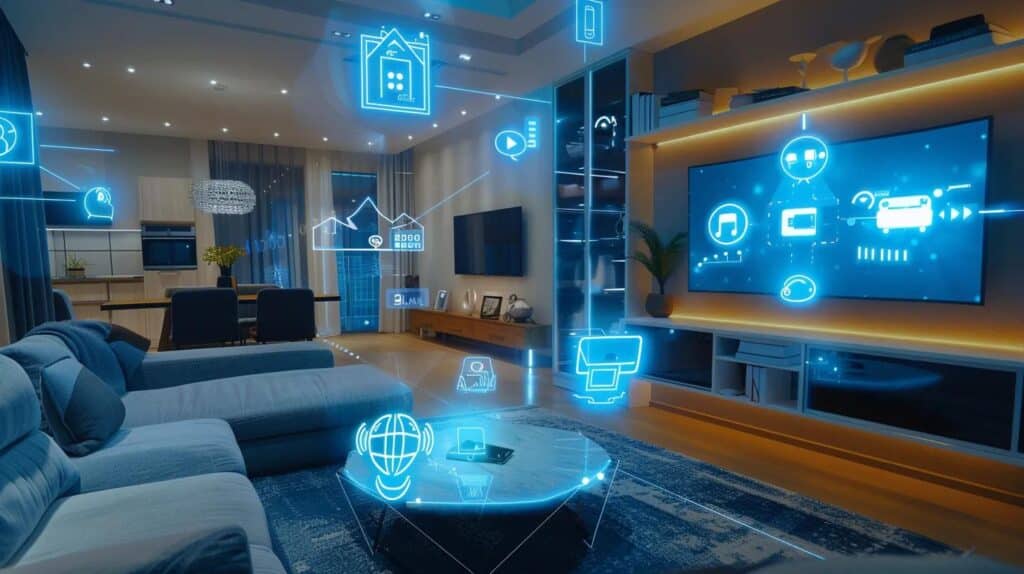
Smart, energy‑efficient home automation ties together connected devices, automated controls, and real‑time data so homes use less energy while staying comfortable and convenient. This guide explains how smart thermostats, intelligent lighting, energy monitoring, and appliance integration form a home energy management system that lowers bills, cuts waste, and supports sustainability in Central Iowa’s climate.
Homeowners and small business operators will get a clear view of the mechanisms that produce savings, which devices to prioritize, how monitoring changes behavior, and what to expect from professional installations.
We also outline practical next steps for Des Moines‑area residents to plan upgrades, meet electrical prerequisites, and tap local installer support. Throughout, we rely on current research and electrician‑led best practices to show how automation converts into measurable energy and carbon reductions.
What Are the Key Benefits of Energy Efficient Home Automation?
Energy‑efficient automation reduces consumption by scheduling HVAC, lighting, and appliances and by surfacing data that changes how people use energy. Systems link sensors and controllers to decision logic—learning thermostats, motion‑based lighting, and timed appliance cycles—that shorten runtimes, eliminate standby losses, and shift demand away from peak periods. The main benefits are lower utility bills, better day‑to‑day comfort, less equipment wear, and reduced household carbon emissions. Knowing these benefits helps homeowners prioritize upgrades that deliver fast payback and better living conditions.
Most bill savings come from smarter HVAC operation: optimized runtimes, predictive setpoints, and less cycling thanks to occupancy sensing and adaptive schedules. Properly configured smart thermostats commonly deliver 10–15% heating and cooling savings by learning patterns and using geofencing to avoid conditioning empty homes. Lighting controls cut usage by pairing LED retrofits with motion sensors and dimming scenes that follow daylight and activity. Each subsystem—HVAC, lighting, appliances—adds incremental savings, and together they multiply the total reduction across the house.
How does home automation improve comfort and convenience? Remote control, voice integration, and preset scenes let you walk into a pre‑warmed or pre‑cooled home, light safe pathways at night, and run multi‑device routines for daily life.
Adaptive learning minimizes the need for manual tweaks by detecting occupancy and gently adjusting setpoints to preserve comfort without wasting energy. For vulnerable occupants—like older adults—automation can keep indoor conditions steady and alert caregivers to unusual changes. These convenience features also support energy goals: comfortable automation reduces the urge to override efficient settings.
Who installs and supports these systems locally? Rewired Iowa’s Des Moines electricians have hands‑on experience installing smart thermostats, lighting controls, and energy monitors as part of energy‑efficient projects. Their local credibility—licensed technicians, a 5‑Year Workmanship Guarantee, BBB A+ accreditation, 24/7 emergency availability, free estimates, and strong local reviews—means the savings described here are achievable with electrician‑led, code‑compliant installs. That mix of technical skill and local support shortens the path from planning to real energy reductions. Next: the core devices to prioritize.
Which Smart Devices Are Essential for Energy Saving Home Automation?
Core devices for an energy‑efficient smart home include smart thermostats, connected lighting systems, home energy monitors, smart plugs/appliance controllers, and integration hubs. Each element delivers a distinct way to cut consumption. Smart thermostats optimize HVAC through schedules and adaptive algorithms and pair with energy monitors. Smart lighting replaces inefficient bulbs and adds occupancy controls and dimming. Energy monitors give the data needed to find waste and prove savings, while smart plugs eliminate phantom loads and let you schedule individual appliances.
Below is a comparative table summarizing typical attributes of core device categories to guide device selection and expected outcomes.
| Device Category | Key Attribute | Typical Outcome |
|---|---|---|
| Smart Thermostat | HVAC integration and learning algorithms | 10–15% HVAC energy savings when optimized |
| Smart Lighting | LED bulbs, dimming, motion sensors | 40–80% lighting energy reduction vs incandescent |
| Home Energy Monitor | Real-time whole-home and circuit insights | Faster identification of high-use circuits and phantom loads |
| Smart Plugs / Controllers | On/off scheduling and energy metering | Reduced standby consumption for appliances |
| Integration Hub | Platform interoperability and automations | Seamless scenes and demand-shifting across devices |
This comparison highlights that thermostats and whole‑home monitors usually create the biggest system‑level impact, while lighting and smart plugs offer fast payback on lower‑cost upgrades. The right mix depends on existing equipment, budget, and your goals.
What are the advantages of professional smart thermostat installation?
Having a licensed electrician install your smart thermostat ensures compatibility with HVAC controls, correct wiring for power and sensors, and proper integration with two‑stage or heat‑pump systems. Smart thermostats cut runtime with adaptive setbacks, optimize compressor cycles, and can participate in demand‑response events that shift load during peak pricing. Electrician services also include any needed low‑voltage wiring or relay work to protect HVAC controls and preserve warranties. Proper setup and follow‑up tuning are essential to capture the expected 10–15% HVAC savings while keeping your home comfortable.
How do energy‑saving smart lighting systems work?
They pair efficient LED sources with controls—occupancy sensors, dimmers, and schedules—that lower lumen output when full brightness isn’t needed. Daylight harvesting and scene programming use natural light and activity patterns to fine‑tune levels automatically, which avoids over‑lighting. Integrated lighting can link to occupancy and HVAC logic so lights turn off in empty zones and scenes reduce load during peak periods. The result is lower energy use, longer bulb life, and better visual comfort.
How Can Home Energy Monitoring Improve Residential Energy Efficiency?
Home energy monitoring gives homeowners the data to make focused efficiency choices by showing when, where, and how energy is used in real time. Monitors typically measure whole‑home current with CT clamps and may provide circuit‑ or appliance‑level insights through pattern recognition or dedicated submetering. That visibility enables actions—rescheduling appliances, finding phantom loads, and verifying savings from upgrades. Monitoring moves decisions from guesswork to measurable improvements and supports lasting behavior change and technical fixes.
What features do home energy monitoring systems offer?
Modern monitors deliver real‑time dashboards, historical trends, anomaly alerts, and integrations with smart thermostats and EV chargers to automate responses to consumption spikes. Some use appliance detection to estimate device‑level use without intrusive submetering; others offer direct circuit metering for high accuracy. API access and smart‑home links let automations throttle loads, delay nonessential cycles, and participate in demand‑response programs. These capabilities turn raw data into control—supporting both manual conservation and automated efficiency.
| Monitor Type | Feature | Expected Benefit |
|---|---|---|
| Whole-home with CTs | Real-time kWh and demand visualization | Quick identification of high-use periods |
| Appliance-detection monitors | Pattern recognition of device signatures | Detect phantom loads and inefficient appliances |
| Circuit-level submeter | Dedicated circuit metering | High-accuracy tracking for HVAC, EV, or solar circuits |
| Integrated platform | API and automation links | Automated responses to reduce peak consumption |
Choosing a monitoring approach depends on whether you want broad behavioral insight or precise device‑level accountability. Whole‑home monitors deliver fast wins; circuit‑level metering supports targeted electrical upgrades and accurate ROI tracking.
How does energy monitoring help lower utility bills?
Monitoring reveals which devices and times drive the most usage, enabling practical steps like moving dryer or EV charging to off‑peak hours, tightening thermostat setbacks when no one’s home, and spotting faults that waste energy. A typical workflow starts with a monitoring baseline, then applies scheduling, device controls, or repairs to reduce kWh and peak demand. Monitoring also proves savings after upgrades, creating a feedback loop for ongoing optimization and smarter long‑term decisions.
What Services Does Rewired Iowa Provide for Energy Efficient Smart Homes?
Rewired Iowa in Des Moines offers electrician‑led installation and integration services built around reliability, code compliance, and measurable results. Our commitment to quality is backed by a **5‑Year Workmanship Guarantee**, ensuring peace of mind for every project. Key services for energy efficiency include smart thermostat installation and HVAC integration, smart lighting and appliance wiring, home energy monitor installation and setup, and EV charger integration with panel readiness assessments. We emphasize licensed workmanship, transparent pricing, and follow‑through, complemented by free estimates, 24/7 emergency service, BBB A+ accreditation, and a strong Google rating from over 400 reviews.
| Service Area | Deliverable | Customer Outcome |
|---|---|---|
| Smart Thermostat Installation | Compatibility check, wiring, programming, testing | Reliable HVAC control and validated savings |
| Smart Lighting & Appliance Wiring | Circuit upgrades, dimmer/motion sensor wiring, scene programming | Efficient, code-compliant lighting and appliance control |
| Home Energy Monitoring | CT clamp installation, dashboard setup, alerts | Clear usage data and anomaly detection |
| EV Charger Integration | Circuit assessment, subpanel work, charger circuit installation | Safe EV charging and reduced impact on main panel |
This table outlines the technical steps Rewired Iowa takes to make sure devices operate safely and deliver the energy benefits described earlier. The electrician‑first approach covers electrical prerequisites that non‑electrician installers sometimes miss.
How does Rewired Iowa ensure quality smart thermostat installation?
We begin with a site assessment to confirm thermostat compatibility and wiring, performing any required low‑voltage or relay work to protect HVAC controls. Technicians mount and secure wiring correctly, program schedules and geofencing, and test system behavior under real conditions. After installation we walk homeowners through the app, energy‑saving modes, and monitoring feedback. Licenses EL011713EC, EL011713RM, and EL011713JA show our techs are credentialed, and our 5‑Year Workmanship Guarantee covers installation defects.
What sets Rewired Iowa’s smart lighting and appliance integration apart is the focus on electrician‑led code compliance, durable wiring for reliable control, and energy‑aware scene programming. We perform panel checks and load balancing so new controls and EV chargers don’t overload circuits, then build scenes that reduce load during peak periods while keeping comfort. Free estimates and transparent pricing make planning straightforward for energy‑efficiency projects.
How Does Smart Home Automation Support Sustainability and Environmental Goals?
Smart automation advances sustainability by lowering household energy use and enabling demand‑shifting that eases peak grid stress—both of which reduce carbon emissions tied to residential electricity. Automation also helps align consumption with cleaner generation times through scheduling or utility signals, so the same services consume less carbon‑intensive power. Reducing runtime for heating, cooling, and standby loads lengthens equipment life and cuts embedded emissions from premature replacements. These technical and behavioral gains make automation a practical part of household sustainability plans.
What role do smart devices play in cutting carbon emissions?
Devices lower emissions by reducing kWh consumption and by shifting load away from peak periods often supplied by higher‑emission generators. For example, pre‑cooling with a smart thermostat and allowing a controlled temperature drift during peak hours can avoid high‑emission generation. Scheduling EV charging for times when renewables or off‑peak rates are available also lowers the carbon intensity of home charging. Together, these strategies turn household efficiency into broader emissions reductions.
Are there local incentives for energy efficient home automation in Iowa?
Yes—utility and state programs often provide rebates for LED upgrades, smart thermostats, and EV charger installs, and some demand‑response programs pay incentives for peak‑reduction participation. Homeowners should review current Iowa and regional utility incentive pages or work with installers who can advise on eligibility and paperwork. Rewired Iowa helps customers evaluate rebate opportunities during free estimates and recommends devices that align with local program criteria to maximize returns on automation investments.
How Can Homeowners Get Started with Energy Efficient Smart Home Solutions in Des Moines?
Start by assessing current energy use, setting clear goals (cost savings, comfort, sustainability), and choosing high‑impact starters—usually a smart thermostat and a whole‑home energy monitor—before adding lighting and appliance controls. The typical process includes an initial consultation, a site assessment for panel capacity and wiring, device selection, professional installation, and post‑install optimization. Beginning with a monitoring period helps prioritize interventions and quantify expected ROI before committing to larger upgrades like EV charger circuits or panel work. A staged approach reduces risk and targets the biggest opportunities first.
What is the typical process for smart home installation?
Projects move through consultation, assessment, preparation, installation, programming and testing, then homeowner training and follow‑up optimization. Consultation clarifies goals and budget; assessment verifies electrical readiness, including panel capacity and low‑voltage wiring; preparation may include circuit upgrades or relay installs. Licensed electricians handle wiring and safety checks during installation, programming links devices into automations, and testing confirms performance and energy outcomes. Timelines range from single‑day thermostat or lighting installs to multi‑day EV charger or panel upgrades.
How can you request a free estimate from Rewired Iowa?
To get started, request a complimentary estimate where a licensed technician reviews goals, performs a site assessment, and delivers an upfront scope with fair pricing. This estimate covers device choices, electrical prerequisites, and potential rebates. Rewired Iowa uses free estimates to move projects from planning to electrician‑led, code‑compliant installations, all backed by our **5‑Year Workmanship Guarantee**. Booking an estimate is the easiest way to turn monitoring insights and device selection into an installed, optimized system with lasting quality.
- Start with an energy assessment: Gather recent utility bills and note high‑use appliances to prioritize monitoring.
- Select core devices: Begin with a smart thermostat and a whole‑home energy monitor for immediate data and HVAC savings.
- Schedule a licensed installation: Have an electrician confirm panel capacity and wiring before device installs.
- Validate and optimize: Collect monitoring data for 2–4 weeks, then fine‑tune schedules, scenes, and charging times.
These steps create a repeatable path from assessment to measurable savings. The next logical move is to engage a local installer for a complimentary estimate and an electrical readiness check.
- Assessment summary: Prepare usage data and device preferences so your quote is accurate.
- Installation timeline: Expect single‑day installs for thermostats and lighting; EV or panel upgrades may take multiple days.
- Follow‑up: Schedule a short optimization visit after initial monitoring to confirm energy reductions.
Following these pragmatic steps keeps decisions grounded in measured outcomes, making automation investments clearer and more defensible.
- Key takeaway: Pair a smart thermostat with home energy monitoring to capture the largest immediate savings.
- Electrical readiness: Address panel capacity and circuit needs early to avoid installation delays.
- Local support: Use licensed electricians for code‑compliant installs and to access guarantees and post‑install help.
This checklist helps Des Moines‑area homeowners move from idea to an installed, optimized, energy‑efficient home with measurable results and electrician oversight.
Frequently Asked Questions
What is the cost range for installing smart home automation systems?
Costs for installing smart home automation systems can vary significantly based on the complexity and number of devices involved. Simple installations, such as a single smart thermostat or a few smart lights, may start around $100 to $300. However, more comprehensive systems that include multiple devices and professional installation typically range from $1,000 to $5,000 or more. When considering the investment, it’s essential to weigh the upfront costs against potential energy savings and any available incentives that can offset expenses.
How do smart home devices communicate with each other?
Smart home devices generally communicate using wireless protocols such as Wi-Fi, Zigbee, or Z-Wave. These technologies allow devices to connect to a central hub or directly to one another, enabling seamless interactions. For instance, a smart thermostat can trigger lighting changes when it detects occupancy, or a hub can coordinate multiple devices to create specific scenes. Most systems also provide mobile apps for remote monitoring and control, making it easier to manage energy consumption and comfort levels from anywhere.
Can I integrate existing devices into a new smart home system?
Yes, many smart home systems allow for the integration of existing devices, provided they are compatible with the chosen platform. Older appliances can often be incorporated using smart plugs or controllers that enable connectivity. It’s important to check compatibility and update firmware as needed. A professional installer can evaluate your current equipment and recommend the best approach for integration, ensuring a smooth transition to a smart home environment.
What maintenance is required for smart home devices?
Maintenance for smart home devices is generally minimal but crucial for optimal performance. Regularly updating firmware and app software is essential for security and functionality. Additionally, checking battery levels on wireless sensors and ensuring that device placements are unobstructed can prevent connectivity issues. Occasional cleaning and inspections of connections help maintain system efficiency and reliability, ensuring that your smart home operates smoothly over time.
Are there privacy concerns with smart home automation?
Privacy is a significant concern with smart home automation, as many devices collect usage data that could be vulnerable if not properly secured. To protect your privacy, it’s advisable to review the privacy policies of your devices, use strong passwords, and enable two-factor authentication where available. Adjusting data-sharing settings and regularly reviewing device permissions can help minimize exposure while still allowing you to enjoy the benefits of automation.
How can I ensure my smart home system is energy efficient?
To ensure your smart home system is energy efficient, select Energy Star-rated or highly efficient devices. Utilize features such as scheduling, occupancy sensing, and adaptive learning to optimize energy use. Monitoring consumption with a home energy monitor can help identify areas for improvement. Additionally, integrating devices to work together—like linking thermostats with occupancy sensors—can create automated routines that significantly reduce energy waste and enhance overall efficiency.
What are the environmental benefits of smart home automation?
Smart home automation contributes to environmental sustainability by reducing energy consumption and lowering carbon emissions. By optimizing energy use, these systems decrease reliance on fossil fuels and alleviate peak demand, which often comes from higher-emission sources. Furthermore, automation can align energy consumption with periods of high renewable energy output, further minimizing the residential carbon footprint and supporting broader environmental goals.
What is the cost range for installing smart home automation systems?
Costs vary with system complexity and device choice. Simple installs—like a single smart thermostat or a few smart lights—can start near $100–$300. More comprehensive systems with multiple devices and professional installation commonly run from $1,000 to $5,000 or more. When evaluating investment, weigh upfront costs against likely energy savings and available incentives.
How do smart home devices communicate with each other?
Devices typically use wireless protocols such as Wi‑Fi, Zigbee, or Z‑Wave to connect to a hub or directly to one another. That lets a thermostat trigger lighting changes, or a hub coordinate scenes across many devices. Most systems also offer mobile apps for remote monitoring and control, which makes managing energy and comfort easier.
Can I integrate existing devices into a new smart home system?
Yes—many systems support existing devices if they’re compatible with the chosen platform. Older appliances can often be added using smart plugs or controllers. Check compatibility and update firmware where needed. A professional installer can assess your equipment and recommend the best integration approach.
What maintenance is required for smart home devices?
Maintenance is generally light but important. Keep firmware and app software up to date for security and performance, check battery levels on wireless sensors, and inspect device placements so sensors aren’t blocked. Occasional cleaning and connection checks help prevent interruptions and keep systems running smoothly.
Are there privacy concerns with smart home automation?
Privacy is an important consideration. Many devices collect usage data that could be exposed if not secured. Review privacy policies, use strong passwords, enable two‑factor authentication where available, and adjust data‑sharing settings. Regularly review device permissions to reduce exposure while still enjoying automation benefits.
How can I ensure my smart home system is energy efficient?
Choose Energy Star‑rated or highly efficient devices, and use scheduling, occupancy sensing, and adaptive learning features to optimize use. Monitor consumption with a home energy monitor to spot improvement opportunities. Integrating devices so they act together—such as linking thermostats to occupancy sensors—creates automated routines that reduce waste.
What are the environmental benefits of smart home automation?
Smart automation helps the environment by cutting energy use and lowering carbon emissions. Optimized energy use reduces reliance on fossil fuels and eases peak demand, which often comes from higher‑emission sources. Automation can also align energy use with times of high renewable output, further reducing residential carbon footprints.
Conclusion
Energy‑efficient home automation cuts energy use while improving comfort and day‑to‑day convenience. By combining smart thermostats, lighting controls, and energy monitoring, homeowners can lower bills and support sustainability goals. Ready to take the first step? Schedule a complimentary estimate with a local Rewired Iowa technician and start turning smart energy planning into measurable savings and better home comfort, all with the assurance of our **5‑Year Workmanship Guarantee**.

John Senn is a licensed Master Electrician based in Des Moines, Iowa with over 20 years of hands‑on experience serving homes and businesses across the state. He specializes in electrical panel upgrades, whole‑home generator installations, EV charger setups, and 24‑hour emergency service. As the owner of a growing team of certified electricians, John has built a reputation for safe, code‑compliant work and practical solutions that keep Iowa families and businesses powered up. His deep knowledge of Iowa’s electrical codes and his commitment to ongoing training make him a trusted voice in the trade and a go‑to expert for reliable electrical work in Des Moines and beyond.