
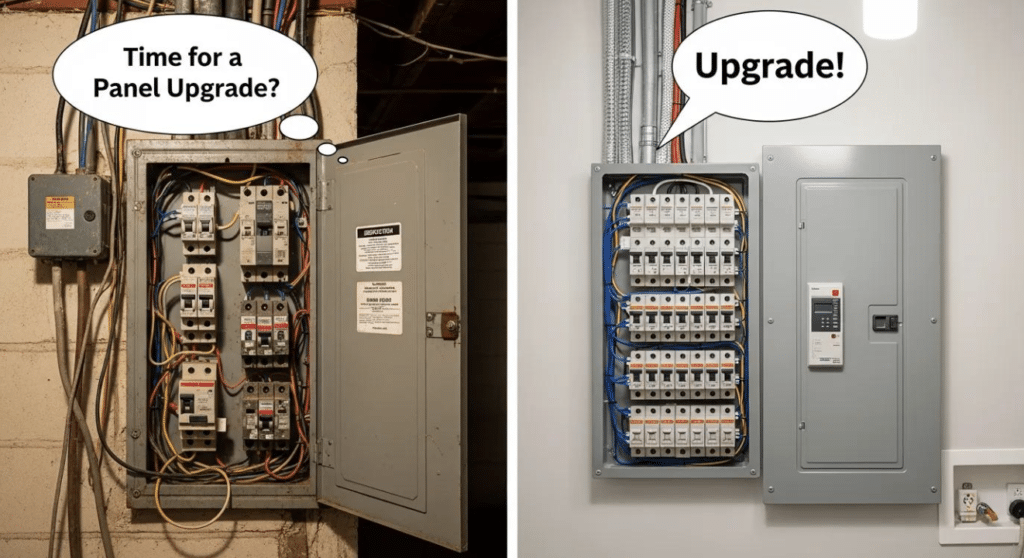
Electrical panels are crucial components of any home or business, serving as the central hub for electrical distribution. Over time, these panels can wear out or become outdated, leading to safety hazards and inefficiencies. This article will help you identify whether your electrical panel is due for replacement by exploring common signs of failure, understanding replacement costs, and discussing the benefits of upgrading. By the end, you will have a clearer understanding of when to take action and how to ensure your electrical system remains safe and efficient.
What Are the Common Signs of Electrical Panel Failure?
Recognizing the signs of electrical panel failure is essential for maintaining safety and functionality in your electrical system. Common indicators include frequent circuit breaker trips, flickering lights, and visible physical damage. These symptoms can signal underlying issues that may require immediate attention to prevent further complications.
The critical importance of a stable and reliable electricity supply, free from such disruptions, is further emphasized by research into preventing power outages and their severe consequences.
Ensuring Reliable Electricity for Household Consumers
Stable and reliable supply of electricity caused by power outages is generally undesirable, and in some cases can lead to very unpleasant consequences—disruption of communication systems, shutdown of technological processes of industrial enterprises, the impossibility of normal living conditions and activities of the population. To prevent this, special measures using for during the design and operation of electrical networks and systems to improve the operation of all their elements and increase the reliability of electricity supply to consumers.
Faults Indicators applying for smart monitoring system for improving reliability electric power distribution, I Blinov, 2022
How to Identify Frequent Circuit Breaker Trips and Electrical Surges
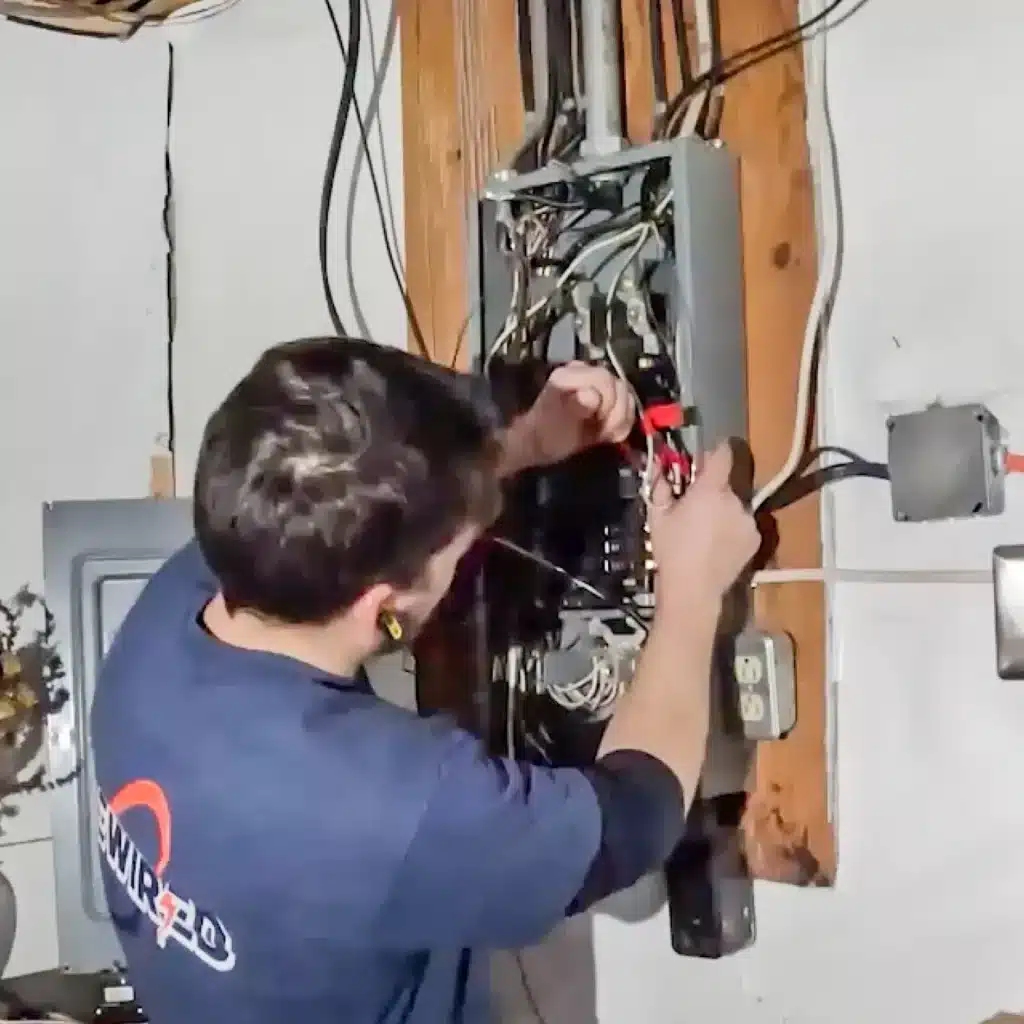
Frequent circuit breaker trips can indicate overloaded circuits or faulty wiring. To identify the issue, start by checking for overloaded circuits by unplugging devices and resetting the breaker. If the problem persists, it may be time to schedule regular inspections with a licensed electrician to ensure your system is safe and up to code.
Recognizing Physical Damage and Age-Related Wear in Panels
Physical damage to your electrical panel can manifest as burn marks, melting plastic, or rust. Additionally, if your panel is over 25 years old, it may not meet current safety standards. Regular inspections can help identify these issues early, allowing for timely repairs or replacements to maintain safety and efficiency.
How Much Does Electrical Panel Replacement Cost in Des Moines and Cedar Rapids?
Understanding the costs associated with electrical panel replacement is crucial for budgeting and planning. The typical costs for residential upgrades can range significantly based on various factors, including the type of panel and the complexity of the installation.
Detailed Breakdown of Replacement Costs and Factors Influencing Pricing
The cost of replacing an electrical panel can vary widely. For instance, a typical residential 200 amp upgrade ranges from $1,500 to $2,500. Factors influencing pricing include the size of your home, the accessibility of the panel, and whether any permits or inspections are required.
| Panel Type | Average Cost | Factors Influencing Price |
|---|---|---|
| 100 Amp | $1,500 – $2,500 | Home size, existing wiring |
| 200 Amp | $1,500 – $2,500 | Accessibility, permits |
| Fuse Box to Breaker Conversion | $800 – $1,500 | Complexity of installation |
This breakdown illustrates how various factors can impact the overall cost of panel replacement, helping homeowners make informed decisions.
Comparing Costs: Residential vs. Commercial Electrical Panel Upgrades
When comparing costs between residential and commercial electrical panel upgrades, it’s essential to consider the scale and complexity of the installation. Residential upgrades typically range from $1,500 to $2,500, while commercial upgrades can be significantly higher due to increased power demands and regulatory requirements. Understanding these differences can help you budget appropriately for your specific needs.
How Long Do Electrical Panels Typically Last Before Replacement Is Needed?
The lifespan of electrical panels can vary based on several factors, including the type of panel and maintenance practices. Generally, older panels may require replacement sooner than modern ones.
Average Lifespan of Different Types of Electrical Panels
Different types of electrical panels have varying lifespans. For example, older fuse boxes can last between 30 to 50 years, while modern breaker panels typically last 20 to 40 years. Regular maintenance can extend the life of your panel, ensuring it operates safely and efficiently.
Impact of Usage and Maintenance on Panel Longevity
Usage patterns and maintenance practices significantly impact the longevity of electrical panels. Regular inspections and timely repairs can prevent wear and tear, extending the lifespan of your panel. Homeowners should be proactive in monitoring their electrical systems to ensure optimal performance.
What Are the Benefits of Upgrading Your Electrical Panel?
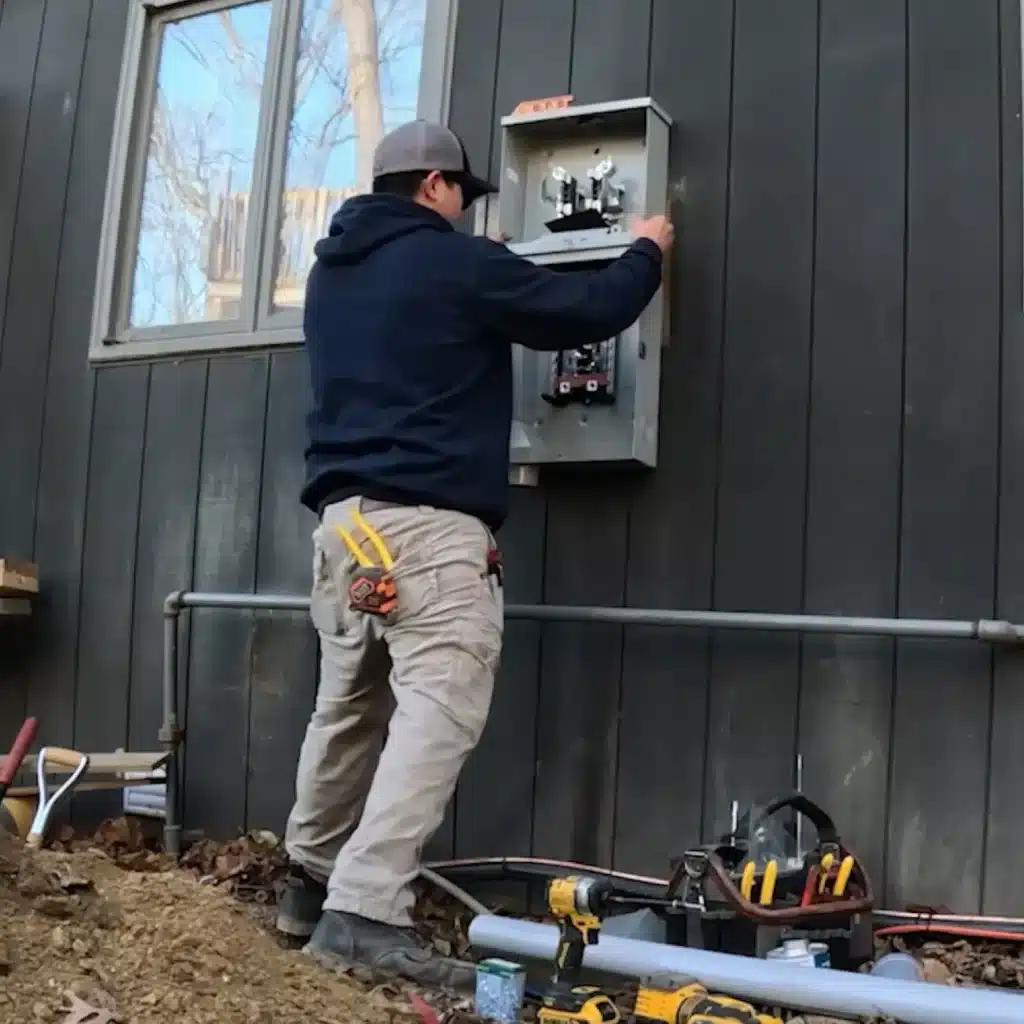
Upgrading your electrical panel offers several benefits, including enhanced safety, improved energy efficiency, and increased property value. These advantages make it a worthwhile investment for homeowners and business owners alike.
Enhancing Electrical Safety and Compliance with Current Standards
Modern electrical panels are designed to meet current safety standards, reducing the risk of electrical fires and other hazards. Upgrading ensures that your system complies with the latest regulations, providing peace of mind for homeowners and business owners.
Improving Energy Efficiency and Supporting Modern Electrical Loads
An upgraded electrical panel can improve energy efficiency by better managing the electrical load in your home or business. This is particularly important as modern appliances and devices require more power. By upgrading, you can ensure your system can handle these demands without overloading.
For those considering an upgrade, Rewired Iowa offers expert services tailored to your needs, ensuring your electrical panel meets current standards and operates efficiently.
When and Why Should You Replace Your Electrical Panel?
Knowing when to replace your electrical panel is crucial for maintaining safety and efficiency. Several factors can indicate that a replacement is necessary.
Understanding Safety Risks and Code Requirements for Replacement
Outdated electrical panels can pose significant safety risks, including increased fire hazards and non-compliance with National Electrical Code (NEC) standards. Homeowners should be aware of these risks and consider replacement if their panel is outdated or showing signs of wear.
Choosing a Licensed Electrician for Reliable Panel Inspection and Replacement
Selecting a licensed electrician for panel inspection and replacement is essential for ensuring the job is done correctly. A qualified professional can assess your system, recommend necessary upgrades, and ensure compliance with local codes, providing peace of mind for homeowners.

John Senn is a licensed Master Electrician based in Des Moines, Iowa with over 20 years of hands‑on experience serving homes and businesses across the state. He specializes in electrical panel upgrades, whole‑home generator installations, EV charger setups, and 24‑hour emergency service. As the owner of a growing team of certified electricians, John has built a reputation for safe, code‑compliant work and practical solutions that keep Iowa families and businesses powered up. His deep knowledge of Iowa’s electrical codes and his commitment to ongoing training make him a trusted voice in the trade and a go‑to expert for reliable electrical work in Des Moines and beyond.