
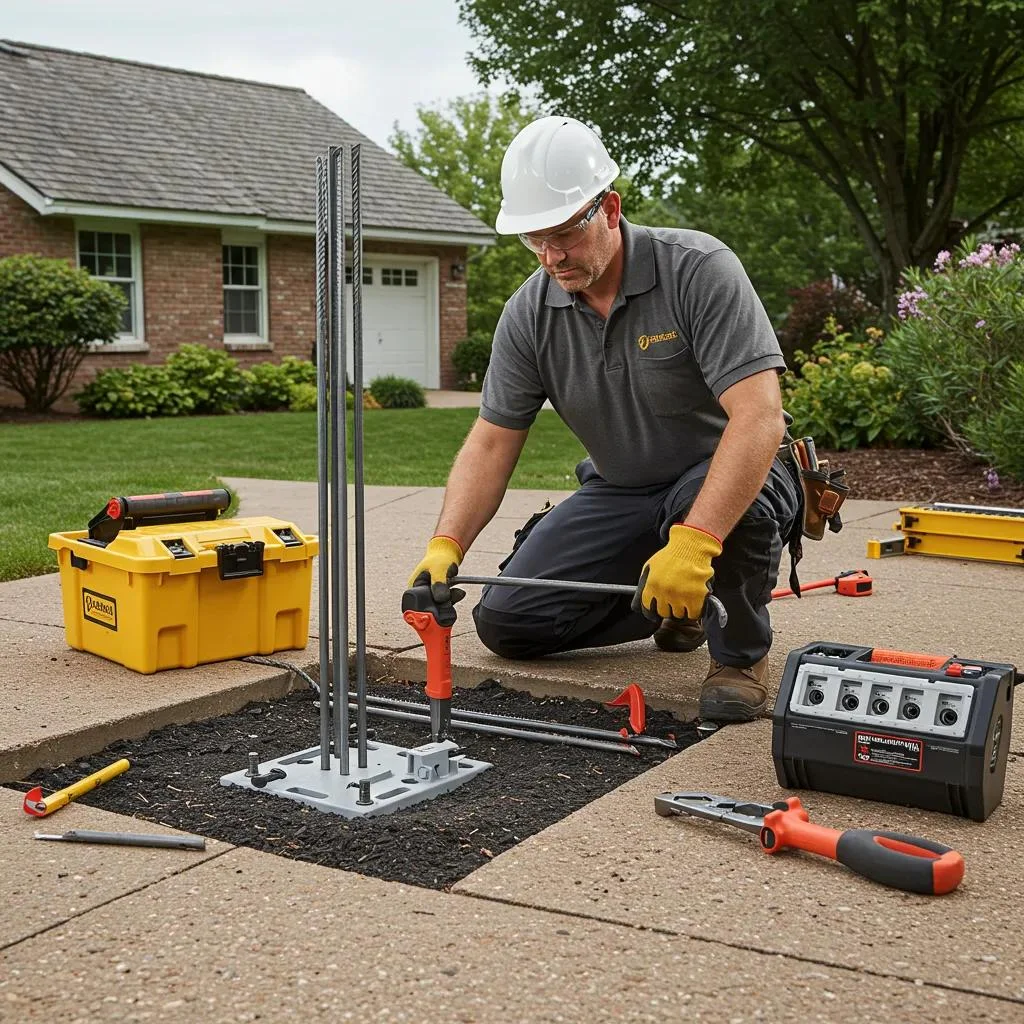
Urbandale Electricians: Guide to Grounding Installation & Compliance
Electrical grounding installation creates a deliberate, low-resistance path between a building’s electrical system and the earth to carry fault current safely away from people and property. This guide explains how grounding systems protect lives and equipment, how Iowa’s adoption of the 2023 National Electrical Code shapes local requirements, and what Urbandale homeowners and businesses should expect when planning an installation. Many properties in Urbandale face aging grounding components, variable soil resistivity, and surge exposure that increase risk; a properly designed grounding electrode system mitigates those hazards and supports surge protection, GFCI/AFCI performance, and inspection readiness. Below you’ll find practical signs that indicate a grounding upgrade is needed, a clear translation of applicable code items, installation process steps, cost drivers with example ranges, and how grounding integrates with modern protective devices. The article also outlines how Rewired Iowa serves Urbandale with code-focused installations and what to expect when requesting a free estimate or scheduling service.
Why Is Electrical Grounding Installation Essential for Urbandale Homes and Businesses?
Electrical grounding is the engineered connection that directs unintended electrical current to earth, reducing voltages on metal enclosures and minimizing shock and fire risk. By providing a predictable fault path, grounding lets overcurrent devices operate effectively and protects occupants and equipment from transient overvoltages. Grounding also stabilizes voltages for sensitive electronics and supports surge protection devices, which is critical for homes and small businesses in Urbandale that rely on HVAC systems, computers, and HVAC controls. Understanding these fundamentals clarifies why properly designed grounding electrode systems are a foundational safety investment.
What Are the Key Safety Benefits of Proper Electrical Grounding?

Proper grounding significantly lowers the chance that exposed metal equipment will carry dangerous voltage during a fault, which directly reduces shock incidents for occupants and service personnel. Grounding systems also reduce the potential for electrical fires by giving fault current a controlled route so breakers and fuses can clear faults quickly, improving overall building safety. For families and employees, the presence of a robust grounding electrode system means reduced downtime and lower risk of injury from accidental contact with energized components. These safety benefits lead into how grounding protects devices and systems from surges and transients.
How Does Grounding Protect Electrical Appliances and Systems?
A correctly sized grounding electrode conductor and properly installed grounding electrodes channel transient energy and provide a reference point that helps surge protection devices (SPDs) operate more effectively, reducing stress on appliances and control electronics. When SPDs discharge transient energy to the grounding system, the result is lower peak voltages on equipment, which translates to fewer damaged components and reduced replacement costs over time. Grounding also helps preserve sensitive electronics in home offices and commercial network closets by stabilizing common-mode voltages across the electrical distribution system. Understanding this interaction clarifies why grounding is often paired with whole-home surge mitigation strategies.
Why Is Compliance with the 2023 National Electrical Code Critical in Urbandale?
Iowa’s reference to the 2023 NEC updates grounding electrode system requirements, conductor sizing, and bonding particulars that affect both residential and commercial installations in Urbandale. Compliance ensures that installations meet accepted safety baselines, simplifies permitting and inspection, and improves insurance clarity should a claim arise after an electrical incident. Working to the latest NEC standards also helps future-proof systems against changing equipment requirements and emerging protective technologies. Given these practical implications, code-aware design and testing are essential steps before and after any installation.
What Are the Common Signs That Your Property Needs Electrical Grounding Upgrades in Urbandale?
Recognizing symptoms early helps avoid escalating electrical hazards; many observable issues point to grounding or bonding deficiencies and warrant a professional inspection. Flickering lights, persistent nuisance breaker trips, static shocks from metal fixtures, and outlet scorch marks are all warning signs that should prompt action. A targeted inspection will identify whether the cause is grounding, loose neutrals, or overloaded circuits, and will recommend the appropriate remedial steps. The following checklist helps homeowners and business owners prioritize when to request testing or upgrades.
- Flickering lights or intermittent equipment resets often indicate loose connections, poor grounding, or neutral problems that require inspection.
- Frequent breaker trips that persist after load balancing could point to compromised grounding or damaged conductors needing professional diagnosis.
- Noticeable static shocks from metal fixtures or appliances may show inadequate bonding or a missing equipment ground that increases shock risk.
- Outlet discoloration or scorch marks are urgent signs of overheating or arcing and require immediate professional attention.
Recognizing these signs enables property owners to take timely action, which in turn reduces repair costs and safety risks while preparing the site for formal grounding evaluation and remediations.
How Do Flickering Lights and Frequent Breaker Trips Indicate Grounding Issues?
Flicker and nuisance trips can stem from several causes, including loose neutrals, overloaded circuits, or insufficient bonding; grounding issues are implicated when faults fail to clear cleanly or metal enclosures show stray voltage. A competent electrician will test neutral continuity, bonding connections, and ground resistance to isolate whether the grounding electrode system contributes to symptoms. Quick checks—like testing several outlets and observing if multiple circuits flicker together—help narrow down whether the issue is systemic or isolated. When tests implicate grounding, the next step is a site-specific grounding design and resistivity assessment.
Can Static Shocks and Outlet Scorch Marks Signal Grounding Problems?
Static shocks from touching plumbing or appliances suggest poor or missing equipment grounds, which can leave metal parts at differing potentials and create uncomfortable or hazardous shocks. Outlet scorch marks indicate overheating or arcing that often accompanies loose terminals or improper bonding, requiring immediate service to prevent fire. Both symptoms are red flags that warrant stopping use of the affected outlets and scheduling a professional grounding and bonding inspection. Addressing these hazards promptly prevents escalation and helps meet safety and insurance expectations.
When Should You Schedule a Professional Grounding Inspection?
Schedule an inspection after buying a property, completing major renovations, installing new electrical equipment, or after persistent electrical symptoms appear, such as those listed above. Regular post-storm checks are also recommended when lightning or flooding may have compromised grounding electrodes or clamps. A thorough inspection typically includes visual checks, continuity tests, ground resistance or clamp-on tests, and documentation of bonding at service equipment and metallic systems. When in doubt, arrange a professional assessment to establish a baseline and recommended remediation timeline.
What Are the Iowa Electrical Code Requirements for Grounding Systems in Urbandale?
The 2023 NEC provisions emphasize defined grounding electrode systems, proper conductor sizing, and comprehensive bonding to prevent hazardous potentials; these requirements form the basis of local inspections and permits. Essential code items include establishing a grounding electrode system at service equipment, using approved electrode types, bonding services and metallic systems, and following conductor sizing and routing rules to ensure effective fault clearing. Translating code language into homeowner steps—permits, qualified installers, and post-installation testing—helps property owners meet obligations while enhancing safety. The table below summarizes key code items and their practical implications.
| Code Item | Requirement Summary | Practical Implication for Homeowners/Businesses |
|---|---|---|
| Grounding Electrode System | Establish at service using one or more approved electrodes | Expect an electrode evaluation and possible installation of rods, plates, or other electrodes |
| Bonding of Metallic Systems | Bond water, gas, and structural metal to grounding system | Installer will verify and connect bonds during installation to reduce touch potentials |
| Conductor Sizing & Routing | Grounding electrode conductors sized and routed per code for continuity | Expect visible, protected conductors and documented sizing on the final inspection report |
After translating code items to practical terms, property owners should seek a code-aware installer to design and document the system. For local, code-compliant installation options in Urbandale, Rewired Iowa performs assessments, installs grounding electrode systems to NEC 2023 specifications, and provides testing and documentation to support permitting and inspections.
What Does the 2023 NEC Edition Mandate for Residential and Commercial Grounding?
The 2023 NEC clarifies electrode selection, bonding paths, and conductor sizing with particular attention to metallic systems and multiple-occupancy installations that commonly appear in commercial settings. Residential mandates often center on establishing at least one code-compliant electrode and bonding plumbing and structural metal, while commercial rules can require expanded electrode systems and larger conductors to accommodate greater fault currents. These mandates affect the scope of work, materials specified, and required testing documented at final inspection. Understanding these differences helps owners anticipate the scale and complexity of necessary grounding work.
How Does Rewired Iowa Ensure Full Code Compliance During Installation?
Rewired Iowa’s compliance approach begins with a site assessment that documents existing electrodes, bonding, and panel configurations relative to NEC mandates and local inspection expectations. Installations use materials and methods consistent with code requirements, followed by testing—such as continuity and clamp-on ground resistance—to verify effective grounding and create documentation for inspectors. The company provides free estimates and communicates the required permit and inspection steps to homeowners and businesses so the installation aligns with local code enforcement. Ensuring code compliance during each phase reduces inspection delays and supports long-term electrical safety.
What Are the Differences Between Residential and Commercial Grounding Standards?
Commercial grounding standards typically call for more extensive electrode systems, larger conductor sizes, and additional bonding to serve complex electrical loads and multiple service entrances. Inspections and testing frequency for commercial installations may be more rigorous due to higher fault currents and continuity requirements across expansive structural and mechanical systems. Materials and installation timelines often scale with building size, requiring more planning, heavier equipment, and coordination with other trades. These differences influence design choices and the contractor resources needed for successful commercial grounding upgrades.
How Does Rewired Iowa Perform Electrical Grounding System Installation in Urbandale?

Rewired Iowa follows a structured workflow that begins with a site survey, proceeds through design and material selection, and finishes with installation, testing, and documentation to meet code and safety goals. Their process emphasizes assessment of existing electrodes and soil conditions, selection of the appropriate electrode type, careful routing and protection of grounding conductors to the service panel, and post-installation testing to confirm low-resistance paths. The company pairs these technical steps with service commitments—fast, friendly service, upfront fair pricing, and a 5-Year Workmanship Guarantee—to give Urbandale customers clear expectations and post-installation support. Below is a clear, homeowner-facing description of the step-by-step phases.
This numbered list outlines the primary phases customers should expect during an installation:
- Site Survey and Permitting: Inspect existing electrodes, verify panel access, and identify permit requirements.
- Design & Material Selection: Choose electrode type and conductor sizing based on soil conditions and NEC requirements.
- Installation: Drive rods or install plates, route grounding electrode conductors to service equipment, and secure all bonds.
- Testing & Documentation: Perform continuity and resistance checks, document results, and prepare paperwork for inspection.
This structured workflow helps property owners understand project timing and deliverables; the next subsection compares electrode options that Rewired Iowa installs depending on site conditions.
Rewired Iowa installs common grounding electrode types appropriate for Urbandale soils and building types, and documents results for inspectors. The table below compares electrode options to help property owners see typical use-cases and soil suitability.
| Electrode Type | Attribute | Best Use / Soil Condition |
|---|---|---|
| Driven Ground Rod | Economical, standard depth | Suitable for typical soils with moderate resistivity |
| Ground Plate | Broad contact area, shallow depth | Used where driven rods hit bedrock or very rocky soils |
| Chemical Electrode | Conductive backfill for low resistivity | Applied in high-resistivity soils where standard rods underperform |
What Are the Step-by-Step Phases of Ground Wire Installation?
A typical installation begins with a detailed site survey and documentation required for permits, followed by a design that selects electrode type and conductor routing consistent with NEC 2023. The physical installation phase involves placing electrodes (driven rods, plate, or chemical systems), routing grounding electrode conductors to the service panel, and making secure, accessible bonding connections. Final steps include clamp-on resistance or continuity testing, correcting any deficiencies found, and delivering documentation that inspectors and owners can reference. This phased approach ensures traceable, code-compliant results and leads into the types of grounding systems commonly used.
Which Types of Grounding Systems Does Rewired Iowa Install?
Rewired Iowa works with driven ground rods, ground plates, and chemical electrode systems depending on the findings of the site survey and soil resistivity characteristics. Driven rods are the usual first choice for residential settings in standard soils, while plates or chemical electrodes provide alternatives when bedrock or high resistivity make rods ineffective. Each system is selected to meet NEC requirements and to minimize long-term maintenance while achieving acceptable ground resistance. The selection process and expected longevity depend on soil composition, accessibility, and the property’s electrical load profile.
How Does Rewired Iowa Guarantee Quality with a 5-Year Workmanship Warranty?
A 5-Year Workmanship Guarantee signals that Rewired Iowa stands behind the quality of its installations and will address workmanship-related issues that emerge after completion. The warranty applies to the installation workmanship rather than to external events, and customers are advised to retain installation documentation and test results to support any follow-up service. Providing this guarantee helps build confidence that the installed grounding system was completed to professional standards and that the company will respond to legitimate workmanship concerns. This assurance leads into considerations about cost and how to obtain an accurate estimate.
What Factors Influence the Cost of Electrical Grounding Installation in Urbandale, Iowa?
Several variables determine installation cost: property size and layout, selected electrode type, soil resistivity and remediation needs, labor and access conditions, and permitting or inspection fees. Projects that require multiple electrodes, deep excavation, or specialized chemical systems will cost more than straightforward single-rod installations, while commercial sites with complex bonding needs scale up in both time and materials. Accurate pricing requires a site visit and resistivity testing so contractors can design the right electrode strategy. The table below compares common cost drivers, their typical range of impact, and practical notes for Urbandale properties.
| Factor | Typical Range / Impact | Notes |
|---|---|---|
| Property size & accessibility | Low to high | Larger or congested sites increase labor and time |
| Soil resistivity / remediation | Moderate to high | High resistivity may require chemical electrodes or multiple rods |
| Electrode/system type | Low to high | Driven rods are least costly; plates/chemical systems cost more |
| Permits & inspections | Low | Local fees and inspection time add modest costs |
- Property size and landscaping access that affect labor and excavation time.
- Soil resistivity and the need for specialty electrodes or remediation.
- Electrode type chosen (driven rod, plate, or chemical electrode).
After reviewing these drivers, property owners should request a site-specific estimate; Rewired Iowa provides free, upfront estimates initiated by phone or an online contact request and will outline anticipated scopes and permit needs during the site visit. To get a written, site-specific quote, call (515) 619-5349 or submit a request through the company’s contact form to schedule a survey and estimate.
How Do Property Size and Grounding System Type Affect Installation Costs?
Larger properties or commercial sites require more materials and labor for electrode placement and conductor routing, which increases costs in both time and crew size. Complex system types—such as chemical electrodes or multiple interconnected plates—require special materials and installation techniques that raise material and labor expenses. Tight access, landscaping restoration, and the need for excavation equipment also add to the project budget. Considering these factors during planning helps owners anticipate cost ranges and timeline implications.
What Are Typical Price Ranges for Residential vs. Commercial Grounding?
Residential installations that succeed with standard driven rods and short conductor runs generally fall into a modest range, while commercial projects with larger electrodes, multiple service entrances, and extensive bonding scale to higher budgets. Variability is high because soil conditions and electrode selection drive most cost differences; therefore, conservatively estimated ranges are only useful as initial guidance. Owners should treat published ranges as approximate and prioritize a site visit for an accurate written estimate. After cost expectations are set, scheduling an inspection or estimate is the next step.
How Can You Get a Free, Upfront Estimate from Rewired Iowa?
Initiating a free estimate typically begins with a phone call or an online contact submission to schedule a site survey; Rewired Iowa will then inspect existing grounding electrodes, check panel bonding, and assess soil and access conditions. Following the site visit, the company provides a written, upfront estimate that outlines the recommended electrode system, materials, labor, permit expectations, and testing to be performed. Using this process ensures price transparency and helps homeowners and businesses compare options before committing. To arrange a free estimate, call (515) 619-5349 or submit a contact form to schedule a site visit and receive a clear, no-obligation quote.
How Can Electrical Grounding Improve Overall Electrical Safety in Urbandale Properties?
Grounding functions as one layer in a multi-tiered electrical safety strategy that also includes surge protection devices, proper overcurrent protection, and bonding of metallic systems. By providing a stable reference point and a path for transient energy, grounding enhances the effectiveness of SPDs, reduces voltage stress on equipment, and supports reliable operation of protective devices like GFCIs and AFCIs. Integrating grounding with modern SPDs and proper protective device selection reduces downtime and extends equipment life. The following list explains grounding’s role with specific protective devices.
- Surge Protection Integration: Grounding provides the discharge path that SPDs use to shunt transient energy away from equipment.
- GFCI Performance: Proper bonding and grounding ensure GFCIs detect and isolate ground-fault conditions effectively in many installation contexts.
- AFCI Functionality: Grounding, combined with correct circuit installation, helps AFCIs detect and mitigate arcing conditions before they cause fires.
These device interactions demonstrate why grounding is not optional but an integral component of a comprehensive electrical safety plan; next we explain device-specific behaviors and testing tips.
What Role Does Grounding Play in Surge Protection and Voltage Stabilization?
Grounding dissipates surge energy from lightning strikes or switching transients by directing current into the earth where it can spread and attenuate, reducing peak voltages at equipment terminals. This stabilizing reference reduces common-mode voltage swings and allows SPDs to operate within design parameters, limiting stress on appliances and control systems. Properly designed grounding systems also minimize ground loop issues and improve overall system reliability. Recognizing this role helps owners prioritize electrode upgrades when long-term equipment protection is a goal.
How Do GFCI and AFCI Devices Work with Proper Grounding?
GFCIs detect current imbalances between hot and neutral conductors and can protect people even where an equipment ground is absent, but proper grounding still enhances system safety and makes diagnostics easier. AFCIs identify arcing conditions in conductors and depend on correctly installed conductors and bonding to ensure arcing signatures are not masked by poor connections. Regular testing of GFCI/AFCI devices and ensuring solid grounding and bonding paths reduces nuisance trips and improves the devices’ ability to respond to real hazards. These practical checks support long-term safety and device reliability.
What Are the Latest Trends in Grounding Technology Affecting Urbandale Homes?
Recent trends include enhanced SPD integration with monitoring capabilities, composite conductor materials with improved corrosion resistance, and modular earthing systems that simplify maintenance and expansion. Monitoring-enabled SPDs and grounding system sensors provide early warning of degradation or elevated resistance, enabling predictive maintenance rather than reactive repairs. These technological improvements increase reliability and reduce lifecycle costs, and property owners should discuss modern options during an estimate. Considering these trends helps future-proof grounding investments.
Why Choose Rewired Iowa for Your Electrical Grounding Installation Needs in Urbandale?
Rewired Iowa is a family-owned electrical service provider serving Urbandale and Central Iowa with a focus on code-compliant grounding installations and responsive service. The company highlights several trust signals that matter to customers, including a 5-Year Workmanship Guarantee, 24/7 emergency response for urgent electrical issues, a BBB A+ rating, Generac Authorized Dealer status for backup power integration, and a 5-star rating based on more than 400 happy customers. Choosing a contractor with these credentials helps ensure installations are performed with quality materials, tested thoroughly, and backed by post-installation support.
What Do Local Customers Say About Rewired Iowa’s Grounding Services?
Local customers commonly reference timely responses, clear communication about required permits and inspections, and satisfaction with documentation provided after testing, all of which make compliance and later maintenance simpler. Presenting verified review snippets and before/after photos on service pages helps prospective customers evaluate past work, while documented test results give inspectors and owners confidence. Rewired Iowa’s local reputation is built on practical outcomes—safe, code-compliant installations with visible test documentation—and prospective clients are encouraged to review verified ratings when deciding on a contractor. This local confidence leads into the benefits of emergency service availability.
How Does Rewired Iowa’s 24/7 Emergency Service Benefit Urbandale Clients?
24/7 emergency response reduces downtime and risk when time-sensitive electrical faults or grounding failures occur after storms or during critical equipment operation. Rapid response is particularly valuable for businesses whose operations depend on continuous power or for homes experiencing hazardous symptoms like sparking or severe outlet heating. Being able to reach a service team around the clock helps contain hazards quickly and arrange temporary measures until a permanent, code-compliant solution is implemented. Fast, reliable emergency support complements planned installations and ongoing safety efforts.
What Certifications and Ratings Establish Rewired Iowa’s Authority?
Rewired Iowa’s public credentials include a BBB A+ rating, Generac Authorized Dealer status for backup power systems that commonly integrate with grounding strategies, and a high customer satisfaction rating indicated by more than 400 positive reviews. These specific credentials indicate strong business practices, manufacturer-authorized service capabilities, and customer trust—factors that help property owners feel confident selecting a contractor for grounding and related electrical work. When selecting an installer, verifying such credentials and requesting documented test results and a workmanship guarantee are practical steps that protect long-term safety and investment.
For Urbandale property owners ready for a site-specific, code-compliant estimate, contact Rewired Iowa now!

John Senn is a licensed Master Electrician based in Des Moines, Iowa with over 20 years of hands‑on experience serving homes and businesses across the state. He specializes in electrical panel upgrades, whole‑home generator installations, EV charger setups, and 24‑hour emergency service. As the owner of a growing team of certified electricians, John has built a reputation for safe, code‑compliant work and practical solutions that keep Iowa families and businesses powered up. His deep knowledge of Iowa’s electrical codes and his commitment to ongoing training make him a trusted voice in the trade and a go‑to expert for reliable electrical work in Des Moines and beyond.