
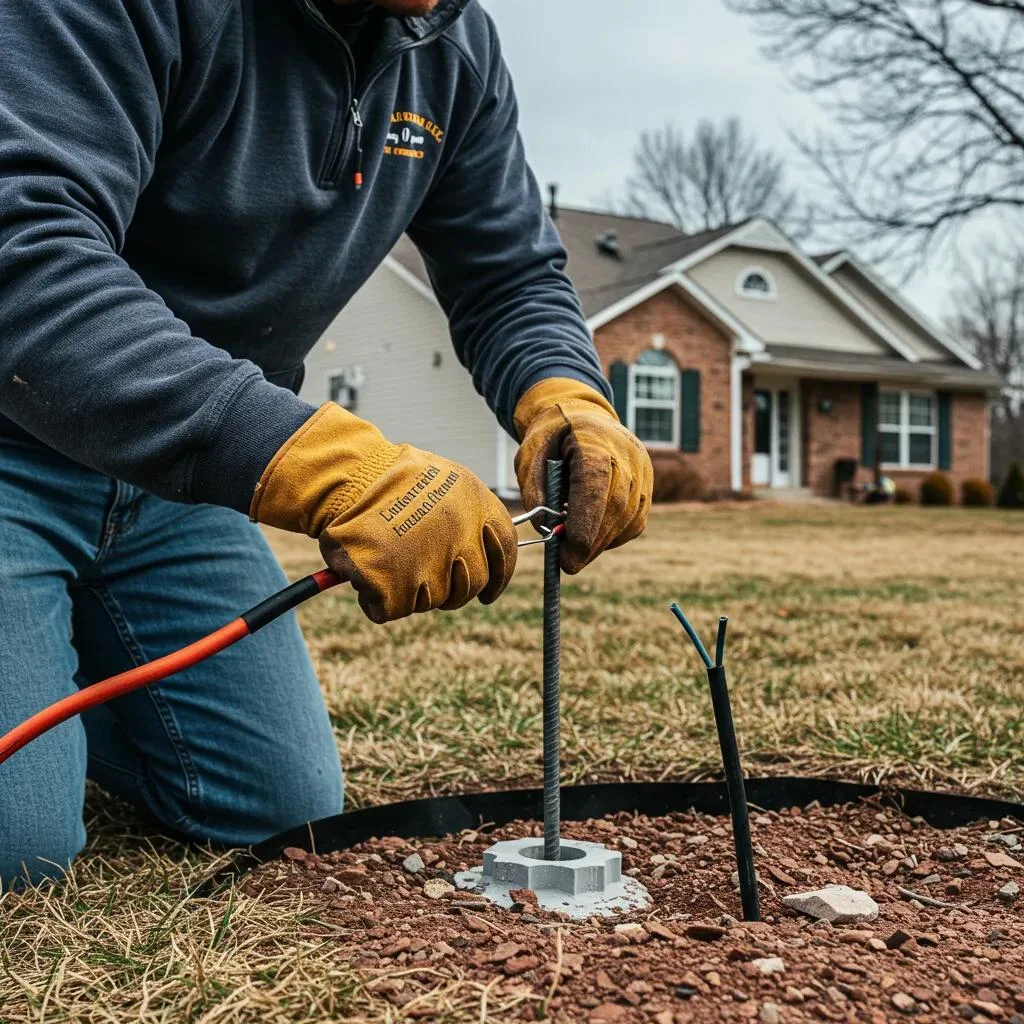
Electrical Grounding System Installation in Cedar Rapids, Iowa: Expert Solutions for Home and Business Safety
Electrical grounding connects a building’s electrical system to the earth, providing a safe, low-resistance path for stray currents and fault energy away from people, equipment, and structures. This article explains how grounding works, its importance for Cedar Rapids homes and businesses, and how it supports surge protection, fire prevention, and code compliance. Readers will learn to identify warning signs of poor grounding, understand NEC Article 250 and Iowa Administrative Code provisions, and compare grounding electrodes, bonding methods, and surge protection strategies. Practical guidance covers inspections, repair options, and how to request a free estimate or schedule service, focusing on technical clarity, safety, and actionable steps for property owners in Cedar Rapids.
Cedar Rapids Electricians: Expert Grounding System Installation
Electrical grounding creates a controlled path to earth, preventing dangerous voltage buildup and enabling protective devices to clear faults quickly. By offering a low-impedance route for fault currents, grounding reduces shock risk, limits equipment damage during transients, and ensures breakers or fuses operate as intended. Proper grounding also works with surge protective devices (SPDs) to divert transient energy from sensitive electronics, extending appliance life and stabilizing control systems. Benefits include improved occupant safety, reduced electrical fire risk, better protection for HVAC and smart-home equipment, and clearer documentation for property inspections, insurance, and resale.
What Is Electrical Grounding and How Does It Protect You?
Electrical grounding connects conductors and equipment to the earth via electrodes, directing fault currents predictably instead of through people or building materials. When a live conductor contacts a grounded metal part, the fault current flows into the grounding electrode conductor and earth, tripping overcurrent devices. For example, if a motor’s metal frame becomes energized, grounding ensures it doesn’t remain at a dangerous potential and the breaker clears the fault quickly. Understanding this mechanism highlights why continuity, bonding, and low resistance to ground are critical inspection targets.
Grounding and Bonding for Safety Control: An EMC Perspective
The subject of grounding has appeared several times in the preceding chapters. For example, in Chapter 5, on intrasystem EMI prediction and analysis, grounding had a major role relative to both common-mode coupling and ground-loop coupling. Chapter 6 covered the topics of cables and harnesses and the part played by the shield, including its grounding. Chapter 7 involved connectors, and showed that the shielding effectiveness of the connector was often predicted on the impedance of its bond (ground) to the frame. There are individual grounding requirements for buildings, shielded enclosures, equipments, and filters. Grounding appears deceptively straightforward, but it is one of the least understood EMC subjects. Improper grounding is a major contributor to intrasystem EMI problems (1, 3, 5).
How Does Proper Grounding Prevent Electrical Fires and Shocks?
Grounding prevents electrical fires and shocks by ensuring fault currents are rapidly detected and interrupted, reducing heating and arcing. A properly sized grounding conductor and bonded system create a path that generates enough current to trip protective devices; without it, energized metal parts can remain live, causing sustained arcing. Since many residential electrical fires stem from wiring faults and overloaded connections, proper grounding and bonding significantly reduce this risk. Grounding, combined with correct overcurrent protection and routine inspection, minimizes both shock potential and fire hazards.
What Are the Benefits of Grounding for Surge Protection and Appliance Longevity?

Grounding enhances surge protective devices (SPDs) by providing a low-impedance path for transient energy to dissipate into the earth, bypassing electronic components. When surges occur from utility switching, motor starts, or lightning, an SPD diverts excess energy to the grounding electrode system. A poor ground raises clamping voltage, leaving devices exposed. Protected items include HVAC control boards, home entertainment systems, and EV chargers. Effective grounding with SPDs reduces repair costs and replacement frequency, delivering measurable lifecycle savings for property owners.
How Does Grounding Impact Home Value and Insurance Compliance?
Documented, code-compliant grounding is a tangible asset on inspection reports, streamlining real-estate transactions and reducing insurer concerns. Buyers and inspectors look for three-prong outlets, visible bonded service equipment, and grounding electrode testing documentation. Missing or outdated grounding can trigger repair requests or price adjustments. Insurers often review claims in the context of compliance; work meeting NEC standards and local code reduces disputes. For homeowners, retaining records of grounding inspections, resistance measurements, and licensed installer details supports resale disclosures and insurance underwriting.
What Are the Signs Your Cedar Rapids Property Needs a Grounding System Upgrade?
Recognizing early signs of grounding problems prevents hazards and costly equipment damage. Indicators include ungrounded two-prong outlets, frequent breaker trips, persistent flickering lights, and evidence of old or DIY electrical work. Each symptom has specific causes and recommended actions. A simple tester can identify missing grounds, while persistent trips and flicker often point to loose neutrals, bonding failures, or deteriorated conductors. Timely inspection and corrective action by a licensed electrician reduce risk and restore compliant grounding.
| Symptom | Likely Cause | Recommended Action |
|---|---|---|
| Ungrounded two-prong outlets | Older wiring without a connected grounding conductor | Schedule a licensed grounding upgrade or install properly grounded receptacles |
| Frequent breaker trips or fuse blows | Overloaded circuits, loose connections, or fault current without proper grounding | Have an electrician perform load analysis and continuity/bonding tests |
| Flickering lights | Loose neutral/ground connections or shared neutrals causing voltage fluctuation | Inspect panel connections, bonding, and circuit integrity |
| Corroded or loose ground connections | Environmental corrosion or physical damage to electrodes/conductors | Replace corroded electrodes and reterminate conductors to code |
| Appliances showing shock sensation | Floating equipment grounds or missing bonding | Stop use and request immediate inspection and bonding repair |
How Do Ungrounded Outlets and Two-Prong Plugs Indicate Grounding Issues?
Two-prong outlets signal a missing or disconnected branch-circuit equipment grounding conductor, leaving metal cases and modern electronics without a protective earth reference. Homeowners can use an outlet tester for a preliminary check, but professional continuity and resistance measurements are essential. Using cheater adapters or relying on neutral-to-ground bonds creates safety and code compliance issues. A licensed electrician should evaluate options like rewiring, installing a grounding conductor, or replacing outlets with GFCI-protected receptacles where permitted. Timely corrective work restores proper protective paths and reduces shock risk.
Why Do Frequent Breaker Trips and Flickering Lights Signal Grounding Problems?
Frequent breaker trips or flickering lights can stem from transient overloads, loose connections, or improper neutral/ground bonding, causing unpredictable fault currents. Intermittent nuisance trips may indicate overloaded circuits or aging breakers, while persistent or arcing-related trips suggest hazardous faults needing immediate attention. Flicker often results from loose service or panel connections, increasing resistance and heat, elevating fire risk. Bonding problems can also create voltage instability. A professional inspection distinguishes between overloads, faulty devices, and grounding/bonding failures, recommending targeted repairs.
How Can Old Wiring and Electrical Hazards Affect Grounding Safety?
Aging wiring—like cloth-insulated cables, knob-and-tube, or degraded aluminum conductors—can compromise grounding integrity through insulation breakdown, corroded terminations, or missing equipment grounding conductors. Past DIY modifications may have left improper bonds, spliced ground wires, or disconnected electrode conductors, all undermining the system’s effectiveness. A comprehensive inspection of older wiring often reveals whether localized fixes or a substantial rewiring and grounding upgrade are needed to meet current safety standards. Upgrading aging systems restores reliable grounding and reduces long-term liabilities.
How Does the Iowa Electrical Code Regulate Grounding Systems?
The National Electrical Code’s (NEC) grounding and bonding requirements, primarily in NEC Article 250, form the technical baseline for safe electrode systems and conductor sizing. Iowa’s adoption and enforcement of these rules are reflected in the Iowa Administrative Code through permitting and inspection practices. Key regulatory elements include required grounding electrodes, conductor sizing, connection methods, bonding of metal systems, and the use of multiple electrodes for acceptable resistance. Installers must follow NEC rules, local inspector interpretations, site-specific soil conditions, and testing results to demonstrate safety and conformity.
What Are the Key Requirements of NEC Article 250 for Grounding in Iowa?
NEC Article 250 mandates a grounding electrode system with acceptable electrodes (e.g., ground rods, concrete-encased electrodes), specifies conductor sizing based on service capacity, and requires effective bonding of service equipment and metal piping. It details when multiple electrodes are necessary, durable connection methods, and the distinction between grounding and bonding. Practical application depends on site factors like soil resistivity and electrode spacing, so licensed electricians perform tests to confirm conformance. Understanding these core requirements helps property owners interpret inspection reports and the rationale behind repairs.
How Does the Iowa Administrative Code Enforce Grounding and Bonding Standards?
The Iowa Administrative Code enforces electrical safety standards through permit requirements, electrician licensure, and inspection protocols that verify installations meet adopted NEC provisions. Local building officials and electrical inspectors apply these rules during plan review and on-site inspections, sometimes requiring additional documentation or testing for complex electrode systems. Homeowners should provide installer credentials and test results during inspections; installers must follow permitting and record-keeping expectations. For clarifications, property owners should consult their local inspector’s office.
What Are the Minimum Ground Rod Requirements for Cedar Rapids Homes?
Typical practice starts with at least one listed ground rod driven to the code-required depth. A second rod is installed if measured resistance or soil conditions indicate the first rod alone is inadequate. Soil resistivity, rock presence, and local inspector preferences influence the number of rods or alternate electrodes needed. Since acceptance criteria vary and measurements are site-specific, professional testing with appropriate instruments determines if additional electrodes or different materials are necessary. Owners should rely on licensed electricians to perform these tests and document results for permits and future reference.
What Grounding Services Does Rewired Iowa Offer in Cedar Rapids?
Rewired Iowa provides focused grounding services for residential and commercial needs in Central Iowa, including ground rod installation, ground wire installation, grounding system inspection, electrical bonding, surge protection installation, and comprehensive grounding repairs and upgrades. Their approach combines licensed and insured electricians with transparent estimates and emergency response options. Rewired Iowa offers a 5-year workmanship guarantee, emphasizing upfront, fair pricing and fast, friendly service for Cedar Rapids property owners seeking reliable, code-compliant grounding work.
| Service | What’s included | Benefit/Outcome |
|---|---|---|
| Ground rod installation | Driving listed rods, connecting grounding electrode conductor, testing resistance | Establishes a dedicated earth electrode with test documentation |
| Ground wire installation | Routing and securing grounding electrode conductor to panel/service | Ensures low-impedance path and durable connections |
| Grounding system inspection | Visual checks, continuity and resistance testing, bonding verification | Identifies deficiencies and provides prioritized remediation plan |
| Electrical bonding services | Bonding water/gas piping and equipment enclosures to system | Eliminates potential differences and reduces shock risk |
| Surge protection installation | Whole-home SPD at service or panel, device coordination | Protects electronics and reduces cumulative equipment damage |
| Repairs and upgrades | Replace corroded electrodes, conductor repairs, panel bonding fixes | Restores code compliance and improves long-term safety |
How Is Electrical Grounding System Installation Performed by Licensed Electricians?
A licensed installation begins with a site assessment and resistance testing to determine electrode placement. This is followed by driving or placing the selected electrode(s) and routing the grounding electrode conductor to the service equipment. Installers make durable mechanical and exothermic connections, bond metallic systems per code, and perform continuity and resistance tests to validate performance. They then label and document the work for the owner and inspector. Timelines vary by property complexity, but installations are planned to minimize disruption while ensuring safe sequencing and verification. Final documentation and test results support permit sign-off and warranty claims.
What Does a Comprehensive Grounding System Inspection Include?

A comprehensive inspection combines visual evaluation of electrodes and connections with instrumented tests like continuity checks and ground resistance measurements. It also verifies bonding to water, gas, and equipment enclosures. Inspectors evaluate conductor sizing, panel terminations, and any corrosion or mechanical damage. The result is a prioritized repair list with expected corrective actions and estimated timelines, enabling informed decisions on fixes or upgrades. Documented inspection results are essential for permits, insurance records, and resale disclosures.
How Are Grounding System Repairs and Upgrades Handled?
Repairs address common issues like corroded electrodes, loose or undersized conductors, and missing bonds. Upgrades may involve adding electrodes, installing whole-home surge protectors, or replacing deteriorated components to meet current code. Decision criteria include measured resistance, visual condition, and service capacity. Electricians balance minimally invasive repairs with long-term reliability to recommend the appropriate scope. Projects are scheduled based on owner priorities, permitting, and safety urgency, concluding with testing and documentation. Transparent estimates and clear timelines help property owners plan financial and logistical details.
What Are the Benefits of Choosing Rewired Iowa’s 5-Year Workmanship Guarantee?
Rewired Iowa’s 5-year workmanship guarantee signifies their commitment to installation quality, covering follow-up repairs within the period. This complements licensing and insurance, offering added protection against installation defects. Homeowners should retain documentation and test results to support warranty claims. The guarantee reduces long-term uncertainty by ensuring a known remedy for workmanship issues, supporting prudent decision-making when selecting a local installer for grounding work.
How Do Ground Rod Installation and Electrical Bonding Work Together?
A grounding electrode system and robust bonding scheme form a coordinated safety network: electrodes provide the earth connection, while bonding links all conductive parts to the same electrical potential during faults. Together, they ensure fault current finds a low-resistance route and no metal part becomes a differing potential that could cause shock or arcing. Properly sizing conductors, selecting appropriate electrode materials, and making durable connections contribute to a reliable system that clears faults. These principles guide the choice of rod types and bonding practices based on soil, structure, and equipment layout.
| Rod Type | Material / Typical Length | Typical Resistance / When Used |
|---|---|---|
| Copper-clad steel rod | Copper-clad steel, 8 ft common | Low cost, durable; common first-choice in many soils |
| Galvanized steel rod | Galvanized steel, 8 ft | Less corrosion-resistant than copper-clad; used with caution |
| Concrete-encased electrode (Ufer) | Rebar in concrete foundation | Excellent permanent electrode for slab-on-grade homes |
| Plate electrode | Copper or galvanized plate buried | Used where driven rods are impractical or for supplemental electrodes |
What Types of Ground Rods Are Used in Cedar Rapids Grounding Systems?
Common electrode choices in Cedar Rapids include copper-clad rods, galvanized rods (budget-permitting), concrete-encased electrodes for new foundations, and plate electrodes for limited access sites. Installers also consider combined systems to meet resistance goals. Copper-clad rods offer corrosion resistance and are widely accepted. Concrete-encased and structural electrodes can provide lower resistance in certain soil profiles. Selection depends on driving feasibility, soil chemistry, and local code, with installers testing to verify performance.
How Does Electrical Bonding Connect Metal Parts for Safety?
Bonding connects metal water piping, gas piping, service enclosures, and other conductive systems to the grounding electrode system. This ensures all exposed conductive parts share a common potential during faults, reducing touch and step potentials and preventing dangerous differences between equipment. Bonding connections must be permanent, accessible for inspection, and sized per code to carry fault currents until overcurrent devices operate. Inspecting and testing bonds ensures continuity and confirms the entire metal infrastructure participates in the safety network.
What Is a Grounding Electrode System and Why Is It Necessary?
A grounding electrode system is the assembly of one or more electrodes and interconnecting conductors that create a building’s permanent connection to earth. It is necessary to safely dissipate lightning, switching transients, and fault energy, allowing protective devices to operate predictably. The system’s components—rods, plates, concrete-encased electrodes, bonding jumpers, and grounding conductors—must be designed and installed to minimize impedance and withstand environmental degradation. Professional design and testing ensure the system meets performance expectations and integrates properly with SPDs and other protective measures.
How Can Grounding and Surge Protection Safeguard Your Electronics?
Grounding and surge protection work together to reduce damage from transient overvoltages by directing excess energy away from electronic loads and stabilizing reference voltages. Whole-home surge protective devices (SPDs) clamp large transients at the service entrance, channeling them into the grounding electrode system, while point-of-use SPDs provide secondary protection. For maximum effectiveness, SPDs require a solid, low-impedance grounding conductor and coordination with downstream devices. This layered approach reduces cumulative damage to computers, HVAC controls, and other expensive electronics, leading to long-term cost savings.
What Is a Whole Home Surge Protector and How Does It Work?
A whole-home surge protector is a service-entrance or main-panel device that detects and clamps overvoltage transients, diverting surge current to the grounding system instead of through branch circuits. It limits voltage seen by connected equipment and routes excess current to ground. Its lifespan depends on exposure to events and device specifications. Proper placement at the service entrance provides first-line defense, and combining it with point-of-use protectors offers layered protection. Regular inspection and testing ensure the device remains within specification for reliable defense.
Why Is Grounding Critical for Lightning and Power Surge Protection?
Grounding is critical because without a low-impedance path to earth, large transient currents from lightning or utility surges can seek alternative routes through wiring and equipment, causing catastrophic damage. While no system guarantees absolute protection from a direct lightning strike, appropriately designed grounding combined with SPDs, bonding, and structural mitigation substantially lowers equipment loss probability. Grounding reduces peak voltages, helping SPDs clamp more effectively and keeping voltages within survivable ranges for electronics. For high-risk installations, combined measures like air terminals and down-conductors may be considered.
How Does Proper Grounding Extend the Life of Sensitive Electronics?
Proper grounding reduces cumulative stress from small, recurring transients by providing a predictable path for excess energy. This prevents incremental degradation of circuit components and maintains stable reference voltages for sensitive analog and digital systems. Devices like computers, HVAC controls, security panels, and EV charging equipment are vulnerable to repetitive micro-events that shorten service life. Stable grounding plus SPDs lowers the frequency and magnitude of these stress events. Over time, this translates into fewer failures, reduced downtime, and lower total cost of ownership for electronics-intensive homes and businesses.
How Can You Request a Free Estimate for Electrical Grounding in Cedar Rapids?
Requesting an estimate is a three-step process: prepare basic property and symptom information, contact the service provider to schedule an on-site assessment, and review the written estimate. For faster quoting, gather your address, a brief description of issues (e.g., two-prong outlets, trips, flicker), panel photos, and panel/service age if known. Expect a licensed electrician to perform visual and instrumented inspection, provide prioritized recommendations, and offer an upfront estimate with repair or upgrade options. Clear documentation and transparent pricing help you compare options and plan permitting and scheduling.
- Address and access details: Exact property location and any entry instructions.
- Symptoms and history: Short description of problems, when they began, and any recent electrical work.
- Photos or video: Clear images of the service panel, outlets, and suspect areas speed diagnosis.
- Panel information: Age, rating, and any labels for existing equipment.
What Information Is Needed to Schedule a Grounding Service Estimate?
To schedule a focused estimate, provide the property address, a concise description of symptoms (ungrounded outlets, trips, flicker), and photos of the main electrical panel and any suspect outlets if possible. For commercial sites, include access constraints, operating hours, and safety protocols. This information helps the electrician prepare appropriate testing equipment and assess if a permit or additional crew is likely. Supplying clear details upfront accelerates the inspection and leads to a more precise and transparent estimate.
How Does Rewired Iowa Provide Fast, Friendly, and Upfront Pricing?
Rewired Iowa emphasizes transparent estimates, licensed and insured electricians, and a 5-year workmanship guarantee to instill confidence in pricing and quality. Their approach includes a clear scope of work, itemized recommendations, and upfront discussion of scheduling, permitting, and timelines. Customers receive a written estimate after inspection detailing recommended repairs or upgrades. Fast, friendly service and documentation support a straightforward decision process, and the guarantee provides follow-up assurance for workmanship-related issues. Contact Rewired Iowa today!

John Senn is a licensed Master Electrician based in Des Moines, Iowa with over 20 years of hands‑on experience serving homes and businesses across the state. He specializes in electrical panel upgrades, whole‑home generator installations, EV charger setups, and 24‑hour emergency service. As the owner of a growing team of certified electricians, John has built a reputation for safe, code‑compliant work and practical solutions that keep Iowa families and businesses powered up. His deep knowledge of Iowa’s electrical codes and his commitment to ongoing training make him a trusted voice in the trade and a go‑to expert for reliable electrical work in Des Moines and beyond.