Electrical safety is an imperative priority for every homeowner, as outdated or unsafe wiring presents significant hazards, including devastating electrical fires and life-threatening shocks. Recognizing the critical signs that your home’s wiring may be compromised is essential for safeguarding your property and loved ones. This authoritative guide provides expert insights to help you identify these warning signs, underscores the necessity of regular professional inspections, and offers practical, expert-backed recommendations to ensure your home’s electrical system complies with the highest safety standards. By promptly addressing symptoms of faulty wiring, you can decisively protect your home and family from preventable dangers. We will comprehensively examine common indicators of outdated wiring, outline how to conduct thorough safety inspections, and clarify when it is essential to engage a licensed electrician for expert evaluation and remediation.
Signs that indicate a home’s wiring is outdated or unsafe include:
Several definitive signs can reveal that your home’s wiring is outdated or unsafe. Early recognition of these indicators is crucial to prevent severe hazards and maintain a secure living environment.
- Flickering or Dimming Lights: This symptom often signals an overloaded circuit or loose connections, conditions that demand immediate professional assessment.
- Frequent Circuit Breaker Trips: Repeated tripping of circuit breakers is a clear indication of overloaded circuits or potentially hazardous wiring faults.
- Warm or Discolored Outlets: Outlets that are warm to the touch or exhibit discoloration are strong indicators of overheating, posing a significant fire risk that requires urgent attention.
Importance of Regular Inspections
Regular, comprehensive electrical inspections conducted by qualified professionals are indispensable for maintaining a safe home environment. These inspections proactively identify and mitigate potential electrical hazards before they escalate into critical safety issues.
- Prevent Shocks or Fires: Systematic inspections detect wiring defects that could lead to electrical shocks or catastrophic fires.
- Ensure Compliance with Modern Demands: As electrical consumption increases, older wiring systems often fail to meet contemporary safety and performance standards.
- Document for Insurance or Resale: Up-to-date inspection records are essential for insurance validation and enhance property value during resale.
Recommendations for Homeowners
Homeowners must adopt a proactive stance to guarantee their electrical systems are safe and compliant. The following expert recommendations are critical:
- Schedule Annual Inspections: Engage licensed electricians to perform thorough annual inspections, ensuring early detection and correction of electrical issues.
- Document Symptoms of Electrical Problems: Maintain detailed records of any electrical anomalies, such as flickering lights or frequent breaker trips, to assist professionals in diagnosis.
- Rely on Licensed Electricians: Always employ licensed electricians for all electrical work and inspections to ensure adherence to safety codes and standards.
What Are the Common Signs of Faulty or Outdated Home Wiring?
Identifying common signs of faulty or outdated wiring is vital for homeowners committed to electrical safety. These indicators provide clear evidence that your electrical system requires expert evaluation.
- Flickering Lights: This often reflects underlying wiring defects or issues with the light fixtures themselves.
- Burning Smells: Unusual odors are a serious warning of overheating wires or compromised connections that demand immediate professional investigation.
- Old Fuse Boxes: The presence of a fuse box instead of a modern circuit breaker panel is a strong signal that your electrical system is outdated and requires upgrading.
Flickering Lights and Breaker Trips: Warning Signs of Wiring Problems
Flickering lights and frequent circuit breaker trips are symptomatic of critical wiring problems that must be addressed by qualified professionals.
- Voltage Drops: Flickering lights often result from voltage drops caused by overloaded circuits or deteriorated connections.
- Loose Connections: Intermittent power supply due to loose wiring connections can cause flickering and pose fire hazards.
- Overloaded Circuits: Frequent breaker trips indicate circuit overloads, which can lead to dangerous overheating and increase the risk of electrical fires.
What Visible Damage Should Homeowners Look for in Electrical Wiring?
Homeowners should conduct regular visual inspections for visible damage, which are critical indicators of electrical hazards:
- Frayed Wires: Exposed or damaged wires represent an immediate safety threat and require urgent professional repair.
- Burn Marks: Discoloration or burn marks around outlets or switches are clear signs of overheating and potential fire risk.
- Sparking Outlets: Outlets that spark during use are unequivocal evidence of faulty wiring necessitating immediate expert intervention.
How Can Homeowners Perform a Basic Electrical Wiring Safety Inspection?

Performing a basic electrical wiring safety inspection is a prudent step for homeowners to identify potential issues early. Follow these expert-recommended steps:
- Turn Off Power: Always ensure the power supply is completely turned off before inspecting any wiring to prevent electrical shock.
- Visual Inspection: Carefully examine all visible wiring for signs of damage, including frayed wires and burn marks.
- Test Outlets: Utilize a reliable voltage tester to verify that outlets are functioning correctly and delivering appropriate voltage levels.
What Steps Are Included in a Home Electrical Wiring Inspection Checklist?
A detailed electrical wiring inspection checklist ensures comprehensive coverage of all critical safety aspects. Essential steps include:
- Visual Check: Inspect all accessible wiring for wear, damage, or signs of deterioration.
- Test Outlets: Confirm that all outlets operate correctly and are properly grounded to prevent shock hazards.
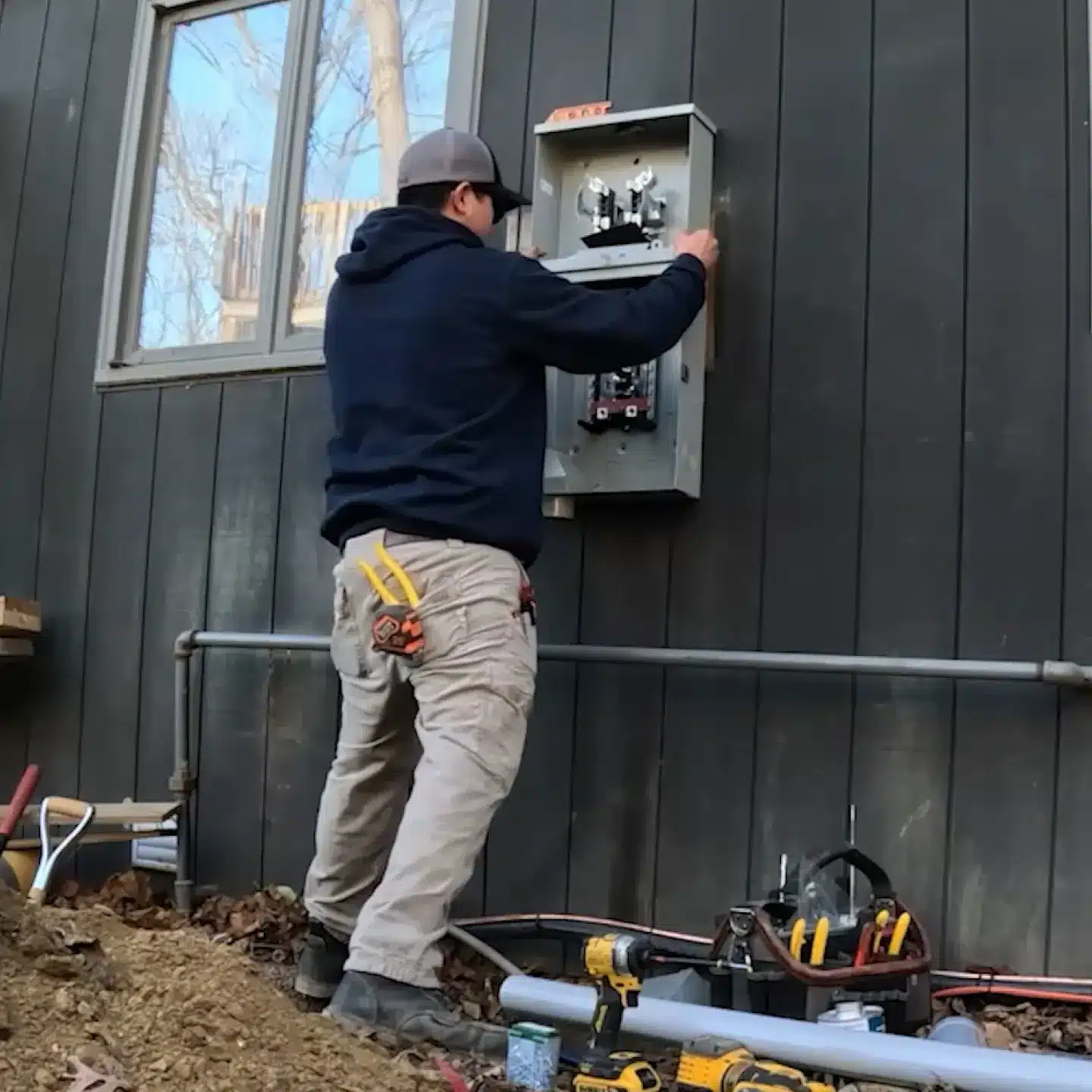
- Inspect Circuit Breaker Panel: Examine the panel for signs of overheating, corrosion, or physical damage that could compromise safety.
When Should You Call a Licensed Electrician for a Professional Assessment?
Engaging a licensed electrician for a professional assessment is imperative when encountering the following signs:
- Flickering Lights: Persistent flickering is a serious indicator of wiring faults requiring expert diagnosis.
- Burning Smells: Any unusual odors must be investigated immediately to prevent fire hazards.
- Old Fuse Boxes: Outdated fuse boxes should be replaced promptly with modern circuit breaker panels to ensure safety and compliance.
What Are the Risks of Ignoring Outdated or Unsafe Wiring in Your Home?
Neglecting outdated or unsafe wiring exposes your home to severe risks, including:
- Electrical Fires: Faulty wiring is a leading cause of residential electrical fires, which can result in catastrophic property loss and endanger lives.
- Shock Hazards: Damaged wiring significantly increases the risk of electrical shock to occupants, posing serious health threats.
- Property Damage: Electrical malfunctions can cause extensive damage to your home’s structure and personal belongings.
How Does Faulty Wiring Increase the Risk of Electrical Fires and Shocks?
Faulty wiring elevates the risk of electrical fires and shocks through several hazardous mechanisms:
- Overheating: Poor connections and damaged wires generate excessive heat, which can ignite surrounding materials.
- Arcing: Electrical arcing caused by faulty wiring is a common and dangerous ignition source for fires.
- Overloaded Circuits: Circuits that exceed their capacity frequently trip breakers and can overheat, significantly increasing fire risk.
What Do Recent Electrical Safety Statistics Reveal About Wiring Hazards?
Recent authoritative statistics underscore the critical importance of addressing wiring hazards in residential properties:
- Homes Built Before the 1980s: A substantial number of homes constructed prior to this period contain wiring systems that fail to meet current safety standards.
- Outdated Wiring Risks: Properties with outdated wiring are demonstrably more susceptible to electrical fires and related hazards.
- Importance of Inspections: Regular, professional inspections are proven to effectively identify and mitigate these risks, enhancing occupant safety.
Ongoing research continues to emphasize the necessity of rigorous residential electrical safety protocols and the certification of wiring systems to prevent accidents.
Residential Electrical Wiring Safety & Certification
old had this certificate, primarily because they involved CEWP or CEWI in their electrical wiring
Invisible threats: An investigation of electrical hazards and safety practices among residential electricity consumers, F Kulor, 2024
When and How Should Homeowners Upgrade or Replace Their Electrical Wiring?
Homeowners must consider upgrading or replacing their electrical wiring under the following critical conditions to ensure safety and compliance:
- Frequent Breaker Trips: Recurrent circuit breaker trips indicate that existing wiring is insufficient for current electrical demands and requires immediate professional evaluation.
- Old Wiring Types: Homes equipped with aluminum wiring or knob-and-tube wiring must be upgraded to modern, safer wiring systems without delay.
- Consult Licensed Electrician: Always seek the expertise of a licensed electrician to thoroughly assess your wiring and recommend necessary upgrades or replacements.
What Are the Key Indicators That It’s Time to Replace Home Wiring?
Several definitive indicators signal the urgent need to replace your home wiring:
- Flickering Lights: Persistent flickering is a hallmark of serious wiring deficiencies requiring immediate attention.
- Warm Outlets: Outlets that are warm to the touch are symptomatic of dangerous overheating conditions.
- Old Fuse Boxes: The continued use of outdated fuse boxes necessitates prompt replacement with modern circuit breaker panels to ensure safety and code compliance.
How Does Upgrading Electrical Panels Improve Home Safety and Compliance?

Upgrading electrical panels is a critical investment that substantially enhances home safety and ensures compliance with the latest electrical codes and standards:
- Increased Safety: Modern electrical panels are engineered to safely manage higher electrical loads, reducing the risk of overload and fire.
- Higher Capacity: Upgraded panels provide the capacity to support additional circuits, accommodating modern household electrical demands.
- Code Compliance: Installing new panels guarantees that your home meets or exceeds current electrical safety regulations, providing peace of mind and legal compliance.
For homeowners in Iowa seeking authoritative and reliable electrical services, Rewired Iowa delivers comprehensive solutions to ensure your home’s electrical system is safe, efficient, and fully compliant with all applicable codes.
Understanding the paramount importance of electrical safety is essential, and regular inspections by certified professionals are the cornerstone of preventing potentially catastrophic hazards.
When it comes to securing your home’s electrical integrity, consulting with licensed electricians is not just recommended—it is indispensable for ensuring safety, compliance, and peace of mind.

John Senn is a licensed Master Electrician based in Des Moines, Iowa with over 20 years of hands‑on experience serving homes and businesses across the state. He specializes in electrical panel upgrades, whole‑home generator installations, EV charger setups, and 24‑hour emergency service. As the owner of a growing team of certified electricians, John has built a reputation for safe, code‑compliant work and practical solutions that keep Iowa families and businesses powered up. His deep knowledge of Iowa’s electrical codes and his commitment to ongoing training make him a trusted voice in the trade and a go‑to expert for reliable electrical work in Des Moines and beyond.