
Smart Home Wiring Installation in Des Moines
Smart home wiring ties a house’s electrical and low‑voltage systems into a single, dependable platform that improves safety, comfort, and long‑term reliability for Des Moines homes and small businesses. This guide explains what smart wiring is, why structured low‑voltage cabling matters, which devices usually need professional wiring, and what local costs and timelines look like. Homeowners often run into flaky Wi‑Fi, surprise retrofit charges, or installs that don’t meet code — licensed electricians solve those issues by combining code‑compliant low‑voltage runs with correct power provisioning. Below you’ll find plain explanations of common services, the main homeowner benefits, a clear comparison table, transparent cost drivers with an EAV‑style breakdown, and a step‑by‑step planning and installation process. We’ll also note Des Moines considerations like seasonal HVAC loads and typical housing stock so you know what to expect locally.
What Are Smart Home Wiring Installation Services in Des Moines?
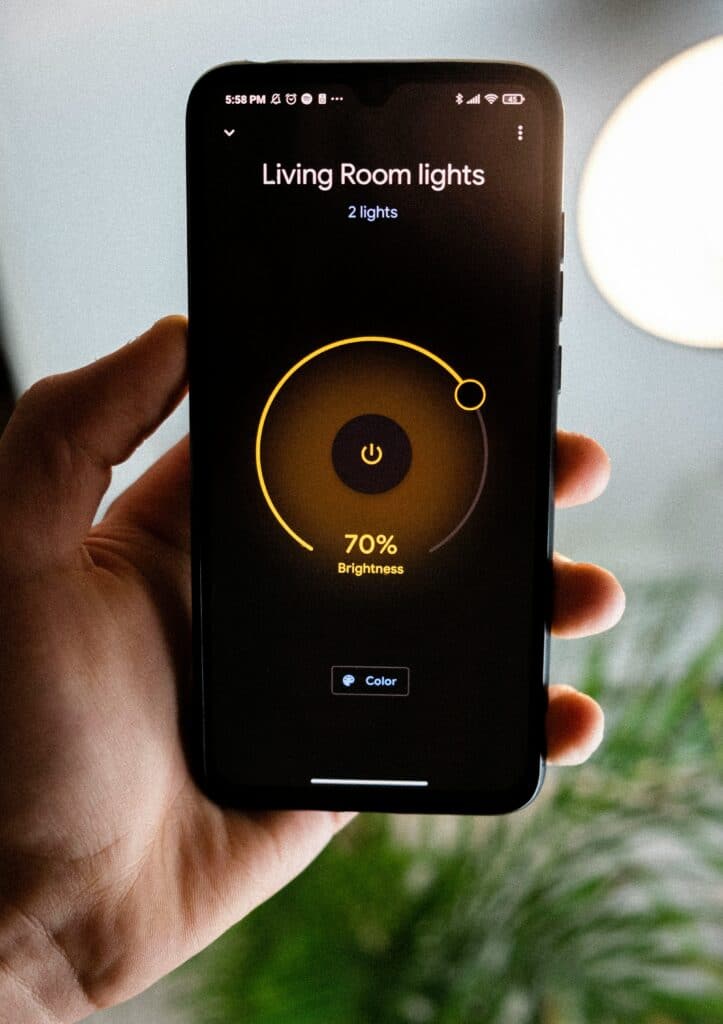
Smart home wiring installation means licensed electricians handle both low‑voltage and line‑voltage work so your home is set up for reliable automation. That includes power, data, and device connections for smart lighting, thermostats, security, and entertainment systems. Proper wiring reduces dropouts, enables Power over Ethernet (PoE) for cameras and access points, and ensures code‑compliant power for hardwired smart devices — creating stable networks for Google Home, Amazon Alexa, and Apple HomeKit. In Des Moines, typical services include structured cabling, dedicated camera and sensor runs, smart lighting circuits, and safe power provisioning for hubs and controllers. The next section lists common services with short install notes to help you match needs to scope.
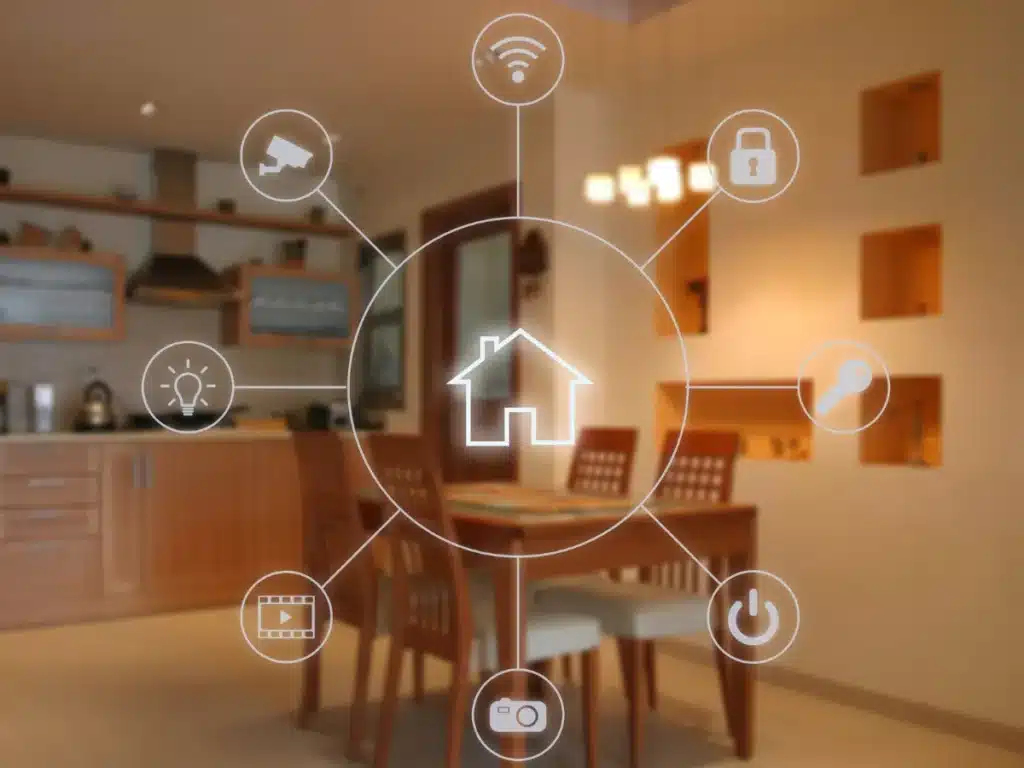
Smart Home Technology: Automating Everyday Tasks
A smart home uses computing and communication technology to automate routine tasks and make daily life easier for occupants.
Which Smart Home Systems and Devices Do We Install?
Smart wiring supports categories like thermostats, lighting controls, cameras, and access hardware — devices that need either data (low‑voltage) or line‑voltage power and benefit from proper wiring for consistent performance. The notes below highlight wiring points and platform compatibility to help you plan.
- Thermostats: Correct wiring (including a C‑wire when required) and hub integration prevent resets and improve HVAC responsiveness.
- Smart lighting: May need line‑voltage dimmer circuits or low‑voltage LED drivers; separate lighting circuits help balance loads.
- Video doorbells and cameras: Wired PoE feeds or dedicated low‑voltage runs lower latency and improve uptime versus Wi‑Fi‑only options.
- Smart locks and garage controls: Require secure low‑voltage power and properly routed wiring to ensure consistent operation and safety.
These device details help you evaluate retrofit complexity and plan locations before requesting a quote — which brings us to why structured cabling matters.
How Does Low Voltage Wiring Support Smart Home Automation?
Low‑voltage wiring — Ethernet drops, PoE lines, and dedicated coax or sensor runs — is the backbone of dependable smart systems. It separates data and device power from shared Wi‑Fi, reduces signal contention, and lets you segment IoT devices on their own networks. That matters most in homes with many cameras, streaming devices, or complex automation scenes. Structured cabling also future‑proofs the house: adding a few extra drops during install is far cheaper than cutting walls later, and it centralizes switches, patch panels, and UPS‑backed network gear. Compared with Wi‑Fi‑only setups, a wired backbone makes troubleshooting easier and lowers latency for scenes and automations — a practical investment if you plan to expand or rely on smart features long term.
Smart Home Domain: Home Area Networks for Device Integration
In a smart home, the home area network (HAN) ties devices and services together so they can reliably communicate with each other and with you.
What Are the Key Benefits of Smart Home Wiring for Des Moines Homeowners?
Smart home wiring delivers measurable improvements in energy use, safety, daily convenience, and resale appeal by giving automation systems a reliable electrical and data backbone. The biggest gains come from precise device control and predictable connectivity that improve HVAC efficiency, reduce false security alerts, and enable automation scenes that simplify everyday routines. Below are the top outcomes most Des Moines homeowners see after professional wiring, followed by a comparison table to help you prioritize upgrades.
Smart wiring also has local benefits: structured cabling and correctly installed thermostats help manage seasonal heating and cooling in Des Moines, and wired security devices stay dependable through winter storms and power cycles.
Smart home wiring delivers four main homeowner benefits:
- Energy savings and tighter climate control through wired smart thermostats and whole‑home zoning.
- Greater security reliability with wired cameras, doorbells, and alarm sensors that reduce missed events.
- Smoother daily routines from automated lighting and voice integrations that speed common tasks.
- Higher resale appeal when wiring and documentation show a professional, code‑compliant install.
| System or Device | Primary Benefit | Typical Value or Impact |
|---|---|---|
| Smart Thermostat | Energy savings and improved comfort | 8–12% HVAC savings annually with effective zoning |
| Smart Lighting (wired) | Precise control and reduced phantom load | Lower lighting energy use; schedules save hours/week |
| Wired Cameras / Doorbells | Reliable monitoring & fewer dropouts | Continuous recording confidence, lower maintenance |
| Structured Cabling / Ethernet drops | Network reliability & future‑proofing | Enables PoE cameras, wired streaming, and fast troubleshooting |
Use this comparison to decide which upgrades give the most operational or financial return and to help prioritize work when planning your smart wiring project.
How Does Smart Wiring Improve Energy Efficiency and Reduce Costs?
Smart wiring improves efficiency by supporting reliable thermostats, zoned HVAC control, and scheduled lighting that react to occupancy and weather — cutting run time and peak loads on heating and cooling systems. Wired thermostats with constant power support adaptive schedules, remote setbacks, and integration with whole‑home energy monitors that reveal usage patterns and suggest savings. Pairing a wired thermostat with zoned dampers or smart vents reduces conditioning of unoccupied rooms; wired occupancy sensors and lighting automation stop lights from being left on in seldom‑used spaces. These features compound into real savings over time and can shorten the payback period on the wiring investment.
In What Ways Does Smart Wiring Enhance Home Security and Convenience?
A professionally wired security setup increases detection reliability and cuts false alarms by using direct sensor connections, PoE cameras, and prioritized network segments for security traffic. Wired cameras and doorbells hold recordings through network congestion and can run from a centralized UPS during short outages for continuous monitoring and better forensic retention. Convenience features — arriving/leaving automations, voice scenes, and integrated lighting — rely on stable connections to work consistently, so wiring adds predictability to daily routines. These gains also make a home more attractive to buyers and can simplify conversations with insurance providers.
How Much Does Smart Home Wiring Installation Cost in Des Moines?
Costs in Des Moines vary by scope: simple retrofits for a few devices often land in the low hundreds to a few thousand dollars, while whole‑home structured cabling and full device installs commonly fall in the several‑thousand to mid‑four‑figure range depending on device count and network upgrades. Labor and retrofit complexity — especially wall fishing — are the biggest cost drivers, followed by device types, permits, and any electrical panel or network upgrades. The table below breaks down cost factors so you can see what typically pushes quotes up or down. After the table we explain how to read line‑item quotes when comparing bids.
Typical cost ranges to consider include:
- Basic device wiring and one or two Ethernet drops: lower hundreds up to about $1,000.
- Mid‑range projects with multiple cameras, lighting circuits, and several drops: $1,500–$4,000.
- Whole‑home structured cabling, a dedicated network closet, and full integration: $4,000+.
| Cost Factor | What It Covers | Typical Range or Impact |
|---|---|---|
| Labor & Access Complexity | Fishing walls, attic/garage access | Moderate to high (major driver) |
| Device Quantity & Type | Cameras, smart locks, thermostats, lighting | $100–$600 per device (varies) |
| Network Upgrades | Switches, patch panels, PoE switches | $200–$2,000 depending on scale |
| Retrofit vs New Construction | Ease of access vs wall work | Retrofit increases labor and time |
Understanding these cost drivers helps homeowners budget realistically and weigh retrofit trade‑offs against the savings of new‑construction prewiring.
What Factors Influence the Cost of Smart Home Installation?
Several variables change price: retrofit versus new build, the number of Ethernet drops and PoE feeds, device brands and types, and any electrical work like dedicated circuits or panel upgrades. Retrofits that require drywall repair or attic access increase labor and materials, while prewired new builds avoid much of that cost and lower per‑device labor. Investing in a quality network backbone — managed switches, UPS protection, and a professionally terminated patch panel — raises upfront cost but cuts long‑term maintenance and outage risk. Permitting, inspections, and integration complexity (for example, tying into legacy systems or enterprise‑grade security) also add time and expense. Ask for line‑item quotes so you can compare tradeoffs clearly.
How Does Rewired Iowa Provide Upfront and Fair Pricing?
Rewired Iowa Electrician in Des Moines builds estimates around transparency and clear documentation. We provide written, line‑item proposals that separate labor, materials, and device costs so you can compare options without guesswork. We offer free estimates that document retrofit complexity, planned Ethernet drops, and recommended network upgrades. Device manufacturers keep their warranties while our workmanship protection covers installation quality. That way you see exactly what drives price differences — especially retrofit labor versus new‑construction savings — and can prioritize upgrades that deliver the strongest long‑term value.
Essential Benefits of Smart Home Wiring for Des Moines Homeowners
Our process moves a project from idea to a tested, documented system with predictable timing and clear responsibilities. We start with a consultation and site assessment to map existing wiring, test network performance, and capture your goals. Next we create a design and written quote showing options. Installation follows with safety checks and device wiring. Finally, we test, train you on basics, and hand over documentation and support. The numbered list below summarizes the phases, and the table maps each step to expected deliverables and timing so you can plan around your schedule.
- Consultation and site assessment to map existing wiring and define goals.
- Design and written quote with line‑item pricing and upgrade recommendations.
- Installation of structured cabling, device wiring, and network hardware.
- Testing, commissioning, homeowner walkthrough, and post‑install support.
| Phase | Deliverable | Expected Outcome / Timing |
|---|---|---|
| Consultation | Site report & device list | 1–2 days to schedule; assessment completed same day |
| Design & Quote | Written line‑item estimate | 2–5 business days for detailed proposals |
| Installation | Cabling, terminations, device wiring | 1–5 days depending on project scope |
| Support & Warranty | Testing, documentation, warranty enrollment | Immediate testing; warranty documentation on completion |
Having the steps and expected timing laid out helps you coordinate access, schedule installers, and set realistic expectations. Next we explain how our consultations are customized to your home and goals.
How Do We Consult and Customize Your Smart Home Setup?
Our consultation focuses on existing wiring, Wi‑Fi health, and your priorities so we can recommend a plan that balances budget and long‑term reliability. We measure signal coverage, mark preferred device locations, and note any existing hubs or panels. Where reliability matters most — cameras, streaming hubs, main living‑area lighting controls — we recommend structured cabling, PoE options, IoT network segmentation, and UPS protection in the network closet. The result is a customized plan listing needed drops, circuit changes, and device wiring with estimated labor and materials to streamline the written quote and scheduling.
What Happens During Installation and Post-Installation Support?
During installation, our licensed electricians perform code‑compliant wiring, label terminations at patch panels, and coordinate low‑voltage runs with any required line‑voltage circuits for lighting and HVAC controls. We run safety checks and circuit testing to ensure compliance and reliability. After the physical work, technicians commission devices, configure switches for PoE where needed, and run end‑to‑end tests of automation scenes under normal and backup‑power conditions. You’ll get a walkthrough with documentation — cable run maps, panel labels, and basic troubleshooting steps — plus clear instructions for reaching support for warranty service or tuning. That post‑install support reduces maintenance friction and gives you documented assurance of system status.
Why Choose Rewired Iowa Electrician for Smart Home Wiring in Des Moines?
Choosing a local, licensed electrician matters because smart wiring touches electrical code, safety standards, and low‑voltage best practices. Professional oversight lowers fire risk, prevents device damage, and keeps systems dependable. Rewired Iowa Electrician is family‑owned and staffed by licensed electricians who follow code‑compliant procedures, provide fast, friendly service, and offer upfront, fair pricing plus a five‑year workmanship guarantee. We’re BBB‑accredited and a Generac Certified Dealer — helpful if you’re considering backup power or generator‑integrated automation. The short list below highlights trust signals homeowners should look for, followed by a brief note about our five‑year workmanship guarantee.
- Licensed electricians ensuring code‑compliant, safe installations.
- Family‑owned local service with fast response and 24/7 availability for urgent electrical needs.
- Upfront, line‑item pricing and a 5‑year workmanship guarantee on installations.
- BBB accreditation and Generac Certified Dealer status as added credibility.
These trust points matter because licensed, locally accountable electricians reduce project risk and offer clearer recourse if issues arise. Our five‑year workmanship guarantee covers installation‑related defects and gives homeowners a clear window to have issues corrected without guesswork.
What Makes Our Licensed Electricians and Family-Owned Business Unique?
As a family‑owned local electrician, we prioritize responsiveness and long‑term relationships. Our licensed team handles both line‑voltage and low‑voltage work so smart wiring is integrated safely and tested under real loads. That single‑team approach avoids contractor handoffs and simplifies warranty and troubleshooting — valuable when you want one accountable party for planning and execution. Local licensing and experience also speed permits and inspections, keeping projects on schedule and compliant with municipal code.
How Does Our 5-Year Workmanship Guarantee Benefit You?
Our five‑year workmanship guarantee shifts long‑term installation risk away from you by covering defects in how the work was performed — for example, mis‑terminated cabling or installation technique issues — while device manufacturers’ warranties still cover hardware failures. That coverage provides peace of mind, reduces surprise repair costs, and encourages prompt corrective service under simple, documented terms. If issues arise, contact us with your project documentation and we’ll prioritize diagnosis, remediation, and transparent scheduling so your system keeps performing reliably.
What Are the Most Common Questions About Smart Home Wiring in Des Moines?
Homeowners typically ask about timelines, whether wiring adds property value, and how to prepare for an install. The quick Q&A below gives practical answers to help you plan next steps. After the answers there’s a short checklist to speed up your consultation and assessment.
- How long does a typical small retrofit take from assessment to completion?
- Can smart wiring increase my property value and which upgrades offer the best ROI?
- What should I prepare before the installer arrives to reduce onsite time?
These questions point straight to timelines and prep tasks that reduce delays and let technicians work more efficiently.
How Long Does Smart Home Wiring Installation Take?
Small retrofits — a handful of devices and a few Ethernet drops — usually finish within a day or two of onsite work after the consultation and design. Whole‑home structured cabling and full device integration commonly take several days to a week depending on house size and complexity. Items that extend timelines include permitting, drywall patching and finishing, limited attic or crawlspace access, and coordinating with other trades on new construction. You can speed the process by picking device locations in advance, confirming access to wiring routes, and scheduling a single block of time for installers. Sharing details about your existing router, switches, and vendor platforms also shortens configuration time during commissioning.
Reliable Home Automation Networks with Wired and Optical Technologies
Reliable home automation combines wired, optical, and wireless technologies so devices can perform automation tasks consistently.
Can Smart Home Wiring Increase My Property Value?
Professionally installed smart wiring and clear documentation can increase perceived home value by showing buyers the automation is reliable, upgradeable, and professionally maintained. High‑ROI upgrades usually include smart thermostats with zoning, professionally installed security systems with wired cameras, and whole‑home structured cabling that supports strong networking. These features reduce buyer concerns about flaky wireless setups and hidden retrofit costs. For the best resale benefit, keep system layouts and installation receipts so appraisers and buyers can verify the quality and scope of the wiring.
Preparation checklist for your consultation:
- Identify rooms and device locations you want automated.
- Note current router/switch locations and ISP details.
- List any existing wired infrastructure or known dead spots.
- Decide on must‑have features versus nice‑to‑have items.
This checklist streamlines the assessment and gives a clear scope for electricians in des moines for your home, helping ensure the quote matches your expectations and reduces scope creep.
Frequently Asked Questions
What are the common challenges homeowners face with smart home wiring?
Common challenges include unreliable Wi‑Fi that causes device dropouts, the complexity and cost of retrofitting existing homes, and uncertainty about whether installations meet local code. Retrofits can uncover unexpected work like drywall repair or attic access, which raises costs. Getting professional guidance early helps you avoid costly surprises and ensures a safe, code‑compliant install.
How can I prepare my home for a smart wiring installation?
To prepare, decide which rooms and devices you want automated, note where your router and switches live, and identify any existing wired infrastructure or dead spots. Prioritize must‑have features versus nice‑to‑have items so the consultation can focus on what matters most. Doing this ahead of time shortens the onsite assessment and helps produce an accurate quote.
What types of warranties are typically offered with smart home wiring installations?
Warranties vary, but reputable electricians usually offer a workmanship guarantee — often five years — covering installation defects. Device manufacturers provide separate hardware warranties that vary by product. Review both the installer’s workmanship terms and manufacturer warranties so you know what’s covered and how to file a claim.
Can I install smart home wiring myself, or should I hire a professional?
While some homeowners attempt DIY installs, smart home wiring mixes low‑voltage and line‑voltage work that must meet local electrical code for safety and reliability. Hiring a licensed electrician reduces the risk of wiring errors, device malfunctions, or safety hazards — and usually includes warranty protection for the work performed.
What are the long-term benefits of investing in smart home wiring?
Long‑term benefits include better energy efficiency from reliable thermostats and lighting automation, improved security with wired cameras and sensors, and potential property value gains from professional, well‑documented installs. You also get a robust infrastructure that supports future upgrades without costly retrofits.
How does smart home wiring impact home insurance premiums?
Smart wiring can positively affect insurance premiums by improving security and reducing risk. Insurers may offer discounts for professionally installed security systems and updated wiring that meets current safety codes. Tell your insurance company about upgrades so you receive any eligible discounts.
Conclusion
Smart home wiring in Des Moines delivers better energy efficiency, stronger security, and greater resale appeal through reliable automation. Investing in professional installation gives your home a solid infrastructure for today’s devices and tomorrow’s upgrades. It simplifies daily life and gives you confidence that systems will keep working when you need them. Contact us to learn how our expert services can modernize your home.

John Senn is a licensed Master Electrician based in Des Moines, Iowa with over 20 years of hands‑on experience serving homes and businesses across the state. He specializes in electrical panel upgrades, whole‑home generator installations, EV charger setups, and 24‑hour emergency service. As the owner of a growing team of certified electricians, John has built a reputation for safe, code‑compliant work and practical solutions that keep Iowa families and businesses powered up. His deep knowledge of Iowa’s electrical codes and his commitment to ongoing training make him a trusted voice in the trade and a go‑to expert for reliable electrical work in Des Moines and beyond.