
A tree falling on a live powerline creates an urgent safety hazard that can lead to electrocution, fire, or extended outages. Homeowners and businesses in Des Moines, Iowa, need clear guidance on first steps, when to call an electrician versus the utility company, and how to restore power safely. This article explains immediate safety measures, emergency triggers for licensed electricians, Rewired Iowa’s rapid storm-damage response, proactive prevention around trees and lines, common post-storm repairs, cost factors, and criteria for choosing a trusted emergency electrician. By following these expert recommendations, you’ll ensure electrical safety, minimize downtime, and secure professional support from a 24/7 service like Rewired Iowa.
What Should You Do First When a Tree Falls on a Powerline?
When a tree falls on a powerline, the first priority is securing the scene to prevent electrocution and property damage. By keeping clear distance and contacting the right responders, you limit risk and set the stage for a professional electrician to restore safety. Below is a step-by-step guide to initial actions after downed lines pose danger.
Before diving into detailed steps, review this comparison of primary responsibilities:
| Entity | Responsibility | Key Action |
|---|---|---|
| Utility Company | Securing live lines | De-energize or reroute electricity |
| Licensed Electrician | Inspecting internal damage | Assess wiring, panels, surge impacts |
| Homeowner | Maintaining safe distance | Stay ≥ 35 feet from tree and line |
This breakdown clarifies that utilities handle downed wires first, then electricians address home electrical systems.
How to Stay Safe Around Downed Power Lines
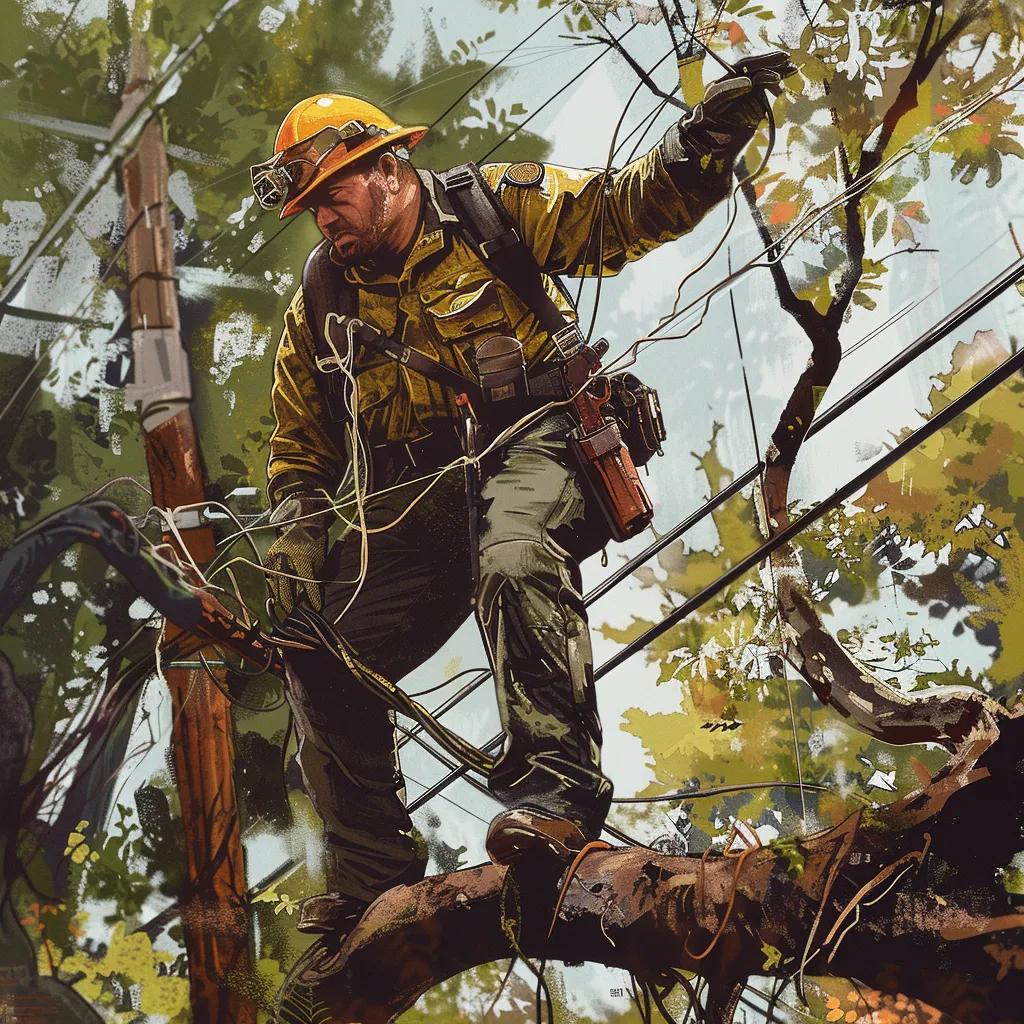
Maintaining a safe perimeter around a fallen powerline prevents fatal shocks and injuries. Avoiding contact with conductive surfaces or water ensures you don’t complete an electrical path. For example, standing on dry, nonmetallic ground at least 35 feet away reduces electrocution risk.
Key safety precautions include:
- Never approach or touch the tree, wire, or any object in contact with the line.
- Keep pets and bystanders clear of the hazard zone.
- Do not drive over downed lines; vehicles can conduct current.
These measures protect everyone until the utility secures the line and an electrician can perform a full inspection.
Electrical Safety Around Power Lines
Maintaining a safe distance from downed power lines is crucial to prevent electrocution. Contact with energized lines can be fatal, and it’s essential to avoid any contact with the lines, the tree, or any object touching the line. Staying at least 35 feet away minimizes the risk of electrical shock.
This supports the article’s emphasis on the importance of maintaining a safe distance from downed power lines to prevent electrical hazards.
Who to Call First: Utility Company vs. Electrician
Calling the correct service in sequence prevents delays and confusion. The utility company manages live-line de-energization, while an electrician repairs internal systems once the line is safe. Misordering calls can leave hazards unaddressed or prolong outages.
Call Sequence:
- Dial 911 for immediate danger (sparks, fire).
- Notify your local utility provider to cut power.
- Contact a licensed electrician for home-side assessment and repair.
Following this order ensures the utility neutralizes external hazards before a professional electrician restores internal wiring and equipment.
Emergency Electrical Service Procedures
When dealing with electrical emergencies after a storm, it’s important to follow a specific order of operations. The first step is to call 911 for immediate dangers like sparks or fire. Next, notify the local utility provider to cut off power, and then contact a licensed electrician for home-side assessment and repair. This sequence ensures safety and efficient restoration of power.
This citation reinforces the article’s guidance on the correct sequence of actions to take when a tree falls on a power line, ensuring safety and efficient power restoration.
Why You Should Never Touch a Fallen Powerline or Tree
A fallen tree touching a powerline can energize the entire trunk and surrounding ground. Direct contact completes the circuit, causing severe shocks. Even seemingly “dead” lines can become live when trees bridge the gap to the ground or other structures.
For example, leaning a ladder against a tree in contact with a line can result in electrocution as current travels through the ladder. Avoiding any physical contact mitigates this silent but lethal hazard and prepares the site for utility crews and electricians.
When Is It Necessary to Call an Emergency Electrician After Storm Damage?
Emergency electricians are essential when storm-induced electrical faults threaten safety or functionality. Recognizing urgent signs promptly allows for immediate professional intervention, reducing fire risk and restoring power reliability.
What Electrical Issues Indicate Urgent Professional Help?
Certain symptoms demand an electrician’s rapid response:
- Flickering Lights indicating voltage instability or looped circuits.
- Burning Smells from overheated wiring or panel components.
- Partial or Complete Outages despite cleared powerlines.
- Arcing or Sparking Outlets signaling damaged insulation.
When these issues arise post-storm, a licensed technician prevents escalation into fires, shocks, or equipment failure.
How Licensed Electricians Assess and Repair Storm-Related Electrical Damage
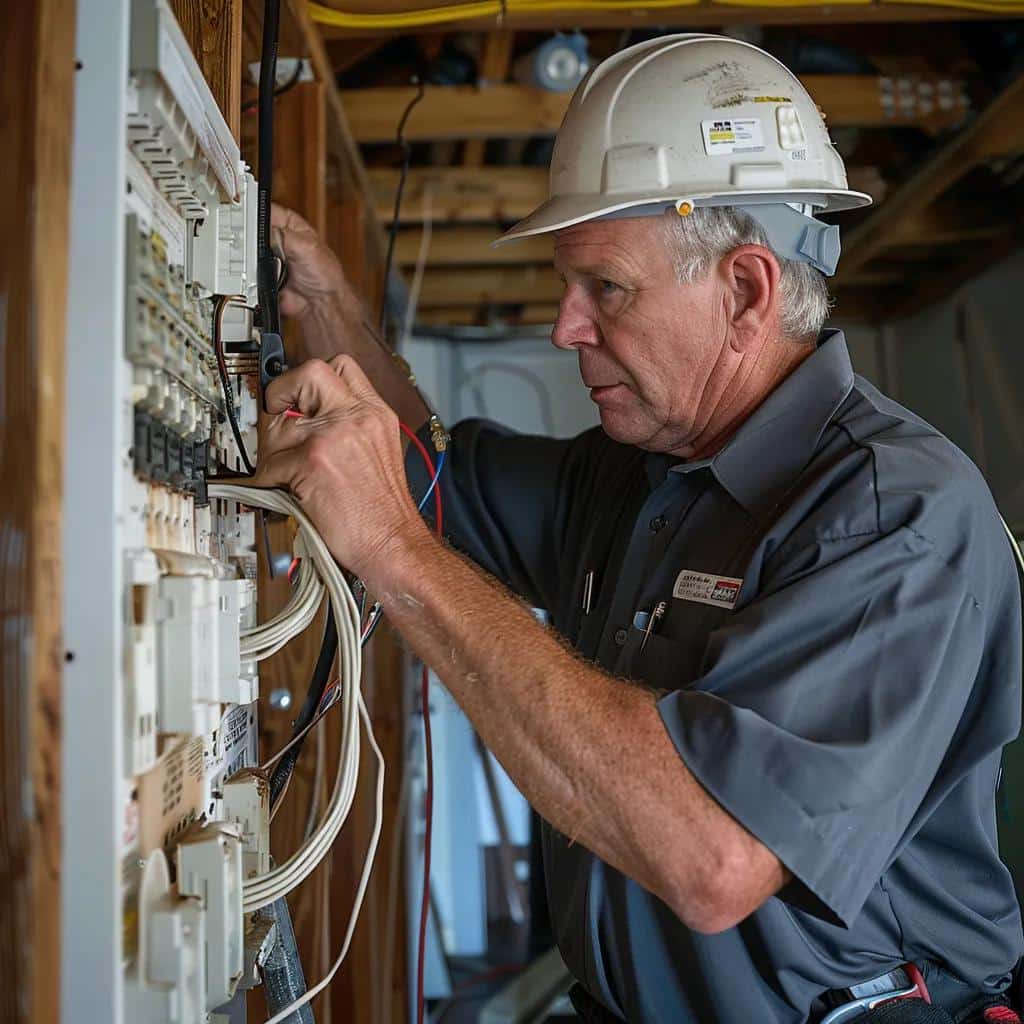
A professional electrician follows a systematic process:
- Visual Inspection of meter base, panel, breakers, and wiring for physical damage.
- Diagnostic Testing using voltage meters to locate shorts, open circuits, and ground faults.
- Component Replacement of damaged breakers, fuses, bus bars, or wiring.
- Surge Protection Installation to guard against future spikes.
This structured approach ensures thorough restoration of safe power distribution within the home or business.
What to Expect During an Emergency Electrical Service Call
Emergency service calls deliver transparent, prioritized care. After securing the site with initial safety checks, you’ll receive:
- An onsite evaluation within 1–2 hours of contact.
- A detailed estimate covering labor, materials, and any free-quote offers.
- Immediate repairs for life-threatening faults, followed by scheduled upgrades.
Knowing these steps ahead of time reduces stress and sets clear expectations for timely resolution.
How Does Rewired Iowa Handle Electrical Repairs After a Tree Falls on a Powerline?
Rewired Iowa’s emergency team specializes in storm-damage repair and fast power restoration across Des Moines and surrounding Iowa areas. Their licensed electricians combine local knowledge with 24/7 availability to secure properties quickly.
What Emergency Electrical Services Does Rewired Iowa Provide?
- 24/7 downed-line post-utility inspection
- Panel and breaker replacement for damaged equipment
- Surge protection upgrades to prevent repeat failures
- Whole-house generator setup for uninterrupted power
Integrating these services after utility clearance restores safety and functionality with minimal disruption.
How Quickly Can Rewired Iowa Respond to Electrical Emergencies?
Rewired Iowa targets a rapid 1–2 hour response window for urgent calls. Prompt dispatch of licensed electricians ensures live-circuit hazards are addressed swiftly, typically within the first business hour after notification.
Why Choose Licensed and Experienced Electricians for Powerline Damage?
Importance of Licensed Electricians
Licensed electricians are essential for ensuring electrical safety and code compliance. They possess the necessary certifications, insurance, and training to handle electrical repairs safely and effectively. Their expertise helps reduce liability and promotes long-term reliability, unlike unregistered providers who may overlook critical safety protocols.
This citation supports the article’s emphasis on the importance of hiring licensed electricians for powerline damage repairs, highlighting their qualifications and adherence to safety standards.
How Can Homeowners Prevent Electrical Hazards from Trees Near Powerlines?
Proactive maintenance around tree-line interfaces minimizes risk of future outages and hazards. Regular inspections and trimming keep branches clear and electrical safety intact.
What Are the Best Practices for Tree Trimming Around Power Lines?
- Hire certified arborists with utility-clearance experience.
- Trim during dormant seasons to reduce sap flow and disease risk.
- Maintain a 10-foot clearance between branches and conductors.
Consistent upkeep prevents tree encroachments that can topple onto lines in storms.
How to Identify Hazardous Trees That Threaten Electrical Safety
- Cracks, rot, or split trunks indicating structural weakness.
- Dead or hanging limbs prone to breakage.
- Leaning growth toward powerlines under wind load.
Spotting these signs early allows for safe removal before trees become electrical hazards.
When to Schedule Regular Electrical Inspections After Storms
Post-storm inspections by a licensed electrician uncover hidden damage before it causes failure. Schedule a professional review if you observe any:
- Dimming lights under load
- Unusual breaker trips
- Moisture intrusion near service equipment
Routine inspections prevent latent faults from escalating into emergencies.
What Are Common Electrical Repairs Needed After a Tree Falls on Powerlines?
Storm-fall damage often extends beyond the overhead line, affecting panels, wiring, and devices inside the structure. Understanding typical services helps you plan for repairs.
| Repair Type | Typical Damage | Repair Approach |
|---|---|---|
| Electrical Panel | Bent bus bars, tripped breakers | Replace damaged panel sections |
| Internal Wiring | Insulation tears, arcing spots | Rewire affected circuits with code-grade cable |
| Surge Protection | Burnt MOV modules | Install whole-house surge arresters |
How Are Damaged Electrical Panels and Wiring Repaired?
After a fault assessment, electricians remove compromised breakers and bus bars, install new UL-listed components, and re-route wiring away from moisture or pinch points. Precision in reconnection and torque specifications ensures long-term safety.
Why Is Surge Protection Important After Storm Damage?
Voltage spikes from utility restoration can fry electronics and create dangerous arcs. Installing surge arresters at the main panel and point-of-use protectors at sensitive devices shields equipment and reduces fire risk in future storms.
How Do Electricians Restore Power Safely After Outages?
Once repairs pass voltage and insulation tests, electricians incrementally re-energize circuits to confirm stability. They monitor breaker loads and voltage consistency before returning full service, ensuring no hidden faults remain.
How Much Does Emergency Electrical Service Cost After Storm Damage?
Emergency electrical pricing varies by scope, urgency, and materials. Transparent cost breakdowns help you budget and avoid surprise fees.
What Factors Affect the Cost of Emergency Electrical Repairs?
- Severity of Damage – Extensive rewiring versus minor component swaps.
- Time of Day – After-hours and weekend rates apply for 24/7 service.
- Materials Required – Specialty breakers and surge modules cost more.
Understanding these variables ensures accurate estimates tailored to your situation.
Does Rewired Iowa Offer Free Quotes for Emergency Services?
Yes, Rewired Iowa provides no-obligation estimates for emergency calls. Technicians assess site conditions at no charge and present transparent pricing before work begins, reinforcing trust and eliminating hidden fees.
How to Avoid Unexpected Charges During Emergency Electrical Repairs
Request a written estimate detailing labor rates, parts allowances, and any premium fees. Ask about flat-rate packages for common repairs and confirm that overtime or travel fees are capped to prevent billing surprises.
How to Choose a Trusted Emergency Electrician in Des Moines for Powerline Damage?
Selecting the right professional ensures safe, code-compliant, and cost-effective restoration. Focus on credentials, reputation, and responsiveness.
What Credentials and Experience Should You Look For?
- State-issued master electrician licenses
- Insurance and bonding covering property and liability
- NEC Code-compliance training and continuing education
These qualifications demonstrate commitment to safety and up-to-date practices.
How Do Customer Reviews and Testimonials Reflect Service Quality?
Reviews illustrate real-world reliability and workmanship. Look for consistent praise about rapid response, clear communication, and post-service support. Testimonials citing storm-damage repairs are especially relevant to powerline incidents.
Why Is 24/7 Availability Critical for Electrical Emergencies?
Electrical faults can ignite fires or create life-threatening shocks at any hour. A provider with round-the-clock dispatch ensures hazards are addressed immediately, minimizing damage and safeguarding occupants.
A fallen tree on a powerline demands decisive action: secure the area, summon the utility company, then enlist a licensed electrician for comprehensive repairs. Rewired Iowa’s 24/7 emergency team stands ready to restore safety and power swiftly across Des Moines and surrounding areas. Investing in proactive tree maintenance and regular electrical inspections further reduces future risks. When emergencies strike, choosing experienced professionals ensures your home or business returns to normal without compromise.

John Senn is a licensed Master Electrician based in Des Moines, Iowa with over 20 years of hands‑on experience serving homes and businesses across the state. He specializes in electrical panel upgrades, whole‑home generator installations, EV charger setups, and 24‑hour emergency service. As the owner of a growing team of certified electricians, John has built a reputation for safe, code‑compliant work and practical solutions that keep Iowa families and businesses powered up. His deep knowledge of Iowa’s electrical codes and his commitment to ongoing training make him a trusted voice in the trade and a go‑to expert for reliable electrical work in Des Moines and beyond.