
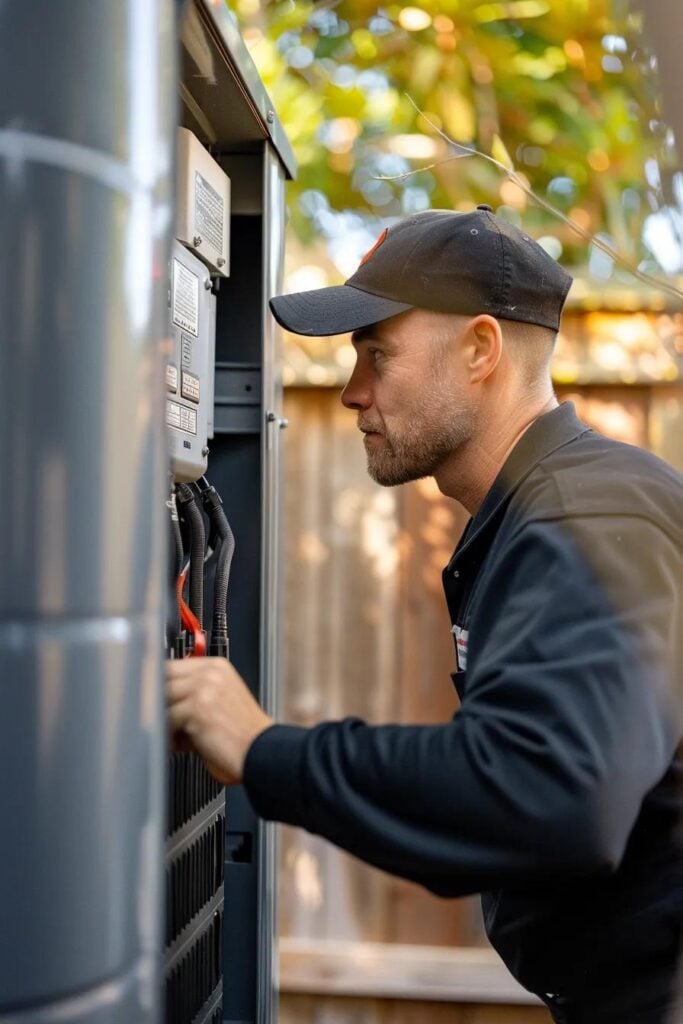
Your Generator Installation: A Clear Path to Reliable Backup Power
Bringing a whole-house standby generator into your home means upgrading its resilience, guaranteeing your lights and appliances stay on when the grid goes down. Wondering what the generator installation process involves? This comprehensive guide walks you through each stage, from the initial planning and necessary permits to setting the foundation, connecting fuel, integrating electrical systems, thorough testing, and ongoing care. We’ll also highlight why Rewired Iowa’s licensed electricians, our 5-year workmanship guarantee, straightforward pricing, and 24/7 emergency support make us the go-to choice for backup power solutions across Central Iowa. Inside, you’ll find:
- Phase 1: Getting Ready and Planning
- Phase 2: The Installation Journey
- Phase 3: Keeping Your Generator in Top Shape
- Why Rewired Iowa is Your Best Choice
- Common Questions About Generator Setup
- The Advantages of Being Prepared
- How to Get Started Today
This detailed roadmap ensures you know precisely what to anticipate, how each step unfolds, and how to secure dependable backup power for your home in Des Moines, Ames, or Winterset.
Getting Ready for Your Generator Installation: What’s Involved?
The planning and preparation phase is crucial for a seamless generator installation. It involves aligning your power needs with site specifics, local regulations, and your budget. Smart planning guarantees safety, adherence to codes, and clear cost expectations before any physical work begins.
Figuring Out Your Power Needs and Picking the Right Generator
Determining your power requirements is key to selecting the correct generator size (in kilowatts). This means identifying essential appliances, understanding your electrical panel’s capacity, and considering any future needs. Getting this right prevents an undersized unit or paying for more power than you’ll ever use.
Before we look at what your appliances consume, grab your breaker panel schedule and make a list of everything you absolutely need to keep running.
- Pinpoint the circuits for your must-have items (like your refrigerator, heating/cooling, sump pump, and essential lighting).
- Add up the wattage needed for appliances when they’re running and when they first kick on.
- Factor in an extra 10–20% for any new devices you might add later.
| Essential Appliance | Running Demand (W) | Starting Surge (W) |
|---|---|---|
| Refrigerator | 700 | 1,200 |
| Furnace Blower (HP) | 1,500 | 2,500 |
| Well Pump | 1,200 | 2,000 |
| LED Lighting (10 fixtures) | 600 | 600 |
| Total | 4,000 | 6,300 |
Based on this kind of load analysis, a typical home might need a generator in the 8–12 kW range, while larger homes might require 16–22 kW. Getting the size right from the start is fundamental for planning the site and applying for permits in Central Iowa.
Generator Sizing and Electrical Load Assessment
Choosing the correct generator size is vital to ensure it can handle your home’s electrical demands during an outage. This process involves identifying which circuits are essential and calculating the total wattage required, accounting for both the continuous running power and the initial startup surge of your appliances.
Where’s the Best Spot for Your Generator Installation?
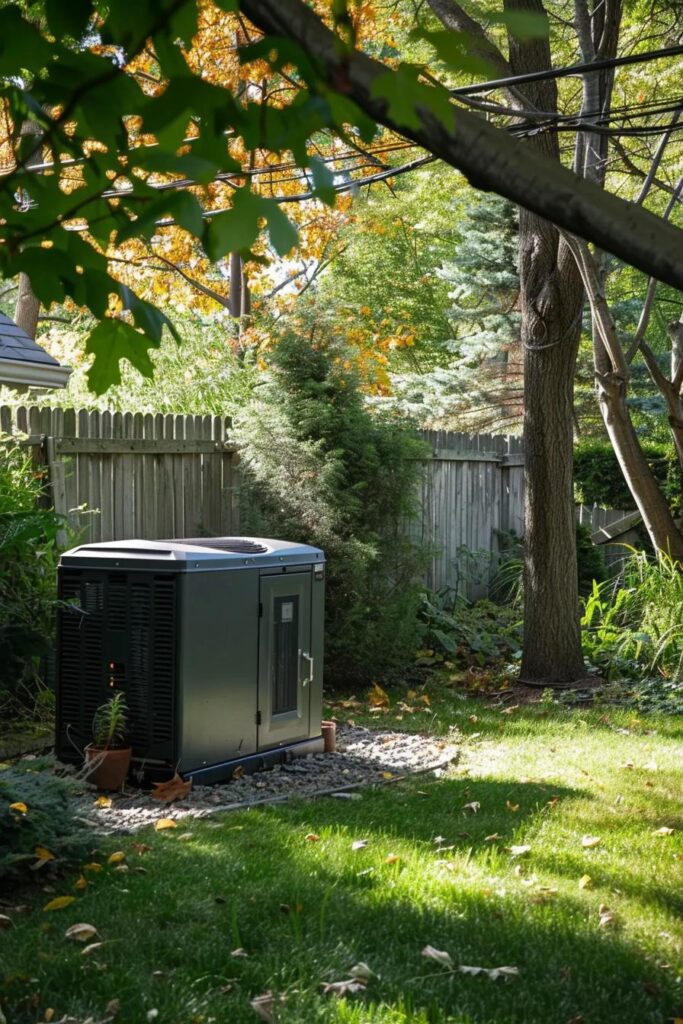
Selecting the right location for your generator involves balancing code-required clearances, ensuring proper airflow, considering noise levels, and proximity to fuel lines. To prevent exhaust from entering your home, generators must be positioned at least 18 inches from walls and 5 feet from any doors or windows.
Key factors for placement include:
- How far it is from your electrical panel and transfer switch
- How close it is to your natural gas meter or propane tank
- The ground’s slope to ensure proper drainage and a level pad
- Any local noise restrictions in your neighborhood
Choosing the best spot can cut down on the cost of trenching for fuel and electrical lines and ensures exhaust fumes dissipate safely. A well-thought-out location also makes foundation work easier and speeds up the overall installation.
What Permits and Approvals Are Needed for Generator Installation in Central Iowa?
Securing the necessary permits confirms that your installation adheres to all local building, electrical, and gas codes. In areas like Des Moines, Ames, and Winterset, you’ll typically need:
- An electrical permit for connecting the transfer switch and integrating with your main panel.
- A gas permit for the natural gas line or propane piping.
- Zoning approval or consent from your Homeowners Association, if applicable.
Rewired Iowa takes care of all permit applications, ensuring that the plans, load calculations, and site diagrams meet the requirements of your local building department. Once permits are approved, the preparatory phase is complete, and we’re ready for the on-site work.
Permitting and Code Compliance for Generator Installation
Generator installations require adherence to local building, electrical, and gas codes, which often necessitate permits. These permits ensure that the installation meets safety standards and is compliant with regulations.
How Much Does Generator Installation Cost, and What Are the Financing Options?
The total cost of generator installation covers the equipment itself, labor, permits, and any necessary site preparation. Understanding each of these cost elements helps ensure you’re comfortable with your budget and the process.
| Cost Component | Estimated Range (USD) | Notes |
|---|---|---|
| Generator Unit | 2,500 – 10,000 | Based on kW and brand (e.g., Generac) |
| Concrete Pad & Trenching | 1,000 – 3,000 | Site clearing, pad, conduit trench |
| Electrical Integration | 1,200 – 2,500 | ATS installation, panel upgrades |
| Fuel Line Connection | 800 – 2,000 | Licensed plumber for gas or propane line |
| Permits & Inspections | 300 – 800 | Municipality fees and final inspections |
| Total Estimated Cost | 5,800 – 18,300 | Financing plans available |
Rewired Iowa offers flexible financing solutions, including payment plans with competitive interest rates and special seasonal promotions. Our transparent pricing means you’ll know your investment upfront, with no unexpected charges.
The Key Steps in Your Generator Installation Process
The actual installation involves a series of systematic steps—from setting the foundation and connecting fuel to integrating the electrical systems and performing final tests. Each of these stages requires skilled professionals to ensure everything is safe and reliable.
Site Preparation and Foundation Installation for Your Generator
Site preparation involves clearing the area of any vegetation, leveling the ground, and pouring a reinforced concrete pad. This sturdy foundation is essential to support the generator’s weight and minimize vibrations.
- Clearing and leveling the ground to create a stable base
- Assembling formwork and installing rebar for reinforcement
- Pouring the concrete and allowing it to cure properly (at least 48 hours)
- Grading the surrounding ground and adding a gravel bed
A properly cured pad prevents the generator from settling or shifting, ensuring it remains perfectly aligned with the transfer switch connections and fuel line entry points.
Connecting Fuel Lines for Natural Gas or Propane Generators
Connecting fuel lines requires precise welding, thorough leak testing, and strict adherence to regulations. For natural gas, this involves tapping into the existing utility lines, while propane installations require setting up the tank and connecting flexible hoses.
The key steps include:
- A licensed plumber will install a new gas riser or position the propane tank.
- The piping is then pressure-tested at 10 psi to confirm all connections are leak-free.
- Necessary components like shut-off valves, regulators, and emergency vents are installed.
This meticulous process guarantees a consistent fuel supply and complies with standards like NFPA 37 and local code requirements.
Completing Electrical Integration with the Automatic Transfer Switch
Electrical integration relies on an automatic transfer switch (ATS) to seamlessly switch your home’s power source between the utility grid and your generator. A licensed electrician will connect the ATS to your main electrical panel, following all NEC guidelines.
The integration tasks involve:
- Mounting the ATS close to your main service panel
- Running the control wiring between the generator and the transfer switch
- Upgrading circuit breakers as needed to match the generator’s capacity
- Connecting ground rods and verifying the entire grounding system
When a power outage occurs, the ATS detects the voltage drop and activates the generator within seconds, restoring power to your home automatically.
What Happens During Testing, Commissioning, and Final Inspection?
Testing and commissioning are vital steps to confirm the system performs correctly under load and meets all utility and safety standards. The final inspection is the official sign-off on the installation.
The commissioning process includes:
- Starting the generator without a load to ensure it operates correctly.
- Using a load bank to test performance across critical circuits.
- Cycling the transfer switch to verify smooth power transitions.
- A walkthrough with the utility company for their approval.
- A demonstration for you, the homeowner, covering controls and maintenance features.
Successful commissioning means all final approvals are secured, your warranty is activated, and you’re ready to enjoy reliable standby power.
Maintaining Your Generator After Installation
Regular maintenance is key to keeping your generator running efficiently, extending its lifespan, and protecting your investment. Following a preventive maintenance schedule helps catch small issues before they turn into bigger problems.
Regular Maintenance Tasks for Peak Generator Performance
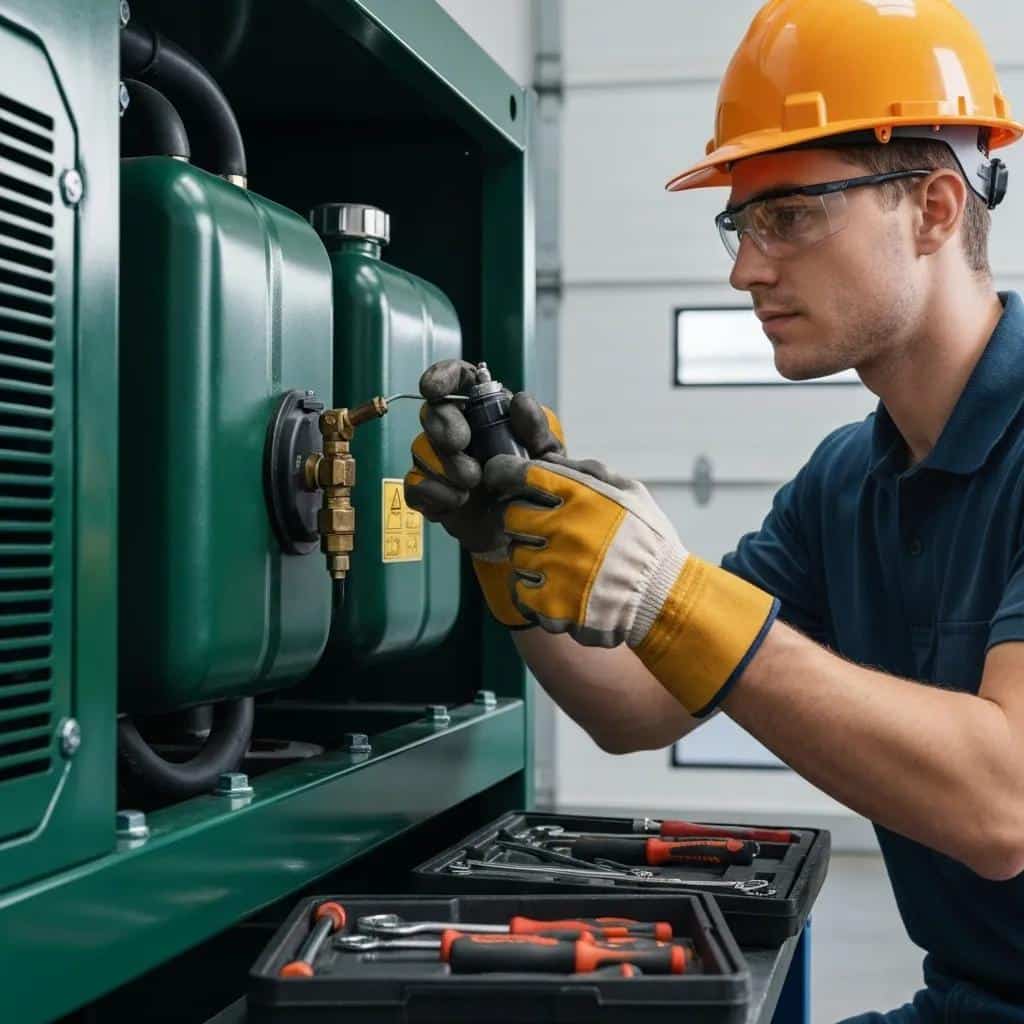
Routine maintenance involves monthly checks and annual servicing to ensure your generator is always ready for an emergency.
- Monthly: Visually inspect fuel lines, check battery voltage, and run the generator.
- Quarterly: Check the oil level, inspect coolant, and review filter conditions.
- Annually: Perform a full oil and filter change, conduct a load bank test, and replace spark plugs.
Sticking to this schedule ensures your generator starts instantly and delivers full power whenever grid outages occur.
How to Troubleshoot Common Generator Problems
Knowing how to perform basic troubleshooting can help you identify and fix minor issues, reducing any downtime.
- Generator won’t start: Check that the battery connections are secure and ensure there’s sufficient fuel.
- Low power output: Inspect the air filter and check the condition of the spark plugs.
- Transfer switch not working: Verify the control wiring and check the ATS diagnostic indicators.
For more complex diagnostic needs, Rewired Iowa’s technicians are available 24/7 to provide prompt solutions.
What Generator Repair and Service Plans Does Rewired Iowa Offer?
Rewired Iowa provides tiered service plans that bundle preventive maintenance and emergency repair services into a single agreement.
- Bronze Plan: Includes inspections twice a year and discounted repair services.
- Silver Plan: Offers quarterly maintenance and priority scheduling for service calls.
- Gold Plan: Features monthly inspections, top priority support, and coverage for parts.
Every plan clearly outlines the scope of service, offers fixed labor rates, and includes our 5-year workmanship guarantee for your complete peace of mind.
Why Partner with Rewired Iowa for Your Generator Installation?
Rewired Iowa brings local expertise, certified electricians, and a customer-centric approach to ensure your installation is smooth and hassle-free, backed by our commitment to safety and proven performance.
What Local Expertise and Certifications Does Rewired Iowa Hold?
As a locally owned and operated electrical contractor, Rewired Iowa is proud to hold:
- Iowa Electrical Contractor License #E12345
- Adherence to NFPA 70 standards and OSHA-trained crews
- Generac Elite Dealer certification
These credentials demonstrate our in-depth understanding of Central Iowa’s specific codes and the best practices for generator installations.
How Does Rewired Iowa Guarantee Safety and Quality with a 5-Year Workmanship Guarantee?
Rewired Iowa’s 5-year workmanship guarantee covers all labor associated with your installation. Our rigorous quality control process includes:
- Checkpoints managed by third-party inspectors
- Installation procedures approved by the manufacturer
- Detailed documentation of every step of the process
This guarantee underscores our confidence in meeting and exceeding NEC, NFPA, and local regulations.
What Do Central Iowa Customers Say About Their Generator Installation Experience?
Homeowners and small business owners consistently praise Rewired Iowa for our prompt scheduling, clear communication, and meticulous installation work. Local testimonials often mention the absence of permit delays and the exceptional support provided after installation. These positive reviews solidify our reputation as Central Iowa’s trusted partner for standby power.
Frequently Asked Questions About Generator Installation
Homeowners often have questions about installation timelines, licensing requirements, fuel options, how the transfer switch operates, and the inspection process. Here’s a breakdown of these common inquiries, answered in detail.
How Long Does a Typical Generator Installation Take?
A typical generator installation process, from the initial consultation to the final inspection, usually takes between one to four weeks. The actual on-site work typically spans two to three days, covering foundation pouring, fuel and electrical connections, and system commissioning. Permit processing in Central Iowa can add an extra one to two weeks, depending on the municipality’s schedule.
Do You Need a Licensed Electrician to Install a Generator?
Absolutely. Both the NEC and local codes mandate that a licensed electrician must install the automatic transfer switch, integrate the generator with your home’s electrical system, and obtain the necessary permits. This ensures the installation meets all safety standards and maintains the validity of your property insurance.
What Are the Differences Between Natural Gas and Propane Generators?
Natural gas generators connect directly to your home’s existing utility lines, providing a continuous fuel supply, though they are dependent on pipeline pressure. Propane generators use on-site tanks, which ensure fuel availability during extended outages, but these tanks require periodic refilling. Both fuel types offer reliable backup power when installed correctly according to code.
| Feature | Natural Gas | Propane |
|---|---|---|
| Fuel Supply | Utility pipeline | On-site tank |
| Outage Resilience | Limited by pipeline | Depends on tank capacity |
| Installation Cost | Lower gas-line cost | Tank permit and placement fees |
| Environmental Impact | Cleaner combustion | Slightly higher CO₂ emissions |
Natural gas is ideal for frequent outages due to its consistent supply, while propane tanks offer greater independence when pipeline services might be disrupted.
How Does the Automatic Transfer Switch Work in a Home Backup System?
The automatic transfer switch continuously monitors the utility voltage and frequency. When it detects a loss of grid power, the switch performs the following actions:
- It opens the main breaker, safely disconnecting your home from the utility lines.
- It sends a signal to the generator, instructing it to start and reach a stable operating speed.
- Once the generator is ready, the switch closes, directing the generator’s power to your home’s electrical panel.
Automatic Transfer Switch (ATS) Functionality
The automatic transfer switch (ATS) is a critical component of a home backup system, seamlessly switching between utility power and generator power during outages. The ATS monitors the utility voltage and frequency, and automatically starts the generator when a power outage is detected.
What Should You Expect During the Final Inspection and Utility Approval?
The final inspection is conducted to verify that your generator installation meets all applicable electrical, mechanical, and fuel-system codes. Inspectors will check grounding, bonding, permit placards, and review test reports. Upon successful inspection, the utility company will issue an interconnection clearance, and your generator will be fully operational under warranty.
How Generator Installation Boosts Your Home’s Emergency Preparedness
A whole-house generator transforms your home into a secure and comfortable refuge during Central Iowa’s severe weather events and grid failures. It ensures your essential systems, comfort, and security remain intact until utility power is restored.
Why Backup Power is Essential for Central Iowa Weather and Power Outages
Central Iowa experiences significant weather challenges, from summer thunderstorms with lightning strikes to winter ice storms that frequently bring down power lines. Having backup power ensures:
- Your heating systems continue to operate during freezing temperatures.
- Your security systems and well pumps remain functional, protecting your property.
- Critical medical equipment and refrigerators stay powered.
By guaranteeing uninterrupted electricity, you can prevent potential water damage, preserve food, and maintain safety during prolonged outages.
How a Whole-House Generator Provides Energy Independence and Home Resilience
A standby generator grants you energy independence by disconnecting your home from the public grid during emergencies. This enhanced resilience:
- Maintains your home’s climate control and essential comfort levels.
- Supports remote work, telehealth appointments, and smart home technology.
- Protects perishable food, vital medications, and life-sustaining equipment.
Installing a generator is a fundamental step in your home’s emergency preparedness plan, offering self-sufficiency when you need it most.
Next Steps for Your Generator Installation Project
Moving forward with your backup power project involves requesting a quote, scheduling a consultation, and navigating the permitting process—all designed to make your transition to reliable standby power as smooth as possible.
How to Request a Free Estimate for Generator Installation from Rewired Iowa
Requesting an estimate is straightforward: simply provide your address, the generator size you’re interested in, and your contact information through our online form, or give us a call at (515) 619-5349. We’ll provide a personalized proposal within 48 hours, detailing equipment options, site requirements, and transparent pricing.
What to Expect During Your Initial Consultation and Site Assessment
During the on-site assessment, one of our licensed electricians will:
- Confirm your load calculations and assess your panel’s capacity.
- Evaluate the site conditions to determine the best placement for the pad and ensure proper clearances.
- Identify the most efficient route for fuel lines and any necessary permit prerequisites.
This consultation will clarify your project’s scope, timeline, and cost estimate, empowering you to make a well-informed decision.
How Rewired Iowa Supports You Through Permitting and Installation
From the initial permit application to the final inspection, Rewired Iowa manages every aspect of your project:
- Submitting engineered plans to the relevant local building department.
- Scheduling all necessary inspections and coordinating with utility companies for approvals.
- Providing on-site project management and thorough post-installation follow-up.
Our comprehensive support ensures a seamless installation experience and guarantees your readiness for uninterrupted backup power.
Generators and transfer switches are robust, code-compliant pieces of equipment designed to protect your home through Iowa’s most challenging outages. By choosing Rewired Iowa, you benefit from our local expertise, certified installation professionals, and a five-year workmanship guarantee, ensuring your family stays powered and protected.

John Senn is a licensed Master Electrician based in Des Moines, Iowa with over 20 years of hands‑on experience serving homes and businesses across the state. He specializes in electrical panel upgrades, whole‑home generator installations, EV charger setups, and 24‑hour emergency service. As the owner of a growing team of certified electricians, John has built a reputation for safe, code‑compliant work and practical solutions that keep Iowa families and businesses powered up. His deep knowledge of Iowa’s electrical codes and his commitment to ongoing training make him a trusted voice in the trade and a go‑to expert for reliable electrical work in Des Moines and beyond.