


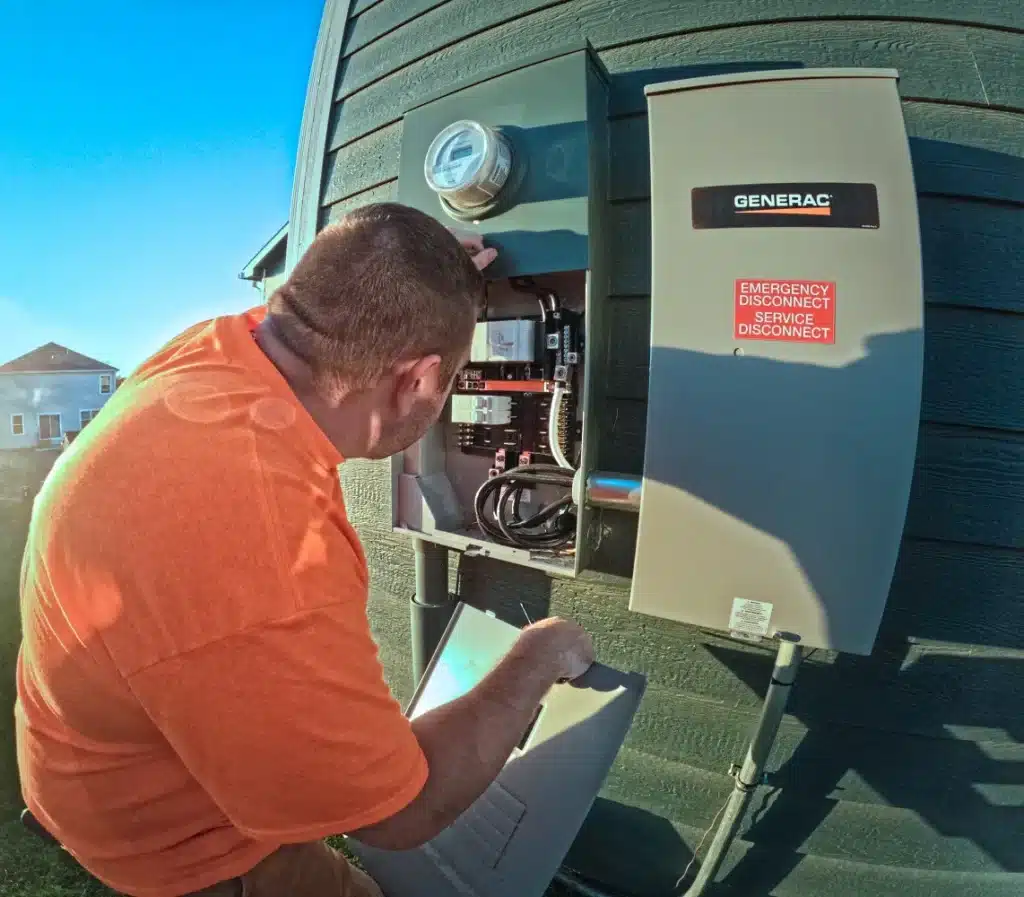


 Utility companies maintain policies covering meter ownership, replacement scheduling, smart meter deployments, and customer opt-out options. State regulators provide oversight and a formal complaint process. Utilities commonly run proactive replacement campaigns when meters near end-of-life or when deploying advanced metering infrastructure; these programs include customer notification, scheduling windows, and on-site safety protocols. Homeowners in Knoxville can expect these same procedures when scheduling meter installation or replacement.
| Utility Category | Policy / Program Type | Customer Implication / Opt-out Options |
|---|---|---|
| Major investor-owned utilities | Proactive AMI / electric meter replacement programs | Customers receive advance notice; opt-out provisions vary and may include fees or alternative reading arrangements. |
| Municipal utilities & co-ops | Local meter installation and maintenance programs | Policies set locally; opt-out availability varies and typically requires direct contact with the utility. |
| Third-party service arrangements | Contractor-managed new meter installation | Scheduling and access protocols apply; customers should verify contractor credentials and utility oversight. |
Utility-led replacement programs generally include advance notification to affected customers, scheduled installation windows, and on-site safety checks to confirm meter bases and seals. Some utilities replace meters proactively as part of modernization efforts; others replace on failure or by request. Technicians typically verify seals and perform brief post-installation accuracy checks. Homeowners in Knoxville should raise any concerns about access or privacy during pre-install notifications and document notices and credentials for follow-up.
State utilities regulators oversee accuracy standards, consumer protections, and dispute resolution for metering and billing. Typical regulatory topics include accuracy tolerances, contested meter testing procedures, consumer notification requirements for large-scale programs, and rules for opt-out arrangements. If a customer in Knoxville, IA suspects meter inaccuracy or unfair replacement billing, regulators usually offer a formal complaint process that can require meter testing or corrective action.
Smart meters provide digital, interval-level data, remote reading, and faster outage detectionÑoffering accuracy and operational advantages over older analog meters. Upgrading via smart meter installation or new meter installation can improve billing accuracy, reduce estimated bills, and enable time-of-use or demand-response programs that help Knoxville, IA homeowners manage energy costs. Homeowners should weigh these benefits against privacy preferences and any opt-out costs.
| Meter Type | Feature | Benefit / Trade-off |
|---|---|---|
| Analog electric meter | Mechanical register | Simple and durable; no remote data. Accuracy can drift with wear. |
| Basic digital meter | Electronic register | Improved stability and easier reading; limited remote features. |
| Smart meter (AMI) | Remote reading & interval data | Enhanced accuracy, outage detection, and granular usage data; raises privacy and opt-out considerations. |
Privacy concerns often center on the frequency and granularity of interval data. Opt-out availability and procedures vary by utility: some utilities offer a non-communicating meter or alternative reading arrangements, potentially with associated fees. Homeowners in Knoxville should request the utilityÕs privacy policy, ask what data granularity is retained, and confirm any opt-out costs and requirements in writing. If privacy or policy clarity becomes an issue, use the state regulator’s complaint process to escalate unresolved disputes.
Practical tips for Knoxville homeowners: Keep pre-installation notices, document technician credentials, ask about meter box replacement needs, and request a summary of any changes that could affect electricity meter installation cost or billing.
We check the existing meter, wiring, and meter base to ensure everything is safe and ready for installation or replacement.

Our licensed electricians install the new electric meter with precision, ensuring secure connections and proper calibration.

We test the meter for accuracy, confirm stable power flow, and ensure the system meets safety standards before completion.
Estimating meter replacement costs in Knoxville and across Iowa depends on meter type, labor rates, permit fees, and any required meter base or service upgrades. Typical total replacement projects range from modest meter-only swaps to larger jobs involving meter base replacement or panel/service upgrades when service conductors or sockets are degraded. The table below breaks out common cost components with Iowa-appropriate ranges and notes on factors that drive variation.

Before the table, here is a short checklist Knoxville homeowners should use when collecting cost information: document meter type and visible condition, note meter age if readable, photograph the meter and box, and ask the utility whether the meter is owned by the utility or the property owner. Gathering this information makes contractor or utility estimates more accurate and reduces surprises.
| Cost Component | Typical Range (Iowa) | Notes / Factors Affecting Cost |
|---|---|---|
| Meter device (analog/digital) | $0 – $300 | Utilities commonly own meters; device cost may be waived when utility replaces equipment. |
| Smart meter / advanced metering device | $150 – $400 | If customer requests non-standard device, a charge may apply; functionality affects pricing. |
| Labor (licensed electrician) | $150 – $450 | Single-phase residential installs are lower; travel, complexity, and hourly rates vary. |
| Meter base / meter box replacement | $100 – $600 | Corrosion or code noncompliance drives this cost; weatherhead/service conductor work adds expense. |
| Permit and inspection fees | $25 – $200 | Local jurisdictions may require permits; fees vary by county or municipality. |
This breakdown shows that meter-only replacements are often inexpensive when utilities perform the work, while owner-requested upgrades or associated electrical repairs increase total cost. The next subsection details typical line items and how to interpret estimates.
Typical cost components include the meter device, installation labor, any required meter base or box replacement, permitting and inspection fees, and potential service conductor or panel upgrades. If the utility owns the meter and schedules a routine replacement, the meter device and installation are often performed at no direct charge to the customer. However, customer-requested changes, upgraded meter types, or damage caused by the property owner can trigger customer responsibility.
When hiring a licensed electrician in Knoxville, request an itemized estimate separating device, labor, materials, permit, and disposal fees. Collecting multiple estimates and documenting pre-existing meter condition will help if a billing dispute arises later with the utility or regulator.
Responsibility for replacement costs generally depends on meter ownership and the cause of replacement. Many utilities retain ownership of meter equipment and cover routine replacements. When the meter must be replaced due to normal wear, the utility often performs the swap with no charge to the customer.
However, if a homeowner in Knoxville requests a non-standard upgrade, early replacement, or if the meter box or service has hazards created by the property owner, the homeowner may be billed. To confirm responsibility, ask your utility for written policy details, request an itemized invoice if charged, and retain photos and communication records. If disagreement persists, the Iowa Utilities Board provides dispute resolution avenues and oversight for consumer protection.